Topics
Van Gogh Topics
Read Van Gogh by topic: from sunflowers, starry nights and wheat fields to copying, reading, translation and colour experiments.
10 topics
-
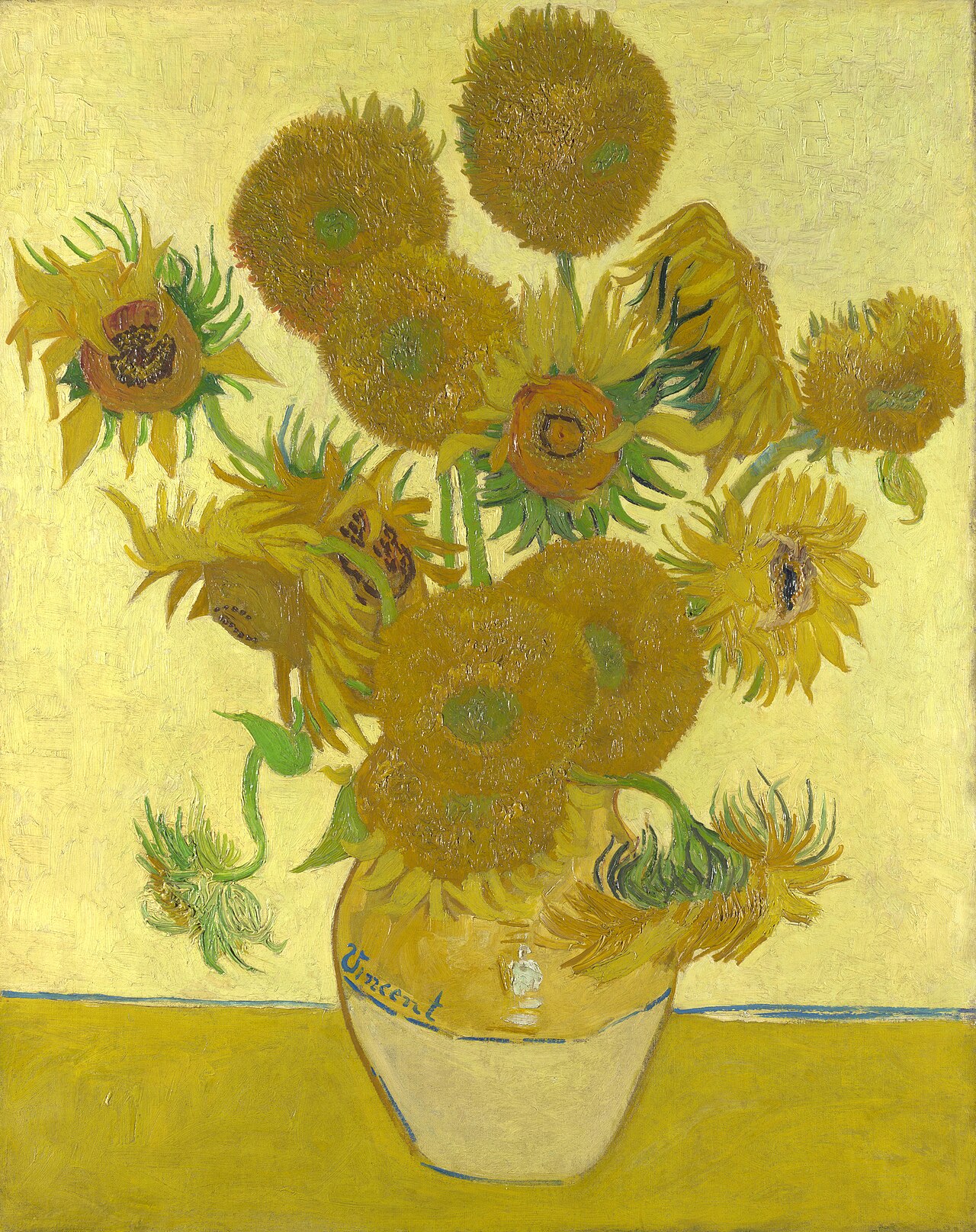 Sunflowers The sunflowers are not a single famous painting, but a decorative language Van Gogh invented for the Studio of the South: colour, friendship, waiting and room become one structure. The Colour ExperimenterThe Ferocious ReaderThe Translator
 -
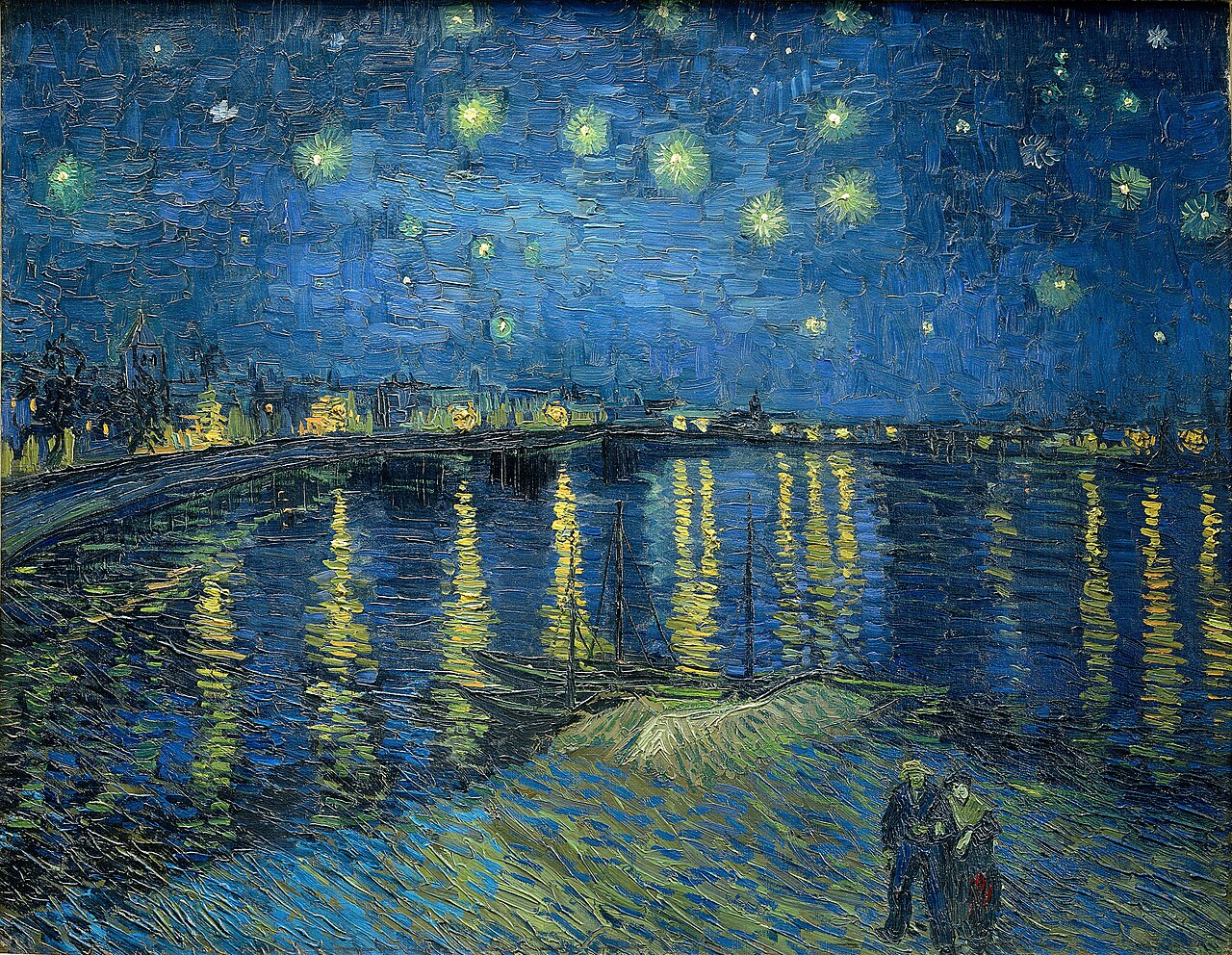 Starry Nights The starry-night topic connects the Rhône, Saint-Rémy and nocturnal seeing: not romantic night, but an experiment in light, distance and synaesthetic precision. The Colour ExperimenterThe Ferocious ReaderSynaesthetic Precision
 -
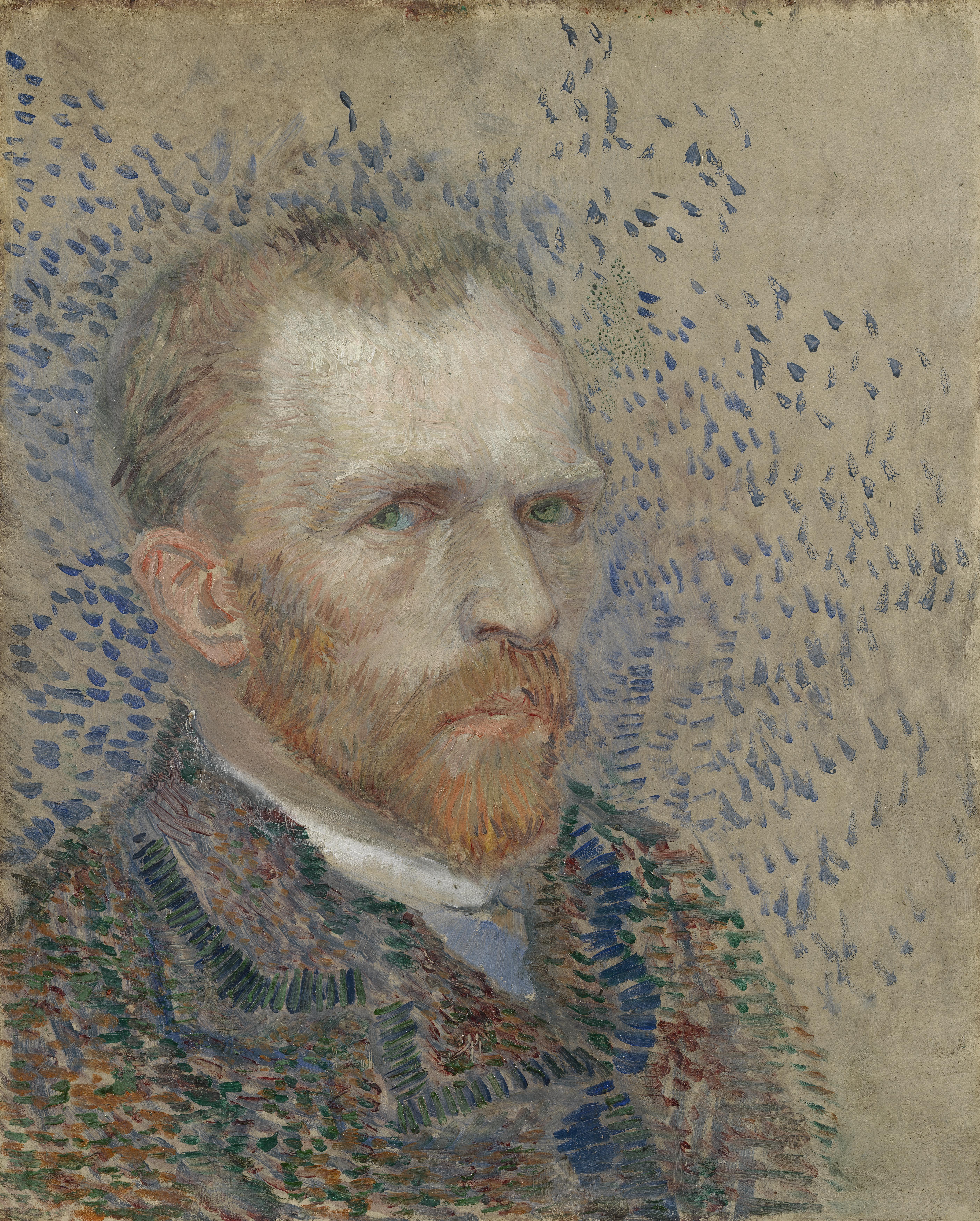 Self-Portraits The self-portraits are not self-display, but a continuous experiment: face, colour, illness, vocation and method of seeing are rewritten on the same face. The Colour ExperimenterThe TranslatorSynaesthetic Precision
 -
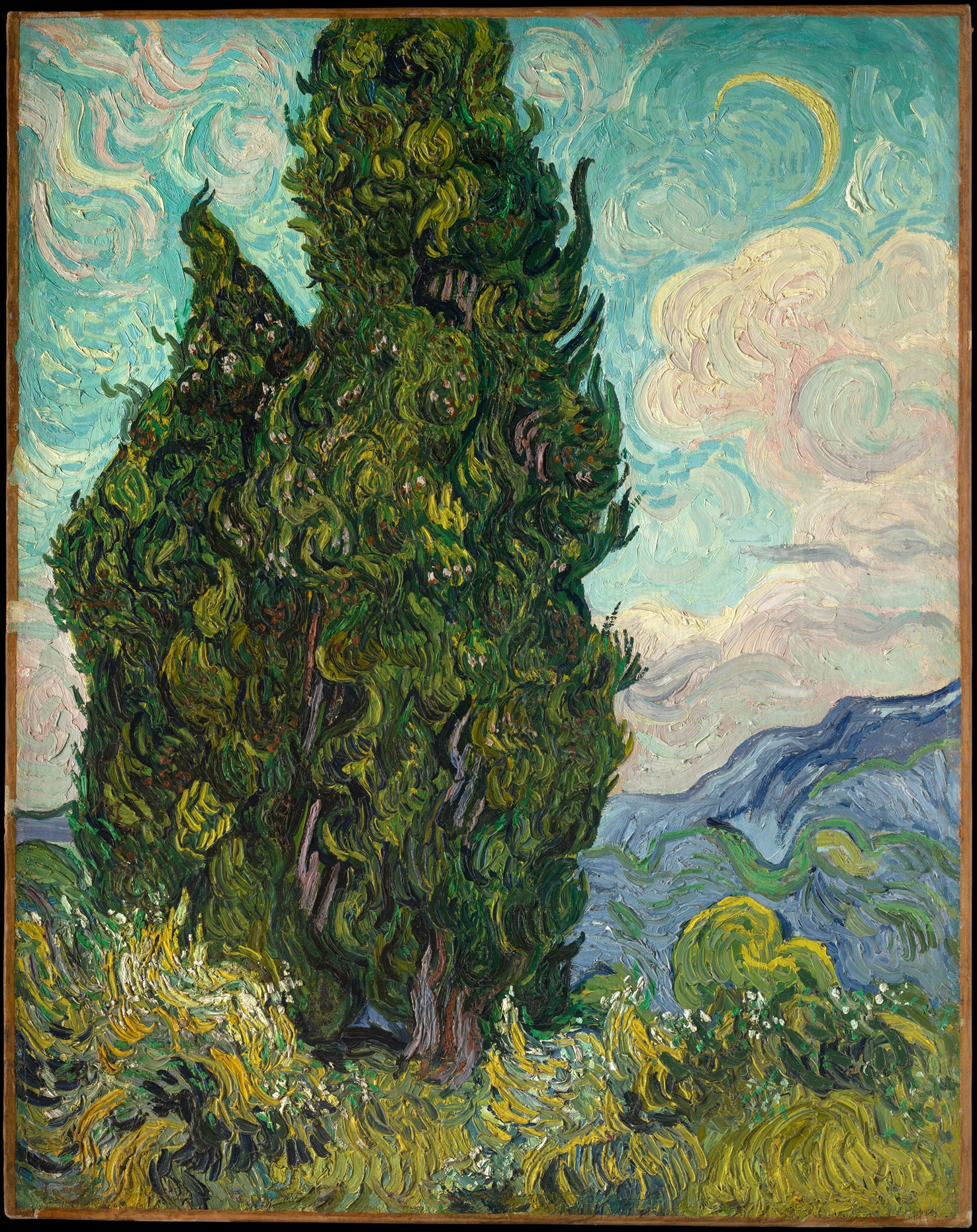 Cypresses In Saint-Rémy, the cypress becomes a vertical flame: tree, night sky, mortality and physical movement are compressed into one form. Synaesthetic PrecisionThe Colour ExperimenterThe Translator
 -
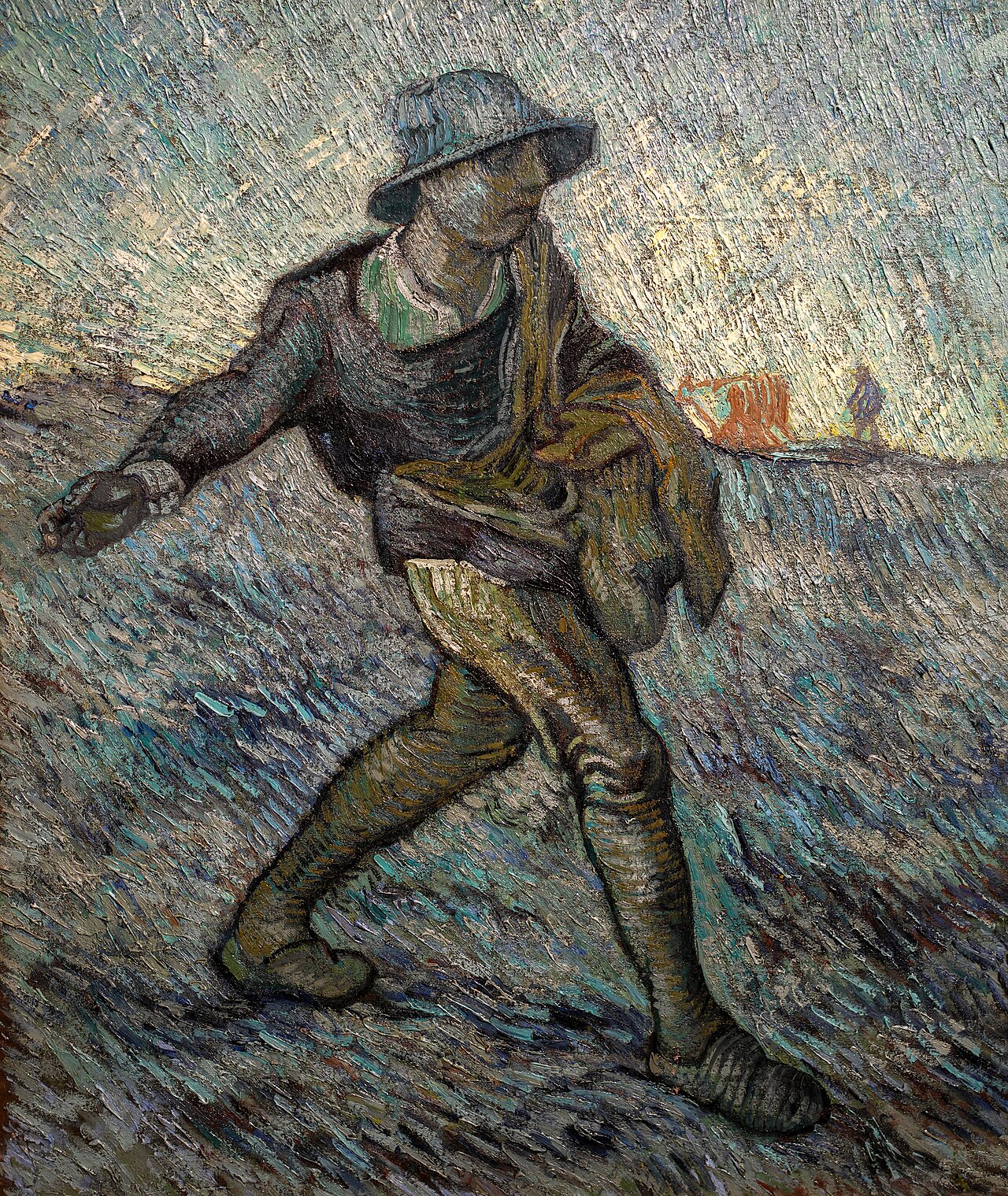 Wheat Fields The wheat fields run through sowing, labour, Auvers and the final rain: they concentrate time, life-cycle and farewell. The CopyistThe Colour ExperimenterThe Translator
 - Night Night is not darkness in Van Gogh; it is a condition that forces vision to work differently: gaslight, stars, café and sky make colour abnormal. The Colour ExperimenterThe Ferocious ReaderSynaesthetic Precision
-
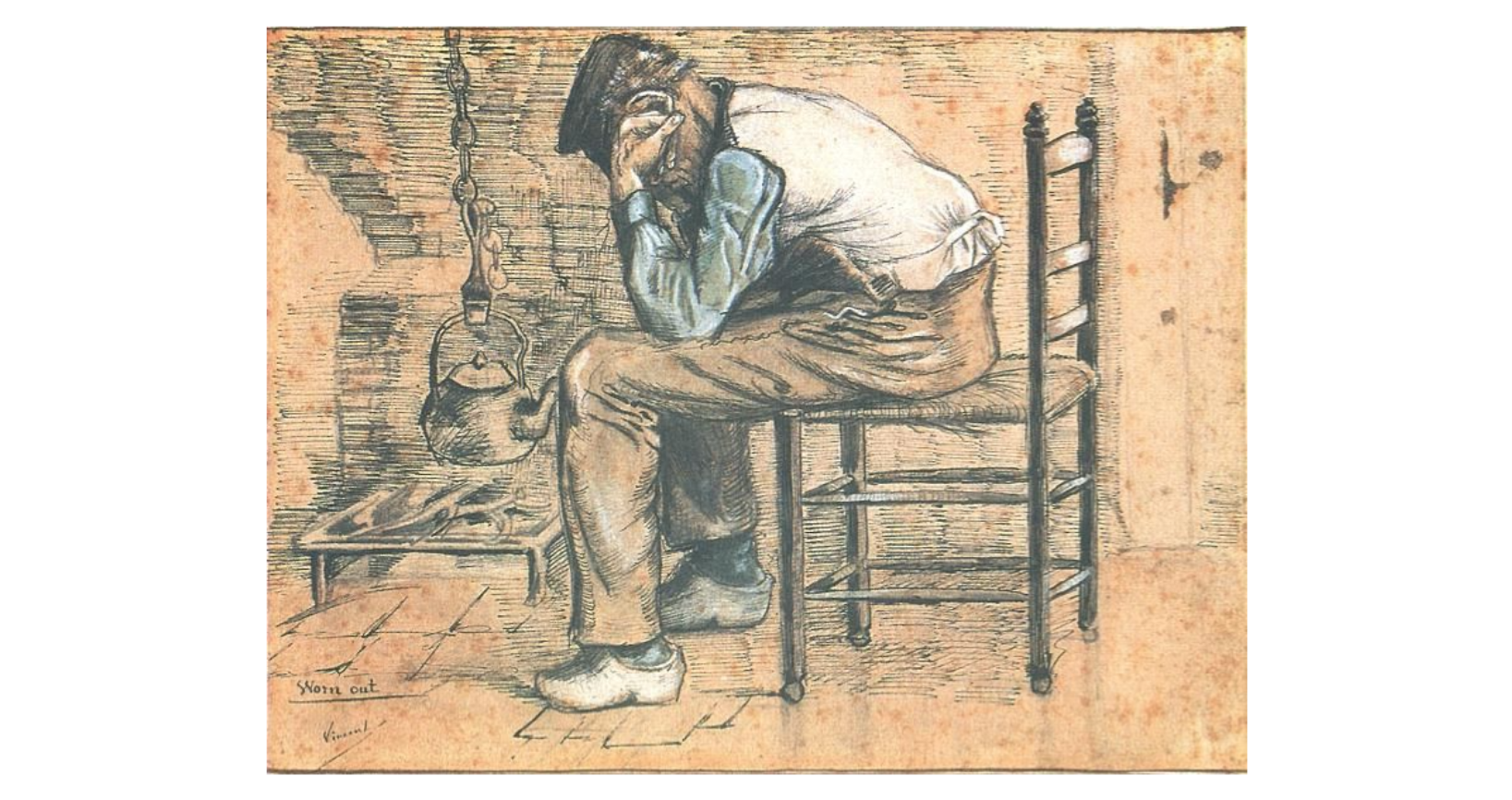 Copying Copying is not leftover training, but one of Van Gogh’s core methods: he translates Millet, Japanese prints and earlier images into his own language of colour. The Ferocious ReaderSynaesthetic PrecisionThe Copyist
 -
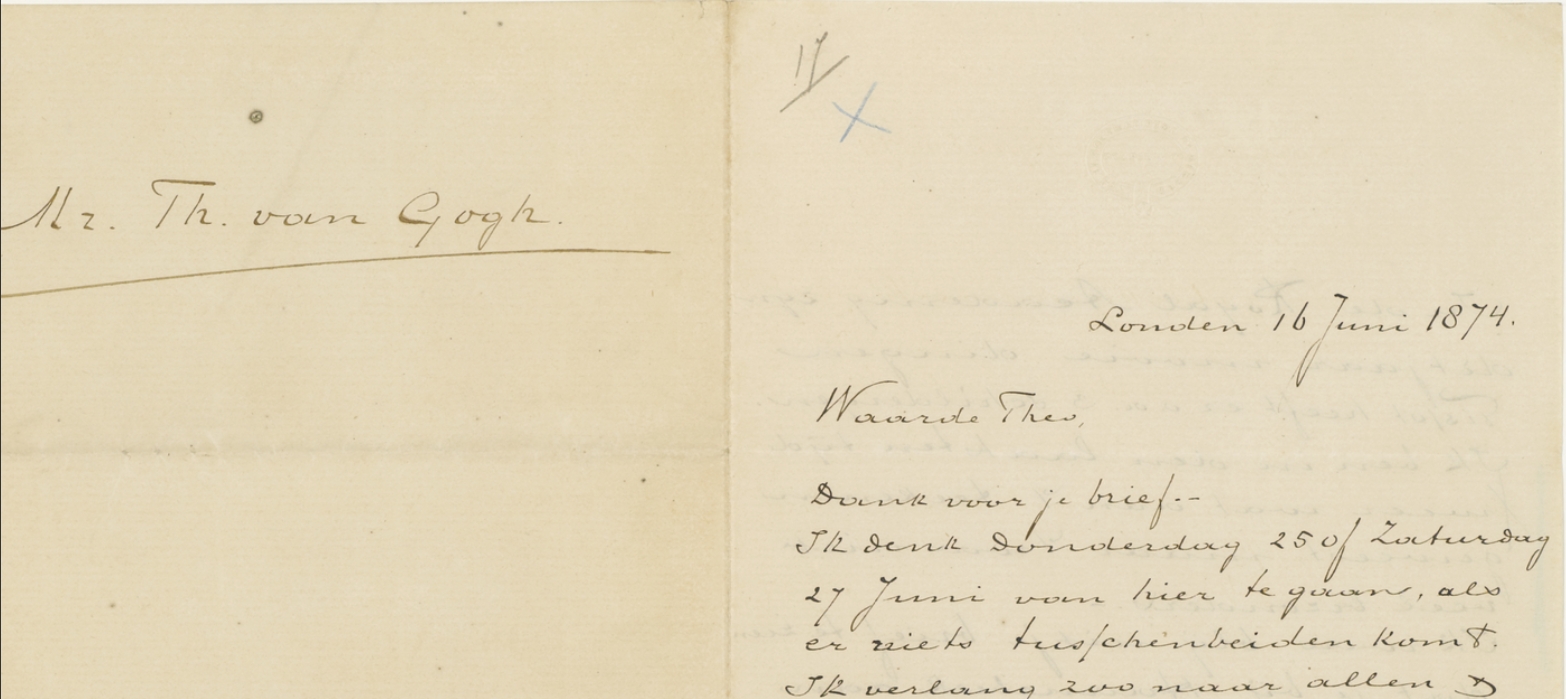 Reading Reading reveals the overlooked Van Gogh: he does not paint only with his eyes, but calibrates vision through novels, religion, biography and letters. The Ferocious ReaderSynaesthetic PrecisionThe Copyist
 -
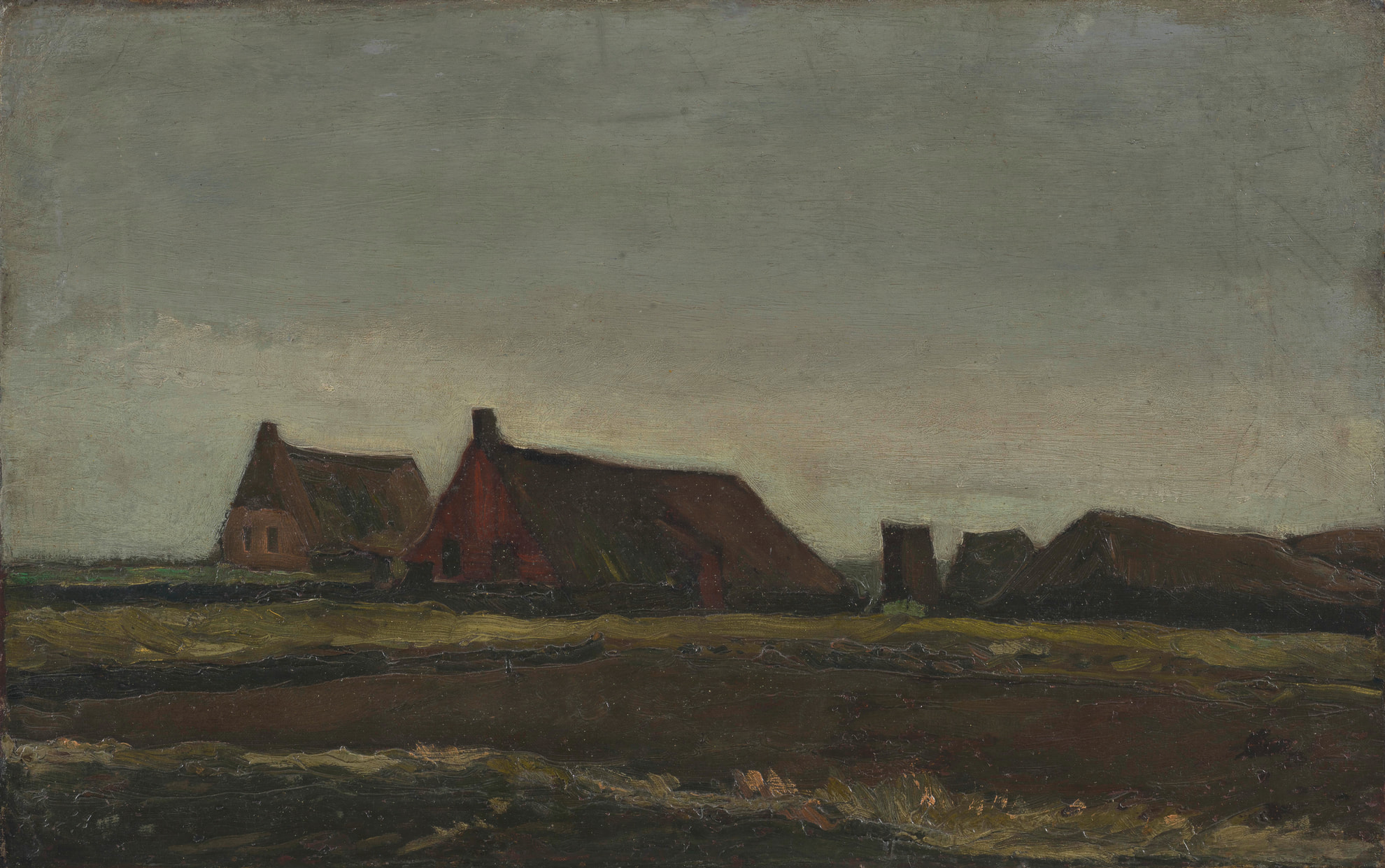 Translation Translation is a key to this site’s Van Gogh: text to image, print to oil, black-and-white to colour, ethics to composition are translated through his hand. The Colour ExperimenterThe Ferocious ReaderSynaesthetic Precision
 -
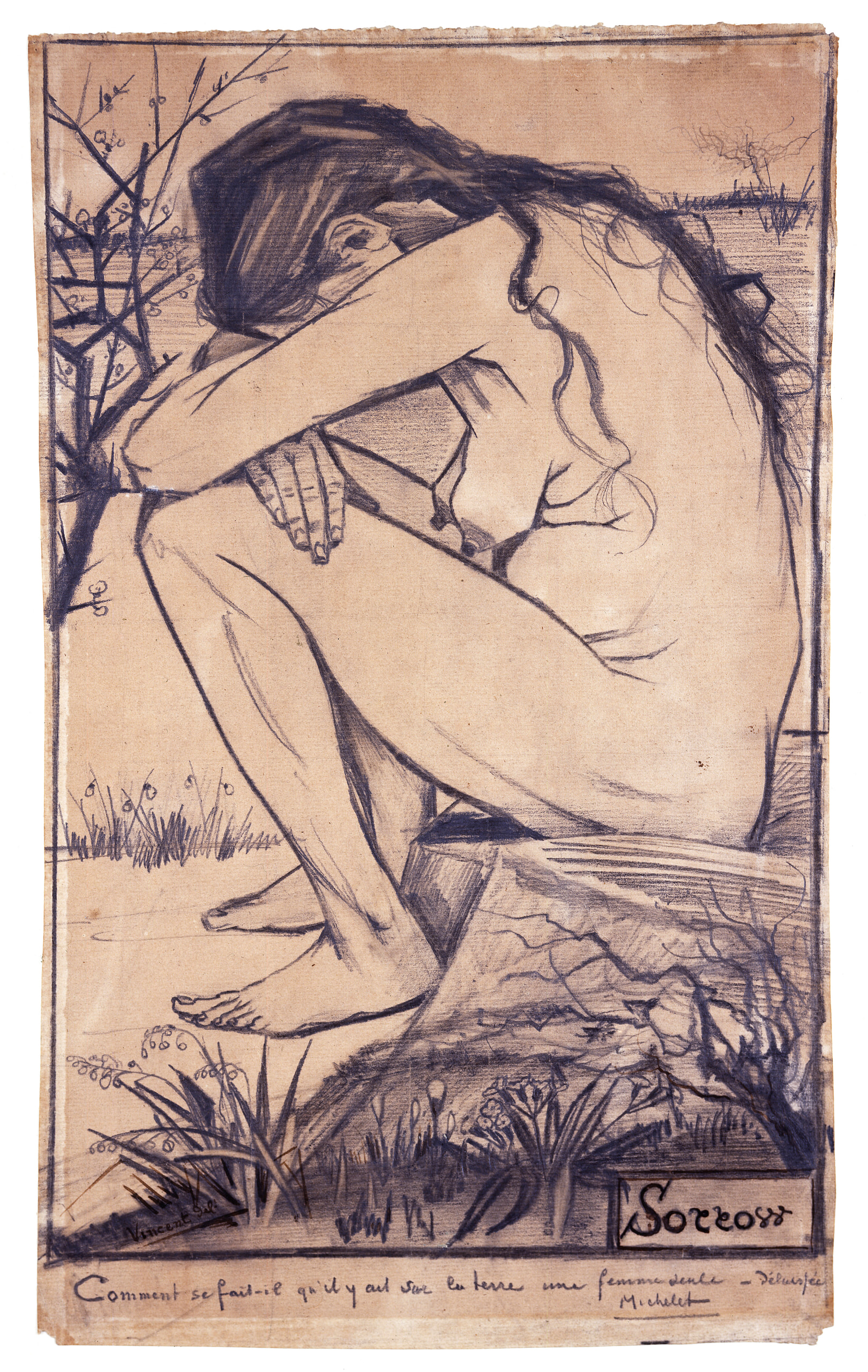 Colour Colour is not Van Gogh’s surface style, but an experimental system: complements, night light, southern air and psychological intensity become a physical language. Synaesthetic PrecisionThe Ferocious ReaderThe Colour Experimenter