1882-1890 · 38 Gogh.art nodes
Colour
Colour is not Van Gogh’s surface style, but an experimental system: complements, night light, southern air and psychological intensity become a physical language.
- Synaesthetic Precision
- The Ferocious Reader
- The Colour Experimenter
- The Translator
- The Copyist
The Hague and Sien
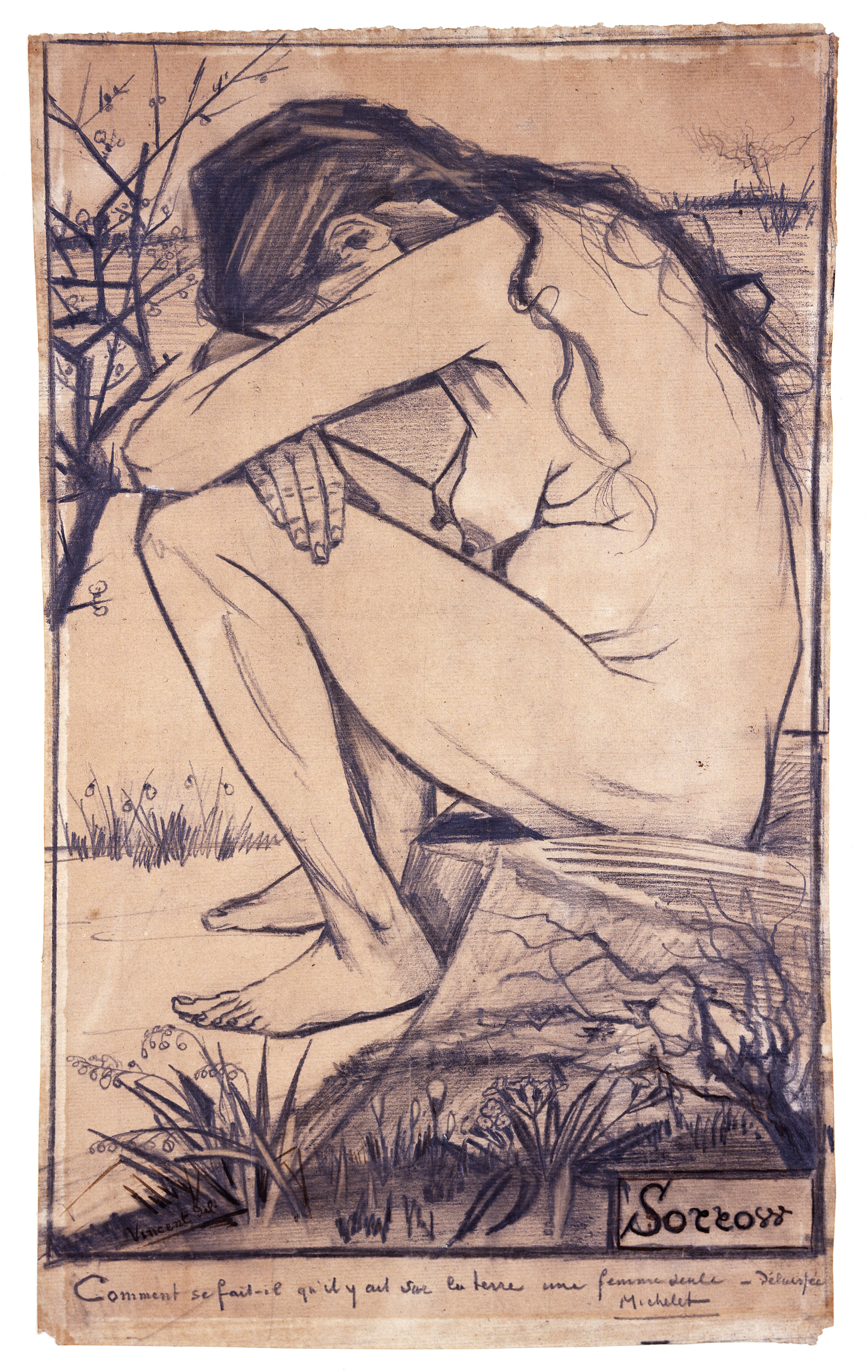
In 1882, Van Gogh prepared a home with a cradle for Sien and her children; in autumn 1883, they agreed to separate.
- Synaesthetic Precision
- The Ferocious Reader

The Back of Beyond
He was not short of inspiration. He was short of four or five colours.
- The Colour Experimenter
- The Ferocious Reader
The Weavers
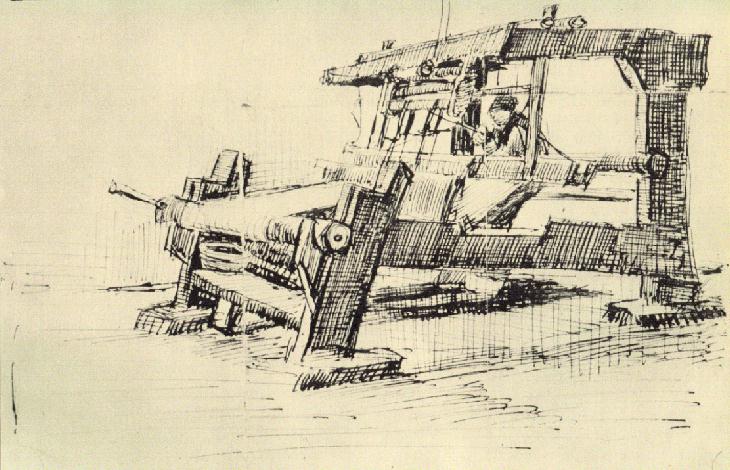
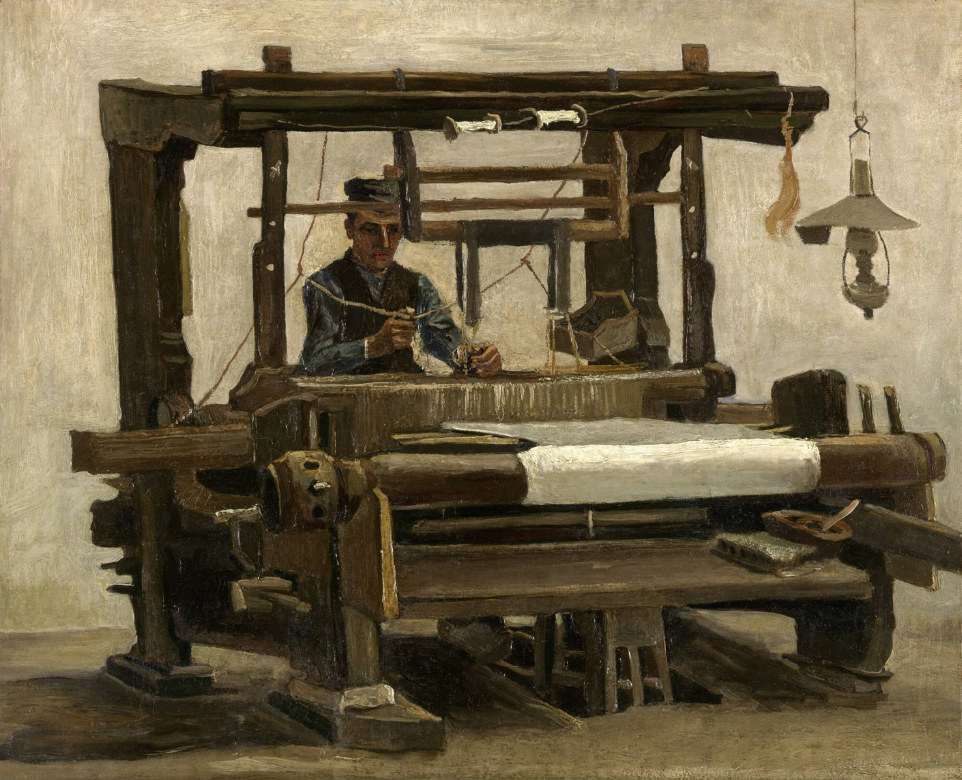
In Nuenen in 1884, Van Gogh painted weavers amid the loom’s frame, their hands still at work.
- Synaesthetic Precision
- The Colour Experimenter
The Potato Eaters
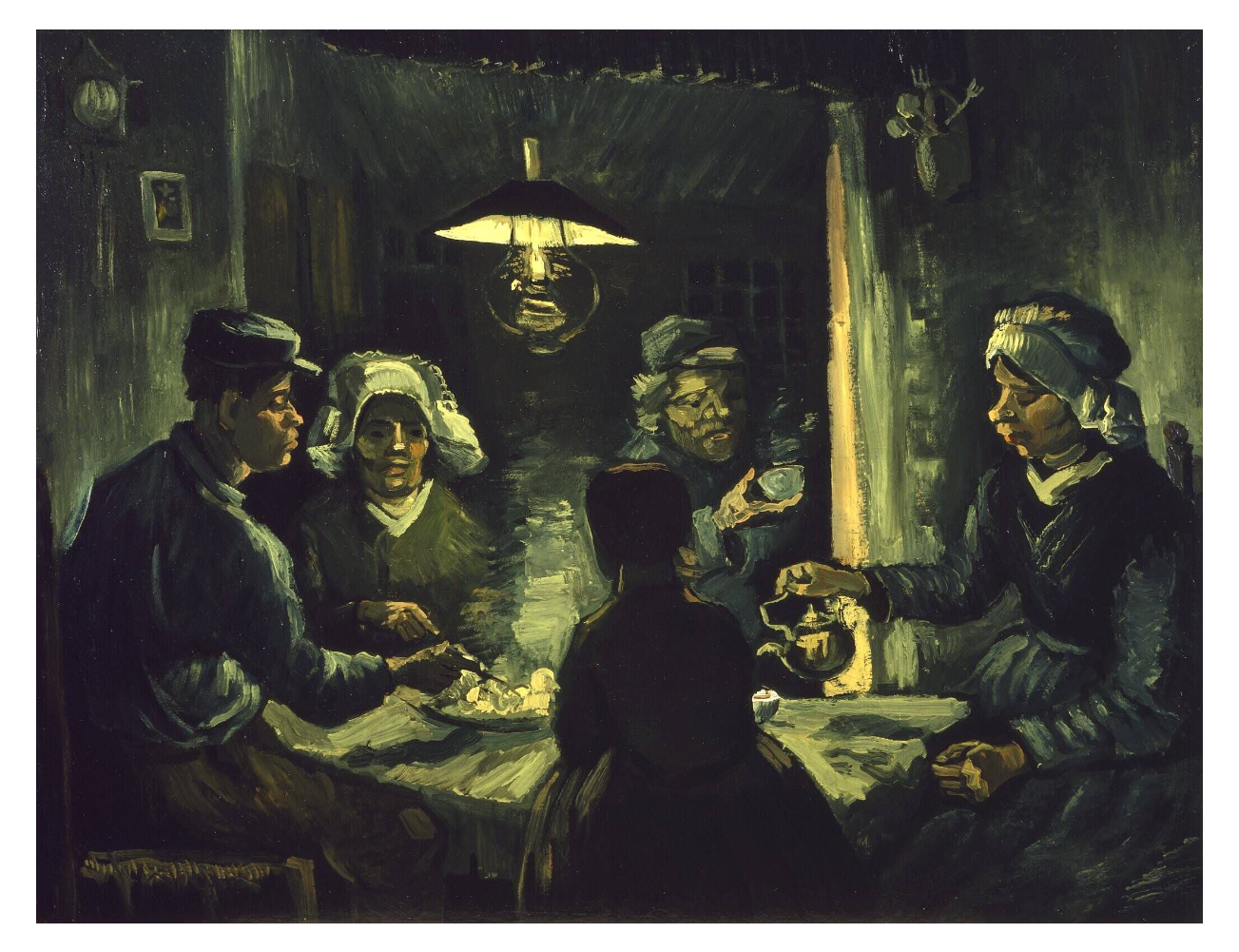
In Nuenen in 1885, Van Gogh moved from figure studies and a lithograph to The Potato Eaters in oil, describing the hands at the table as working hands.
- The Ferocious Reader
- The Colour Experimenter
Still Life with Bible
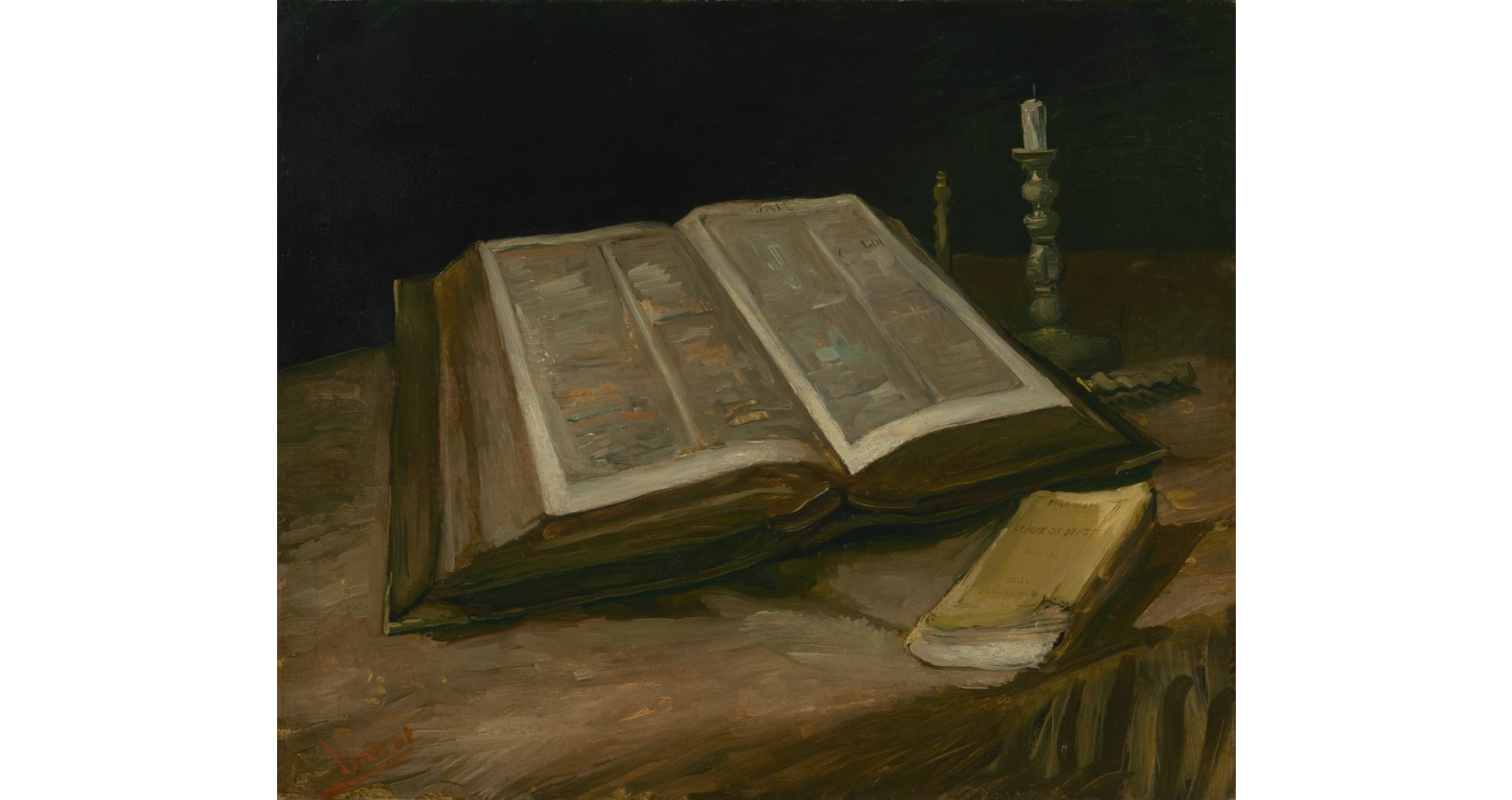
No surviving letter explains why the two books are set side by side.
- The Ferocious Reader
- The Colour Experimenter
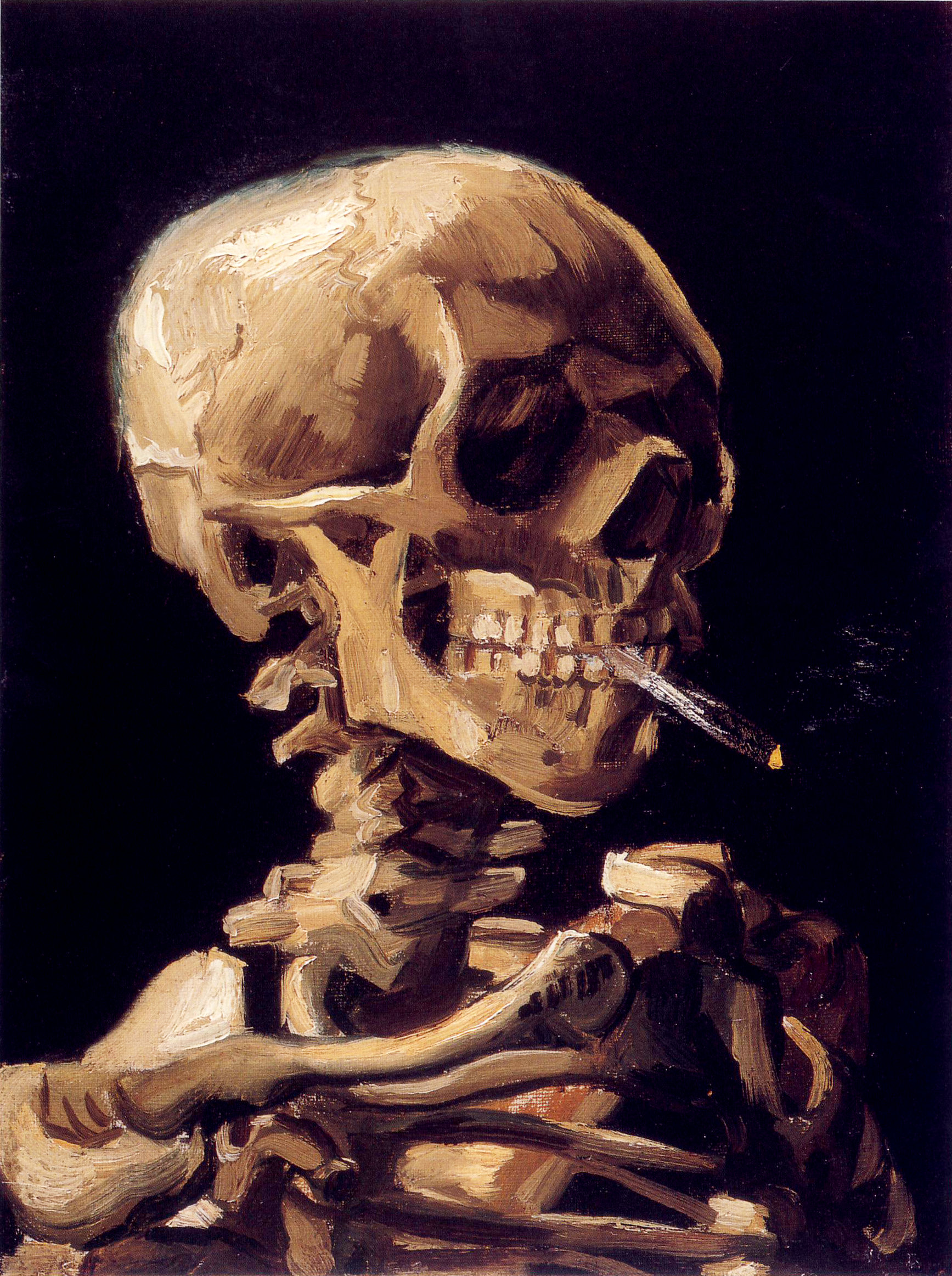
Antwerp Academy
In Antwerp in 1886, Van Gogh studied figures at the Academy by day and kept practising at night; he observed the classroom closely while holding to his own judgments about volume and colour.
- The Colour Experimenter
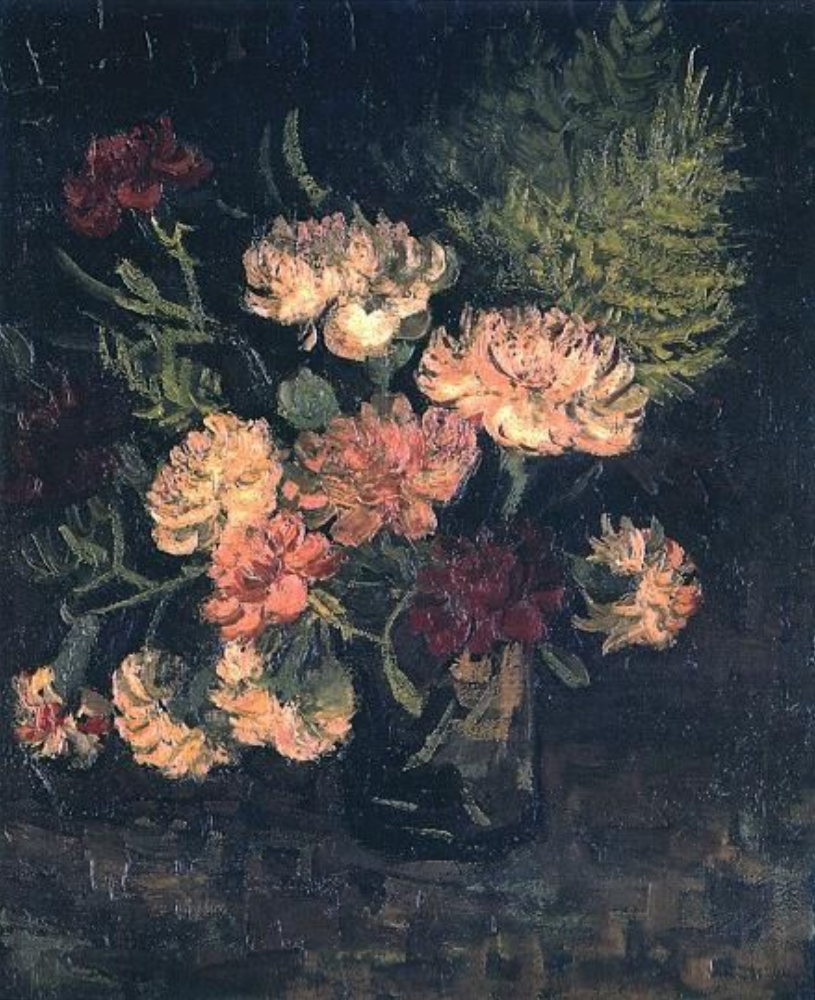
The Paris Flower Studies
In Paris he used flowers to learn colour. The letters became sparse during those two years, but the paintings left a record in place of the silence.
- The Colour Experimenter
- The Translator
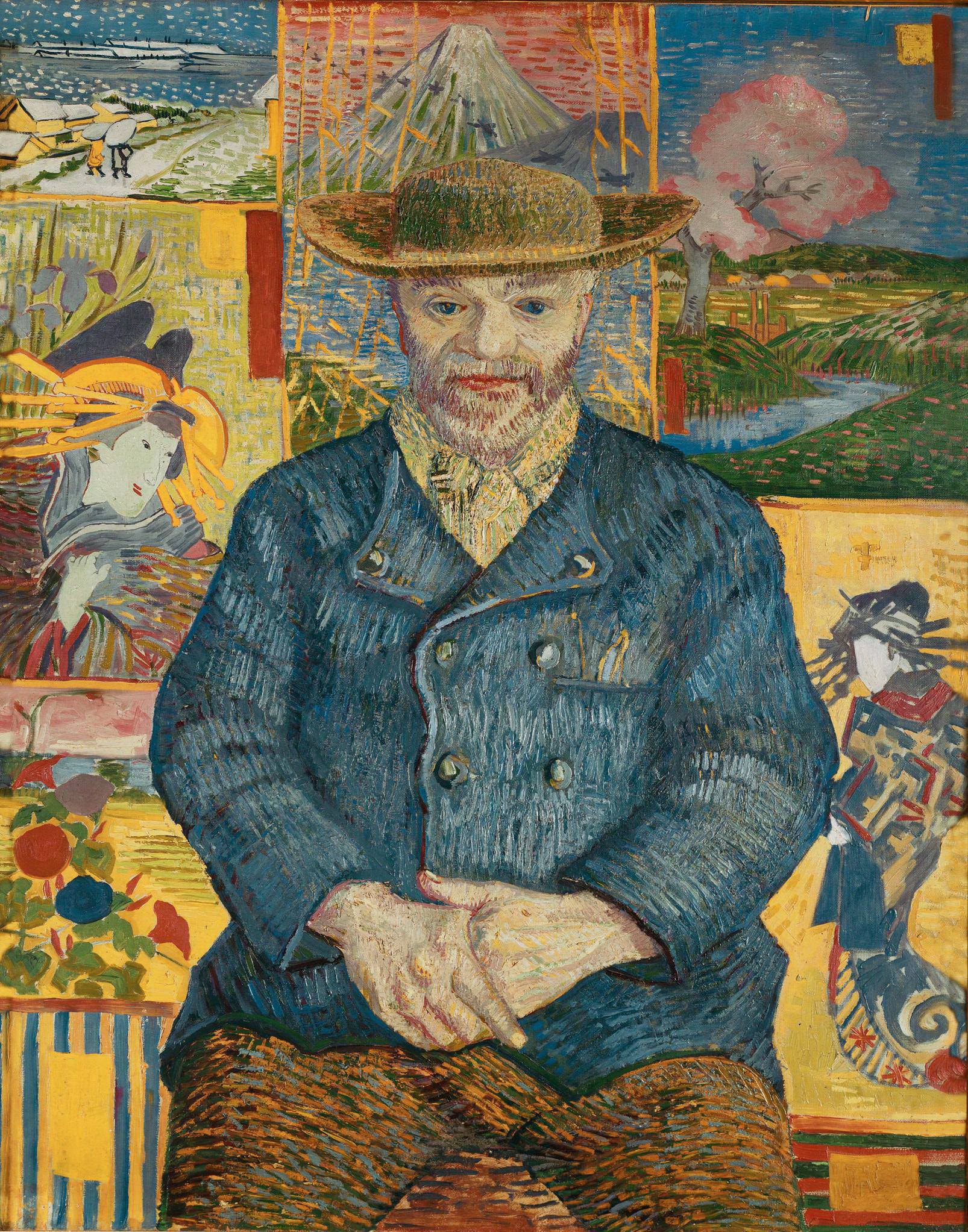
Pere Tanguy
Those who helped the painters usually vanish, afterward, into the backgrounds of the pictures.
- The Translator
- The Colour Experimenter
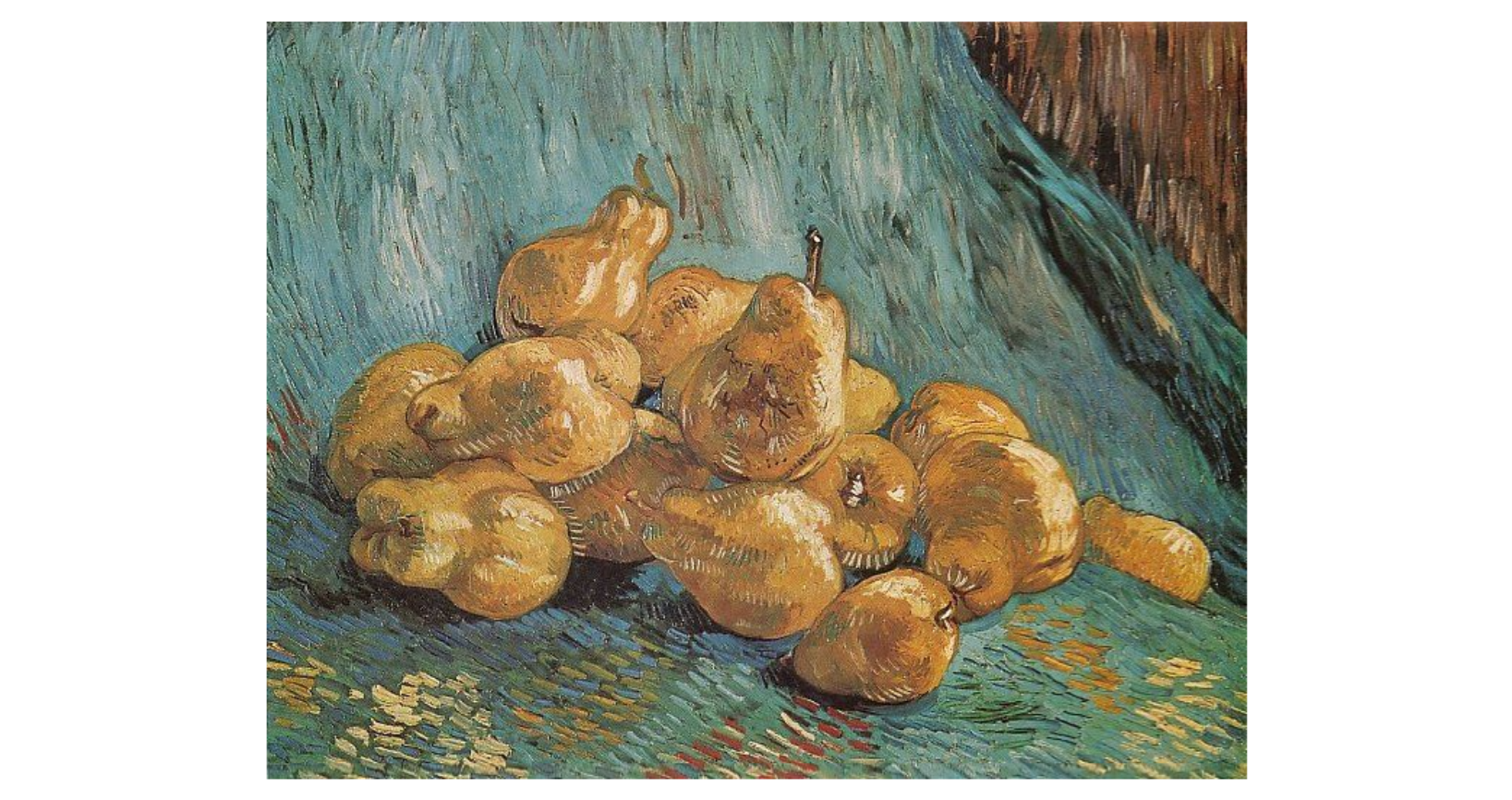
Still Life with Quinces and Lemons
For him colour was not a feeling but a working hypothesis. He needed a place to test it.
- The Colour Experimenter
- Synaesthetic Precision
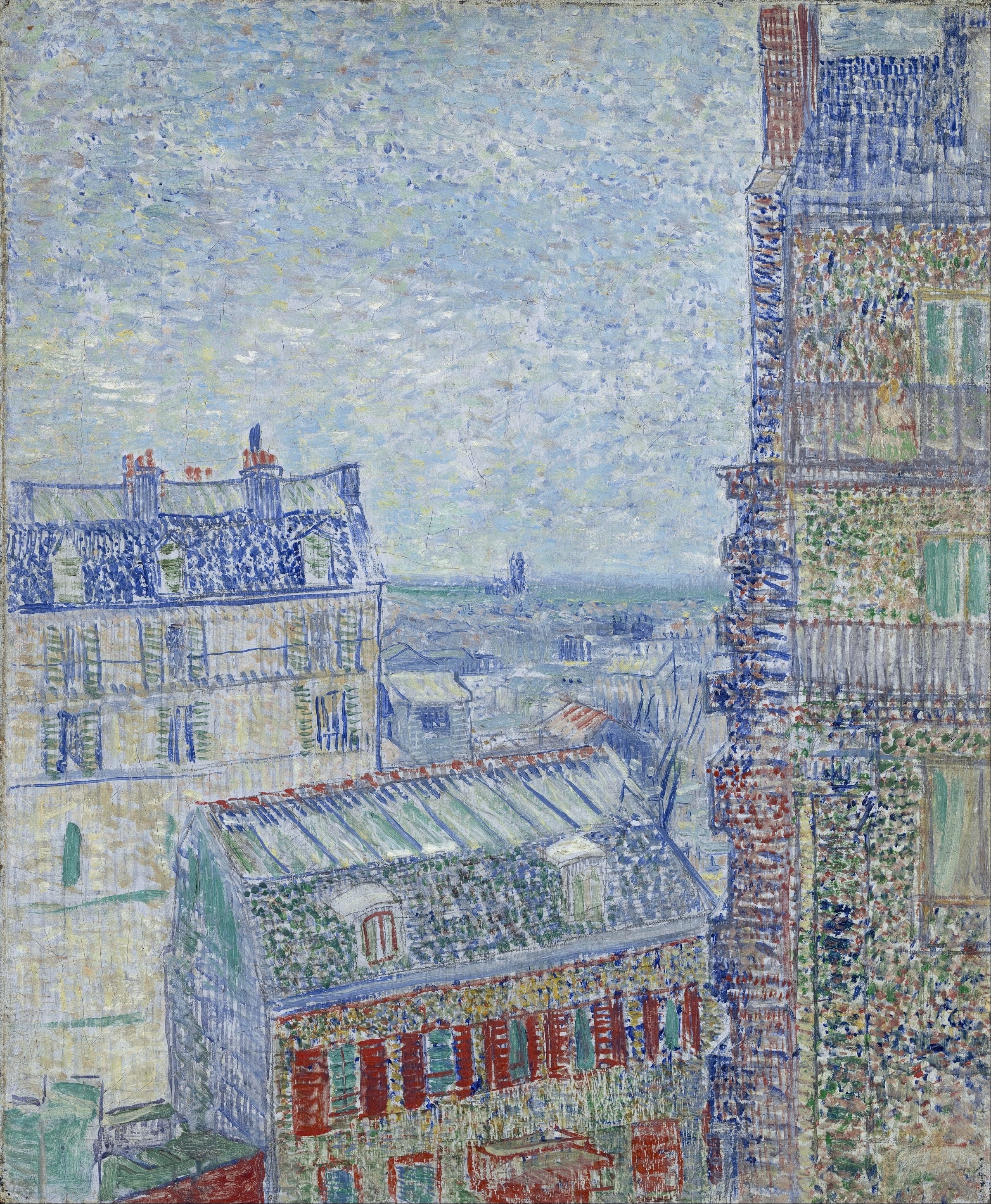
View from Theo's Apartment
For two years they lived together. The letters became fewer, but the colours outside the window left a little edge evidence of that shared life.
- The Colour Experimenter
- Synaesthetic Precision
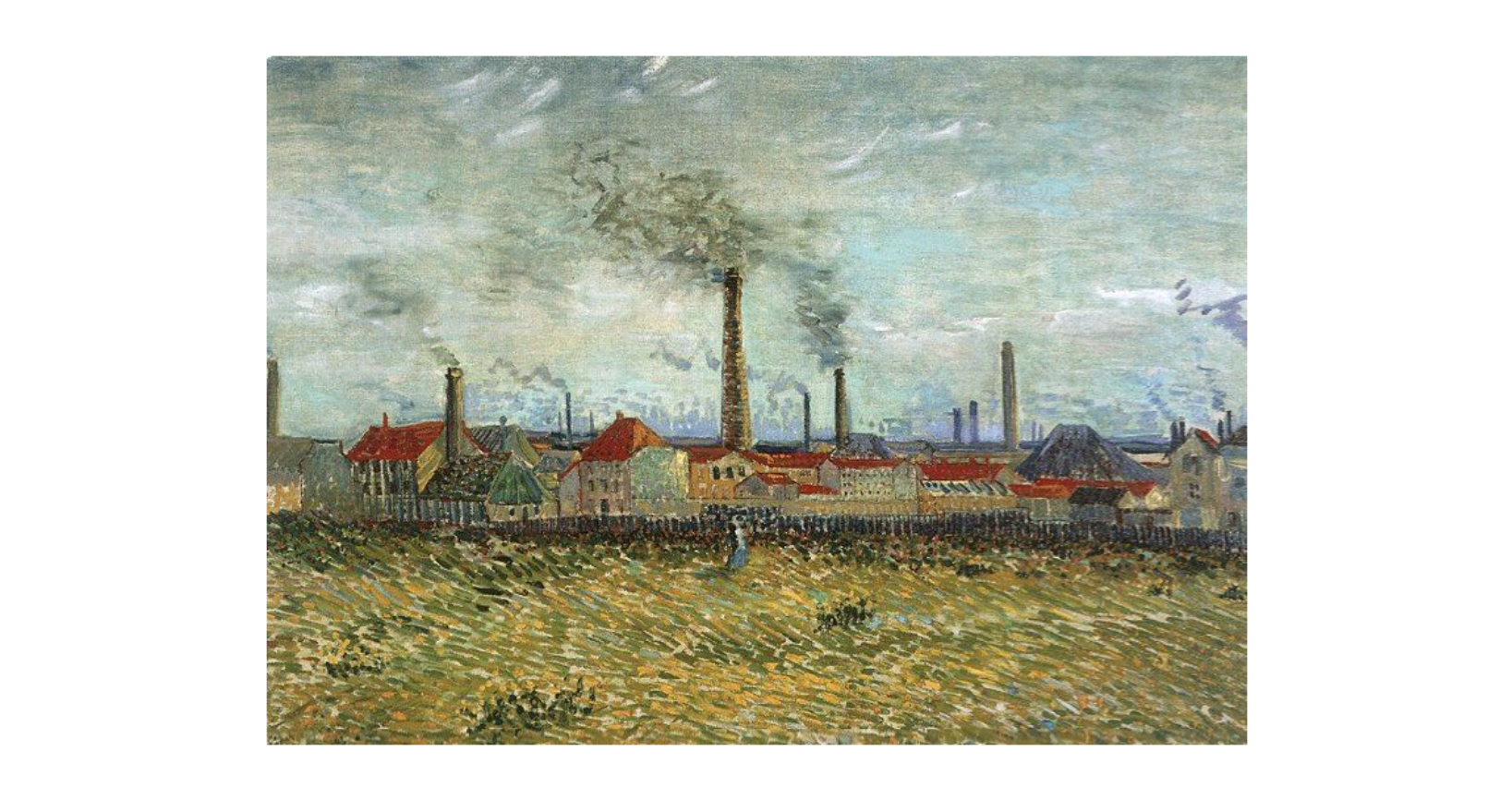
Asnières landscape series
Here he learned to let light scatter — and then he set out to find a stronger light.
- The Colour Experimenter
- The Translator
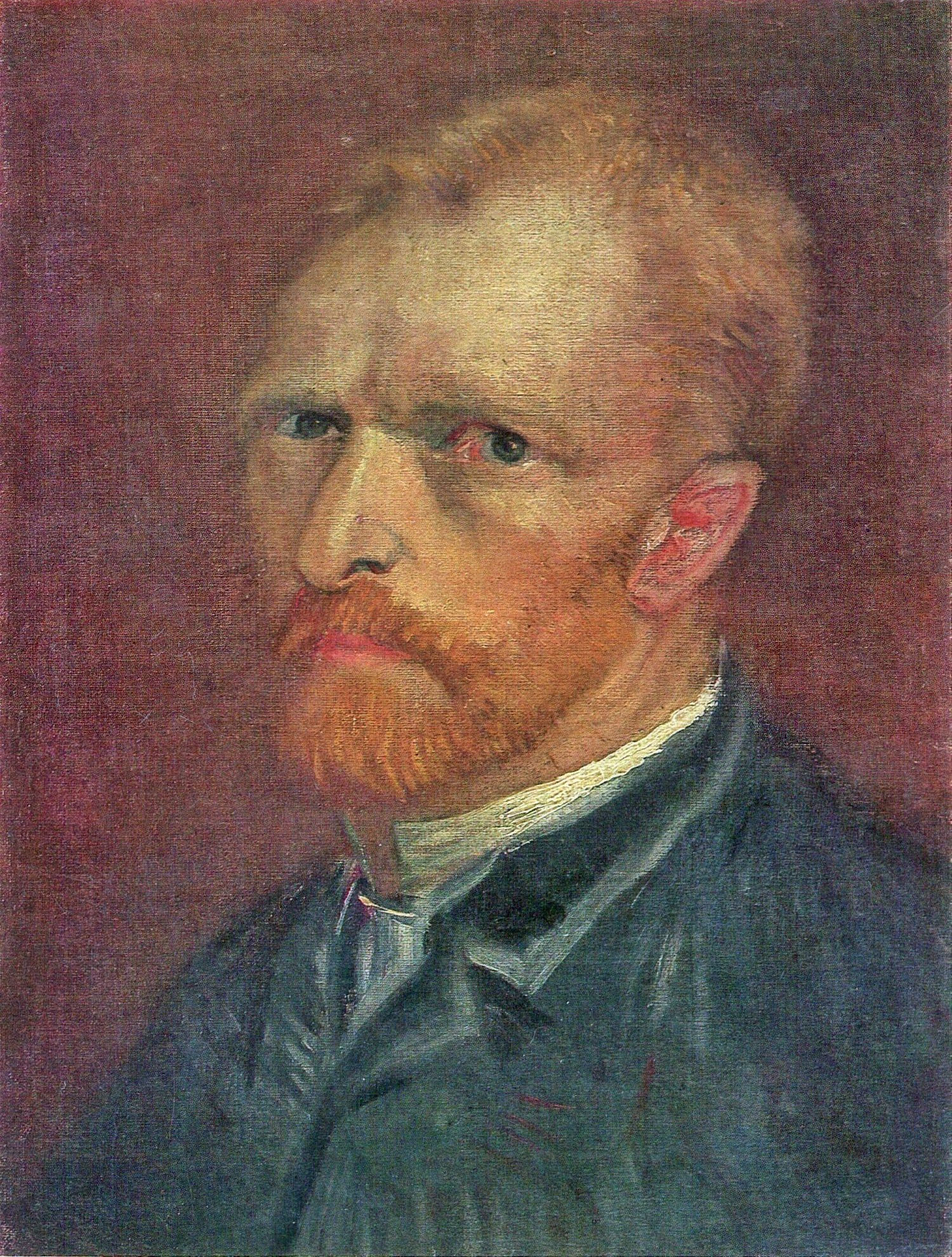
The Self-Portraits
Van Gogh's self-portraits from Paris, Arles and Saint-Rémy place the same face amid changing colour and brushwork.
- The Colour Experimenter
- The Translator
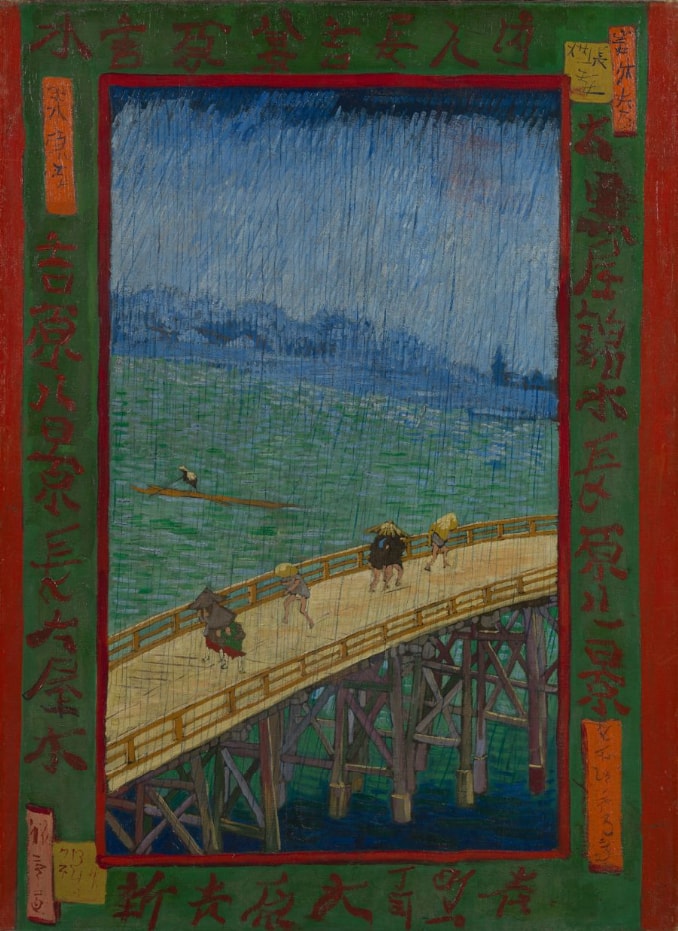
Japanese Print Translations
He went to Arles not to arrive in Japan, but to look for a place where he could paint out the method of Japanese prints.
- The Translator
- The Copyist
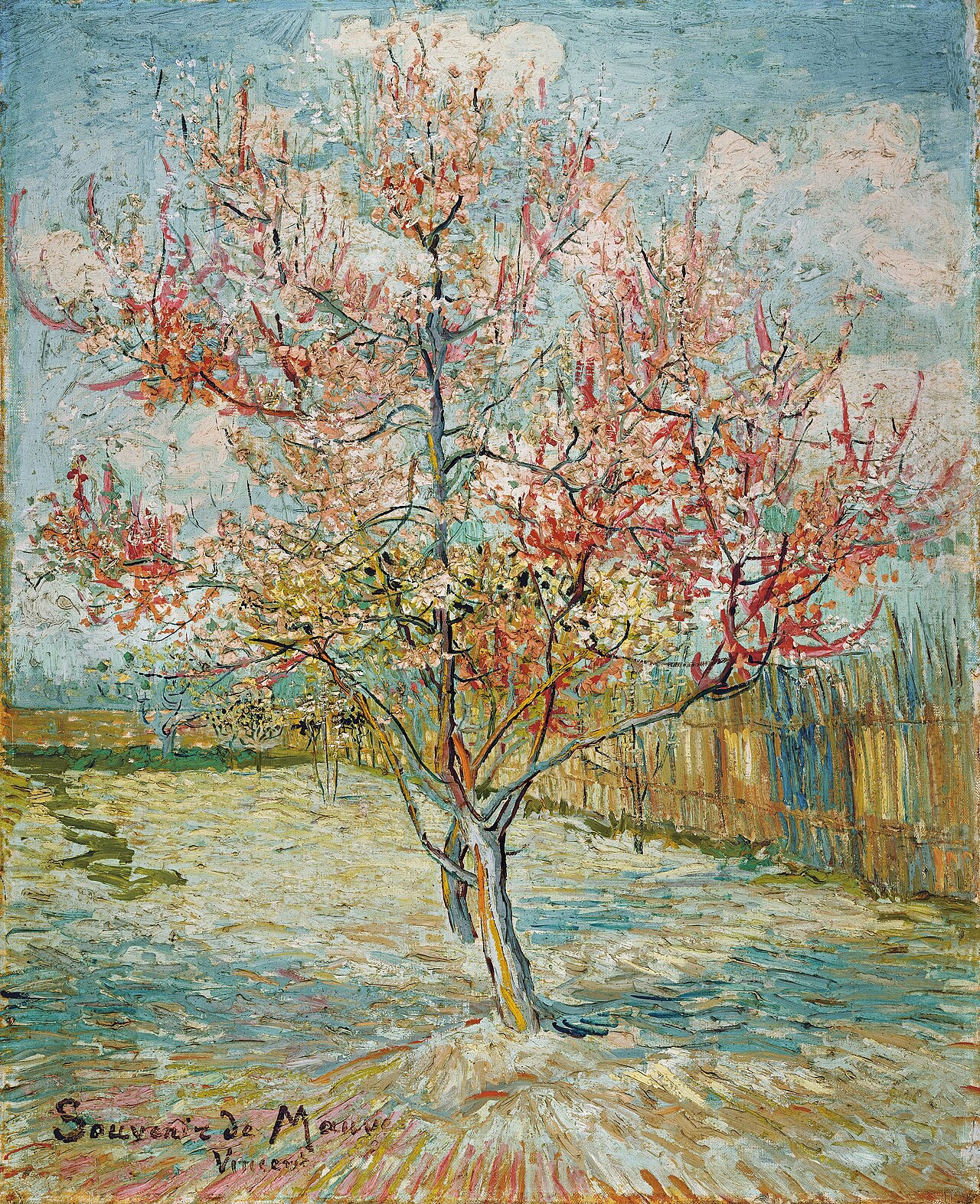
Orchards in Bloom
At the best of his time in Arles he felt it himself — but he did not know what to call it.
- The Translator
- The Colour Experimenter
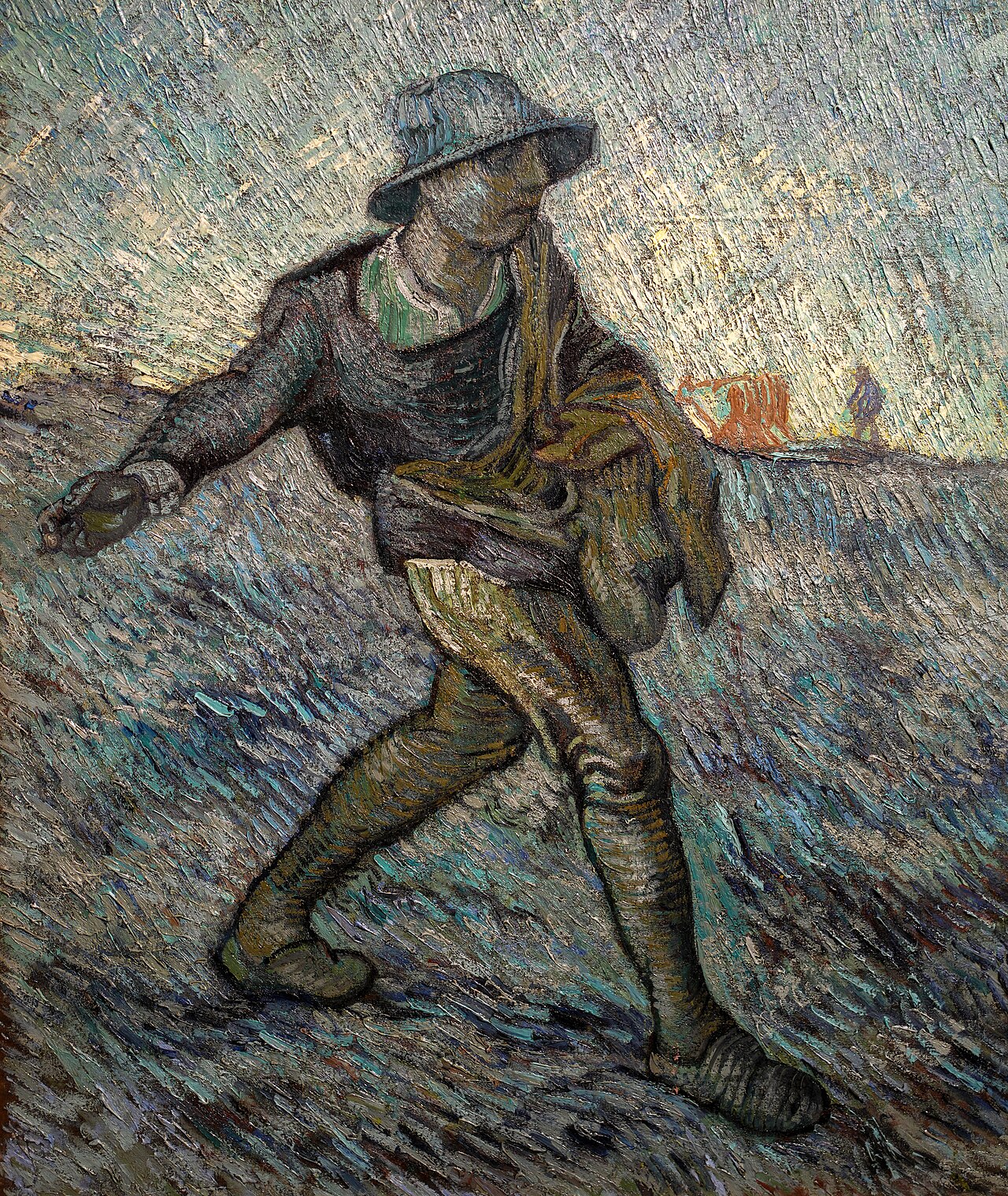
The Sower Motif
The sower returned across the years, but never as a single unchanged image.
- The Copyist
- The Colour Experimenter
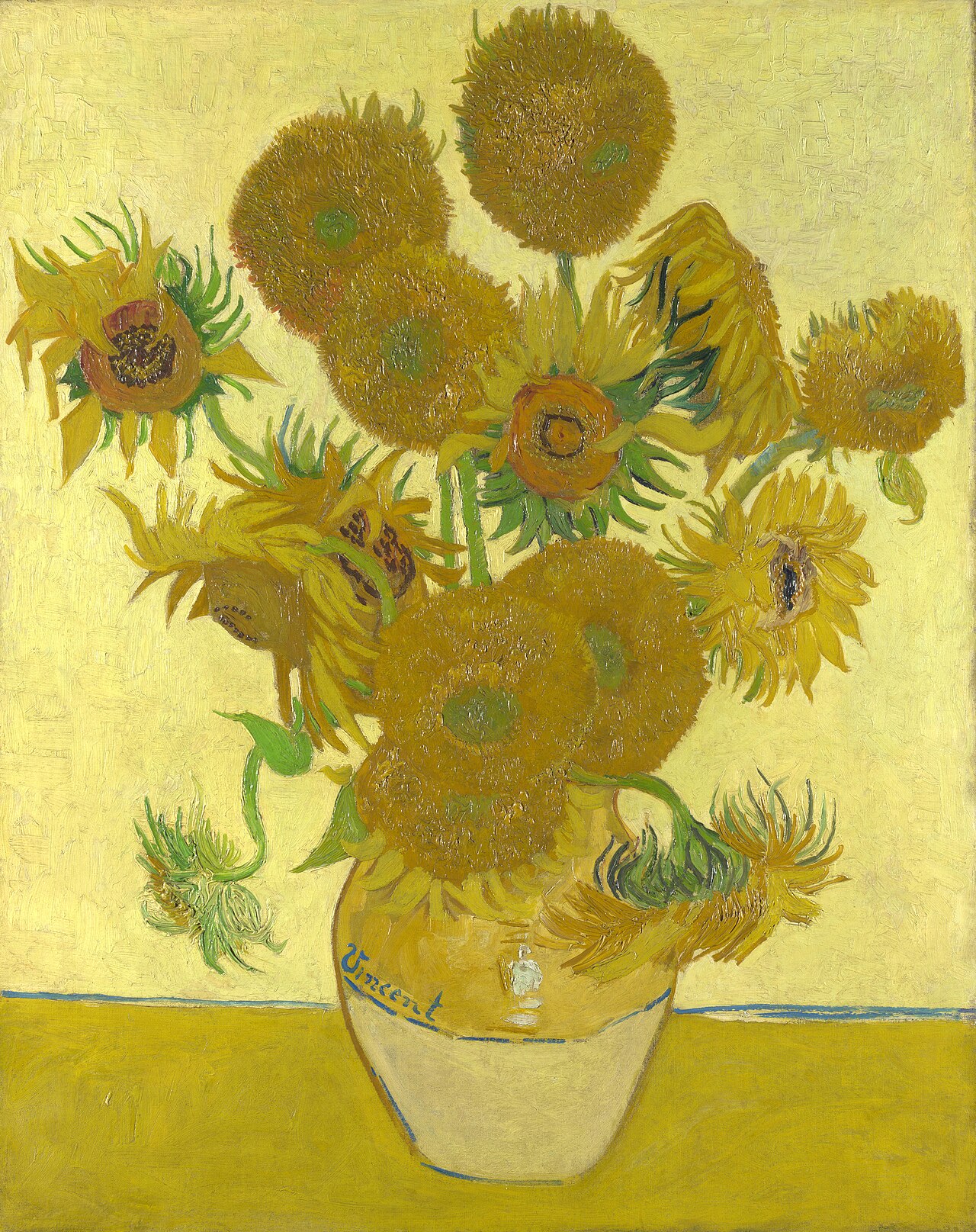
The Sunflower Decoration
He painted the welcome ahead of time, and then waited for it to be seen.
- The Colour Experimenter
- The Ferocious Reader
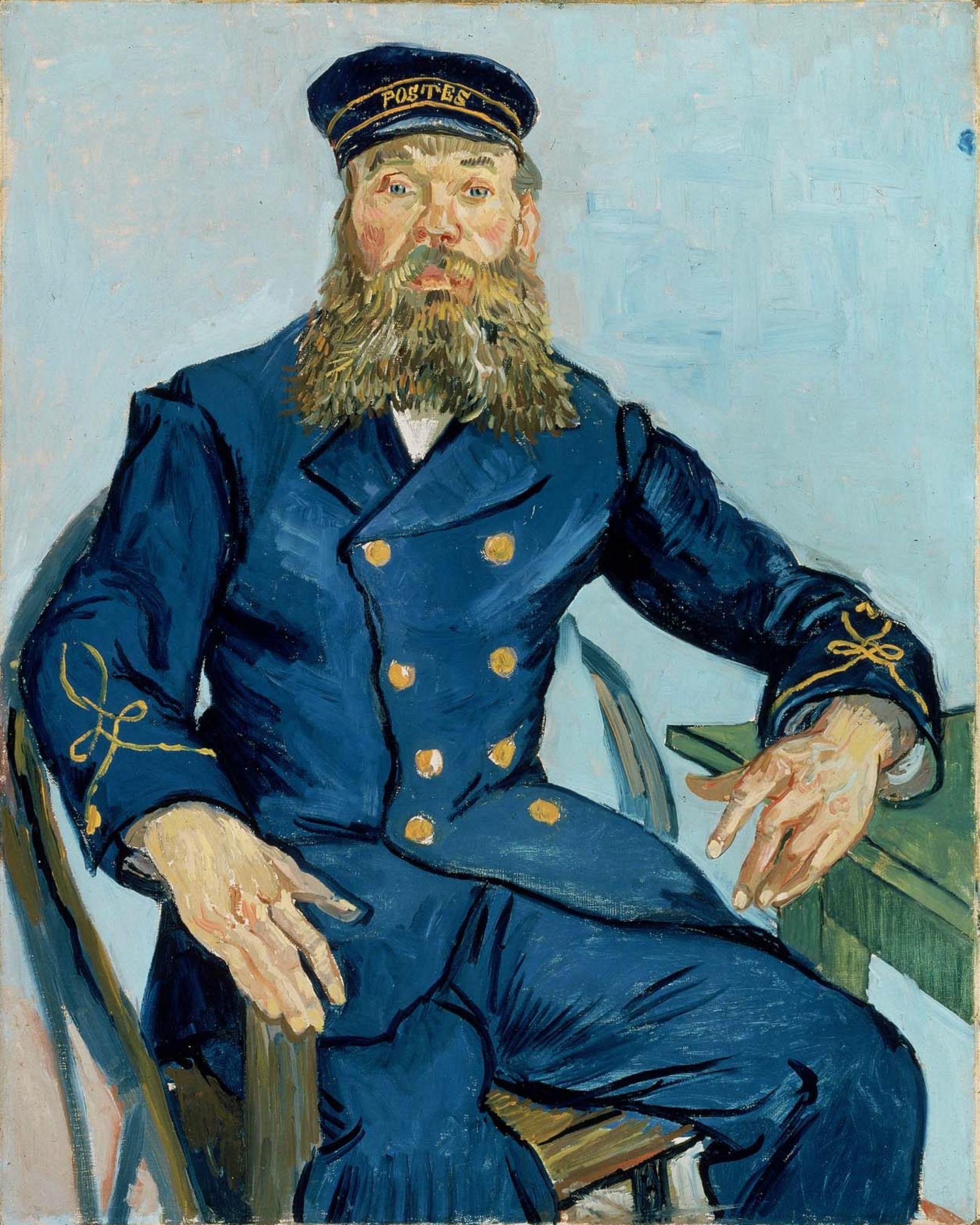
The Roulin Family
He was not painting himself an imagined family — he was painting, for the few who really stayed, a kind of portrait that could let a relationship remain.
- The Colour Experimenter
- The Copyist
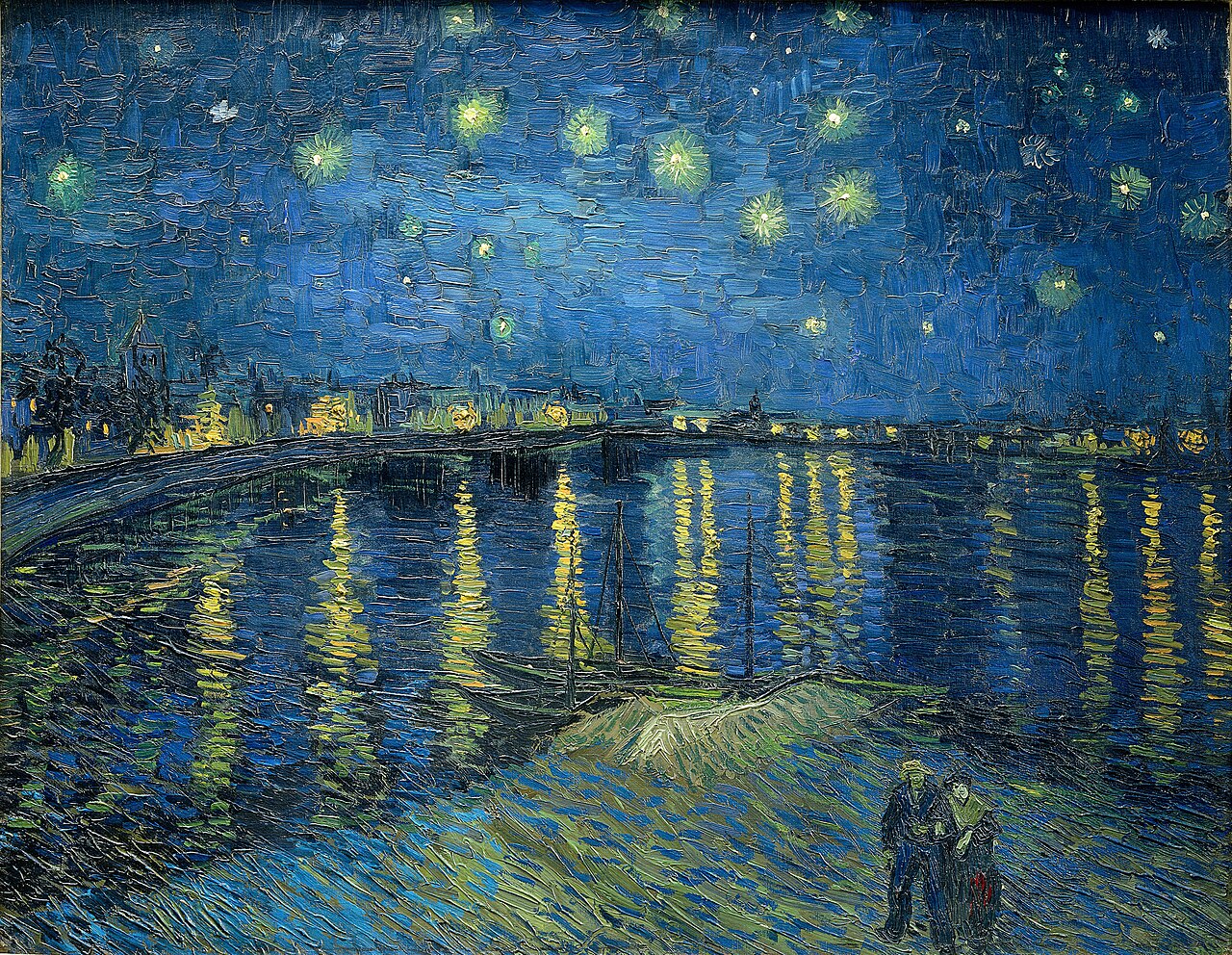
Starry Night over the Rhône
In Arles in 1888, Van Gogh painted the starry sky over the Rhône at night and described its colours in a letter.
- The Colour Experimenter
- Synaesthetic Precision
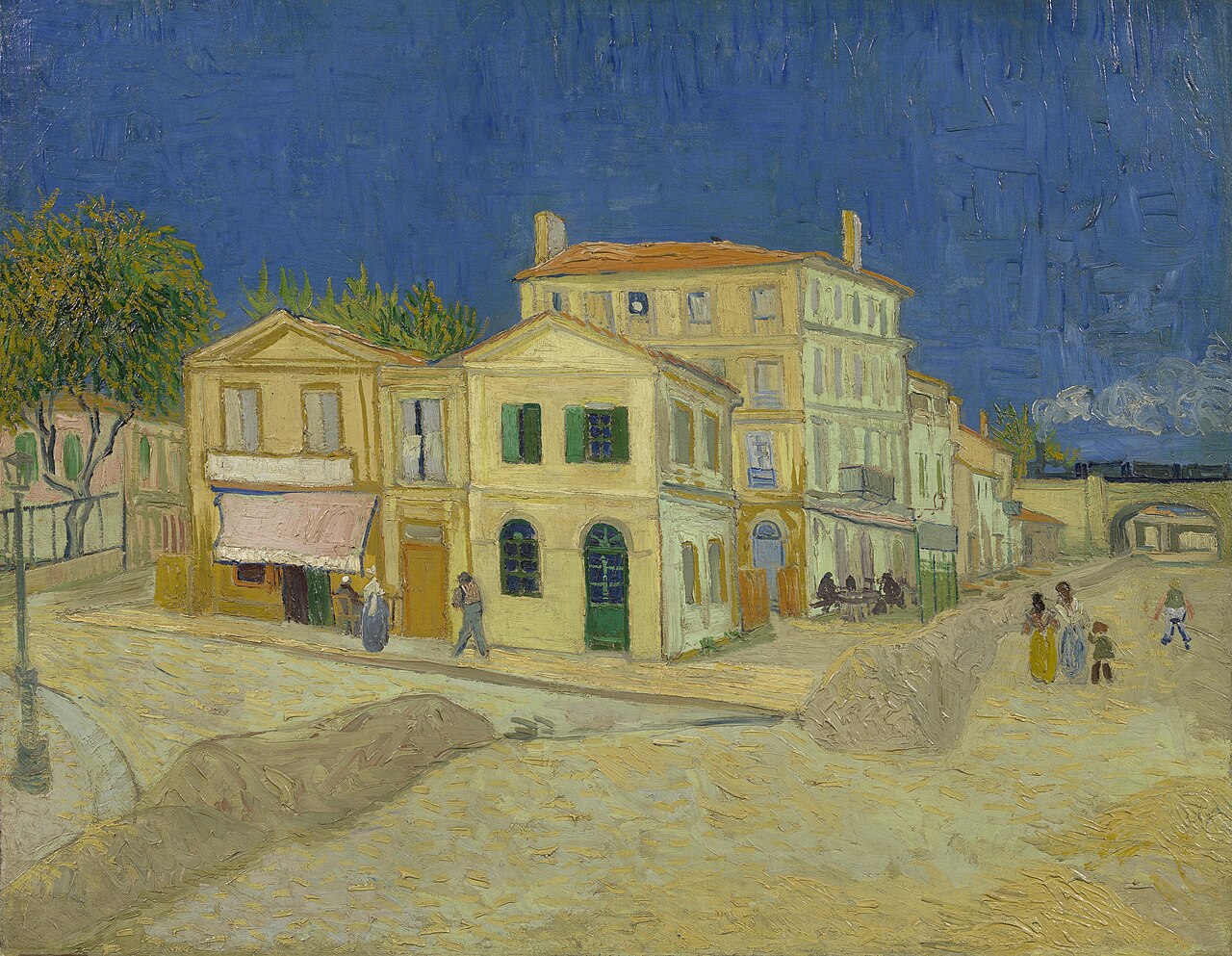
The Yellow House
The imagination he spent on the Yellow House lasted far longer than the house itself.
- The Colour Experimenter
- Synaesthetic Precision
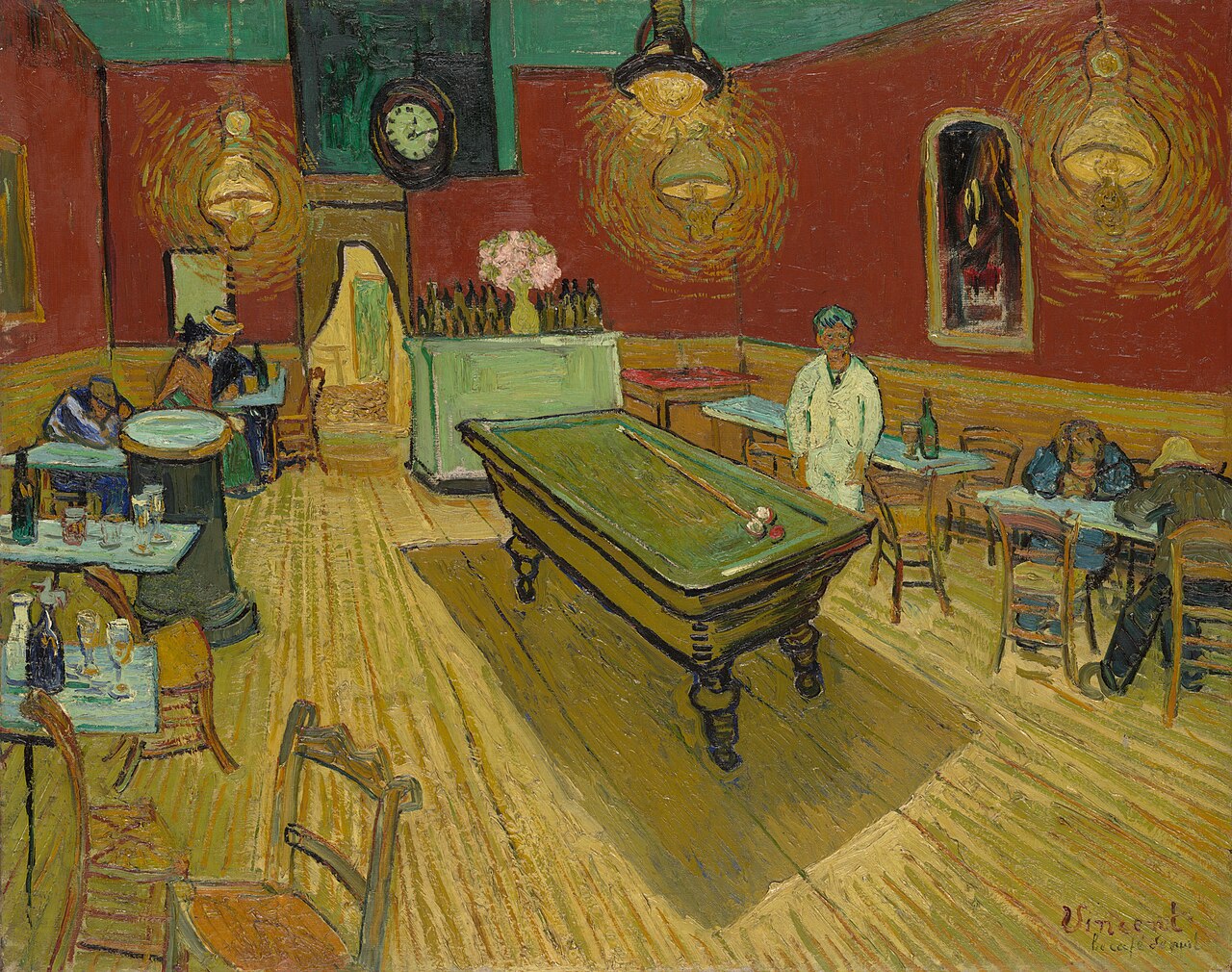
The Night Café
In Arles in 1888, Van Gogh painted the Night Café interior in red and green, then a café terrace under the stars.
- Synaesthetic Precision
- The Colour Experimenter
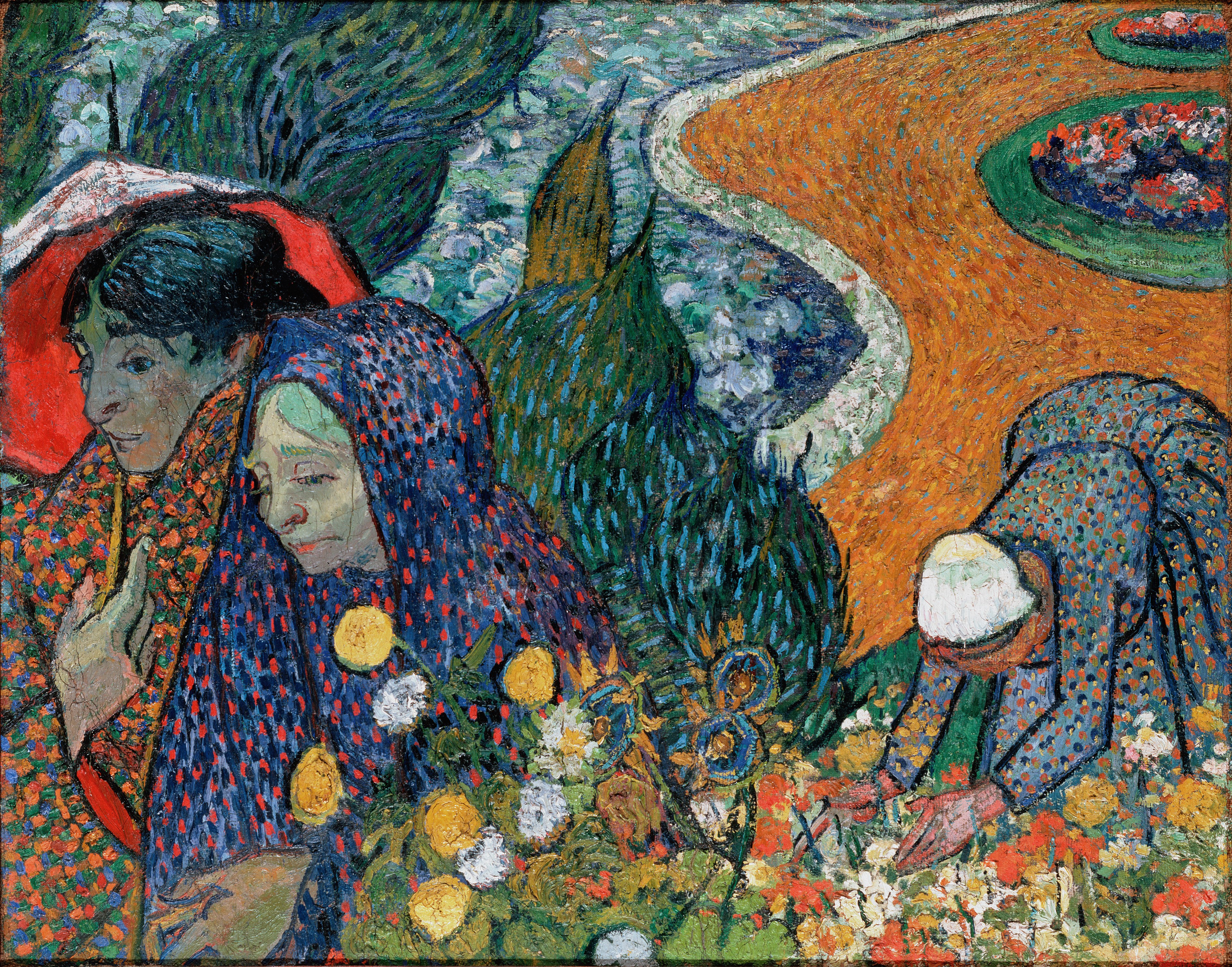
Gauguin Arrives
In late October 1888, Gauguin came to Arles. He and Van Gogh worked together in the Yellow House while each pursued his own subjects.
- The Colour Experimenter
- The Ferocious Reader
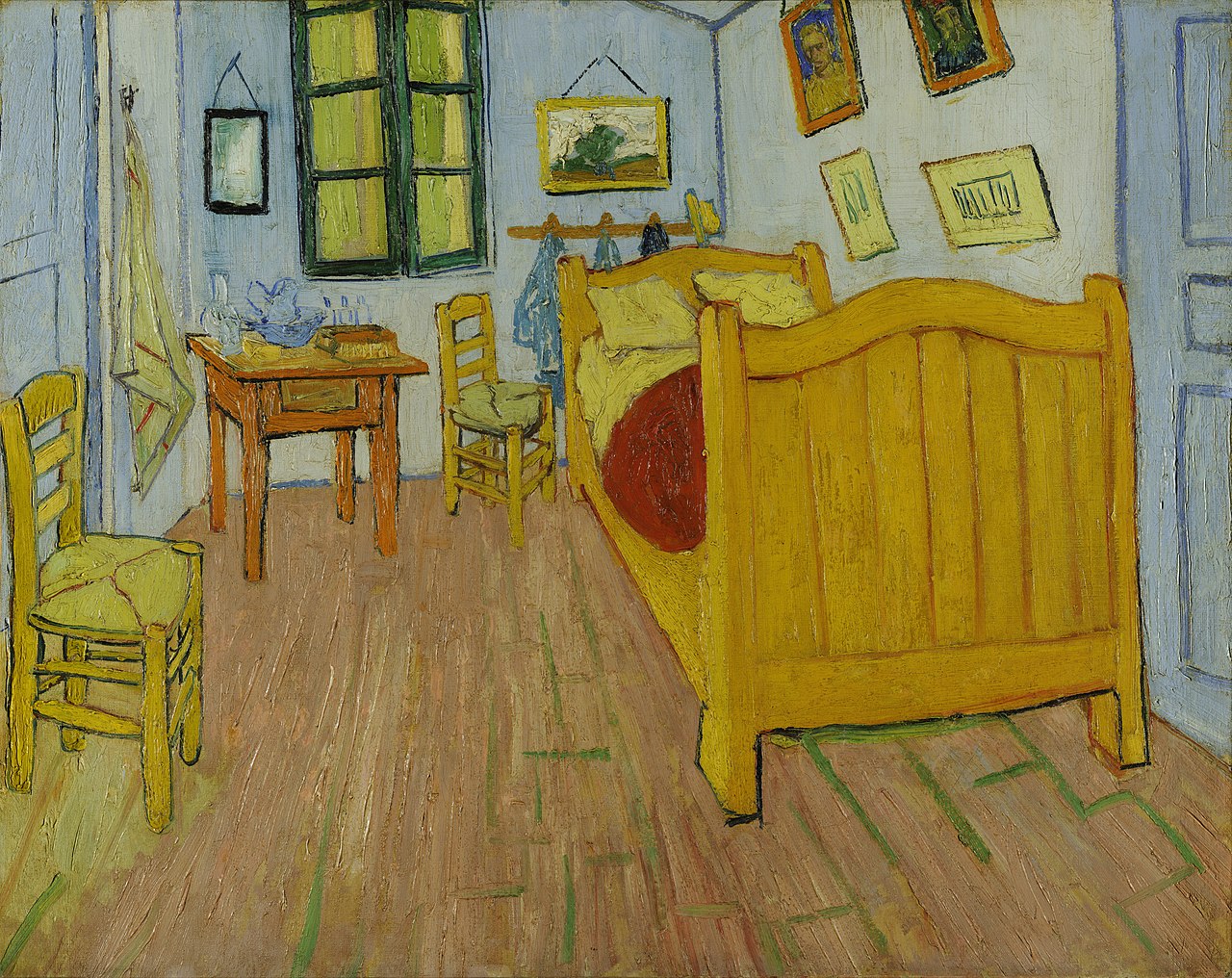
The Bedroom
He painted the same room three times: once living inside it, twice already gone.
- The Colour Experimenter
- Synaesthetic Precision
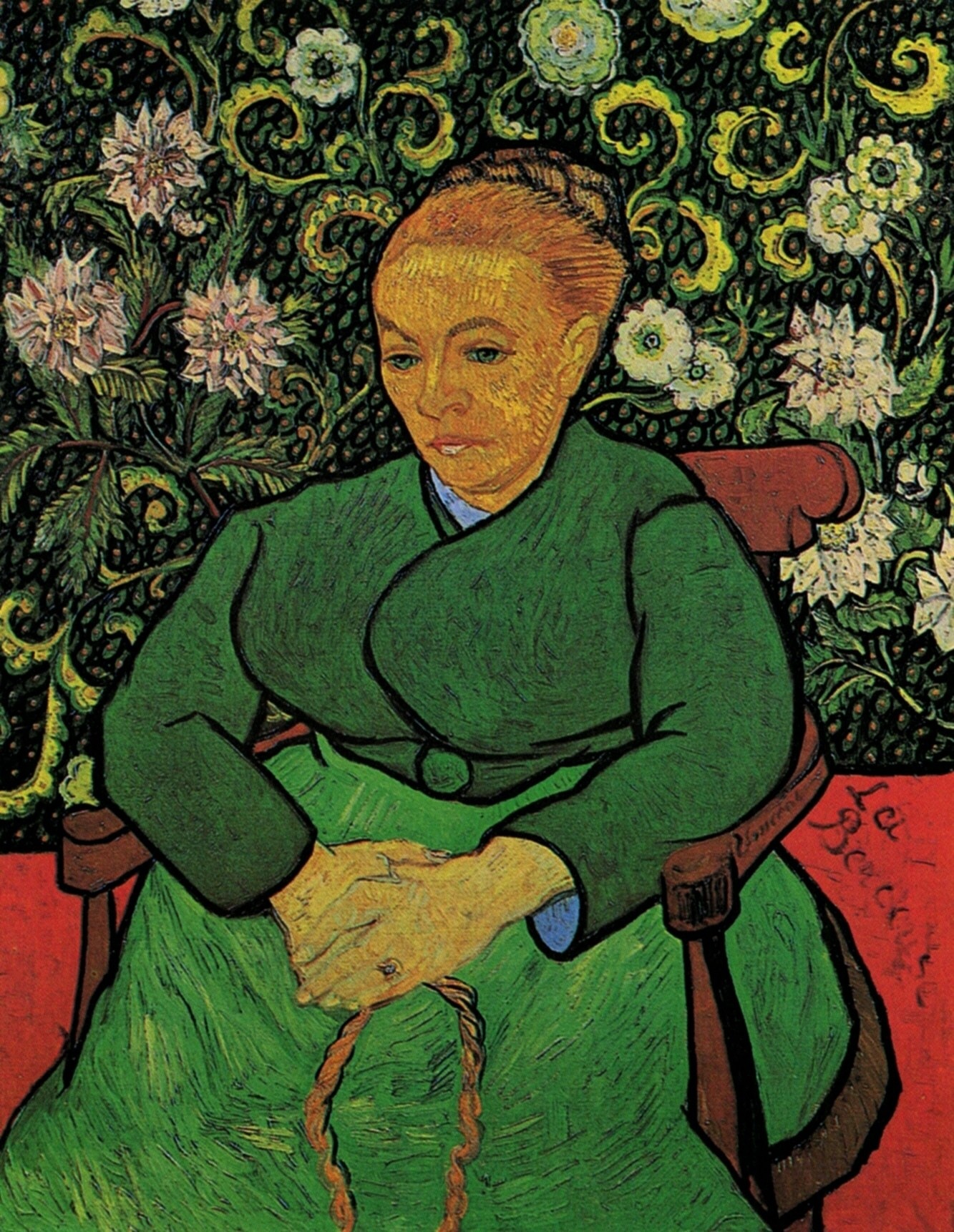
La Berceuse
He kept designing what others would feel on seeing his pictures — only the "others" grew harder and harder to have present.
- The Colour Experimenter
- The Copyist
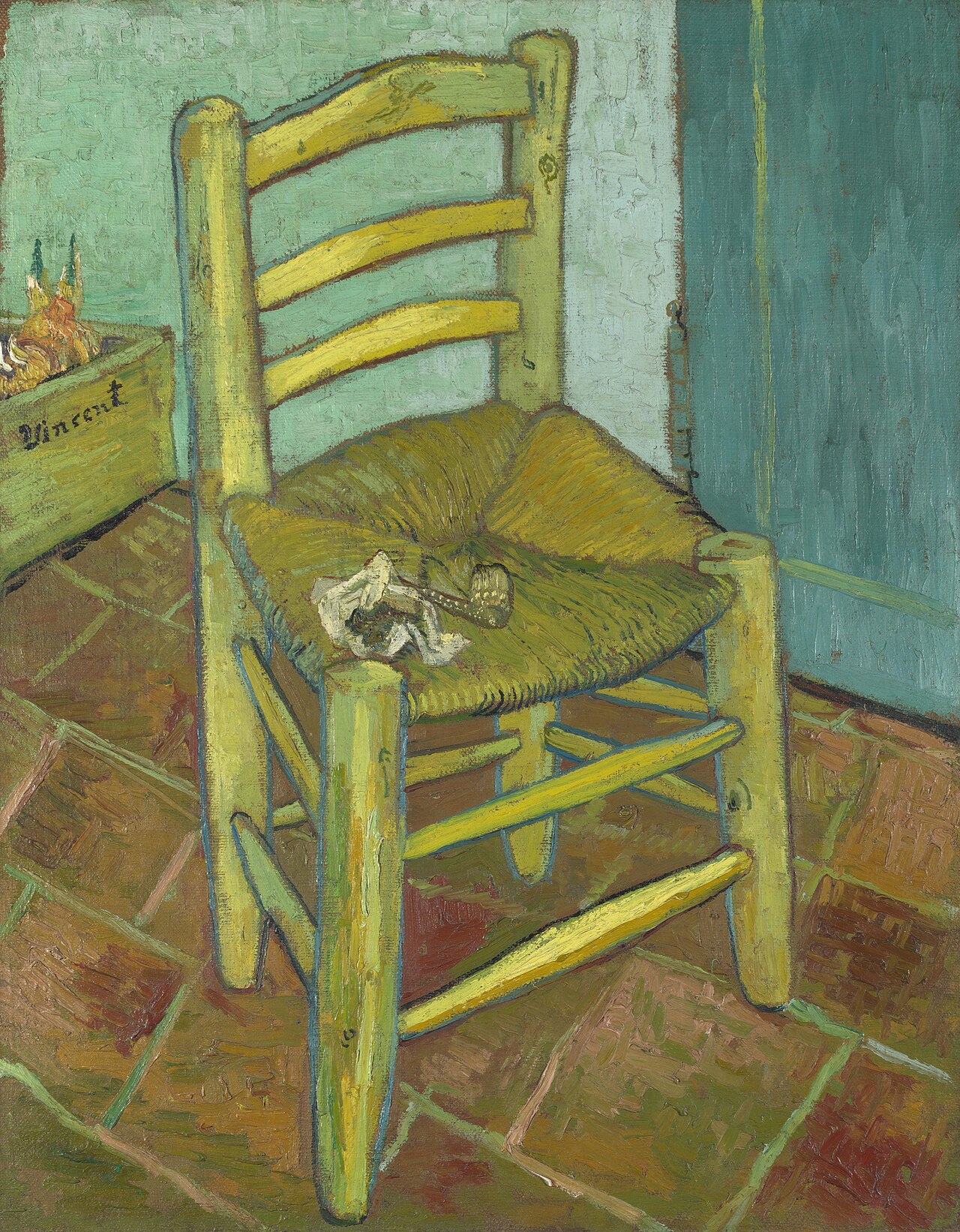
Gauguin Leaves
After that night, the Yellow House's plan for a shared community was over. Soon after leaving the hospital he picked up the brush again.
- Synaesthetic Precision
- The Colour Experimenter
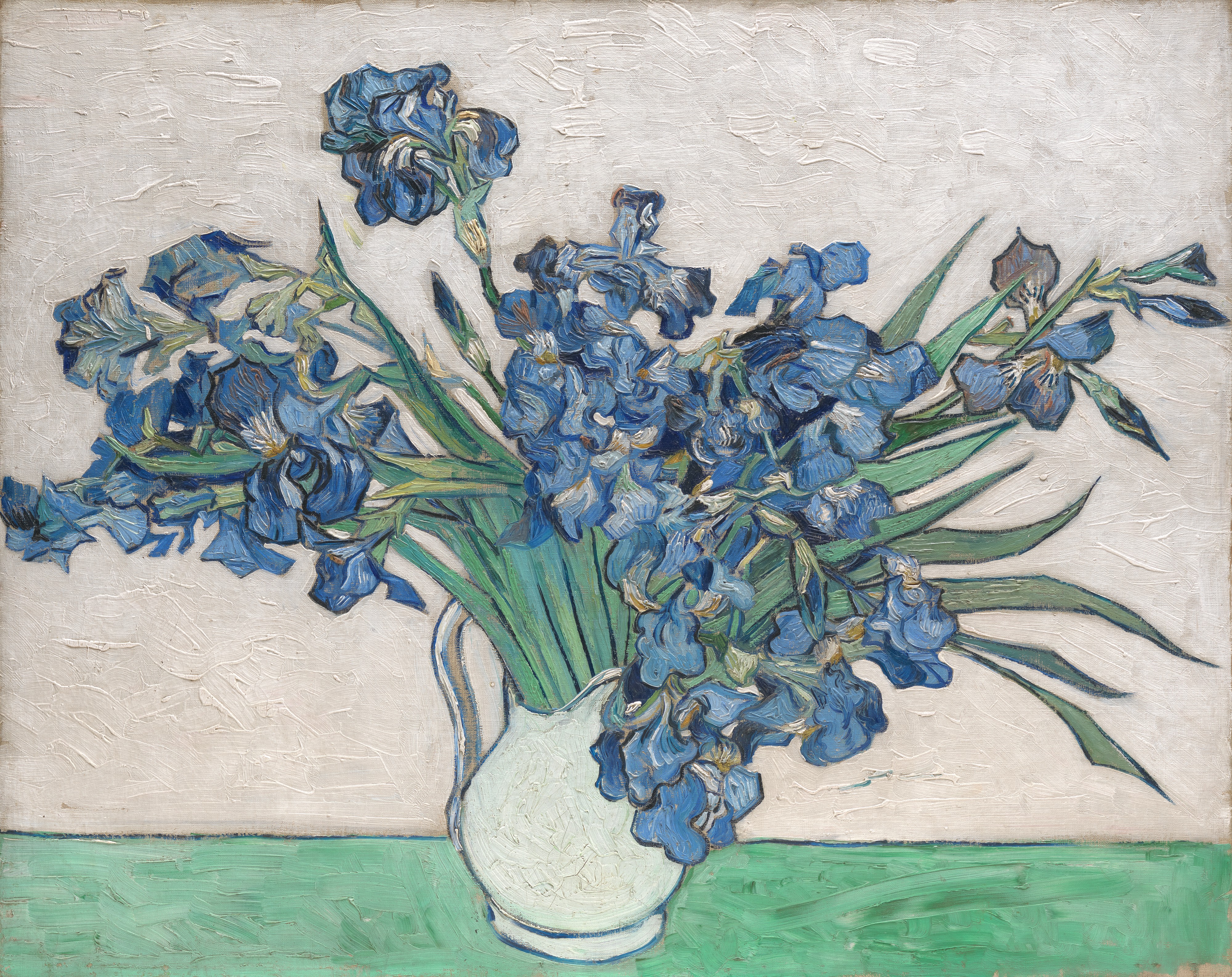
Irises
In his first letter from Saint-Rémy, two garden paintings were already under way.
- The Colour Experimenter
- The Translator
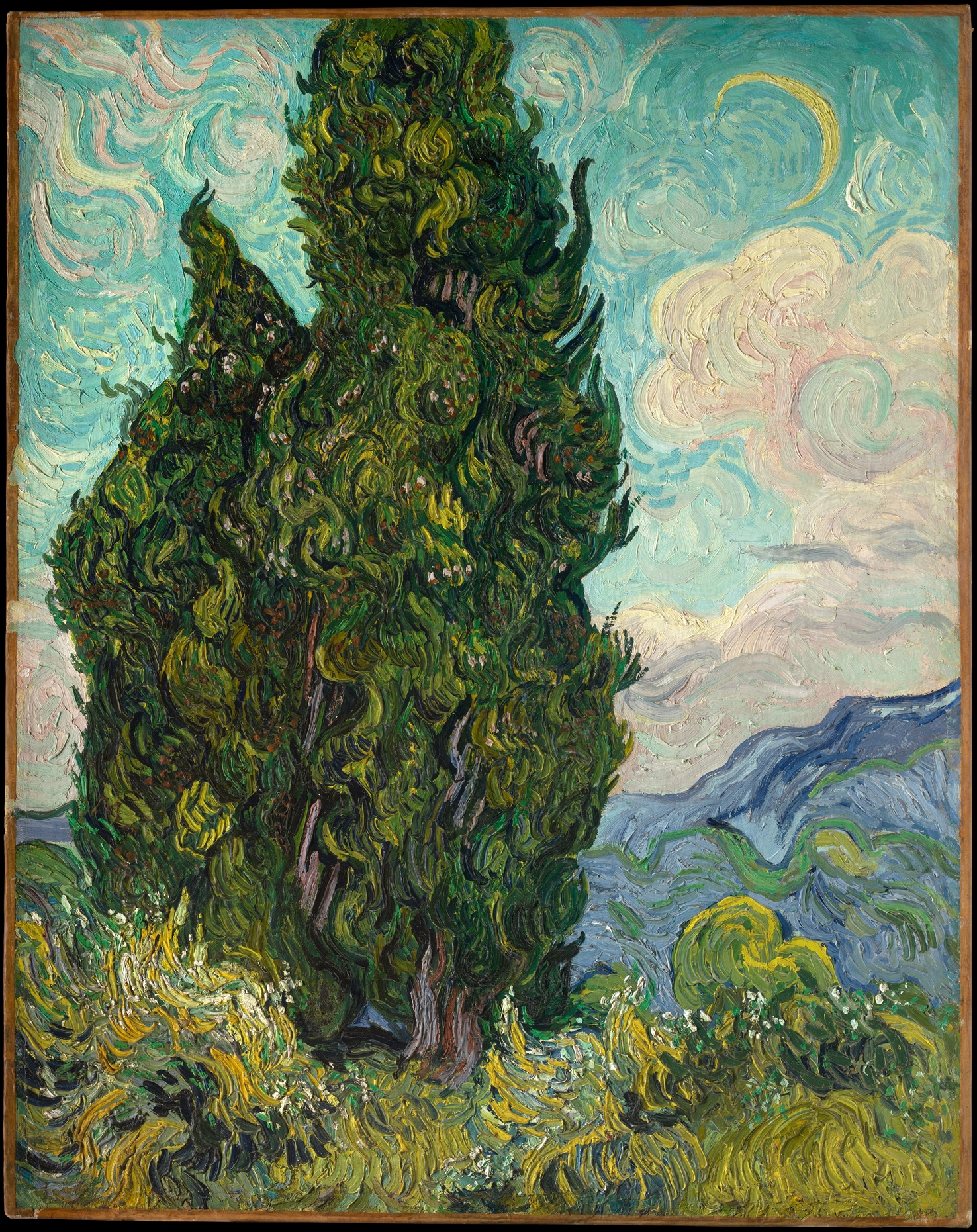
Cypresses
He did not find the tree first in his letters; he caught up to it, in the letters, as he painted.
- Synaesthetic Precision
- The Colour Experimenter
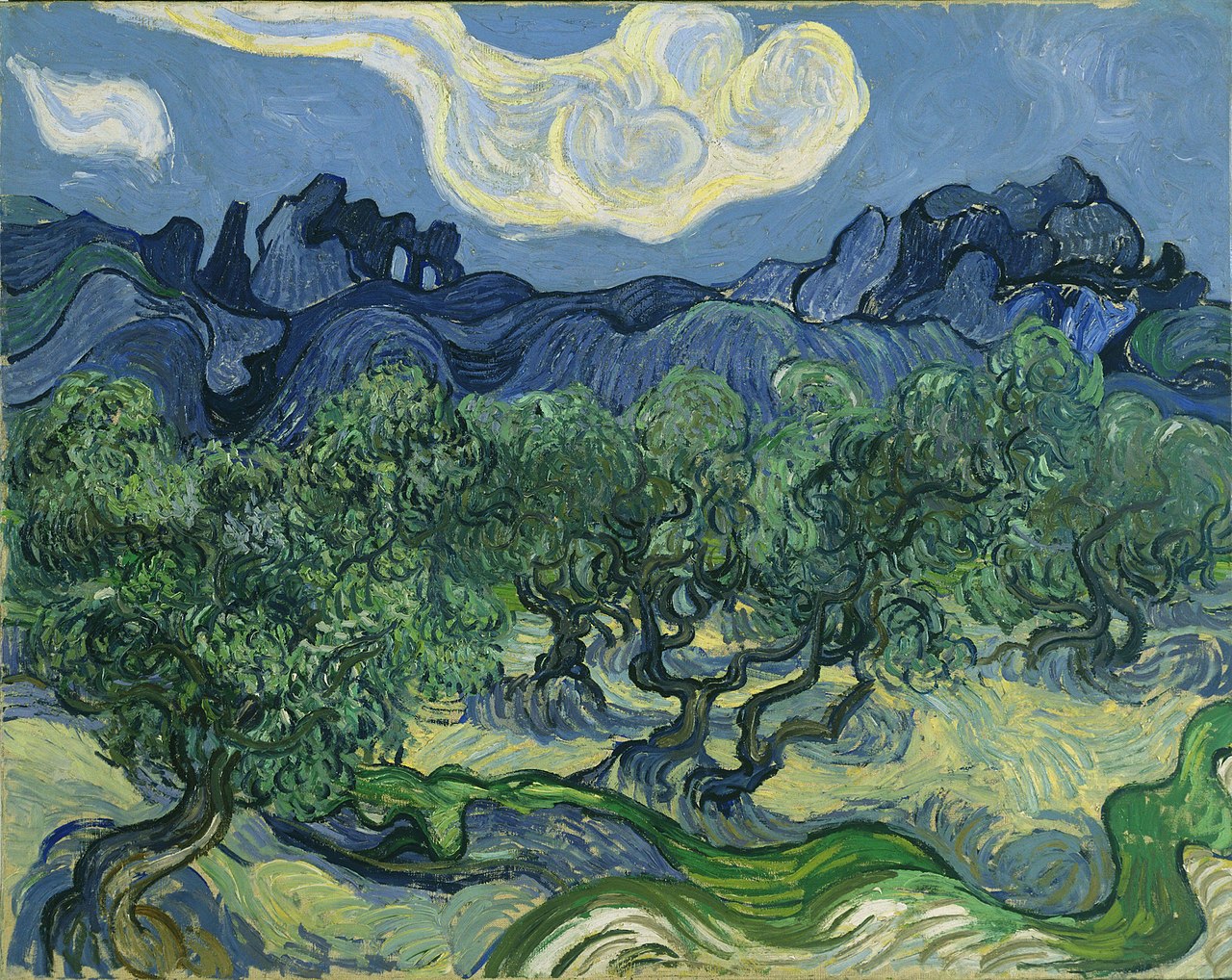
The Olive Groves
Rather than reconstruct a historical Garden of Olives, he returned to the ones in front of him.
- The Colour Experimenter
- Synaesthetic Precision
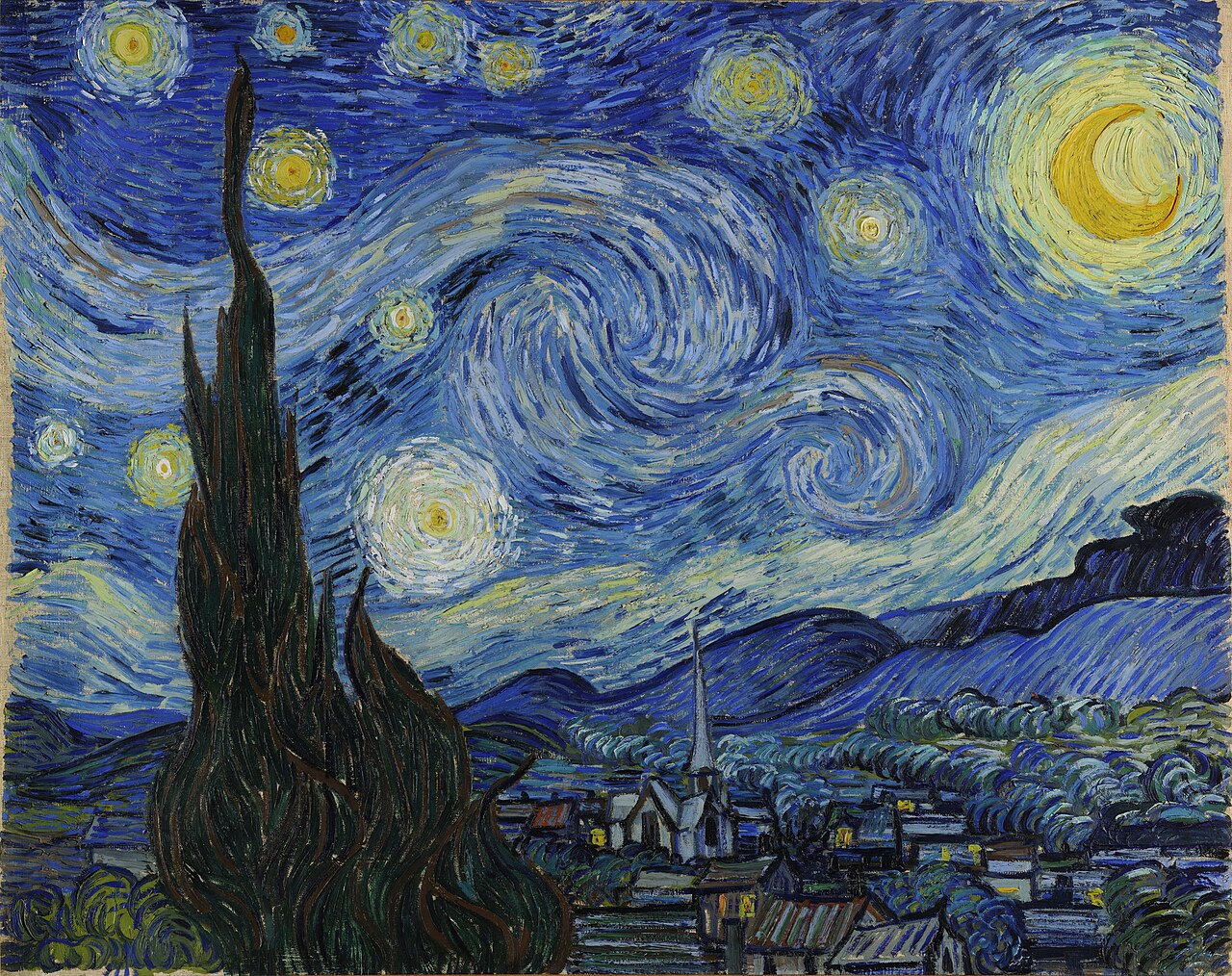
The Starry Night
About his most famous picture, he himself said little. Both of these things are true at once.
- Synaesthetic Precision
- The Colour Experimenter
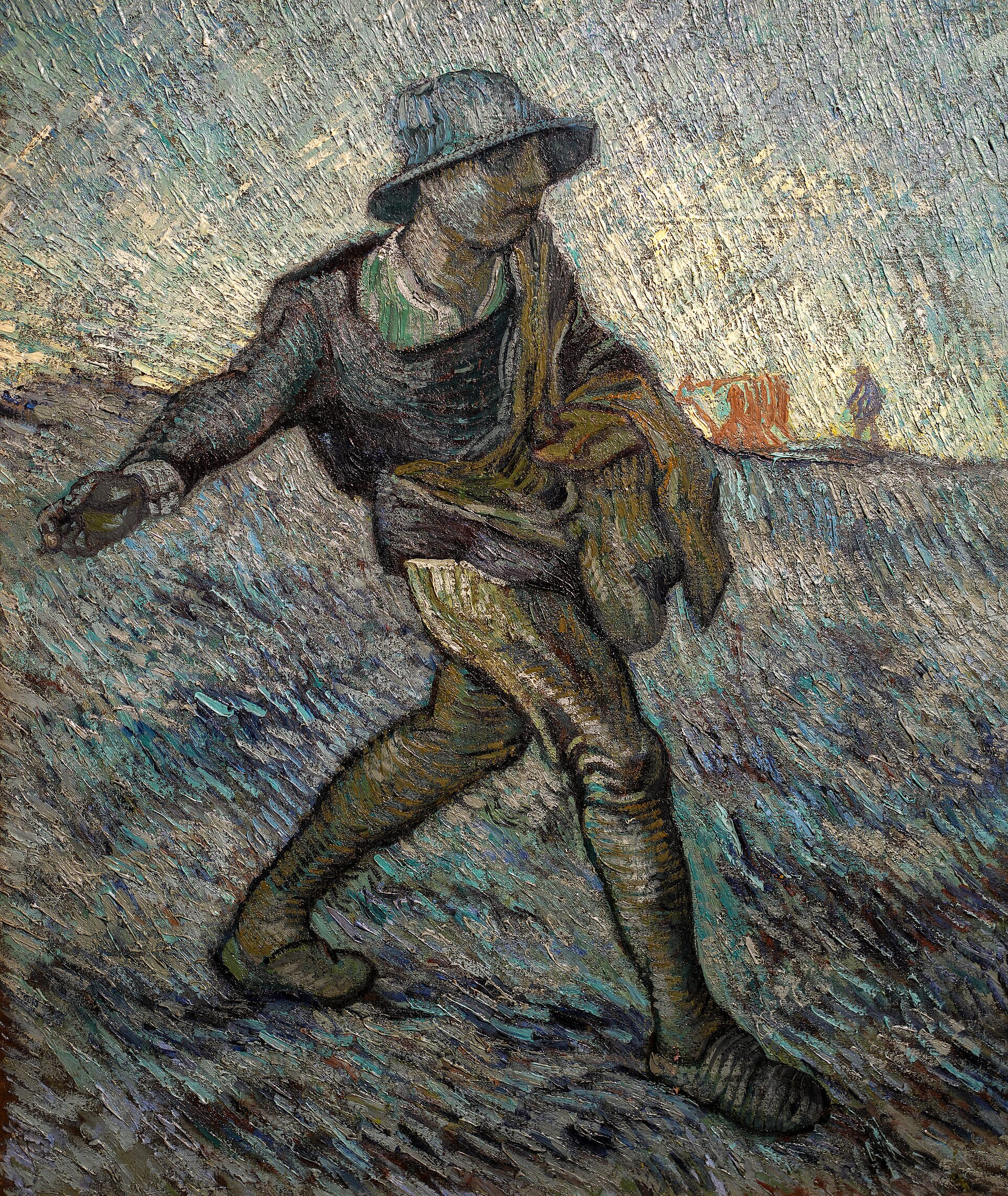
The Saint-Rémy Copies
The source could be black and white; the colour answer had to be his own.
- The Copyist
- The Translator
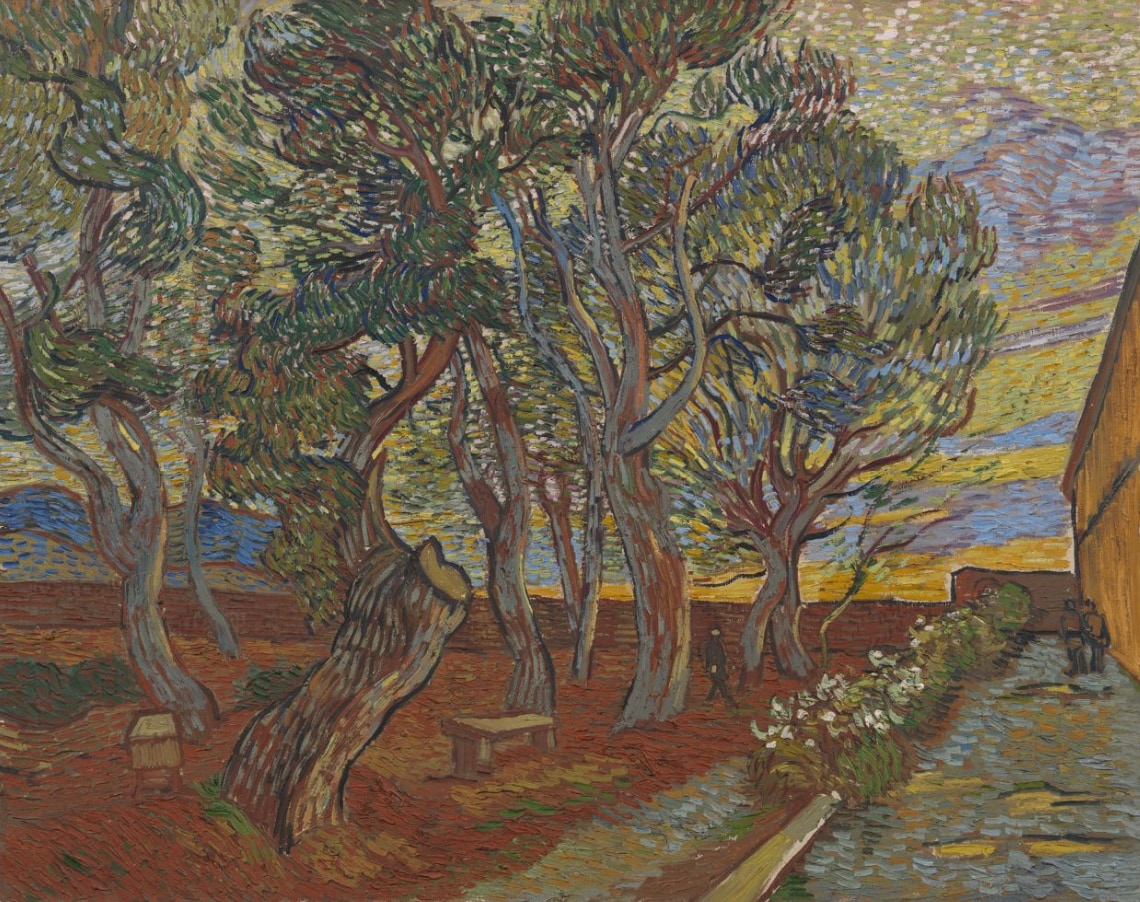
The Hospital Garden
After his range became smaller, he looked at that small place more thoroughly.
- Synaesthetic Precision
- The Colour Experimenter
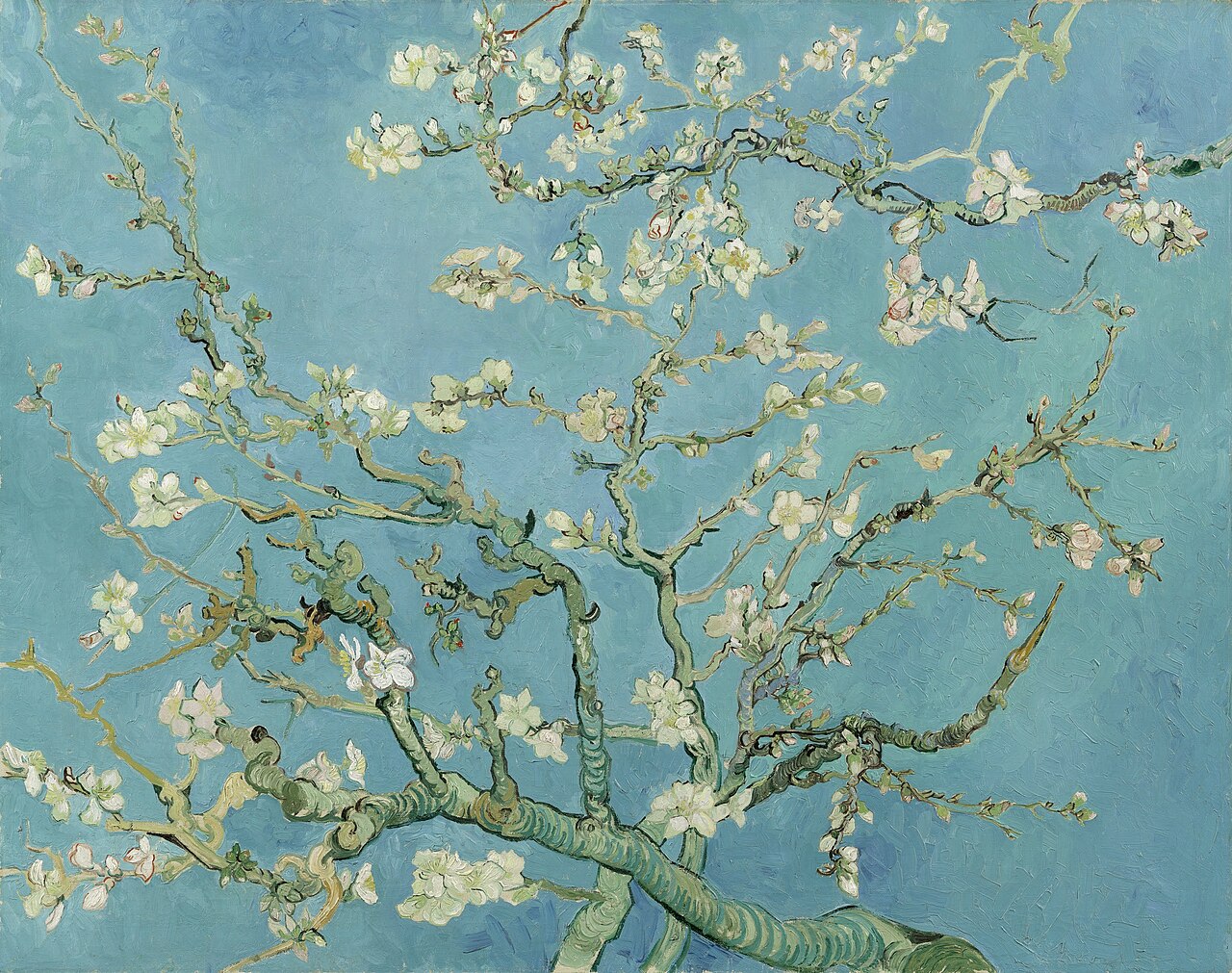
Almond Blossom
It was a gift for a child, and one of the works he later described most carefully in his own hand.
- The Translator
- The Copyist
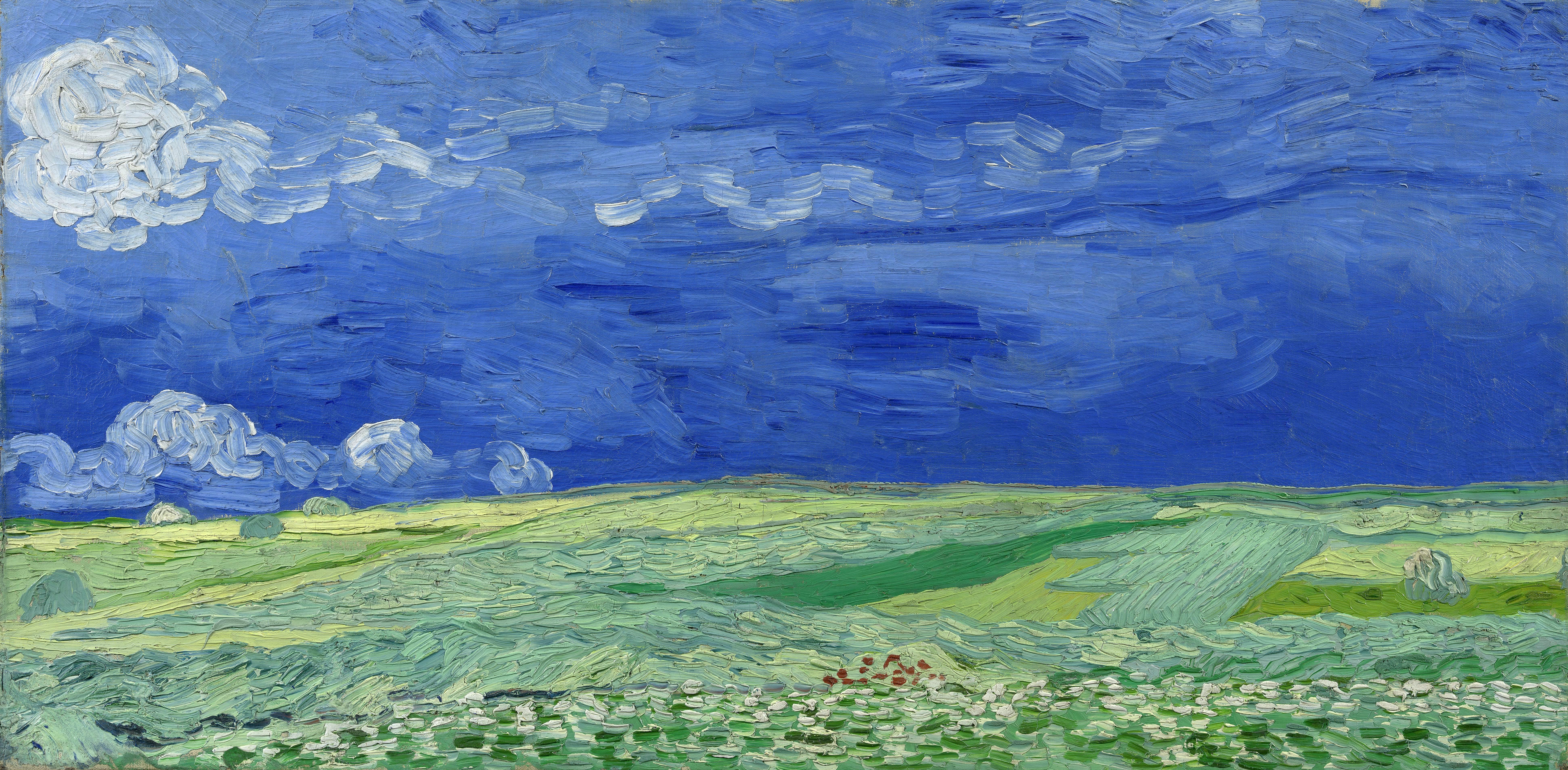
The Seventy Days of Auvers
Seventy days, more than eighty paintings: extraordinary output does not by itself tell us a single inner story.
- The Colour Experimenter
- Synaesthetic Precision
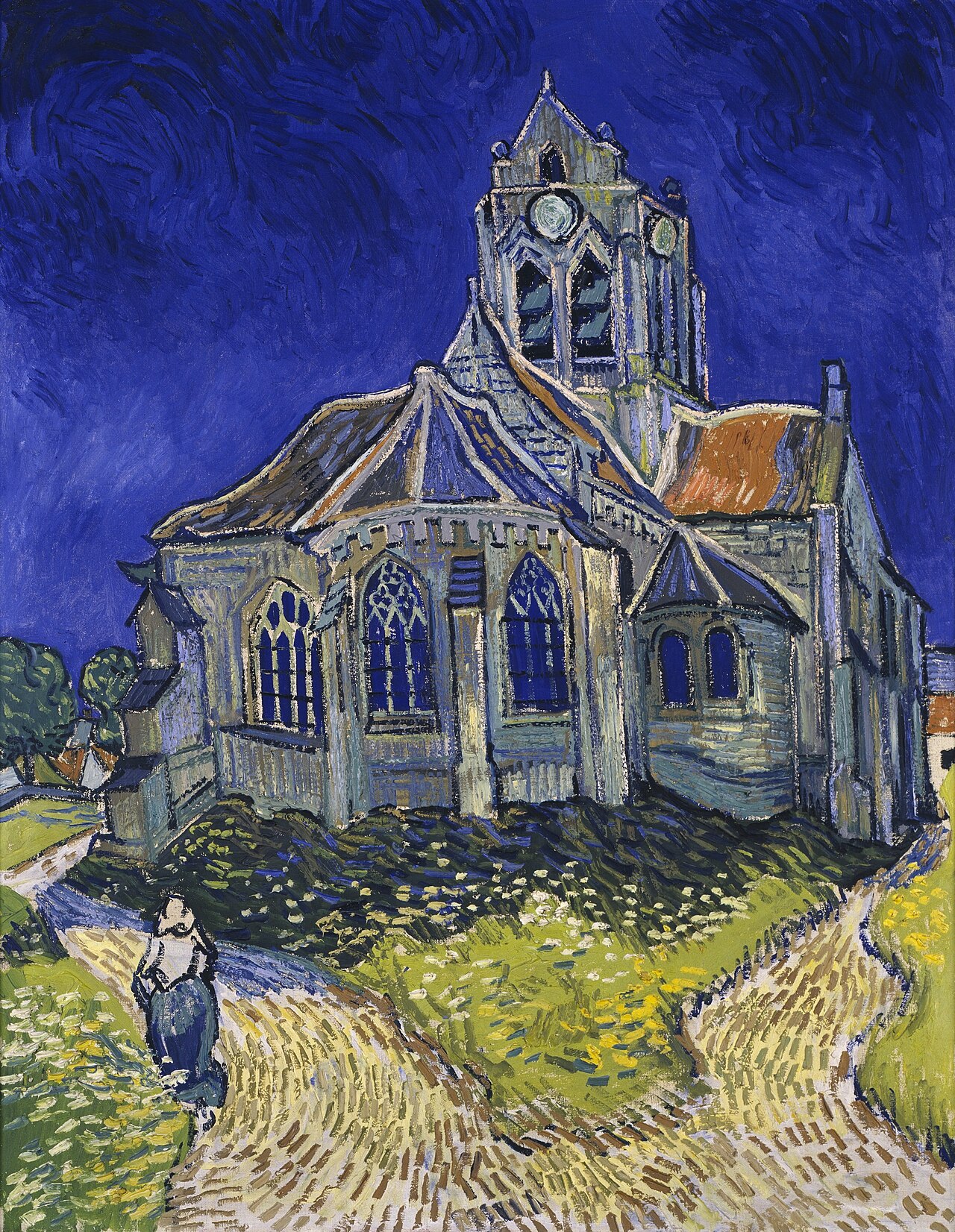
The Church at Auvers
The forked road belongs to the painting; the violet and cobalt belong to the letter.
- Synaesthetic Precision
- The Colour Experimenter
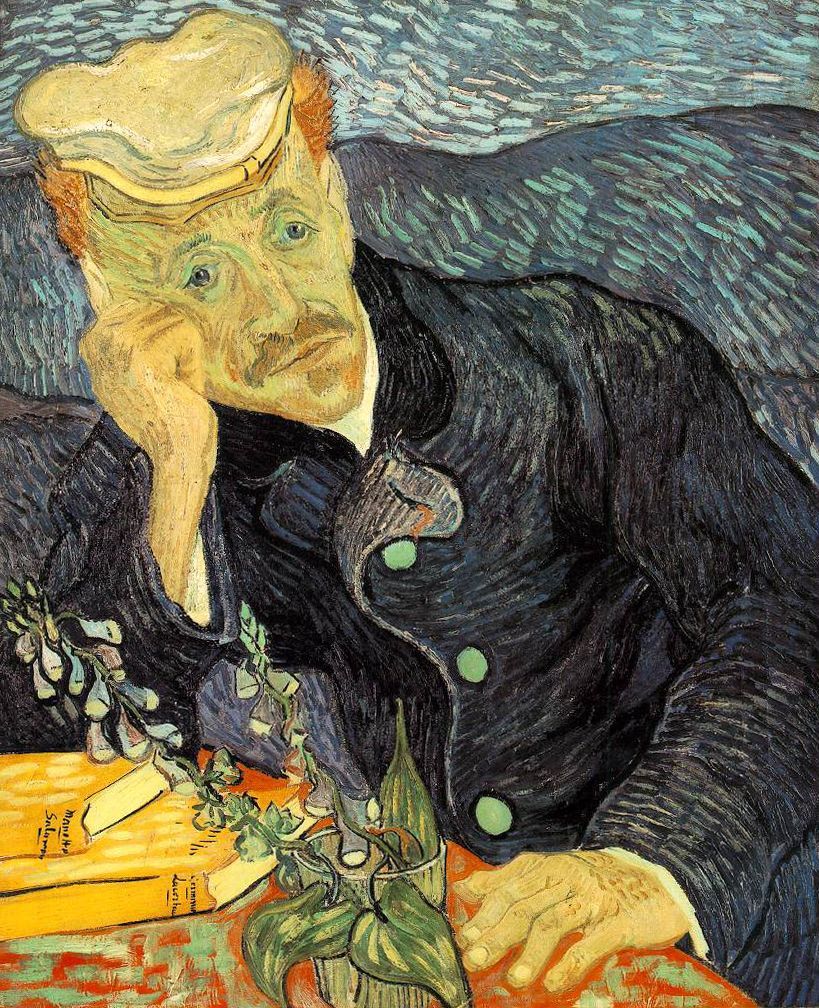
Doctor Gachet
The painted face is Gachet's; the changing judgment belongs to Vincent's letters.
- Synaesthetic Precision
- The Colour Experimenter
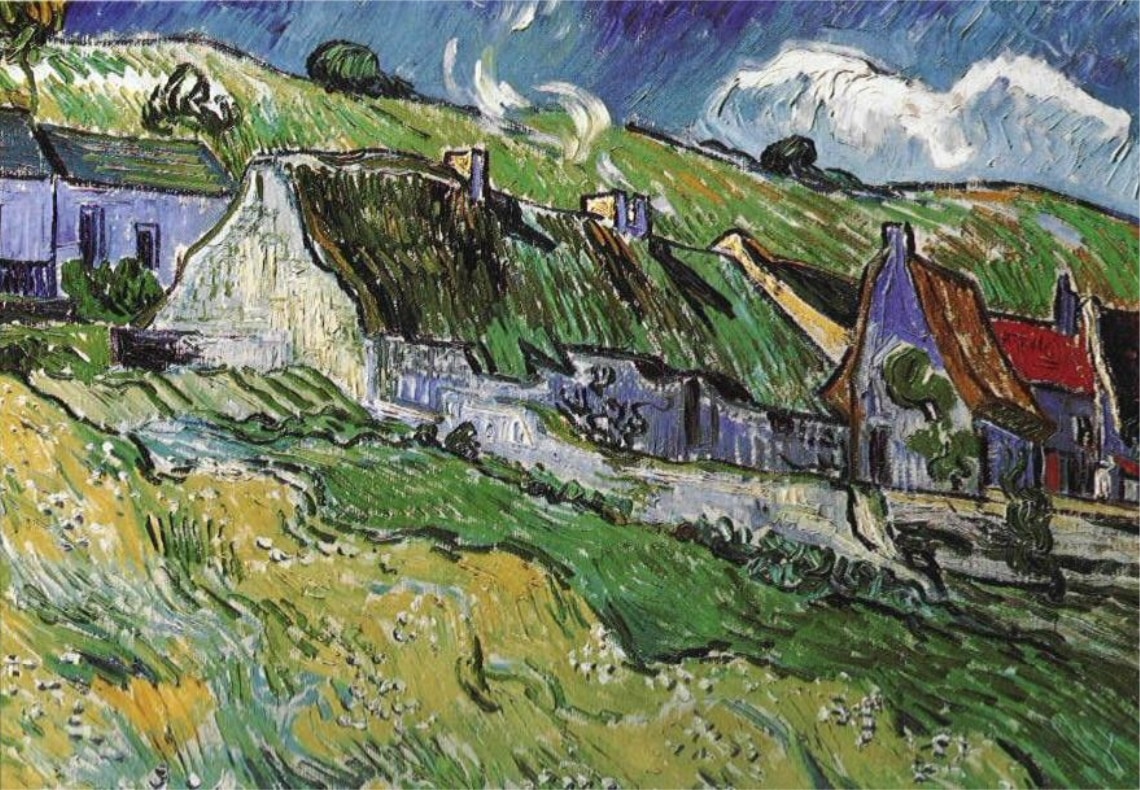
Thatched Cottages
An old northern motif, seen in a new place.
- The Colour Experimenter
- Synaesthetic Precision
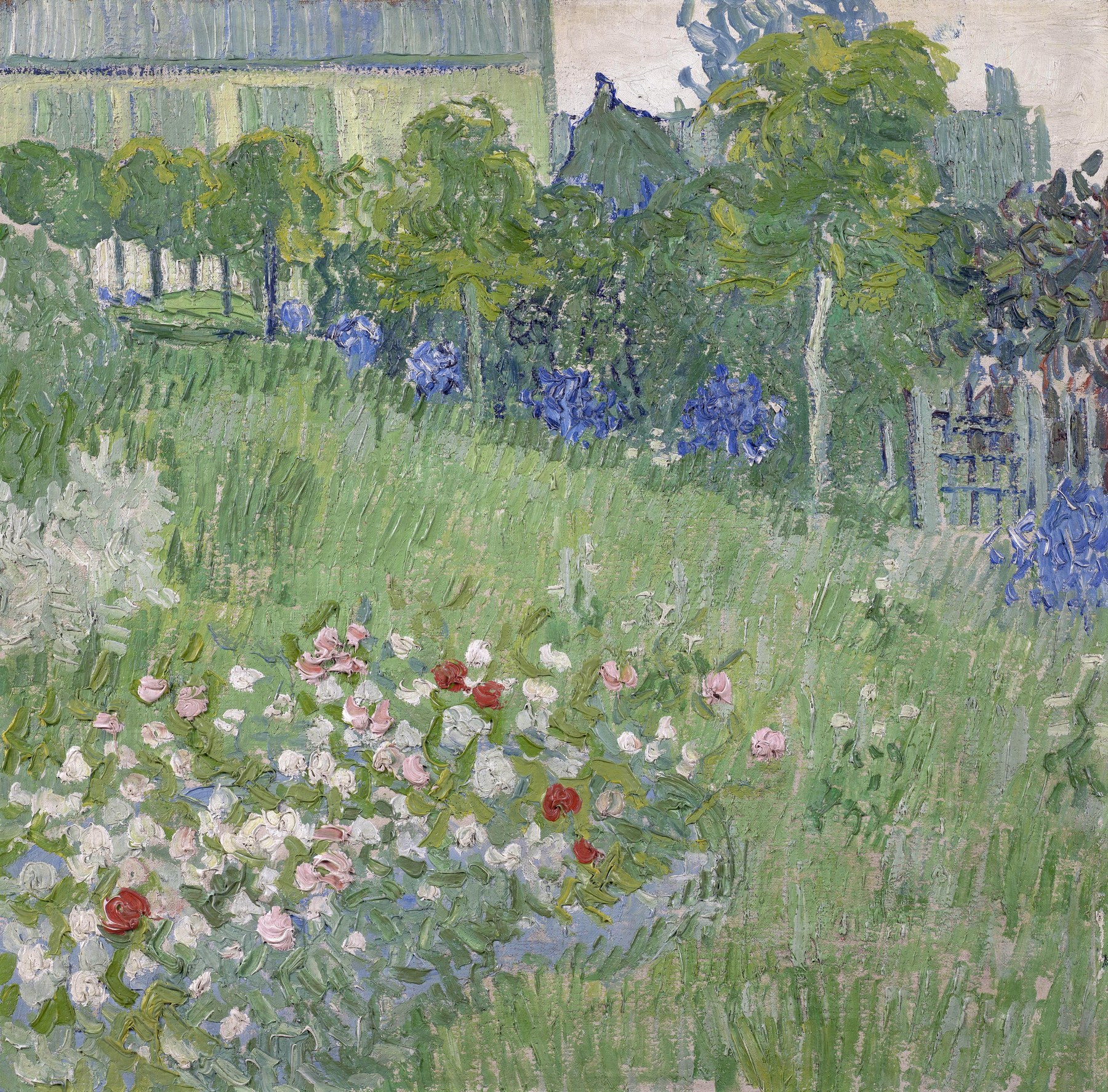
Daubigny's Garden
In Auvers in 1890, Van Gogh painted Daubigny's garden in a small study and two horizontal canvases.
- The Colour Experimenter
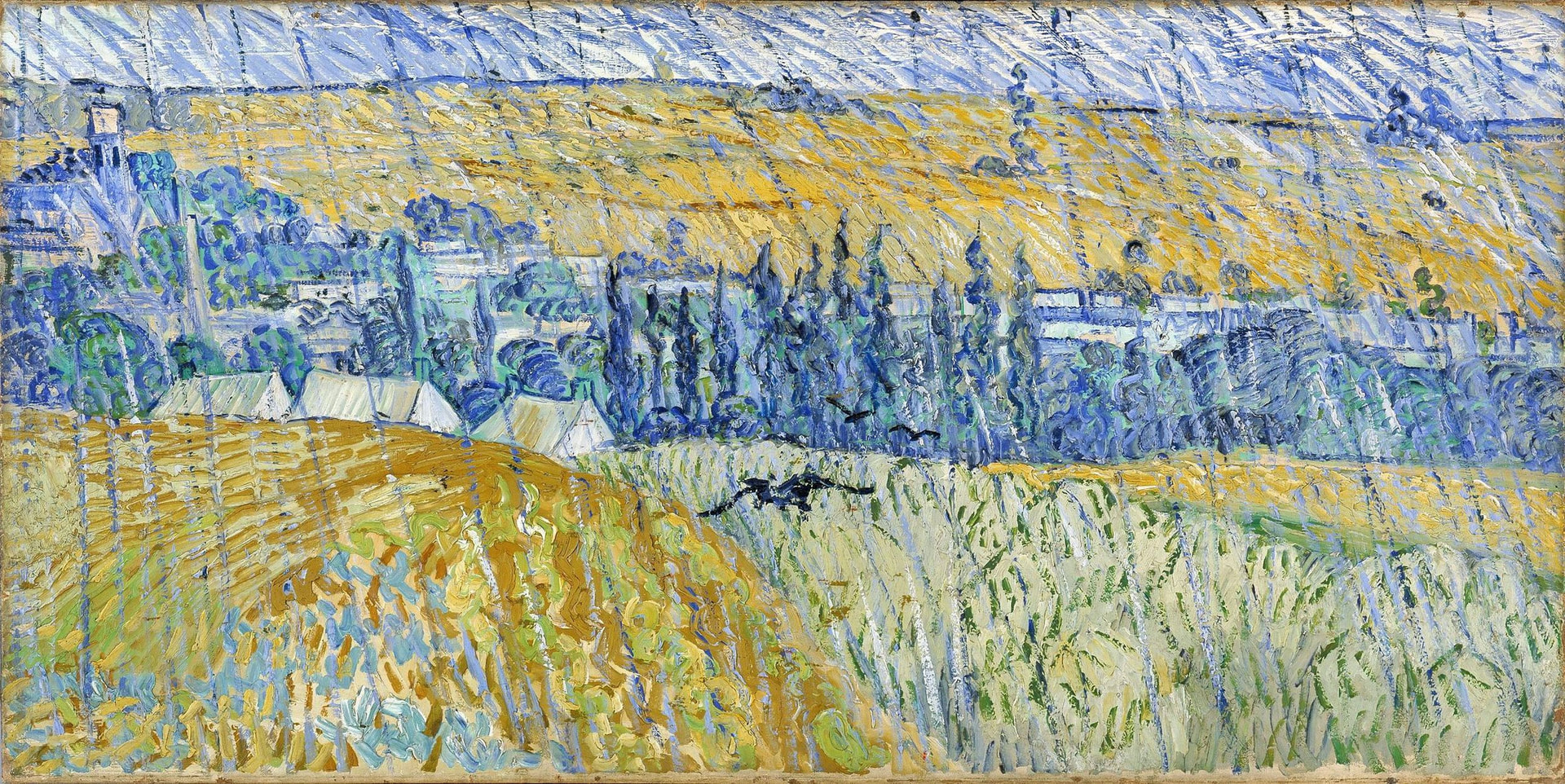
Rain over Auvers
The angle at which those lines fall is already speaking, and needs no explanation.
- Synaesthetic Precision
- The Colour Experimenter
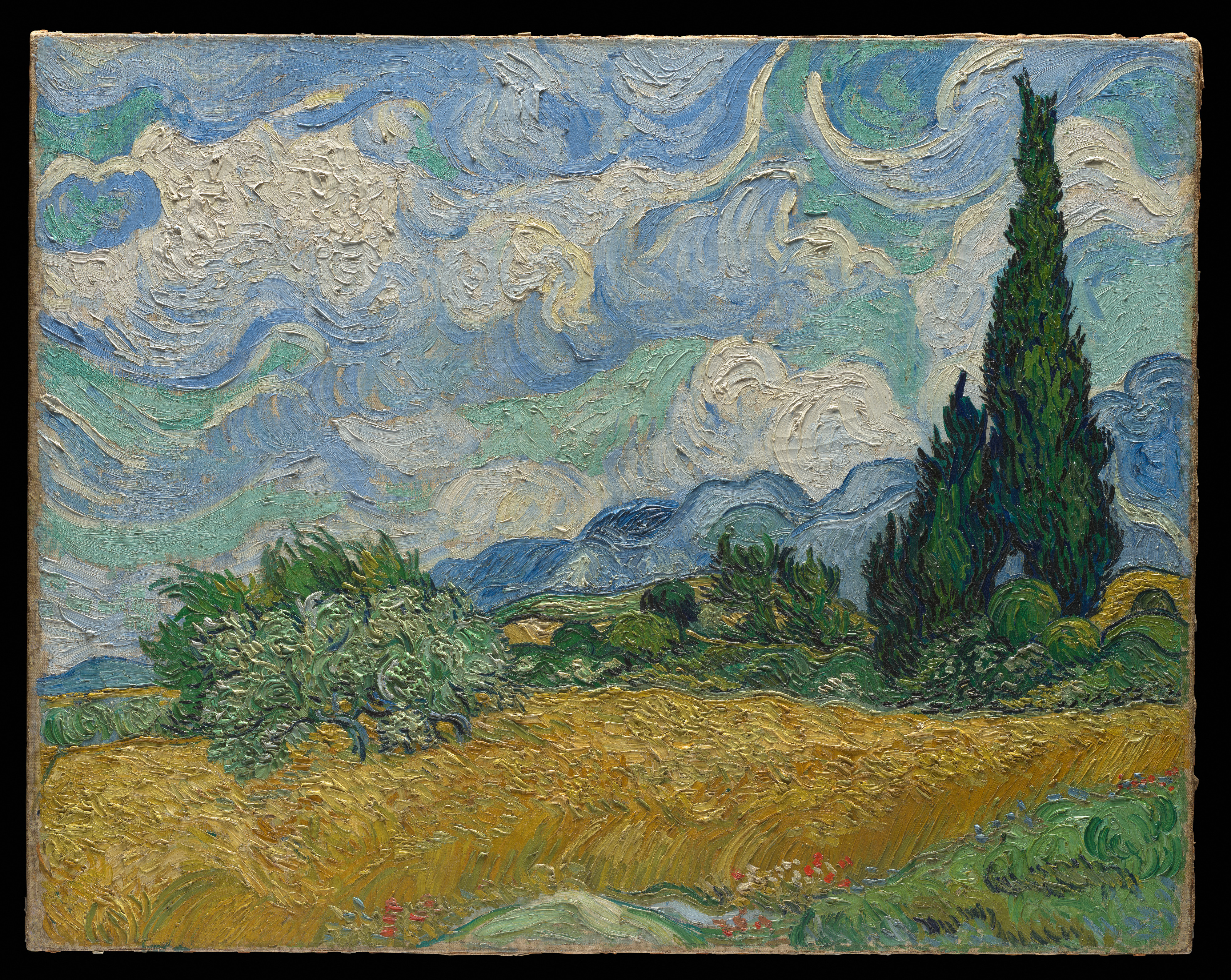
The Wheat Fields
He put sadness, extreme loneliness, and the countryside's strengthening force in the same letter.
- Synaesthetic Precision
- The Colour Experimenter