Secondary navigation axis · parallel to the breath line
How He Became Himself
A Technical Evolution Map · 1880-1890 · five curves out of sync
This axis answers not “who was he” but “how did a man who could not paint become the man who painted Wheatfield with Crows.”
It rests on material facts on the canvas: pigment names, brushstroke direction, impasto thickness, canvas format and production rate.
1888 The Bursting Brushstroke Arles Starry Night over the Rhône F474 / JH1592 · 1888.09 Open this period
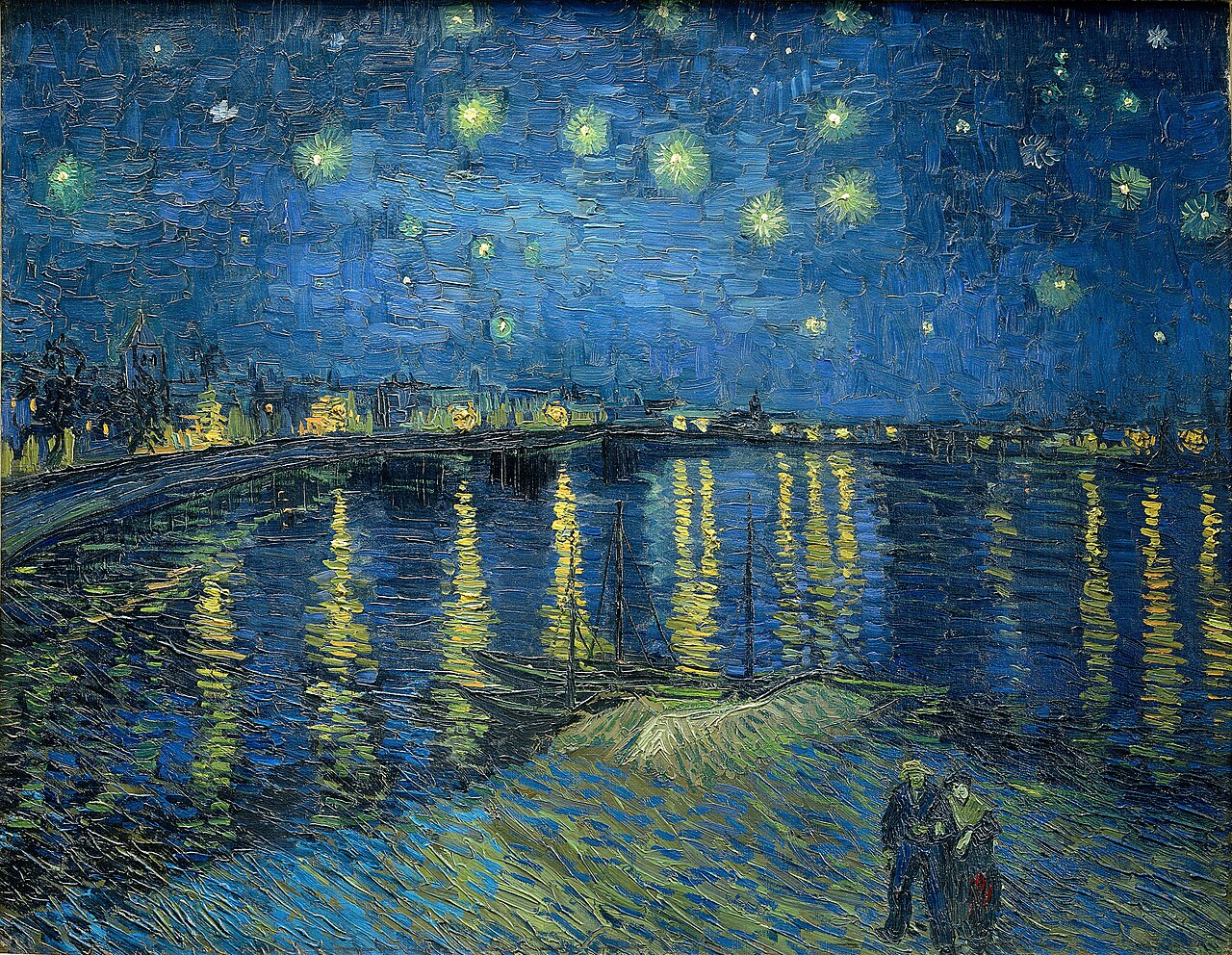
The light of Provence. In Arles, complementary colour became structure: yellow-violet, orange-blue, red-green.
Drag the cursor · click a legend item to follow one curve · choose a period below
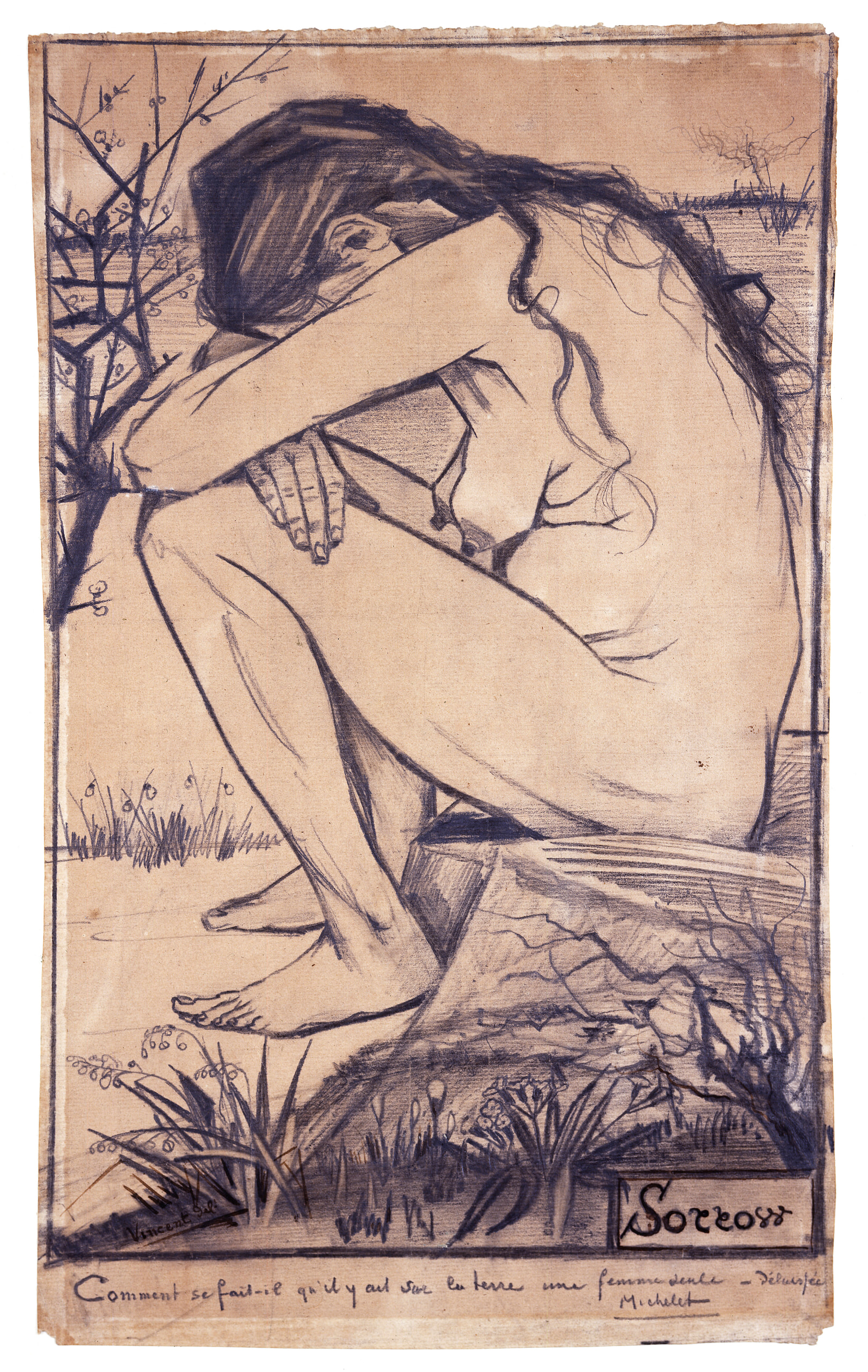 Drawing as Salvation Charcoal and pencil. Oil paint has not yet arrived.
 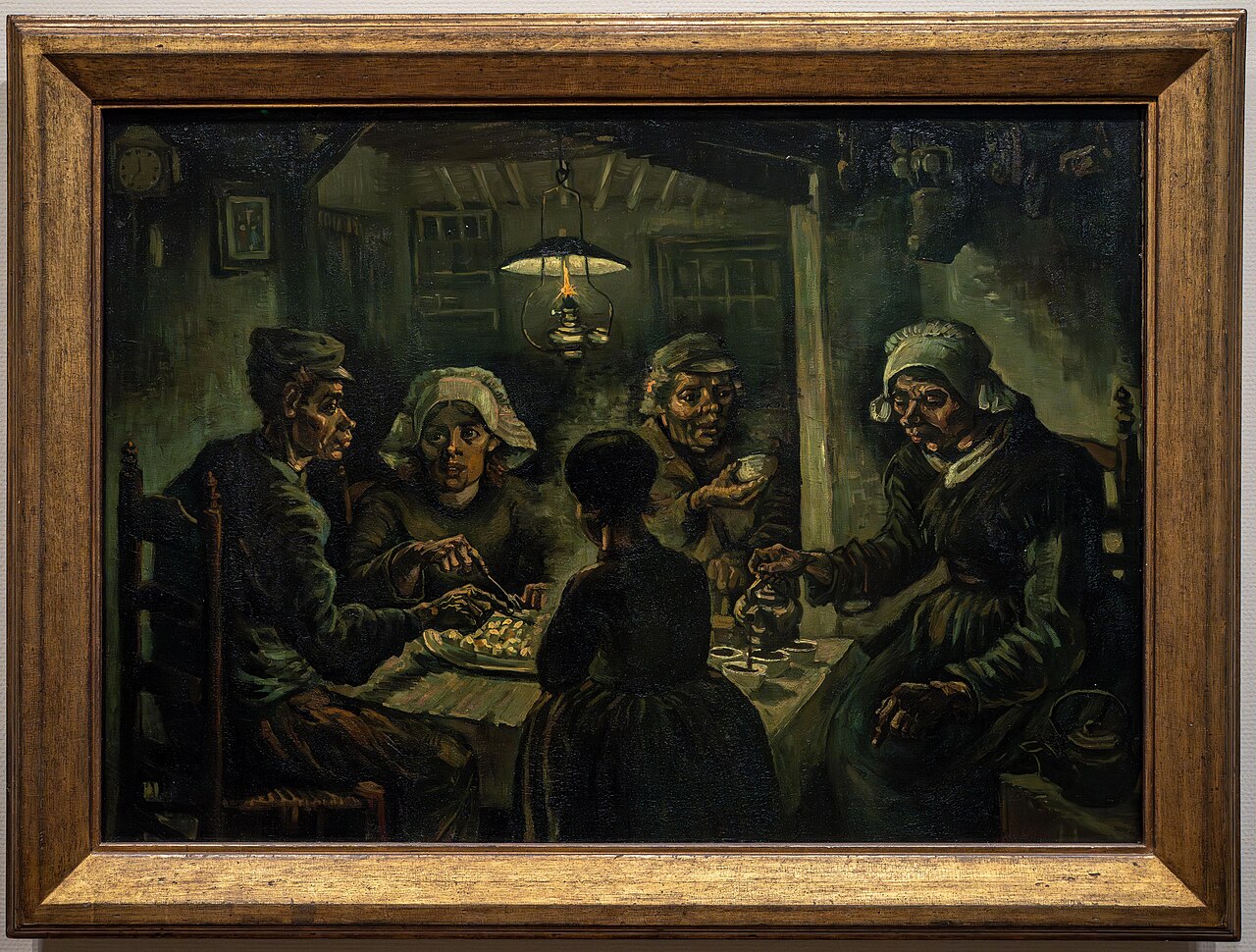 Obsessive Darkness Bitumen, raw umber, black. Then Rubens's vermilion enters.
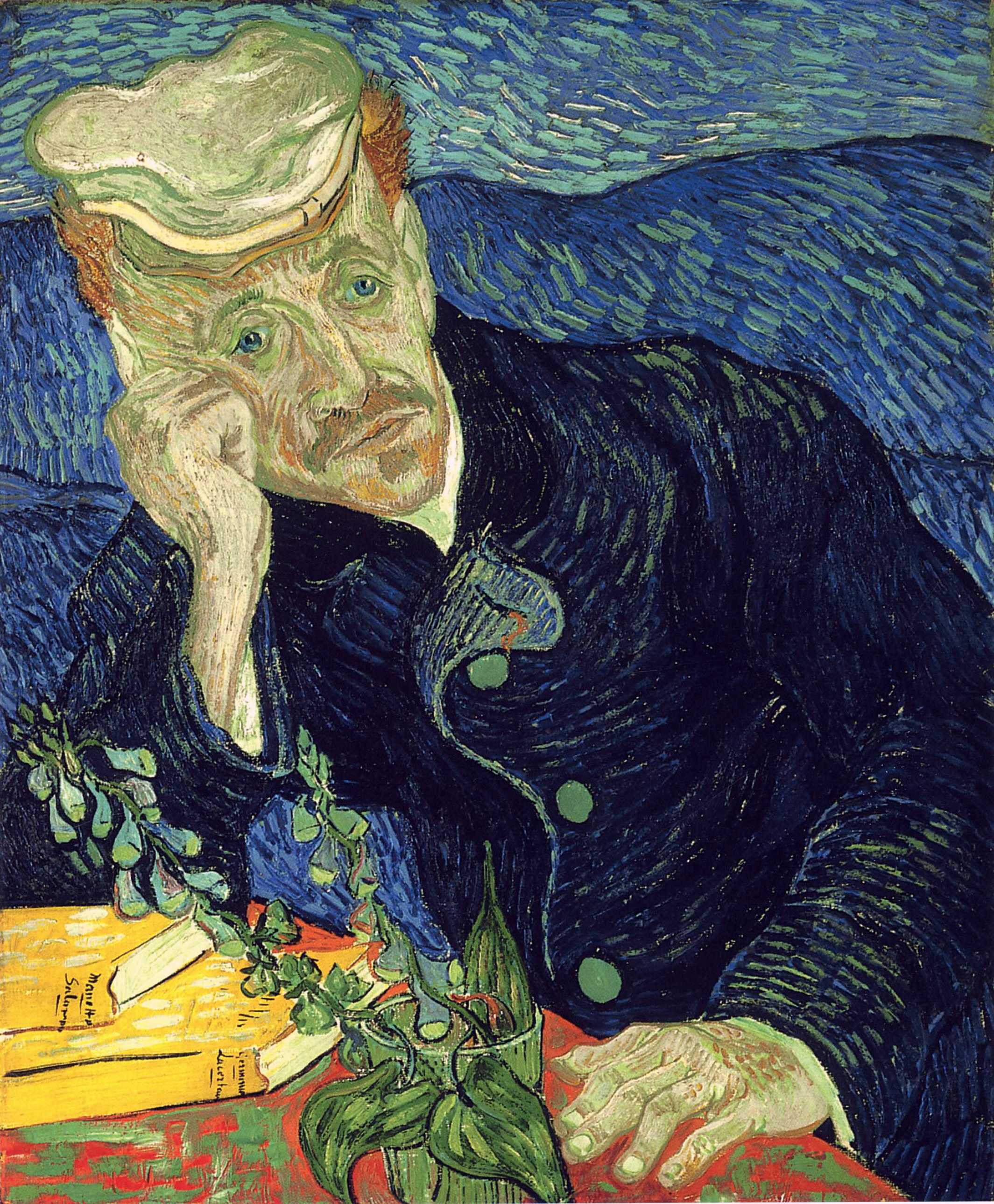
 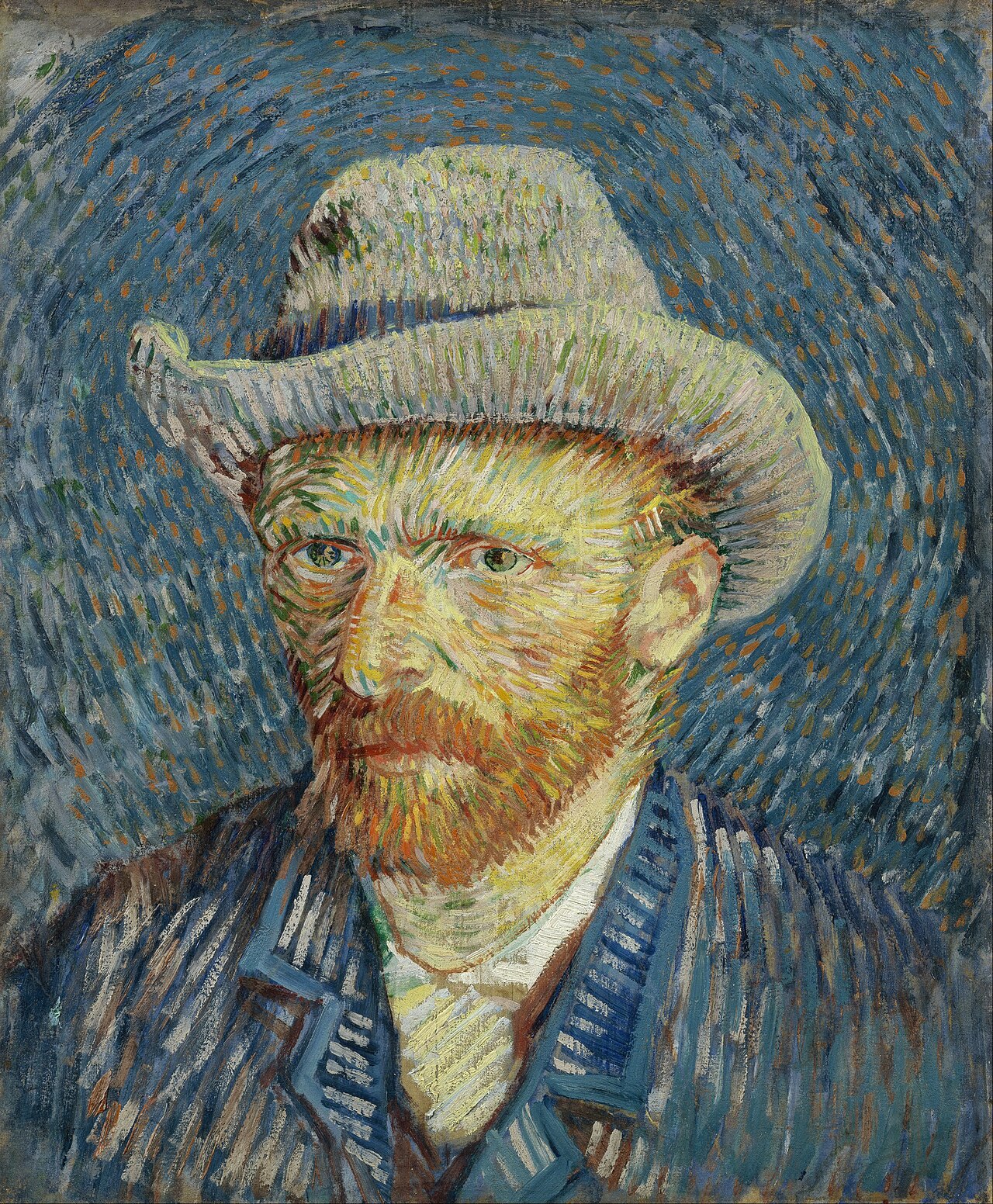 The Practice of Colour The palette cracked open by Impressionism and Pointillism. The Bursting Brushstroke Complementary colour contrast reaches its peak. A dream exploded.
  Seventy Days Burning 80 paintings in 70 days. The double-square format appears.