The Seventy Days of Auvers
Seventy days, more than eighty paintings: extraordinary output does not by itself tell us a single inner story.
-
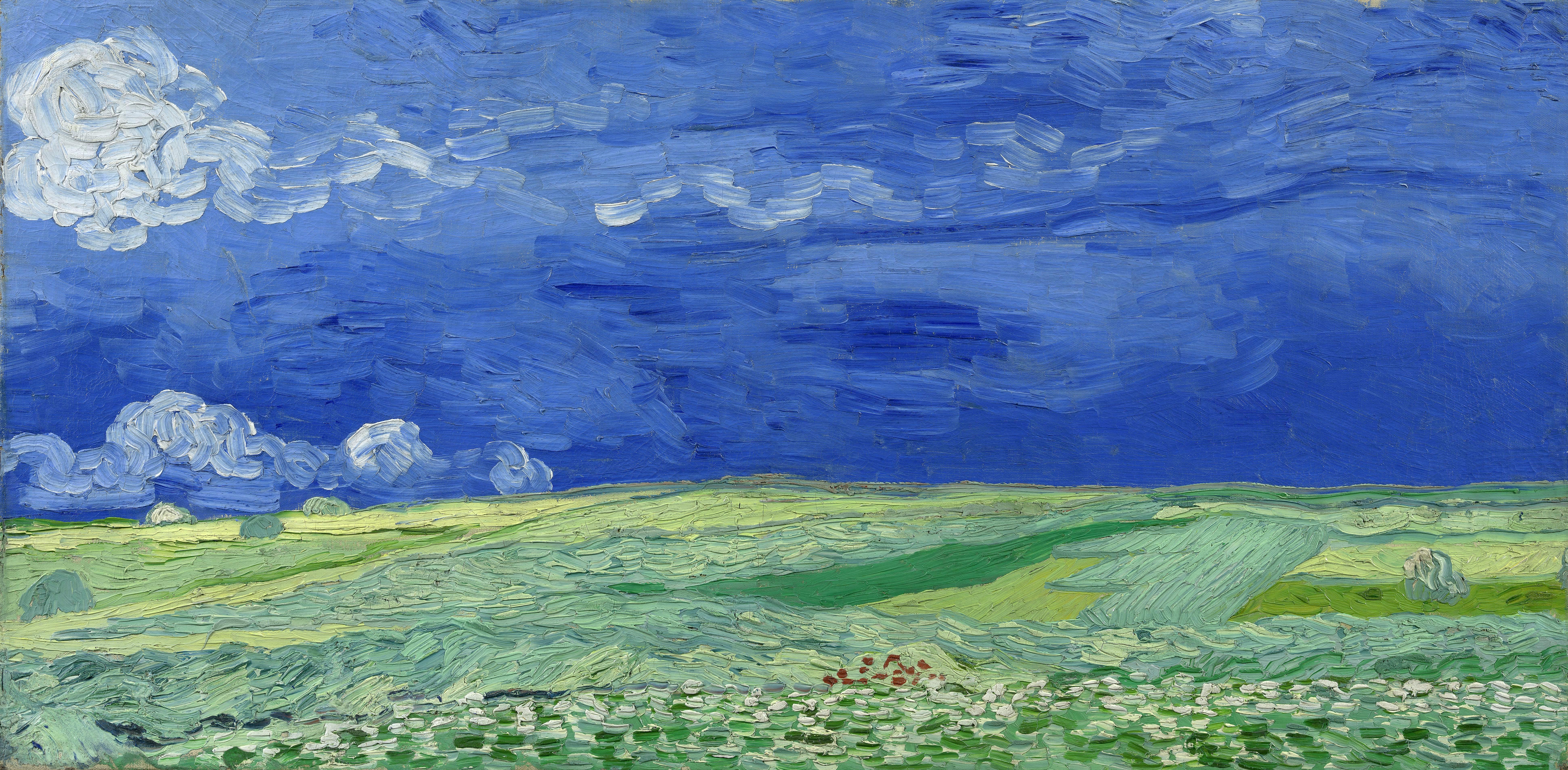
F778 Wheatfield under Thunderclouds 1890 -
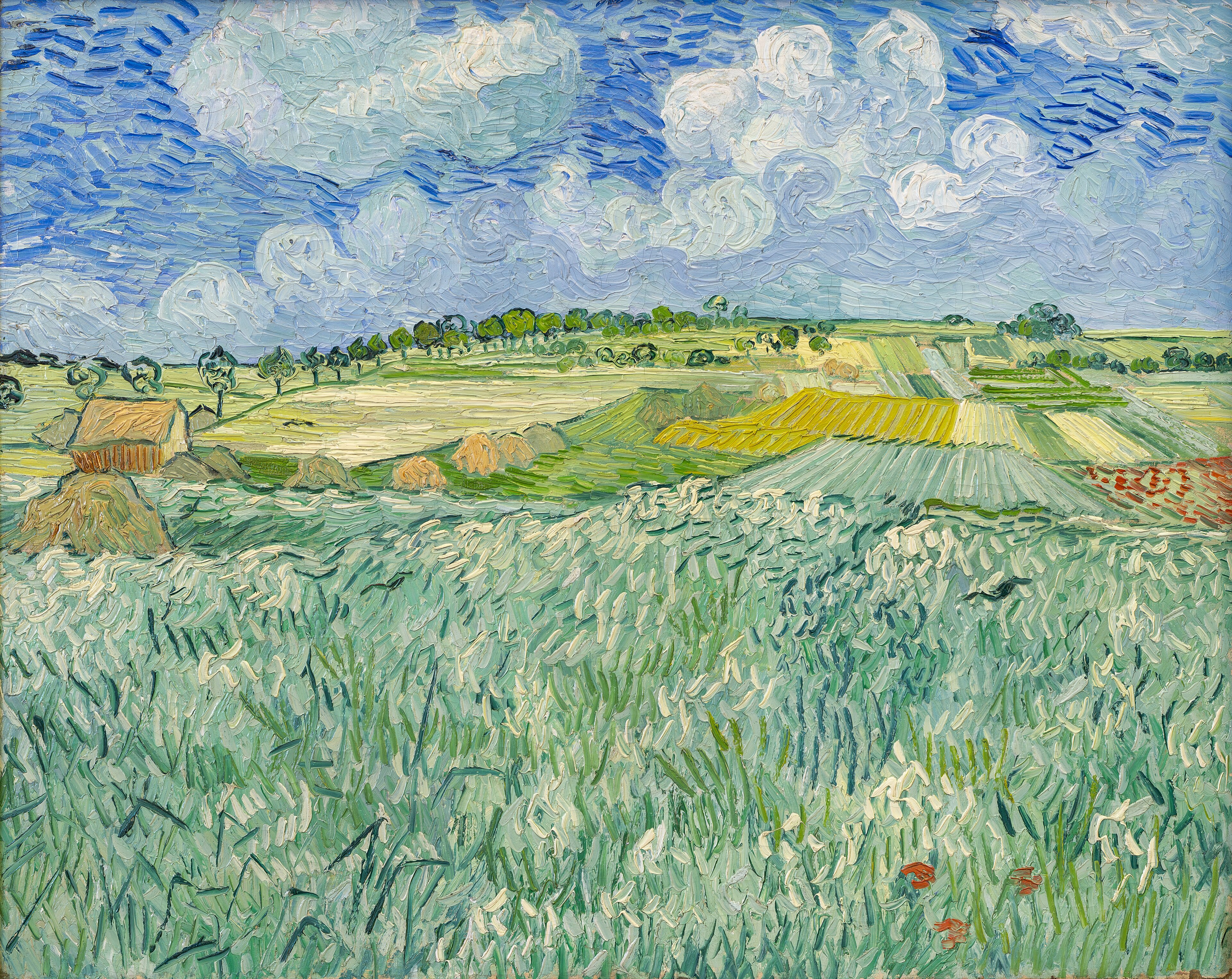
F782 The plain with farm near Auvers 1890 -
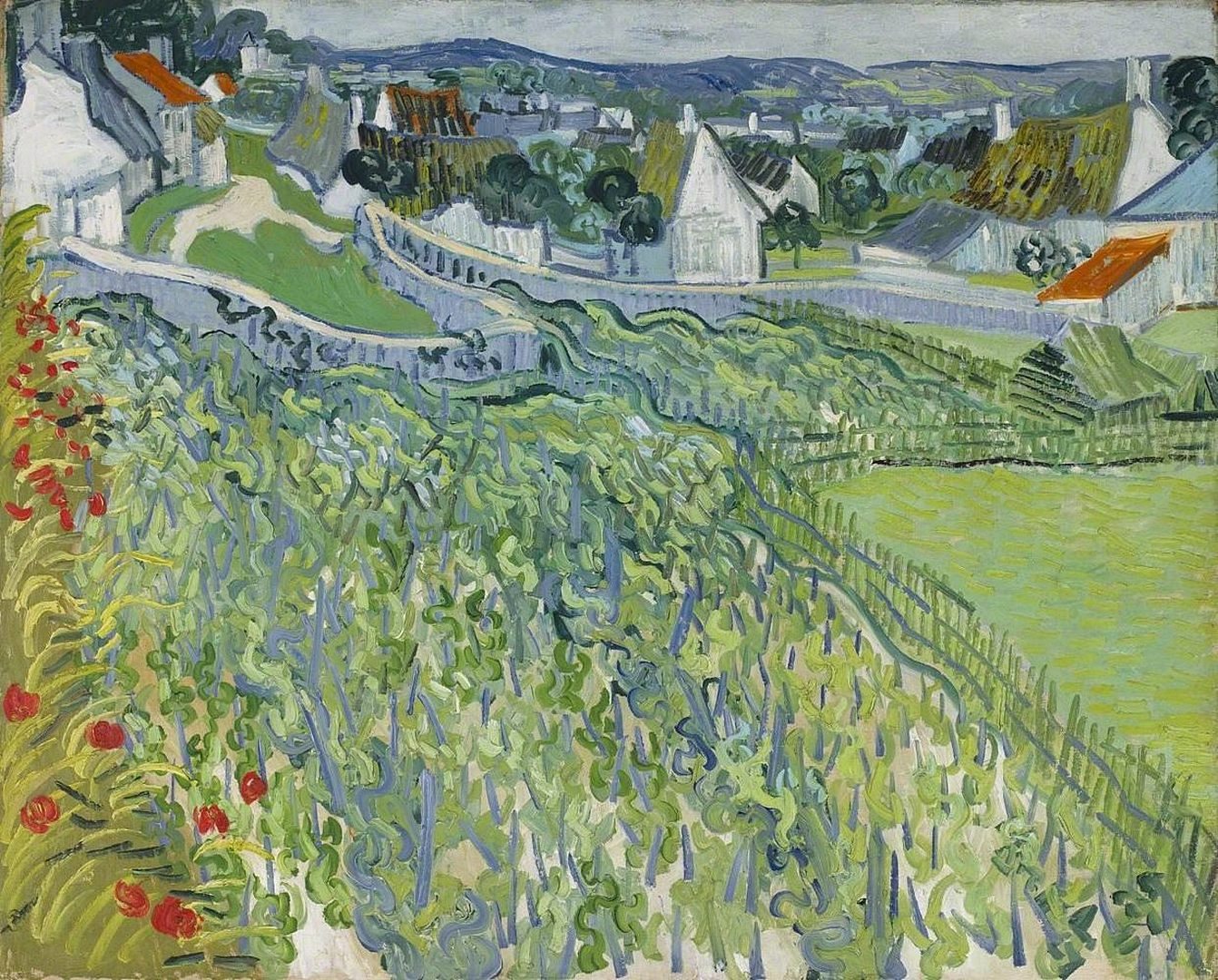
F762 Vineyards at Auvers 1890 -
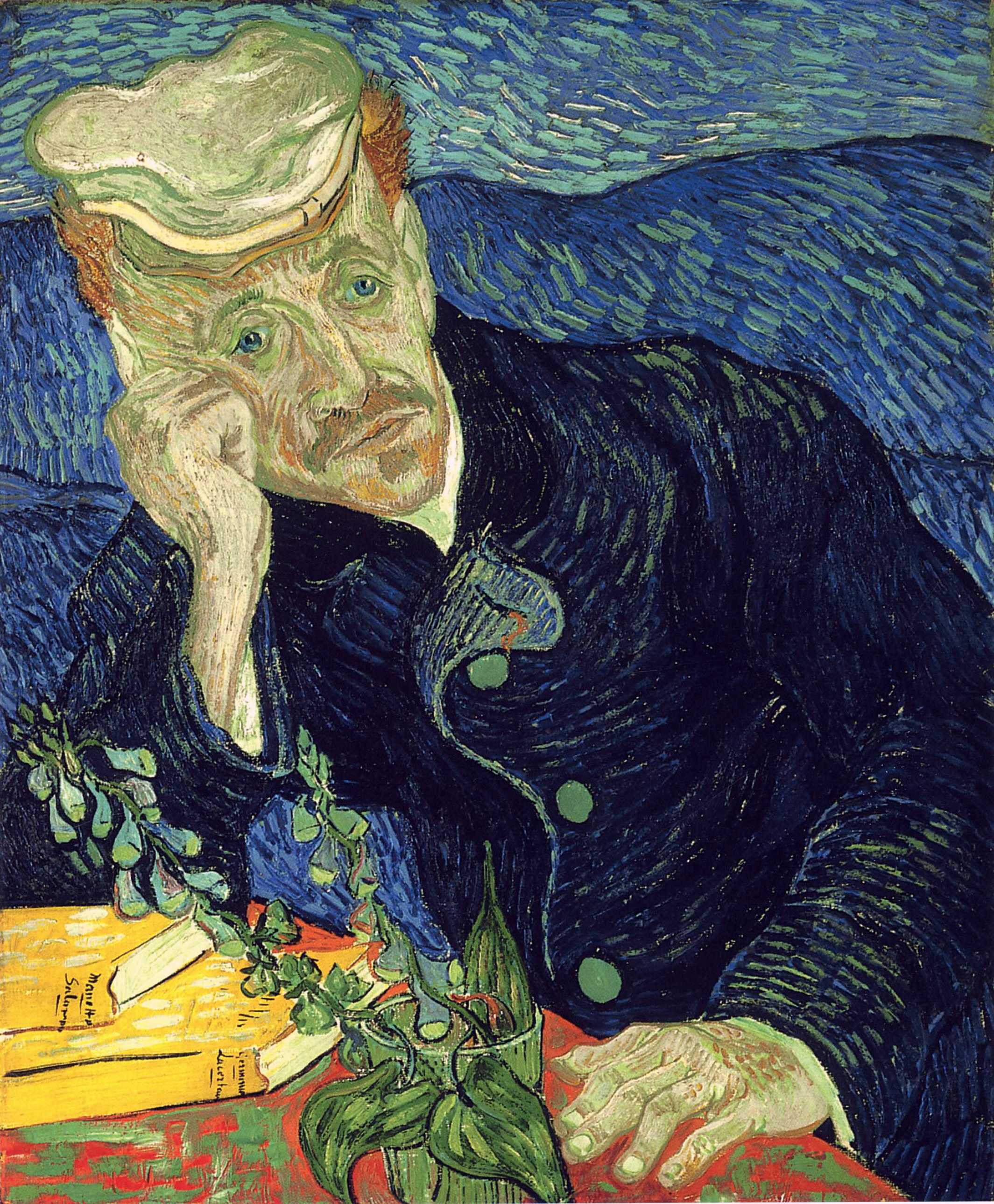
F753 Portrait of Dr. Gachet (first version) 1890 -
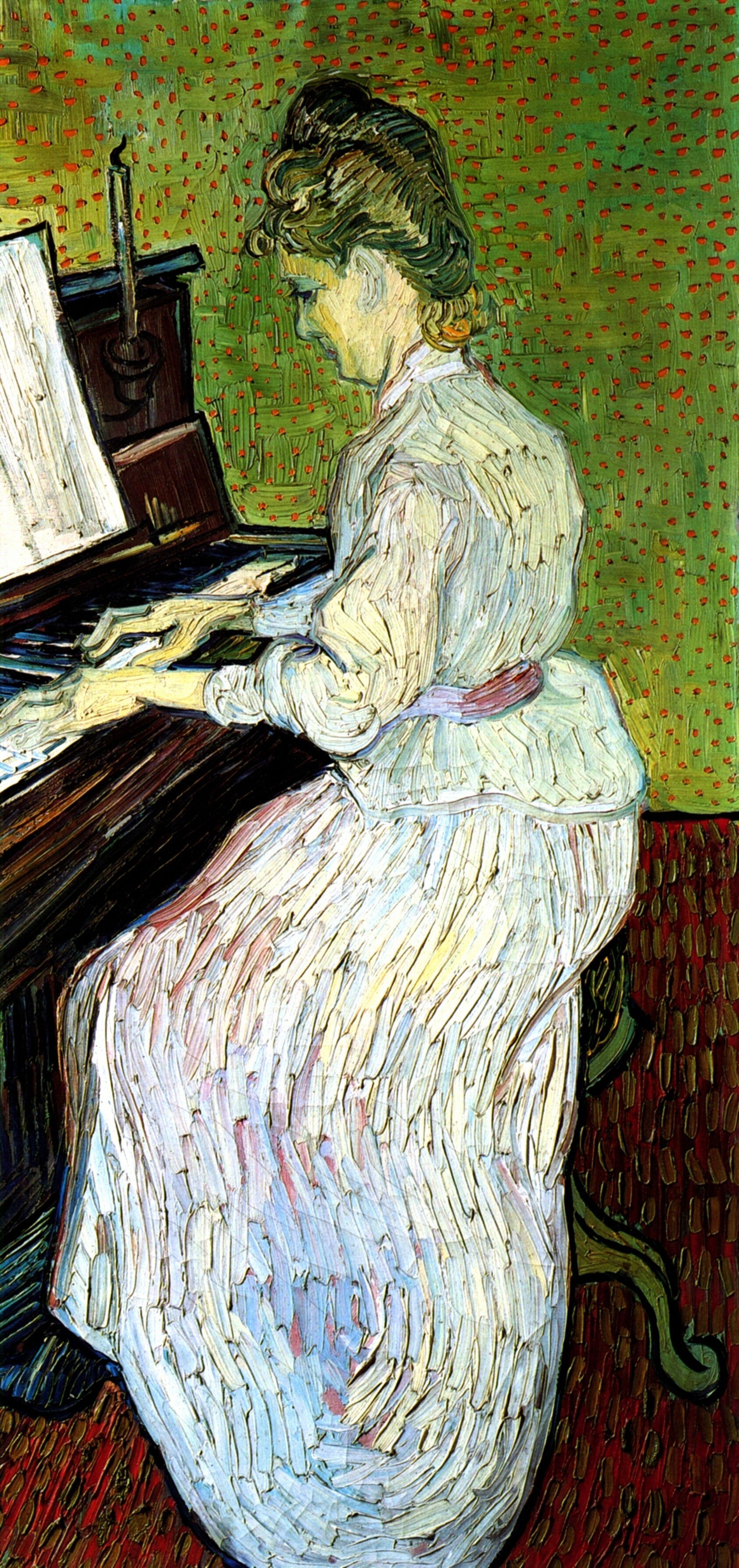
F772 Marguerite Gachet at the Piano 1890 -
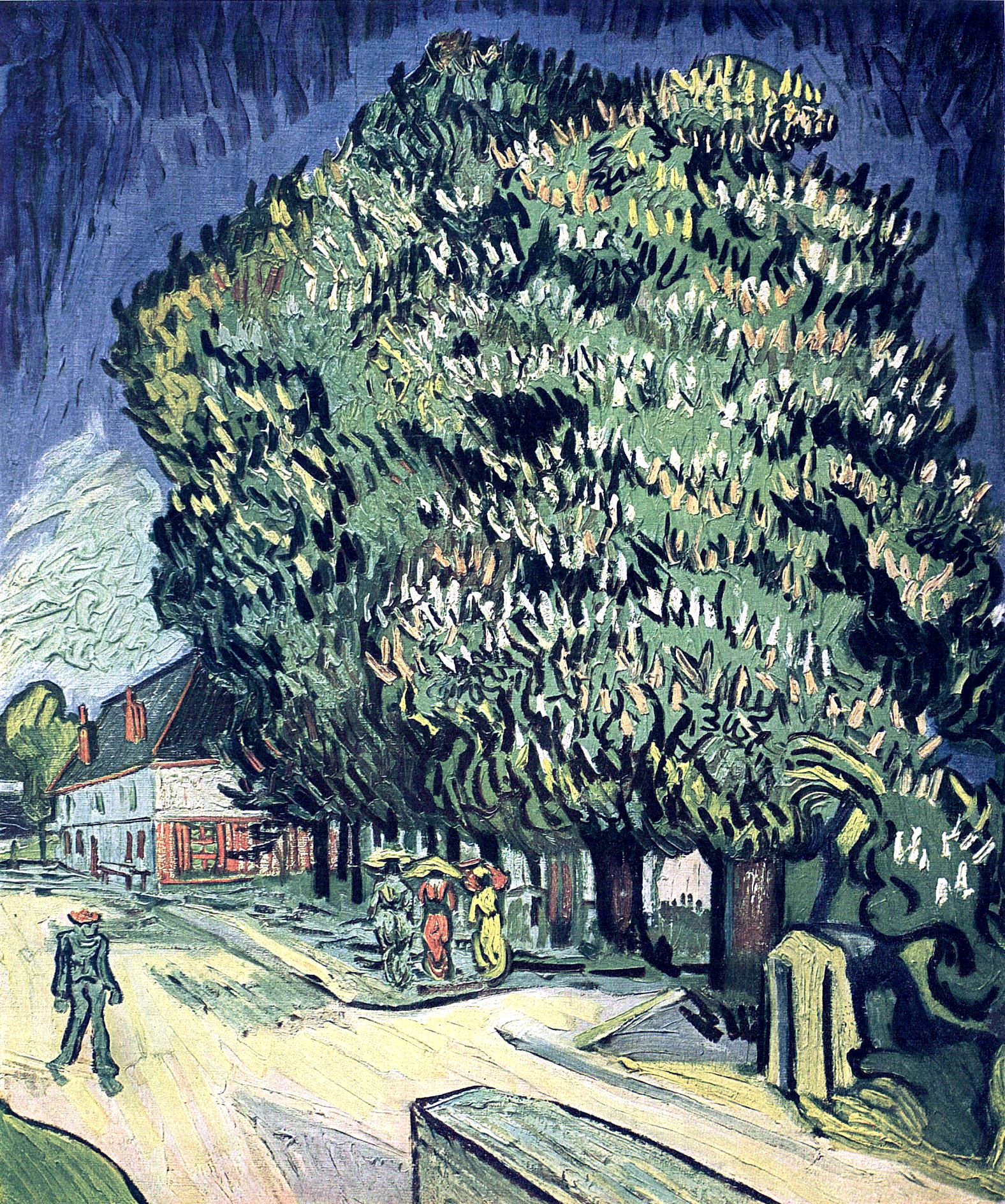
F751 Chestnut trees in flower: pink and white blossoms 1890 -
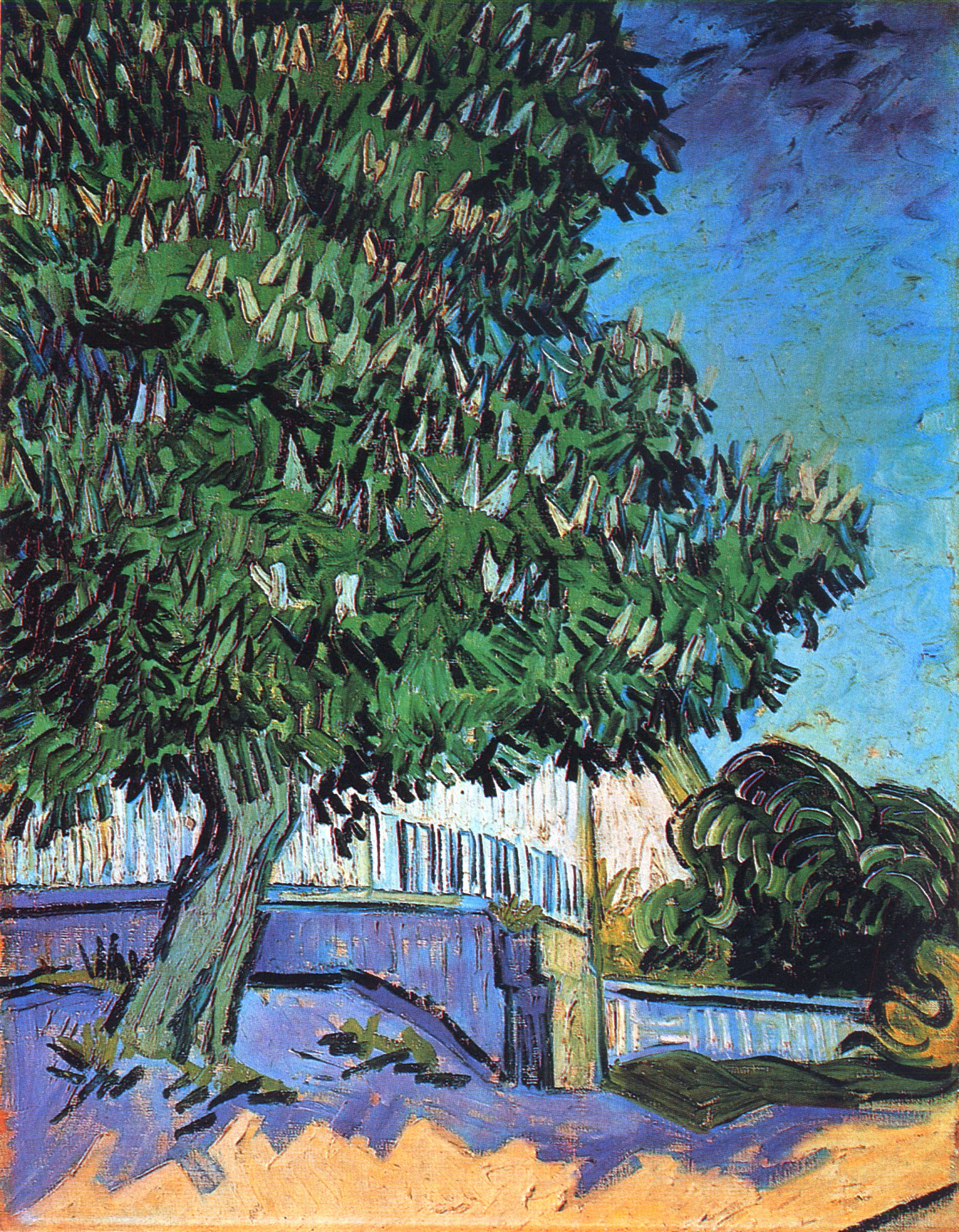
F752 Blossoming Chestnut Trees 1890 -
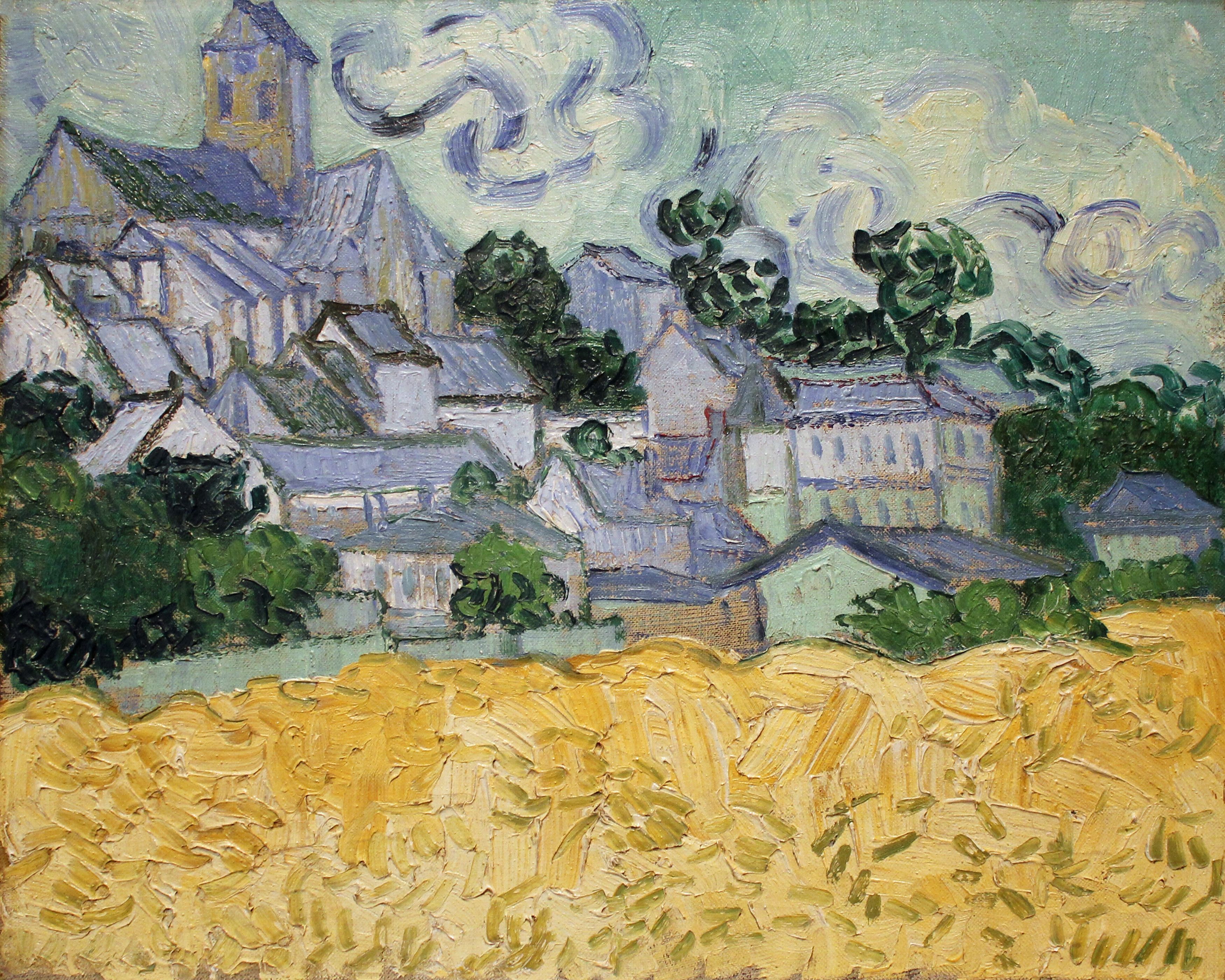
F800 View of Auvers with church 1890 -
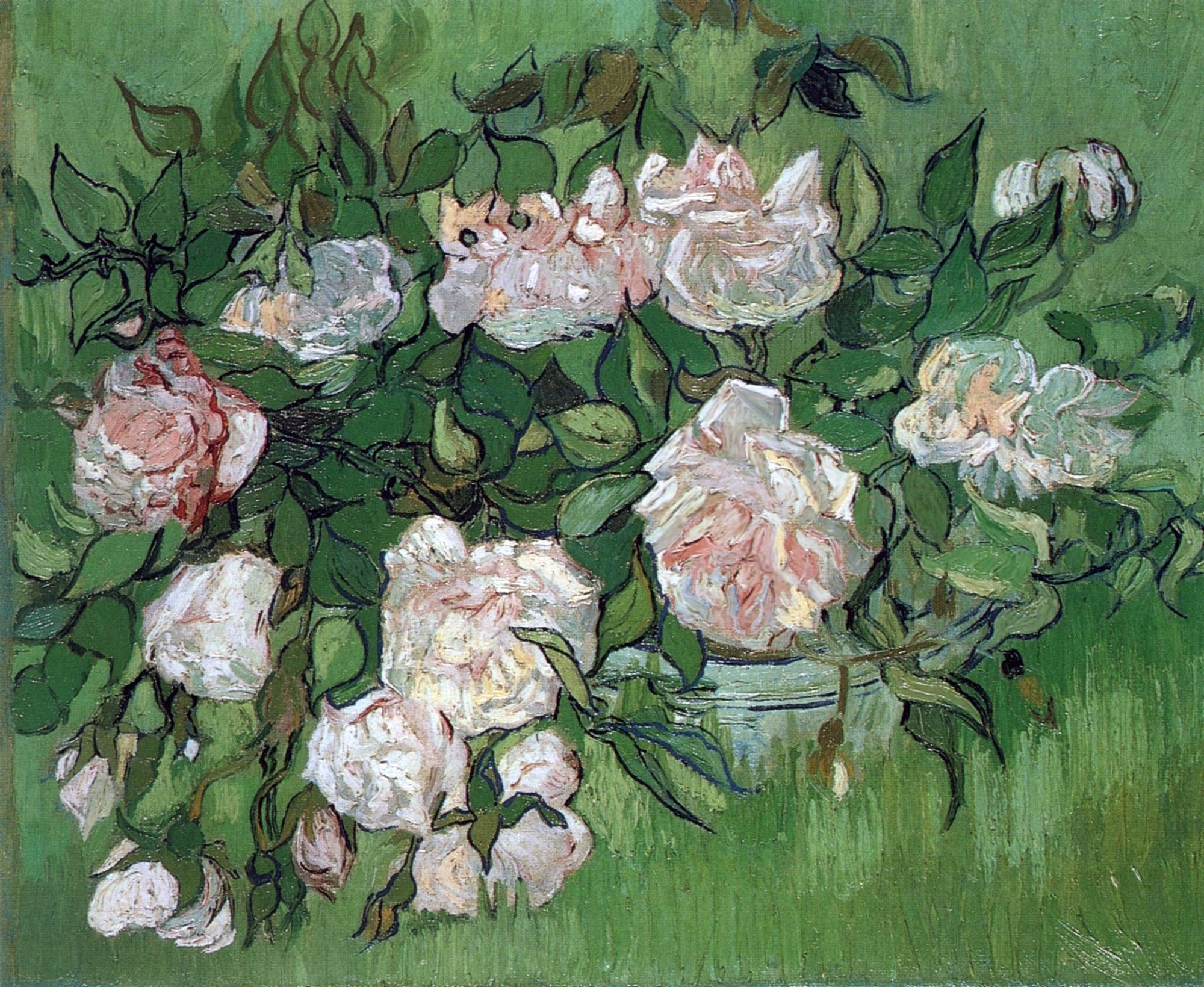
F595 Pink Roses 1890 -
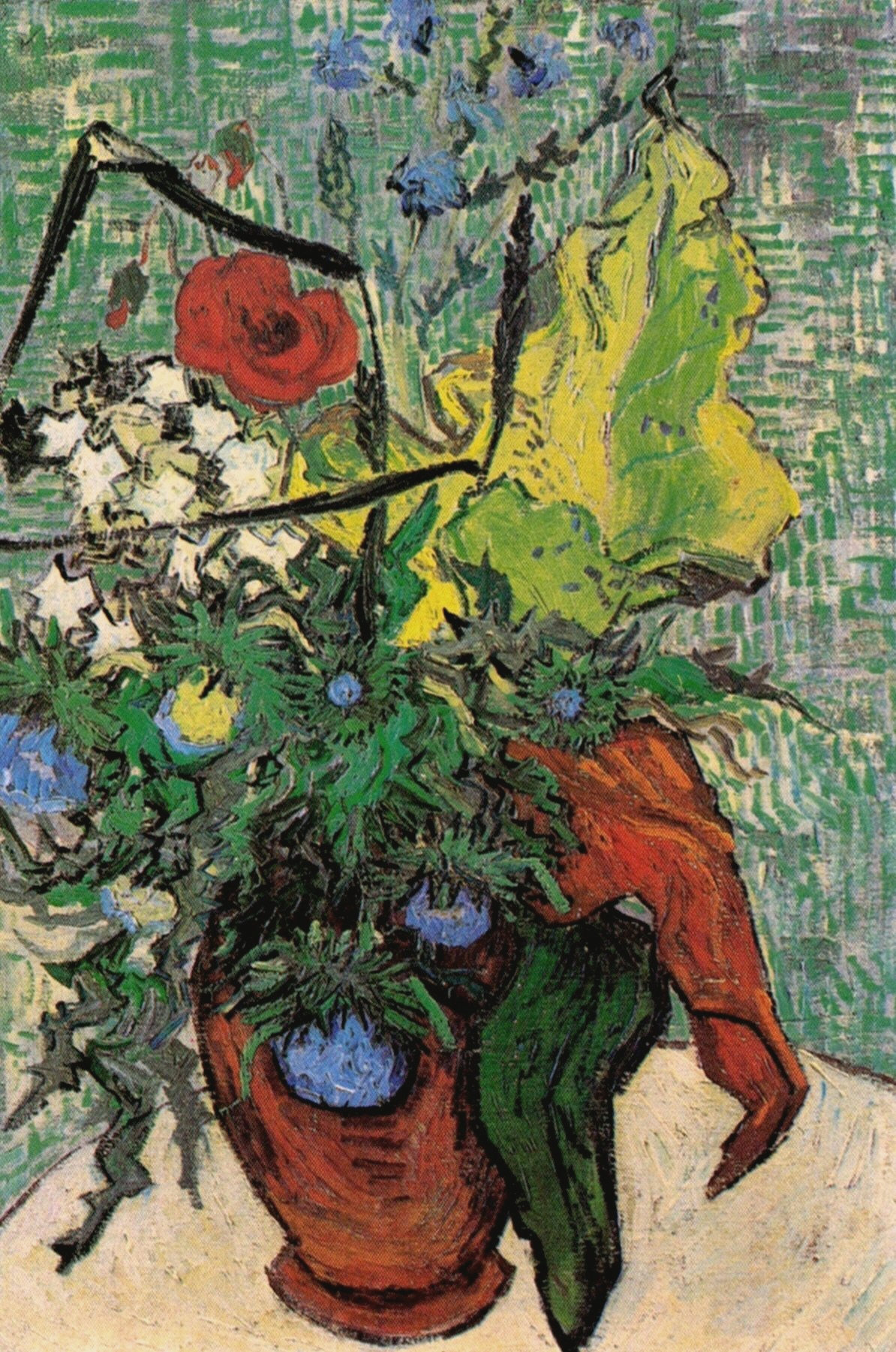
F763 Wild Flowers in a Vase 1890 -
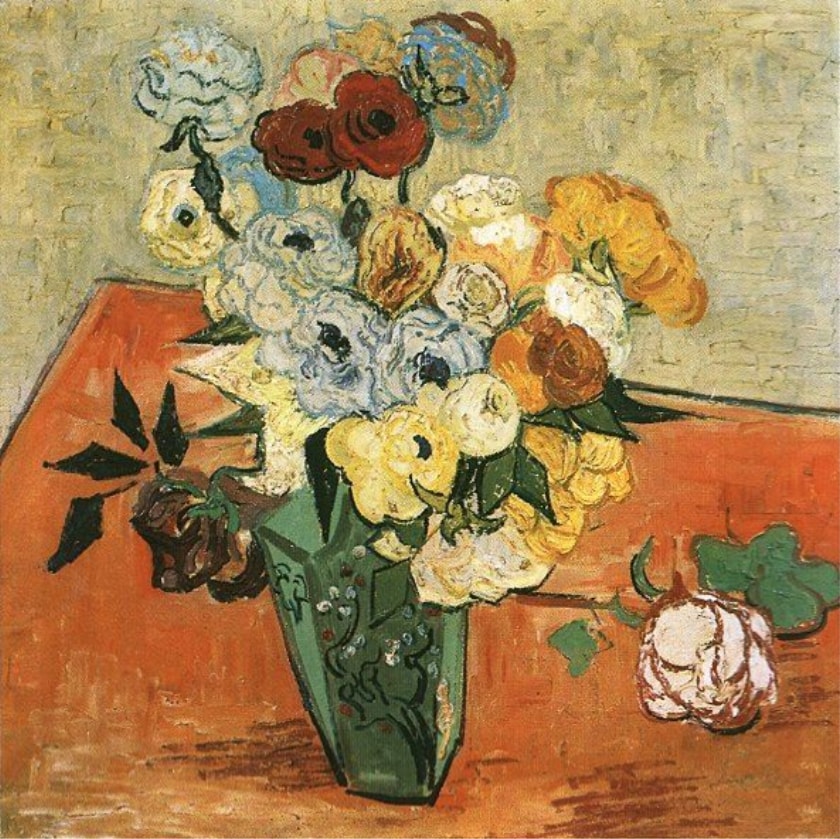
F764 Roses and Anemones 1890 -
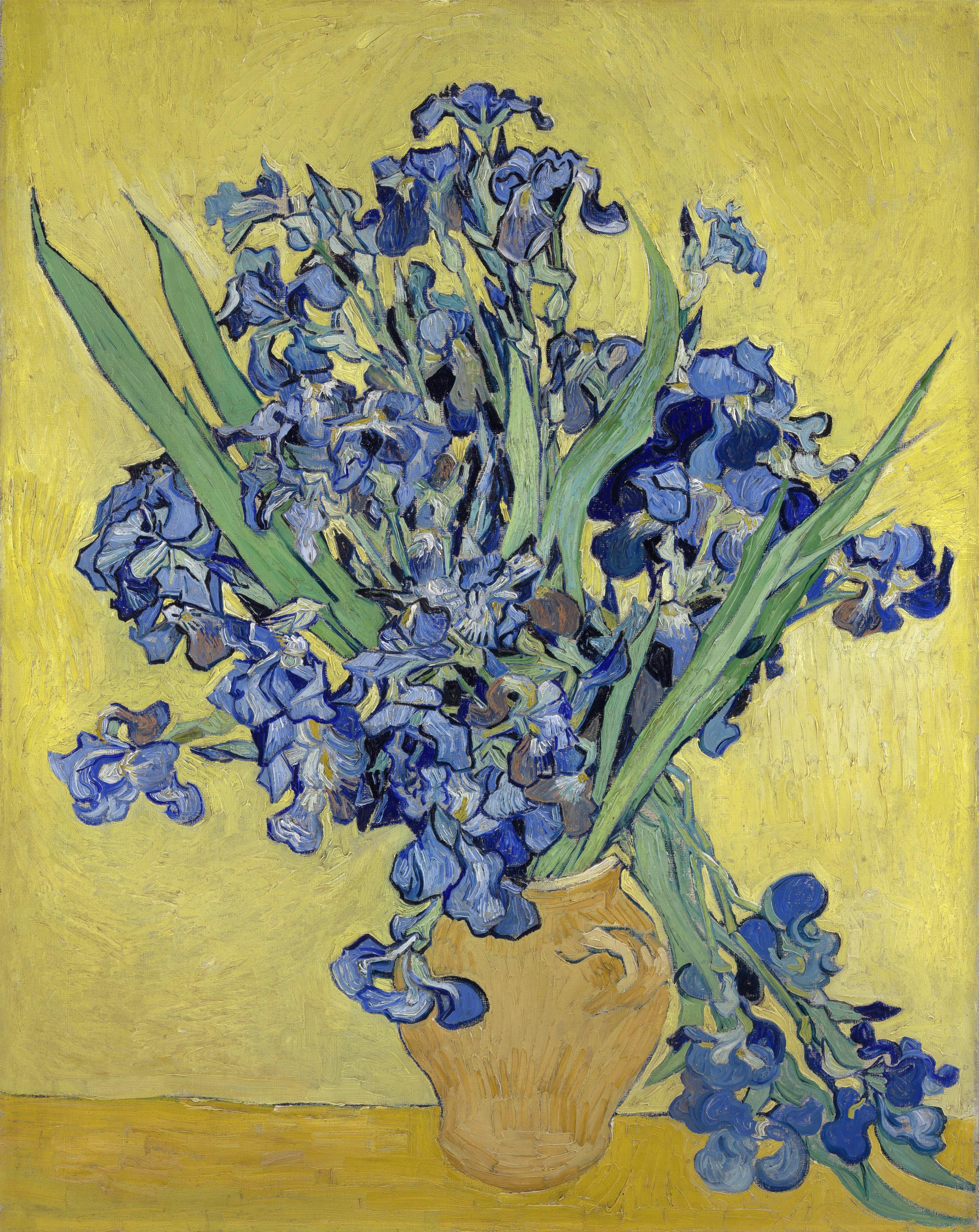
F678 Irises in a Vase 1890 -
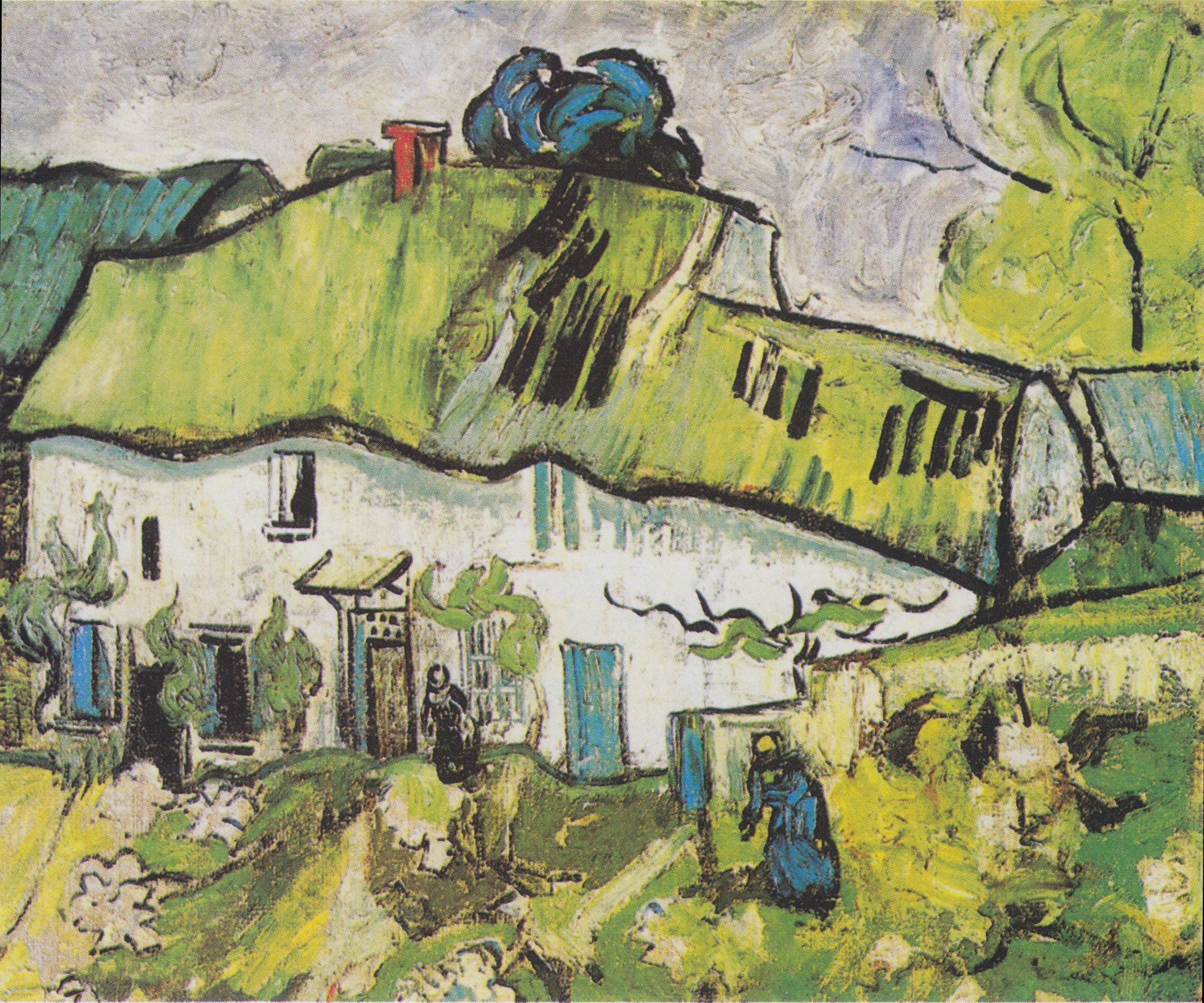
F806 Farmhouse 1890 -
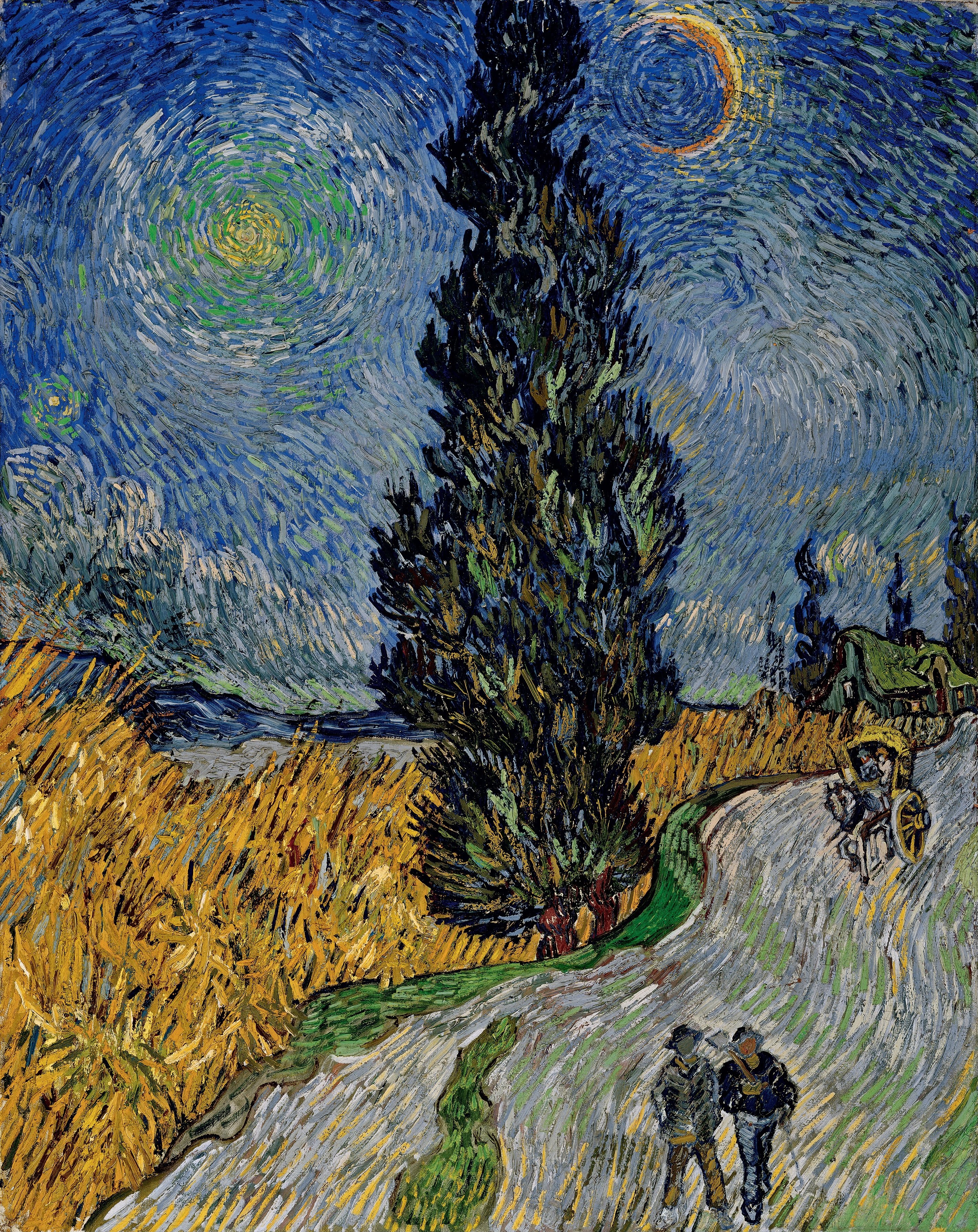
F683 Country Road in Provence by Night 1890 -
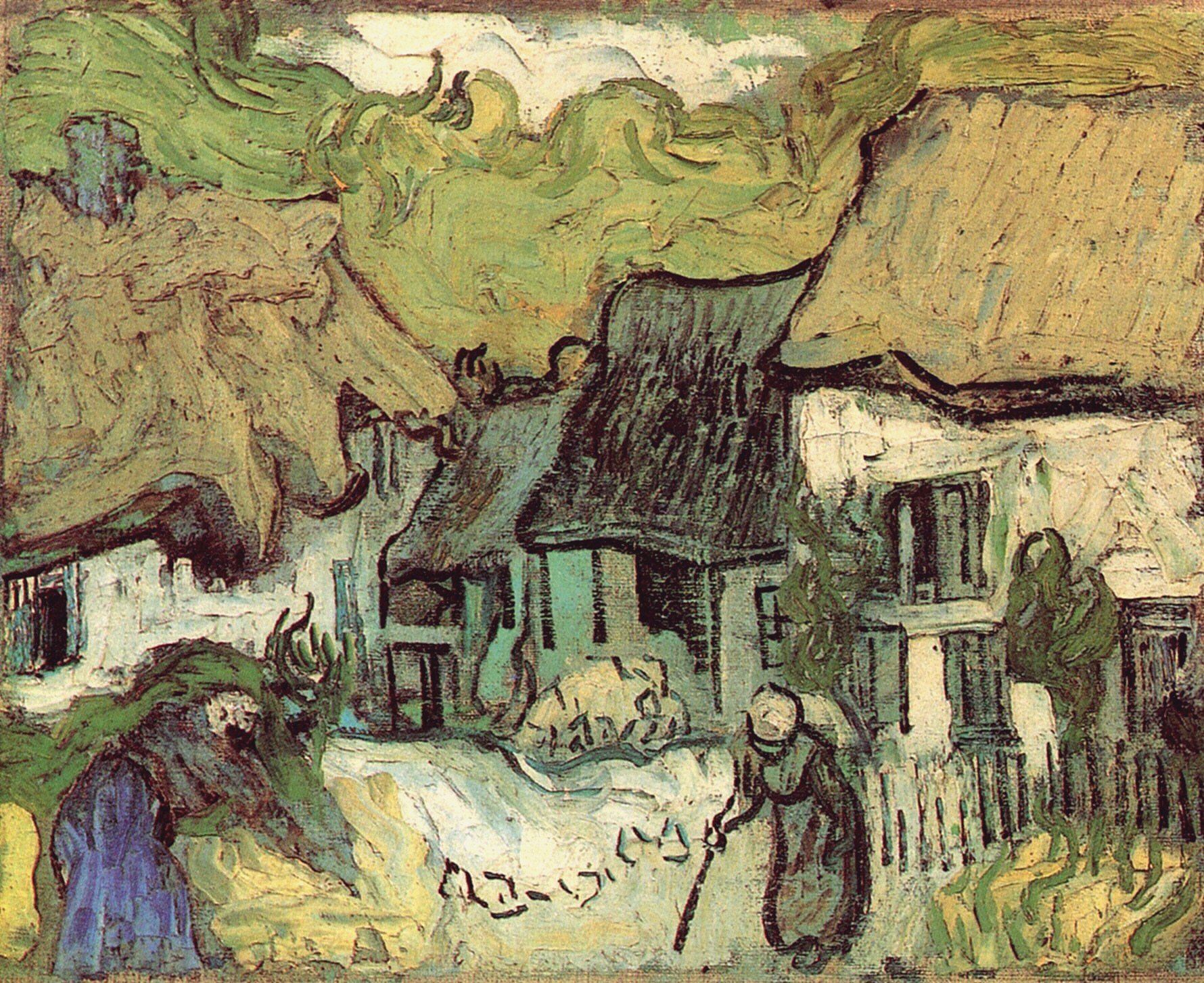
F758 The thatch-roofed cottages of Jorgus 1890 -
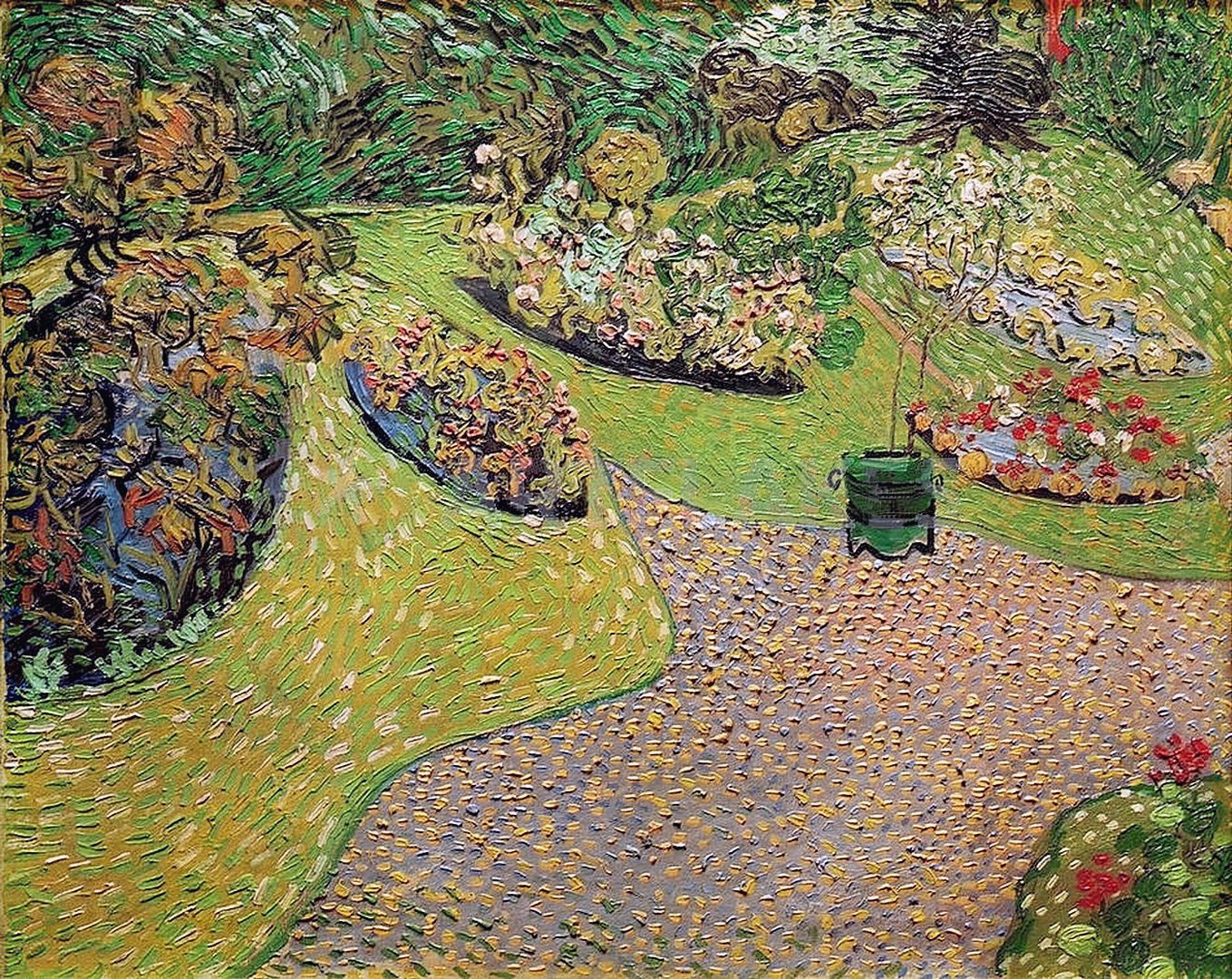
F814 Garden at Auvers 1890
Painting
21 May to 27 July 1890. In seventy days he completed more than eighty oils, dozens of drawings, and was still writing letters. The works span the whole stretch: Houses at Auvers, The Church at Auvers, Portrait of Doctor Gachet, Daubigny's Garden, Wheat Field with Crows, Landscape at Auvers in the Rain, Tree Roots. Each canvas is the standard 30 size — he wrote, "I'm doing canvases of 30 almost every day." This was the most productive, most restrained, and least self-explanatory period of his life — the paintings doing the talking, while he himself spoke less and less.
Letter
June 1890, just after arriving in Auvers. "Auvers is very beautiful — among other things a lot of old thatched roofs, which are becoming rare." Early July: "I've got back to work — though the brush almost falls from my hands — and knowing well what I wanted I've painted three more large canvases since." July: "I'm doing canvases of 30 almost every day." Three sentences cover the whole period — the joy of arrival, the difficulty of producing, the steadiness of rhythm. "The brush almost falls from my hands" is the most direct description of his bodily state. He was still painting, but already racing against gravity.
Place
Auvers-sur-Oise, a village 30 km northwest of Paris. After leaving Saint-Rémy, Theo recommended he come here — Dr. Gachet was here, ready to look after him. He lived in a small attic room on the third floor of the Ravoux Inn, the rent was low, the window looked out over the square. Each early morning he set out with a canvas on his back, walking to the wheat fields, the church, the river, Daubigny's garden. He took his midday meal at the Ravoux's table and painted again in the afternoon. The most regular stretch of his life — and the shortest.
In May 1890 he came out of Saint-Rémy, saw Theo and Jo in Paris, saw his nephew, saw some painter friends, and then went to Auvers. On the surface, freer, closer to ordinary life.
In seventy days he painted more than eighty oils, and a great many drawings. In an early Auvers letter, he said the journey and the time there had gone well; he described new portraits, gardens and the church. Elsewhere he wrote that he was making size-30 canvases almost every day.
On 27 July he was shot, and died two days later, Theo at his side. The unsent letter was in his pocket.
Events
- Synaesthetic Precision · Letter 873
Arrived in Auvers-sur-Oise. Took a small attic room on the third floor of the Ravoux Inn, window opening onto the village square
- Synaesthetic Precision · Letter 873
'Auvers is very beautiful — among other things a lot of old thatched roofs, which are becoming rare.' His first letter described the houses in front of him with words from childhood
- The Colour Experimenter · Letter 879
'I'm doing canvases of 30 almost every day.' In seventy days he completed more than eighty oils and dozens of drawings
- The Colour Experimenter · Letter 879
A colour encyclopaedia unfolding — the cobalt-violet of the Auvers church, the cobalt ground of Doctor Gachet, the rose and green of Daubigny's garden. Each painting one colour problem
- Synaesthetic Precision · Letter 898
Production density and verbal silence occurred together. In Arles 1888, thirty-plus letters a month; across the seventy Auvers days, about fifteen. The paintings encrypted, the words tightened
- Synaesthetic Precision · Letter 898
'I've got back to work — though the brush almost falls from my hands — and knowing well what I wanted I've painted three more large canvases since.'
- Synaesthetic Precision
Afternoon of 27 July 1890 — he returned from the wheat fields of Auvers wounded. Two days later he died at the Ravoux Inn
From the Letters
Auvers est bien beau — beaucoup de vieux chaumes entre autres, ce qui devient rare. Auvers is very beautiful — among other things a lot of old thatched roofs, which are becoming rare.
Je me suis remis au travail — quoique la brosse me tombe presque des mains — et sachant bien ce que je voulais j'ai encore peint trois grandes toiles depuis. I've got back to work — though the brush almost falls from my hands — and knowing well what I wanted I've painted three more large canvases since.
Je fais des toiles de 30 presque chaque jour. I'm doing canvases of 30 almost every day.
Letter Sources
Van Gogh letter records referenced on this page, linked to the Van Gogh Letters Project. vangoghletters.org
Technique Evidence
This work appears as evidence in this site’s technique-evolution axis.
- The World in Motion 1889.05 – 1890.05 Open period F608 / JH1691 Irises Impasto Visible impasto and thick brushwork Brushstroke Representative of swirling brushwork
- The Burning Seventy Days 1890.05 – 1890.07 Open period F753 / JH2007 Portrait of Dr. Gachet Speed Representative work from the 70-day Auvers burst
- The Burning Seventy Days 1890.05 – 1890.07 Open period F789 / JH2006 Church at Auvers Speed Representative work from the 70-day Auvers burst
- The Burning Seventy Days 1890.05 – 1890.07 Open period F772 / JH2048 Marguerite Gachet at the Piano Format 50 x 100 cm double-square canvas Speed Representative work from the 70-day Auvers burst
- The Burning Seventy Days 1890.05 – 1890.07 Open period F778 / JH2097 Wheatfield Under Thunderclouds Format 50 x 100 cm double-square canvas Speed Representative work from the 70-day Auvers burst
- The Burning Seventy Days 1890.05 – 1890.07 Open period F779 / JH2117 Wheatfield with Crows Speed Representative work from the 70-day Auvers burst