The Loti Month in Arles
In the summer of 1888, the bare Japanese rooms in Loti’s novel made him reconsider where a drawing should be seen.
-
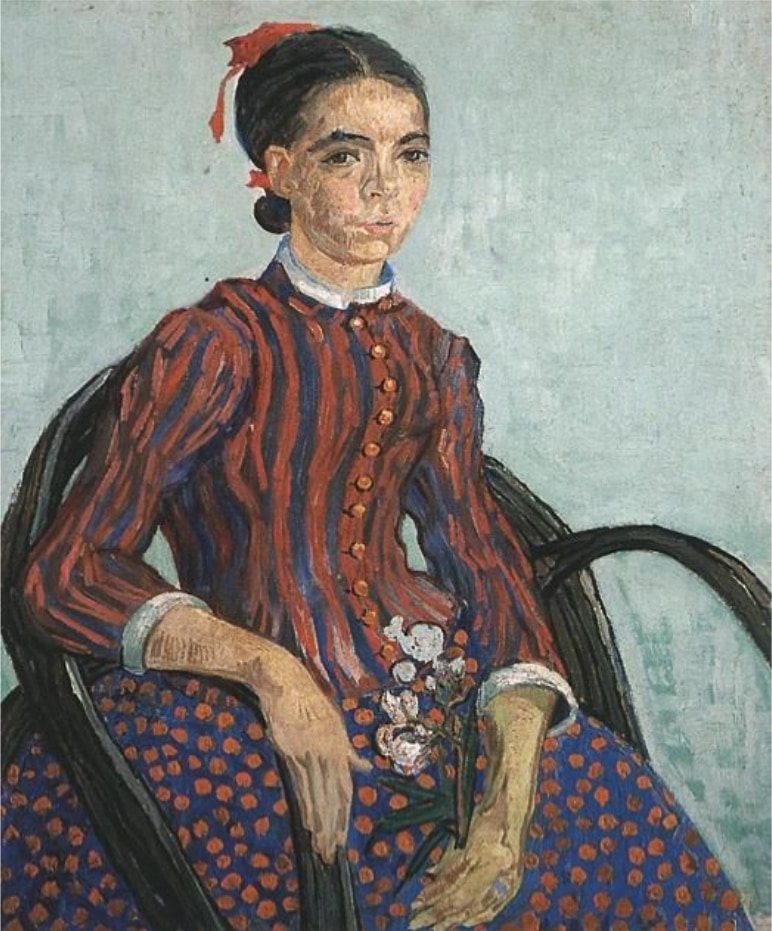
F431 La Mousmé 1888 -
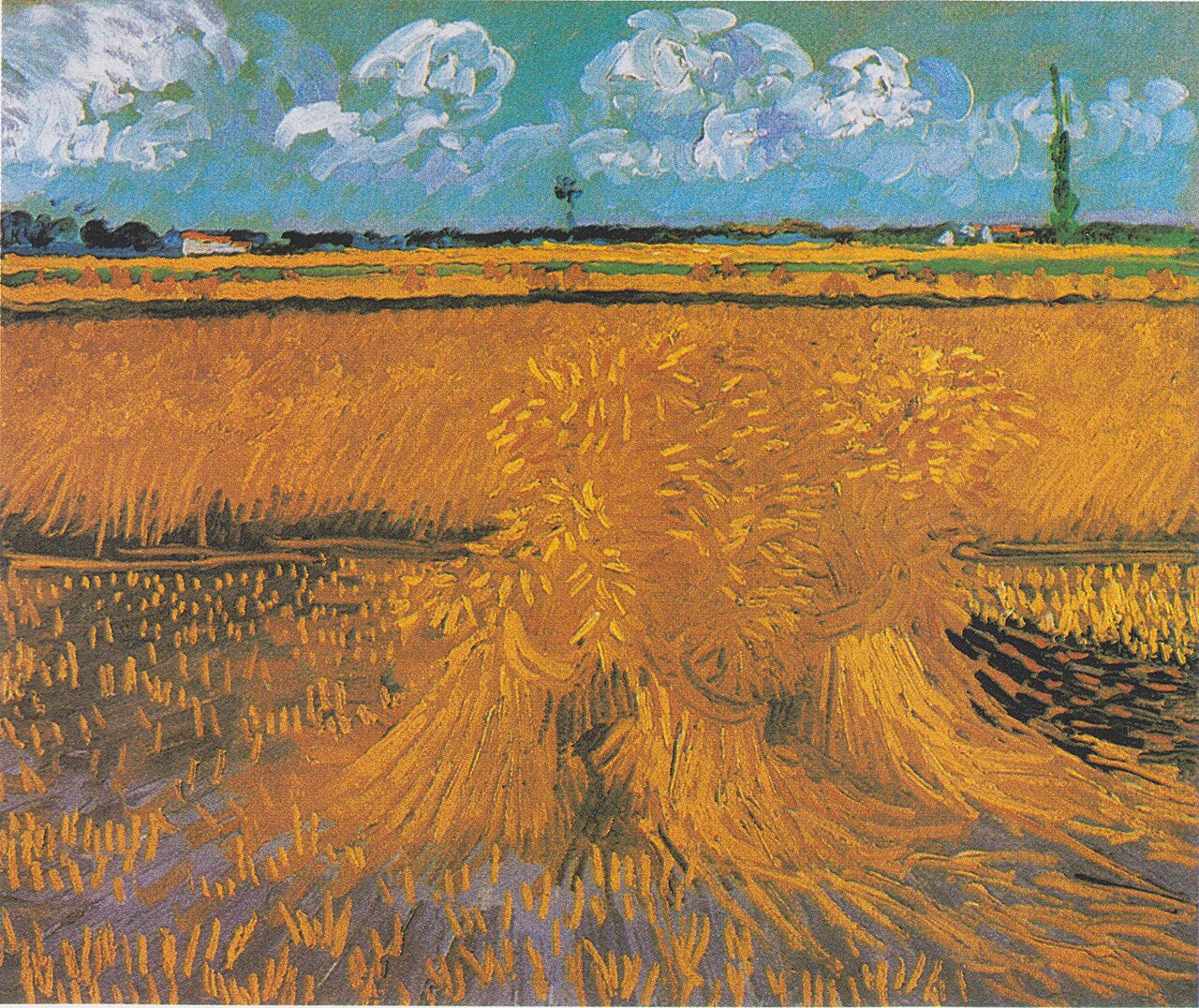
F561 Wheat Field with Sheaves 1888
Painting
This node shows La Mousmé (F431) and Wheat Field with Sheaves (F561). La Mousmé depicts a Provençal girl. In his letter of 29 July, Van Gogh said the word “mousmé” could be understood from Loti’s Madame Chrysanthème and specified that this girl was Provençal. The other work depicts a wheatfield near Arles. Being made in the same month does not establish that it came from the novel.
Letter
Early in July he asked Theo whether he had read Madame Chrysanthème. He then wrote that the undecorated Japanese rooms in the book made him think of how to view his drawings of La Crau and the Rhône: in a bright, bare room open to the landscape. On 15 July he added that these interiors had stirred his curiosity about more synthetic Japanese drawings from another period.
Place
Arles. He described his own working room as four white walls and red floor tiles. He asked Theo to look at the two southern drawings in a bright café with no other pictures, or outdoors. The room was not an exotic stage set from the novel; it was a concrete condition under which to test the drawings.
Events
- The Ferocious Reader · Letter 637
He read of Bing’s Japanese art exhibition and asked Theo whether he had read Loti’s Madame Chrysanthème, calling it very interesting.
- The Translator · Letter 639
The bare Japanese interiors in Madame Chrysanthème made him ask Theo to view his drawings of La Crau and the Rhône in a bright, empty place.
- The Ferocious Reader · Letter 642
Loti’s description of undecorated rooms stirred his curiosity about more synthetic Japanese drawings from another period.
- The Translator · Letter 650
He called his recently finished portrait of a Provençal girl a “mousmé” and told Theo that Loti’s novel explained the word.
From the Letters
Est ce que tu as lu Mme Chrysantême/ cela m’a bien donné à penser que les vrais japonais n’ont rien sur les murs. Have you read Madame Chrysanthème? It really gave me a lot to think about, that the real Japanese have nothing on their walls.
Le livre de Loti/ Mme Chrysantême/ m’a appris ceci: les appartements y sont nus/ sans décorations & ornements_ Et justement cela a reveillé ma curiosité pour les dessins excessivement synthetiques d’une autre periode. Loti’s book, Mme Chrysanthème, taught me this: the apartments are bare, without decorations or ornaments. And it was that that awakened my curiosity about the excessively synthetic drawings of another period.
Une mousmé est une fille Japonaise – provencale dans ce cas – de 12 à 14 ans. A mousmé is a Japanese girl — Provençale in this case — aged between 12 and 14.
Letter Sources
Van Gogh letter records referenced on this page, linked to the Van Gogh Letters Project. vangoghletters.org