1885.11 – 1886.02
Obsessive Darkness
Three months. The palette was no longer the same set of colours.
Technique
The palette began to warm: cobalt blue, vermilion, crimson lake entered his paint box for the first time. Standing directly before Rubens in the cathedral — flesh tones, dynamic composition, warm shadows — he absorbed what no reproduction could have given him. In dockside shops he purchased his first Japanese woodblock prints; the subject matter had not yet entered his work directly, but the visual impact had begun. The first self-portraits date from this period. The brushwork lightened and clarified compared with Nuenen.
Causes
He came to Antwerp to seek formal academic training. He enrolled briefly at the Antwerp Academy, fell into conflict with the teachers over drawing method, and left quickly. The city itself was a visual shock — his first break from the Dutch countryside. His health deteriorated: syphilis treatment and extensive tooth loss. The physical experience of urban life and bodily decay ran in parallel with the palette shift.
Representative works
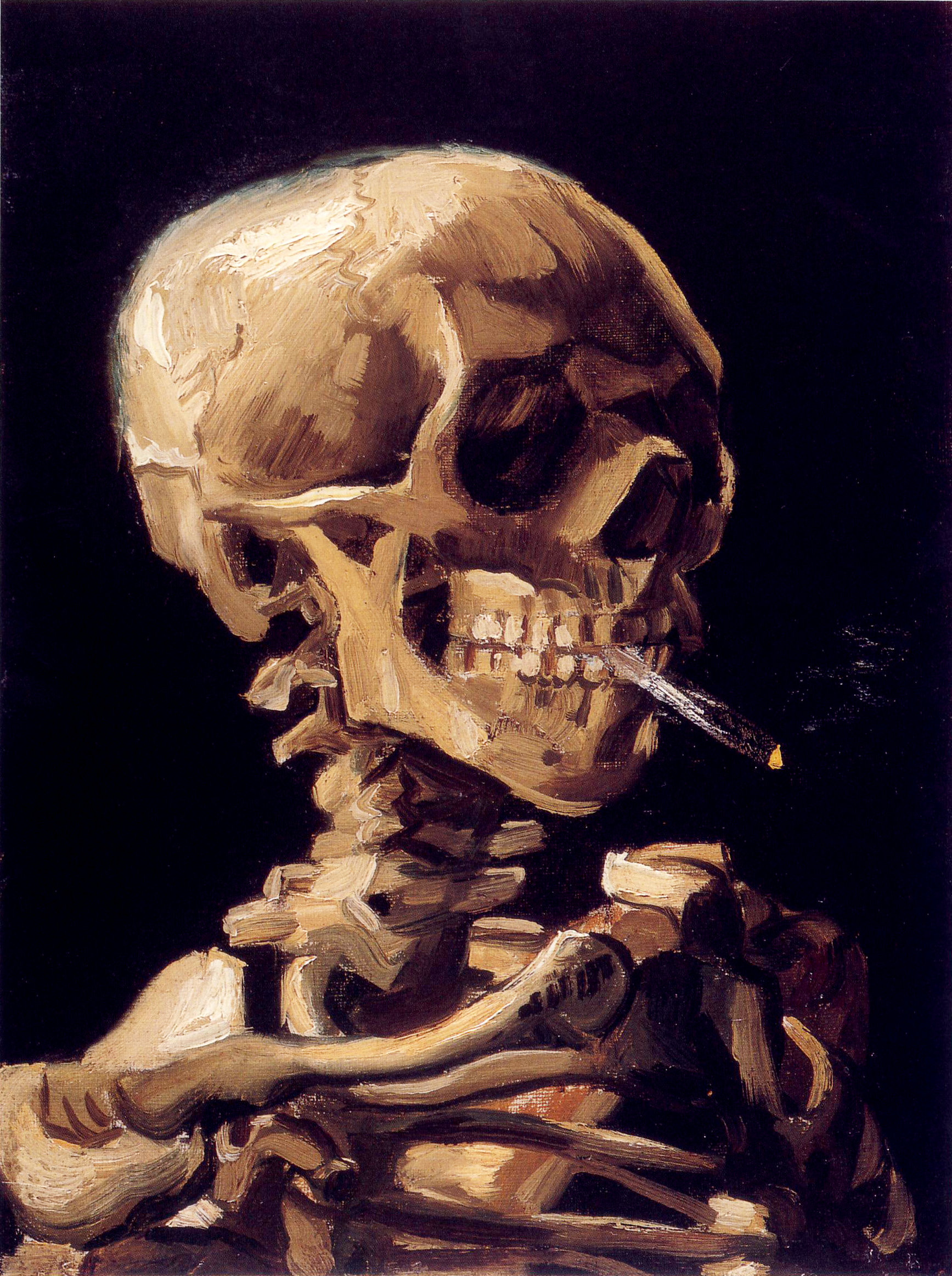
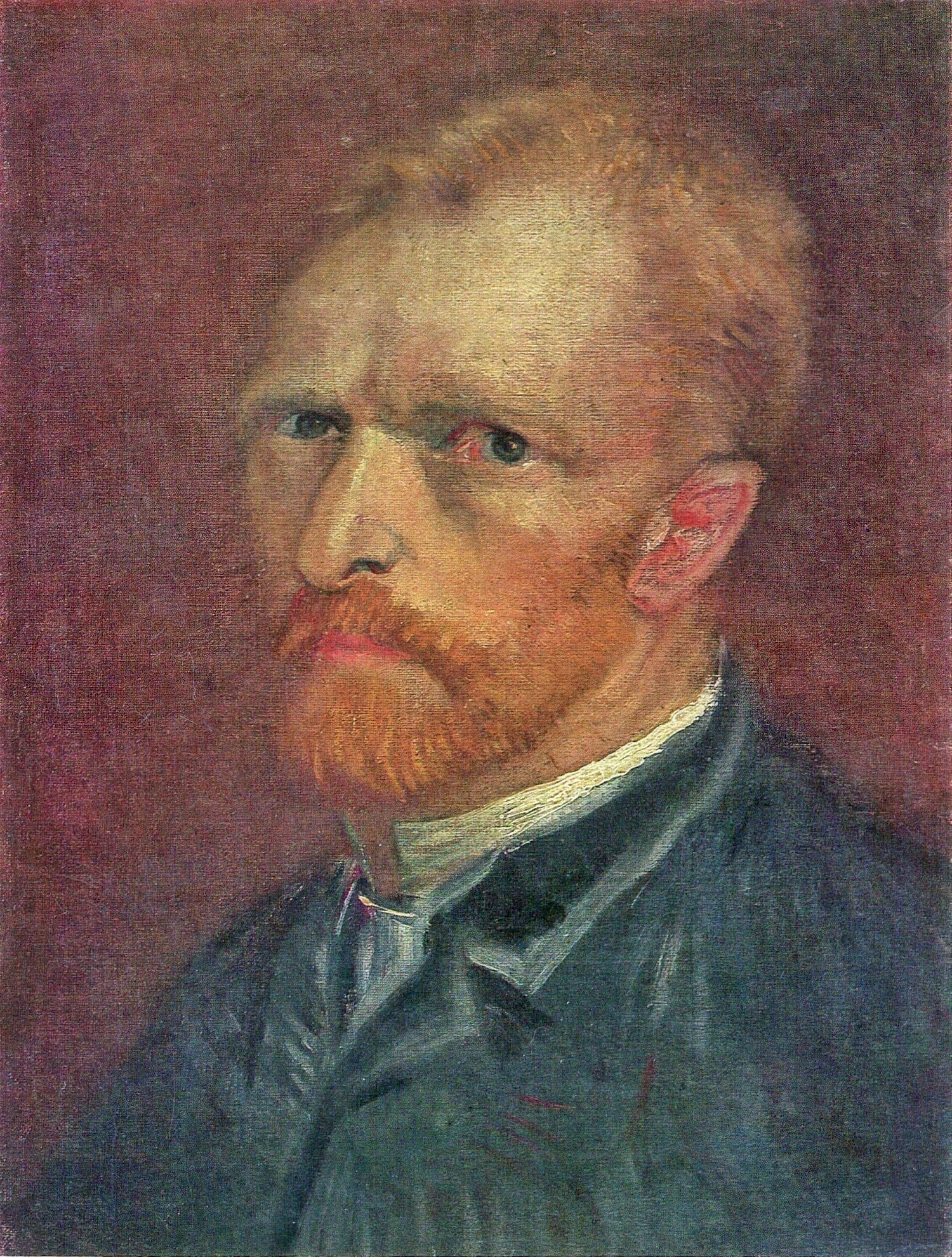
- *Skull of a Skeleton with Burning Cigarette* (F212 / JH999, January 1886): a byproduct of the Academy's anatomy class - *Self-Portrait* (F178v / JH1089, 1886): one of his earliest identifiable self-portraits - *View of the Antwerp Quay*: harbour studies drawn directly from observation
Letter evidence
- Letters 545–553 (November 1885 – February 1886): concentrated discussion of Rubens, Japanese prints, and the Academy conflict - The letter density is higher here than in late Nuenen — but the period is short, and the total volume is limited
Transition
At the end of February 1886, he boarded a train to Paris without warning, leaving a note for Theo at the Louvre waiting room. Two years of near-silence in the correspondence were about to begin. The next rich exchange of letters would wait until Arles in 1888.
Curve Landing Points
Obsessive Darkness: transitional
Obsessive Darkness: oil, pencil
Obsessive Darkness: cobalt_blue, vermilion, crimson_lake
Obsessive Darkness: 65
Obsessive Darkness: 9
Representative Works
Site curatorial model. Verifiable facts now carry source notes; estimated curves remain model values.