Period II
Obsessive Darkness
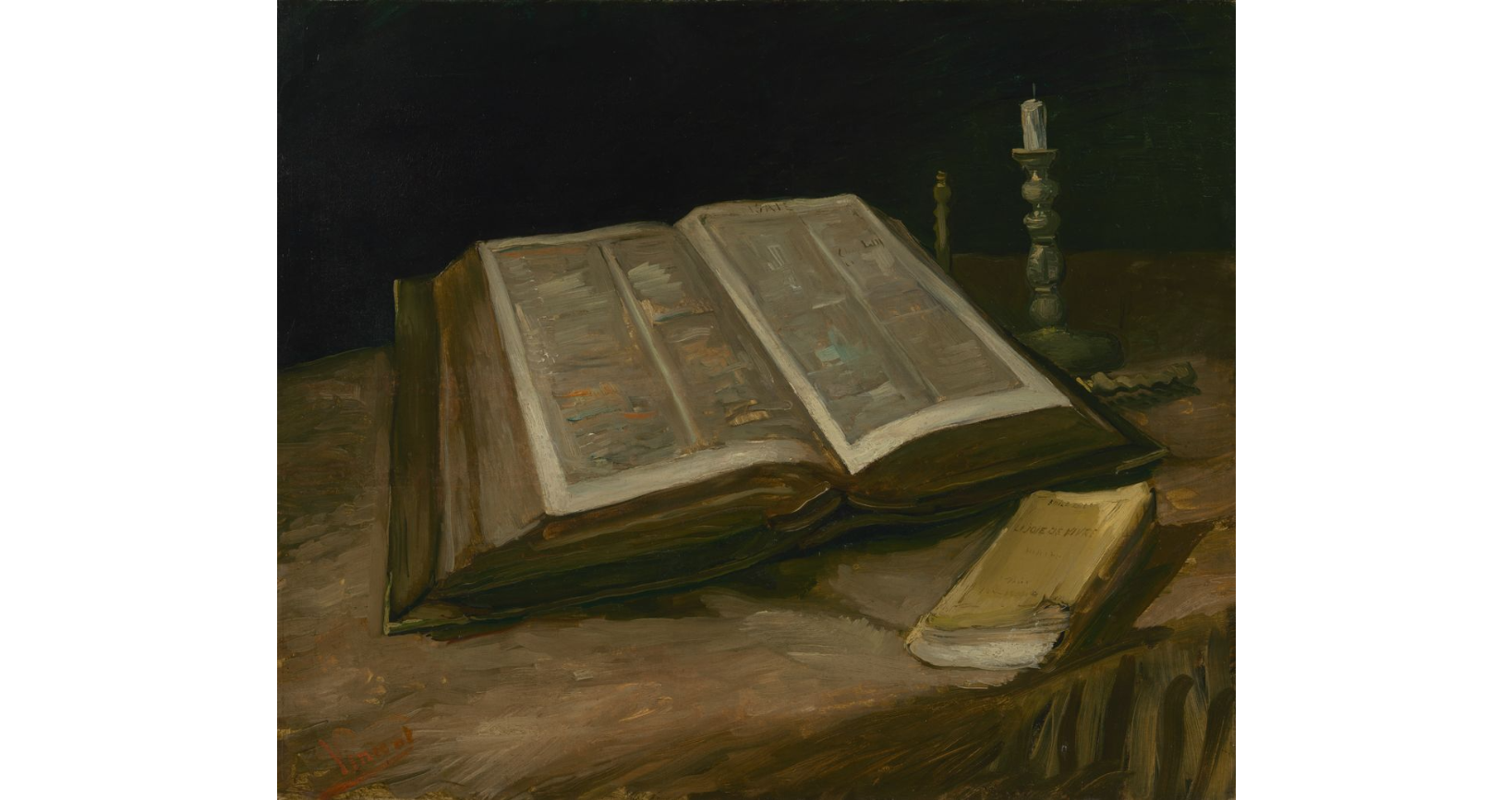
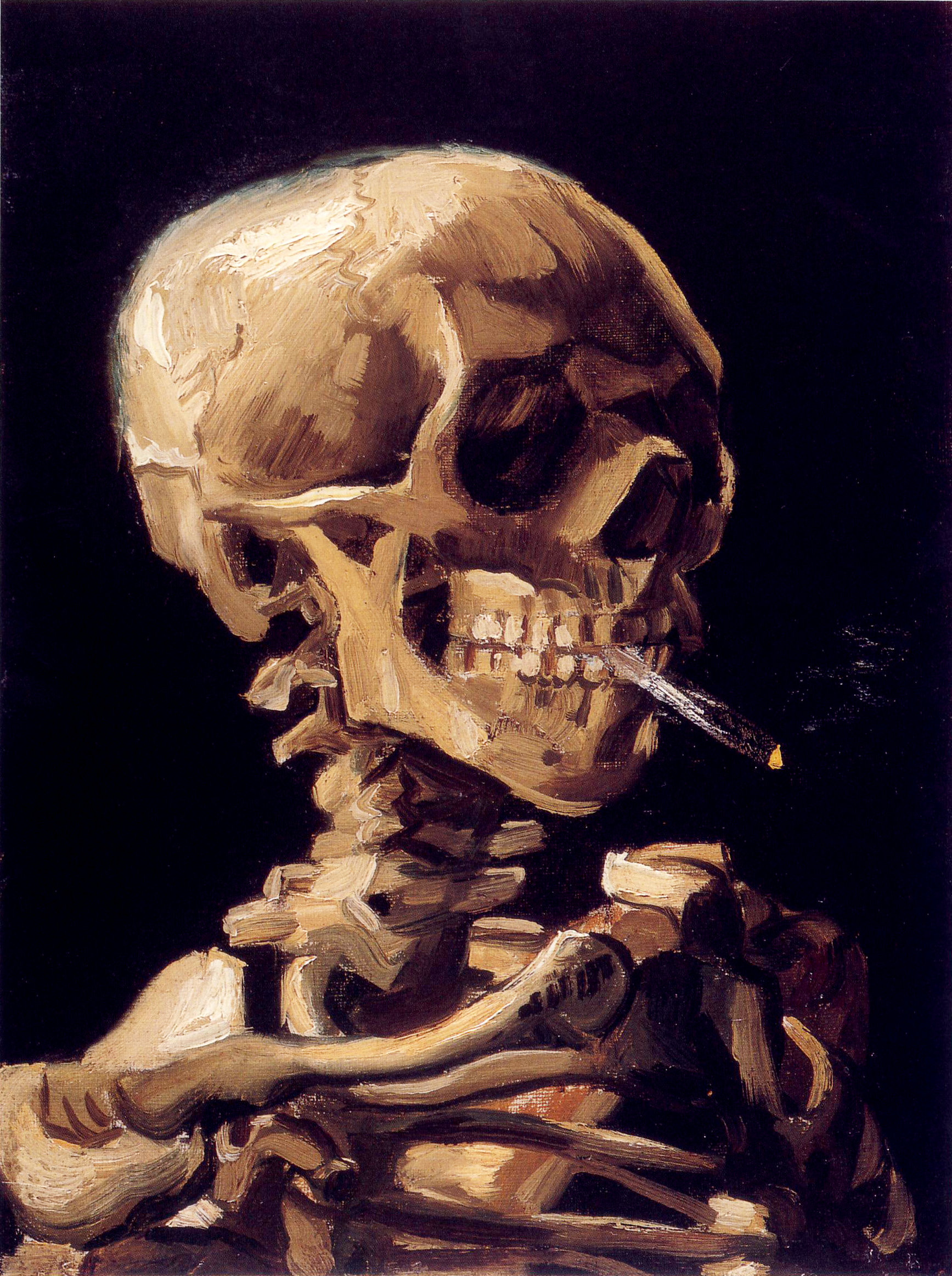
1883.12 - 1886.02 · Nuenen / Antwerp Bitumen, raw umber, black. Then Rubens's vermilion enters.He knew colour theory. He had read Delacroix and Charles Blanc. He chose darkness anyway.
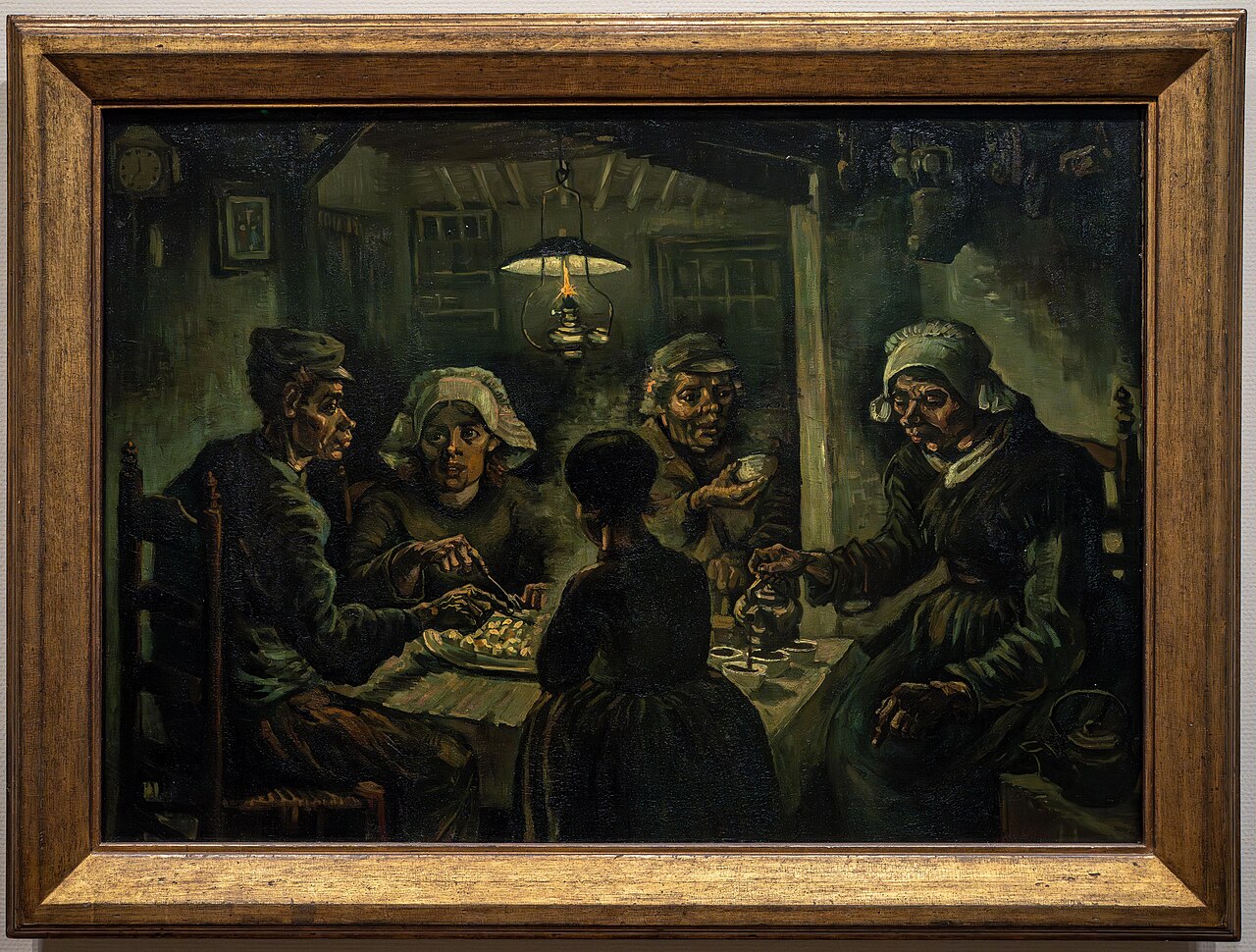
The Potato Eaters was the peak of that stance. The paint had to carry soil, lamp oil and the hands that had dug the potatoes.
In Antwerp, Rubens loosened that belief. Brightness did not have to mean dishonesty. Three months later, he took the train to Paris.
Palette · Nuenen
- Bitumen, raw umber, burnt umber, yellow ochre
- Lead white and a little Prussian blue
- Almost no pure high-chroma colour
Light · impasto
- A Rembrandt-like deep golden-brown tonality
- Impasto begins to appear
- Brushstrokes start to carry the edge of form
Antwerp transition
- Cobalt blue, vermilion and crimson enter
- Rubens changes his sense of flesh colour
- The dark palette begins to crack
Causes
Ethics Darkness keeps peasant life from becoming decorative.
Reading He had already read colour theory, including Delacroix and Blanc.
Museum Rubens in Antwerp released a brighter flesh palette.
Material Impasto gave physical weight to poverty and labour.
Representative works · Material Evidence
Key letters
letter 497 · 1885.04.30 The famous defence of The Potato Eaters.
letters 372-400 He writes about Rubens and Antwerp colour.
Back to the breath line
On the breath line, this is the central early declaration:
The breath line shows how moving The Potato Eaters is. The technique line shows darkness as a deliberate moral position.