Period VI
Seventy Days Burning
1890.05 - 1890.07 · Auvers-sur-Oise 80 paintings in 70 days. The double-square format appears.He arrived at Auvers on 20 May 1890. He wrote that the countryside was beautiful with an almost unreal intensity.
In seventy days he made more than eighty paintings and asked Theo to order a special 50 x 100 cm canvas format.
Letters show the crack widening: Theo’s health and finances were failing. The painting did not slow down. It accelerated.
Brushstroke · fragmentation
- The continuous swirl breaks into adjacent fragments
- Application shifts from deposit to throw
- The density feels urgent
Speed · peak
- More than eighty works in seventy days
- More than one painting per day on average
- A period of high density
Format · invention
- Double-square canvases, 50 x 100 cm
- Thirteen works in seven weeks
- Panoramic horizontal wheat fields
Causes
Light Northern light returned after the southern experiment.
Place At the Auberge Ravoux, the wheat fields were close at hand.
Person Dr. Gachet shaped the treatment relationship.
Crisis Theo’s health and financial crisis widened the crack.
Representative works · Material Evidence
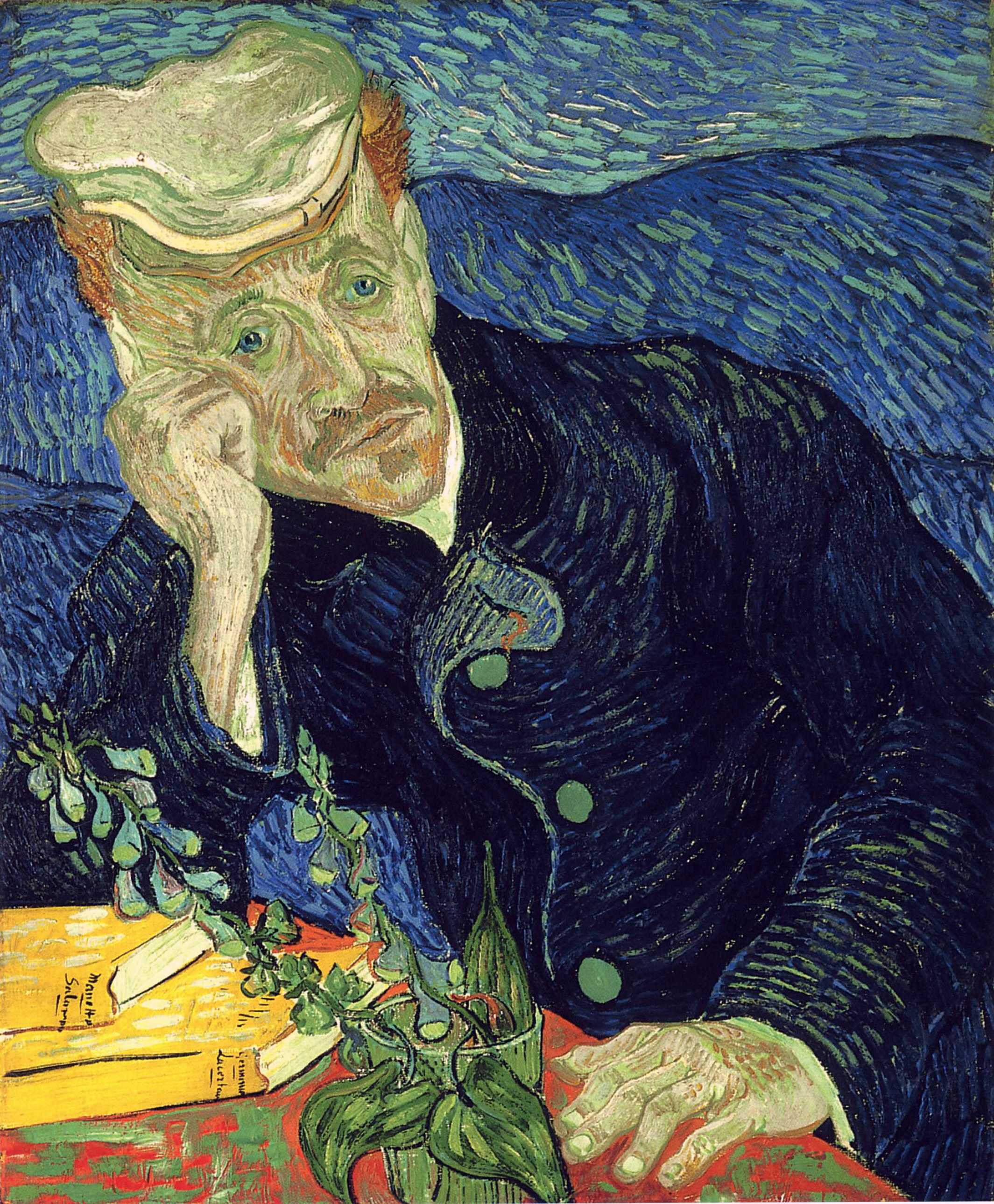 Portrait of Dr. Gachet F753 / JH2007 · 1890.06 One of the two Gachet portraits.
 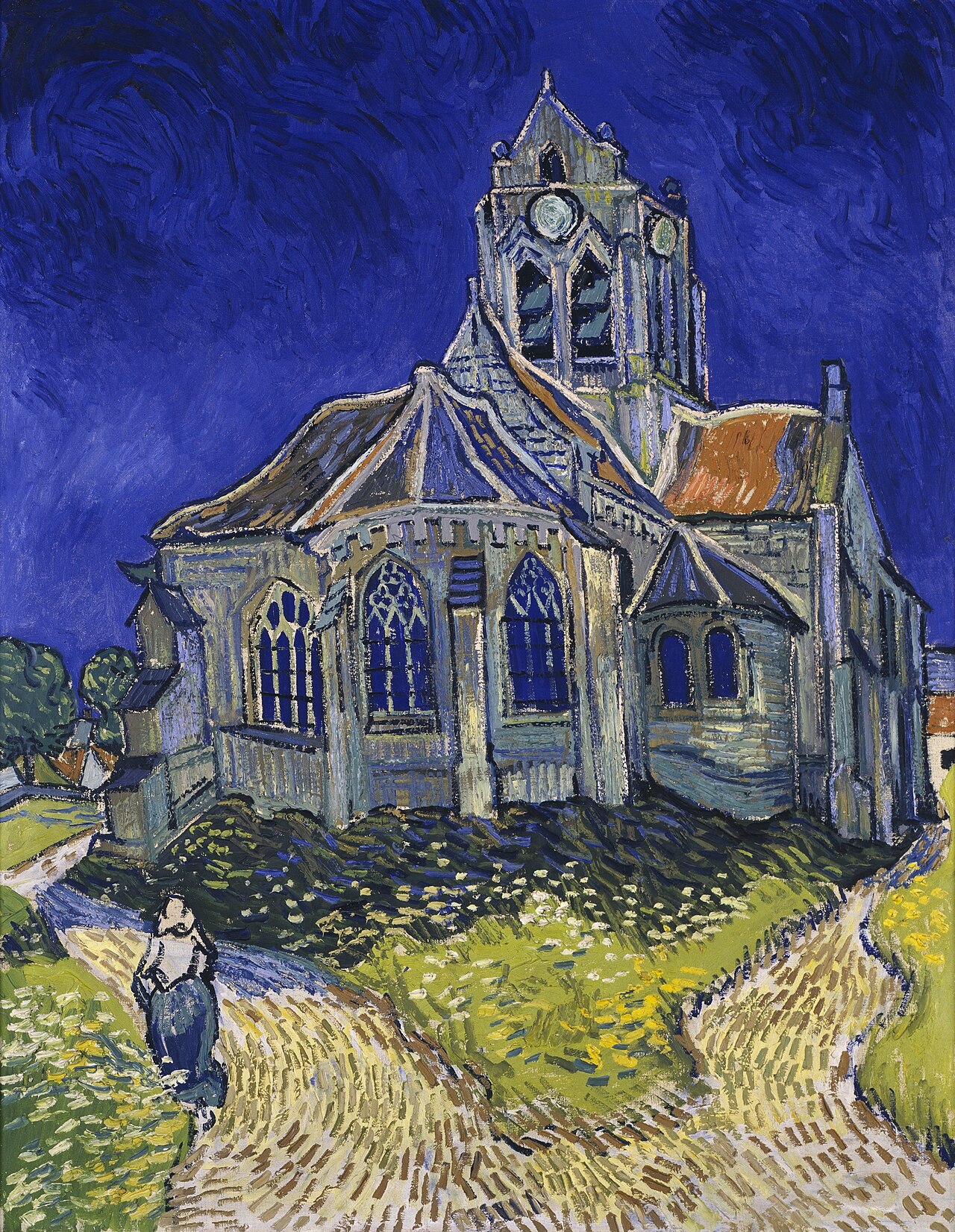 Church at Auvers F789 / JH2006 · 1890.06 A spiritual anchor in Auvers.
 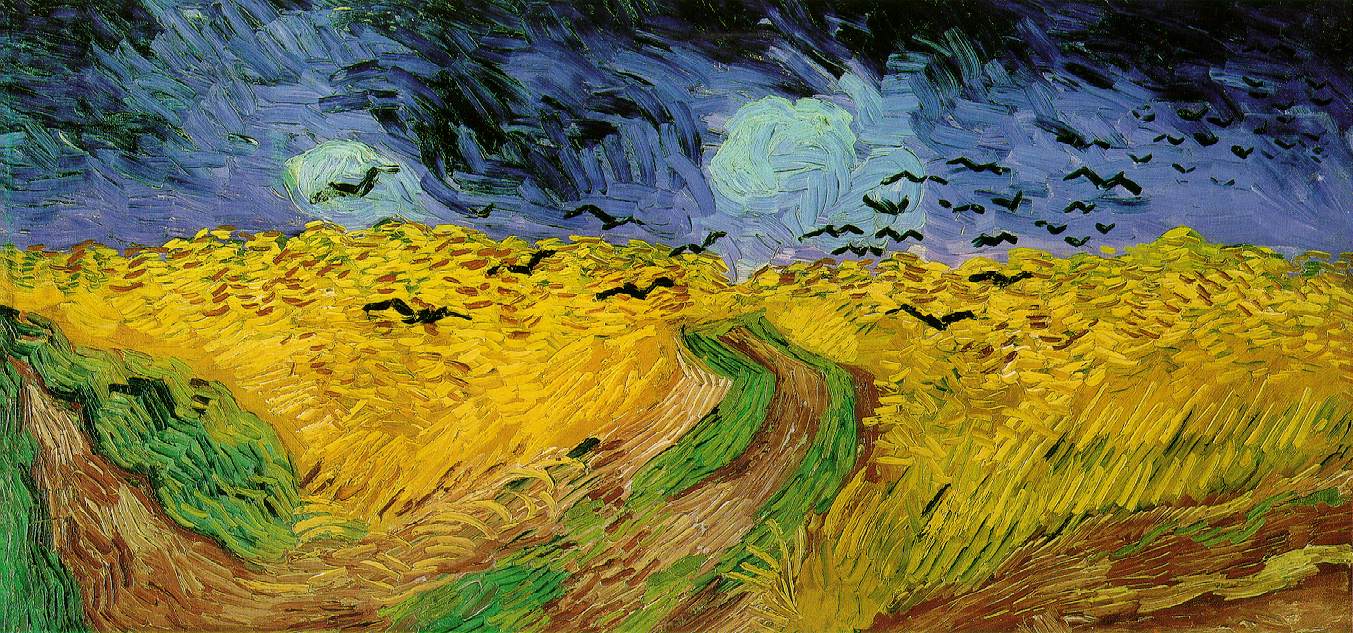 Wheatfield with Crows F779 / JH2117 · 1890.07 Often misremembered as the last painting, though it was not.
 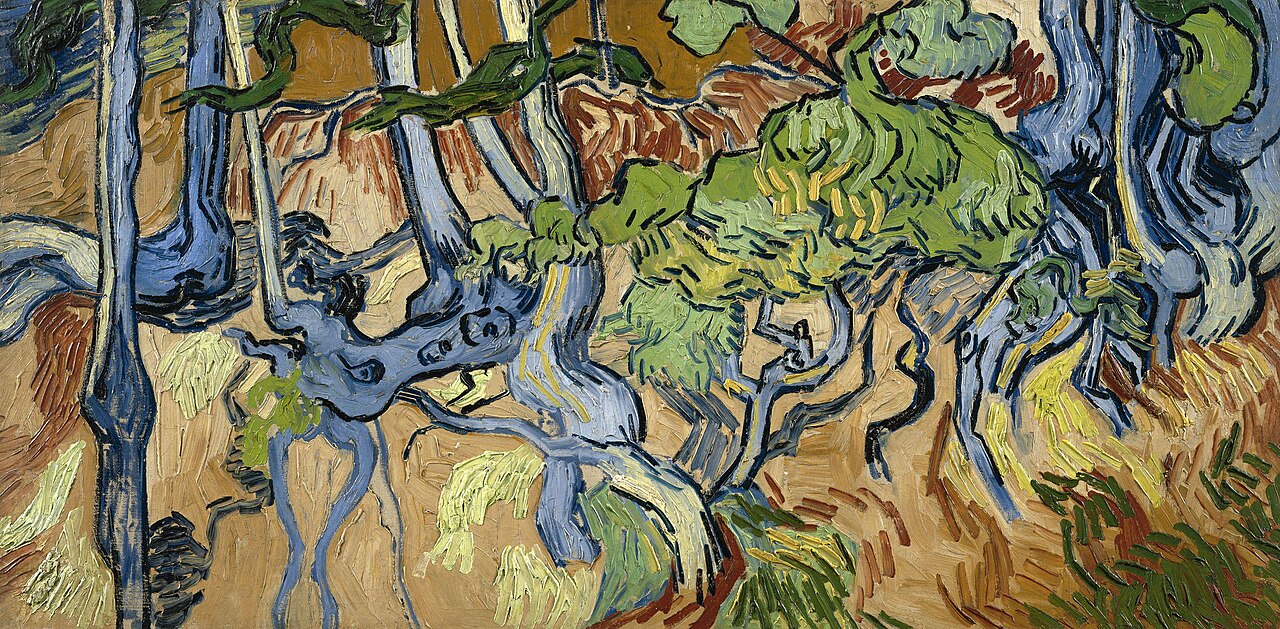 Tree Roots F816 / JH2113 · 1890.07 Possibly the true last painting; unfinished.
 Key letters
letters 879-902 The Auvers correspondence shows his anxiety about Theo.
letter 902 · 1890.07.23 The unsent draft found in his pocket.
Back to the breath line
On the breath line, Auvers is the final seventy days: