techniques

Van Gogh Impasto Technique

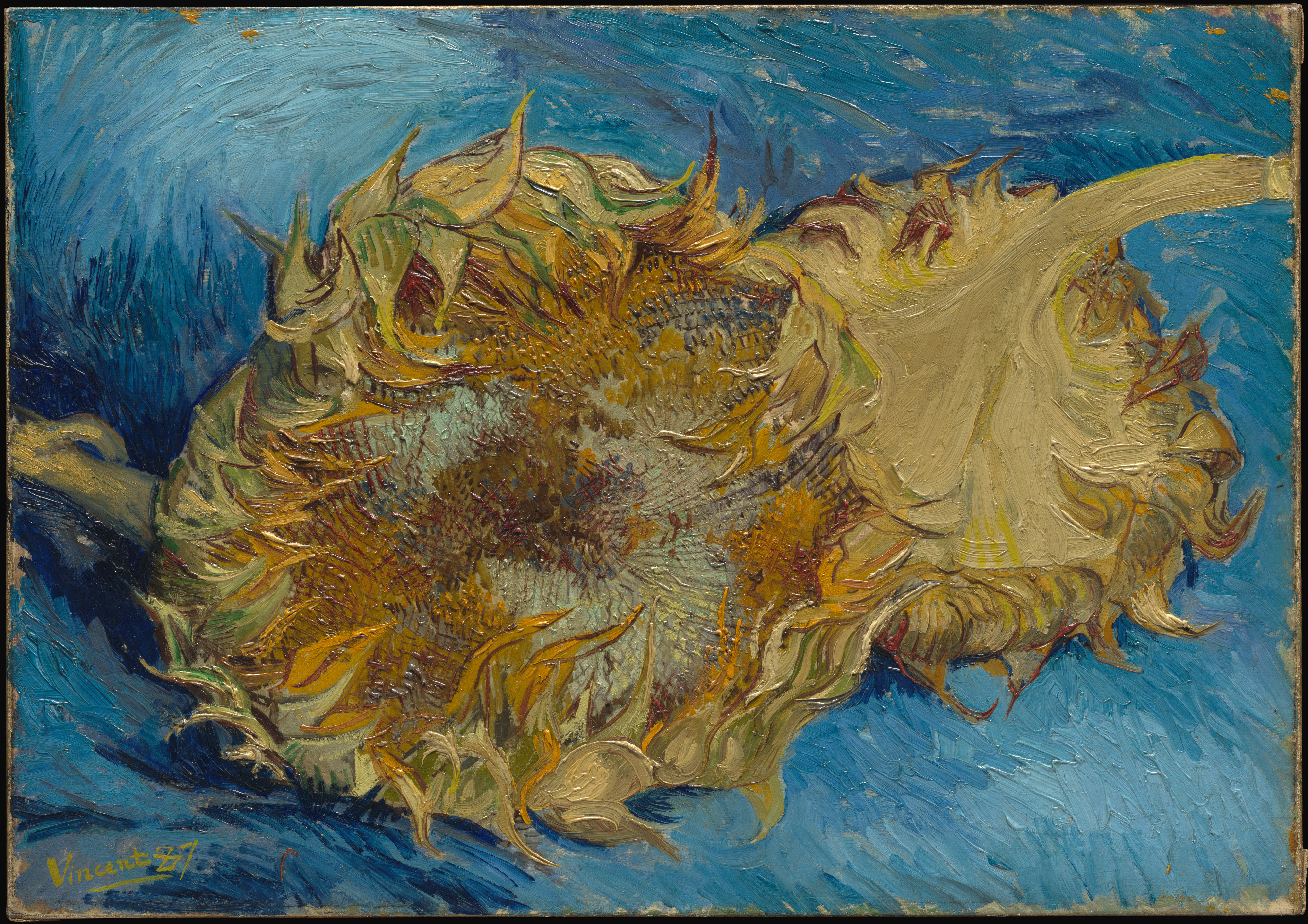
The impasto page connects the visible paint matter in sunflowers, starry nights, cypresses, irises and late wheat fields.

1886 - 1890 · 17 artworks

Van Gogh Impasto Technique

Long-tail intents

  • impasto technique meaning
  • Van Gogh impasto technique
  • thick paint technique Van Gogh

Common Questions

What is impasto in Van Gogh's paintings?

Impasto is paint applied thickly enough to make brush direction, ridges and surface texture visibly part of the image.

Did Van Gogh use impasto in every painting?

No. Paint thickness changes across periods and passages; impasto is one of several ways he made paint carry visual energy.

Why is impasto important in Van Gogh's work?

It makes paint feel material as well as descriptive, helping light, movement and colour remain active on the surface.

Representative Artworks

Narrative Nodes

techniques

Van Gogh Oil on Canvas

This page gathers Van Gogh’s major oil paintings and shows how medium, canvas, pigment and place shape the image.

1880 - 1890 · 128 artworks

Van Gogh Oil on Canvas

Long-tail intents

  • oil on canvas meaning
  • Van Gogh oil on canvas
  • Van Gogh painting medium

Common Questions

What does oil on canvas mean?

It means paint made with an oil binder has been applied to a prepared woven canvas support.

Why did Van Gogh use oil paint on canvas?

Oil paint allowed him to work with strong colour, layered marks and a wide range of surface thickness on a durable support.

Are all Van Gogh works oil on canvas?

No. Van Gogh also made drawings, watercolours, prints and paintings on paper, board and other supports.

Representative Artworks

Narrative Nodes

techniques

Van Gogh Brushstroke Analysis

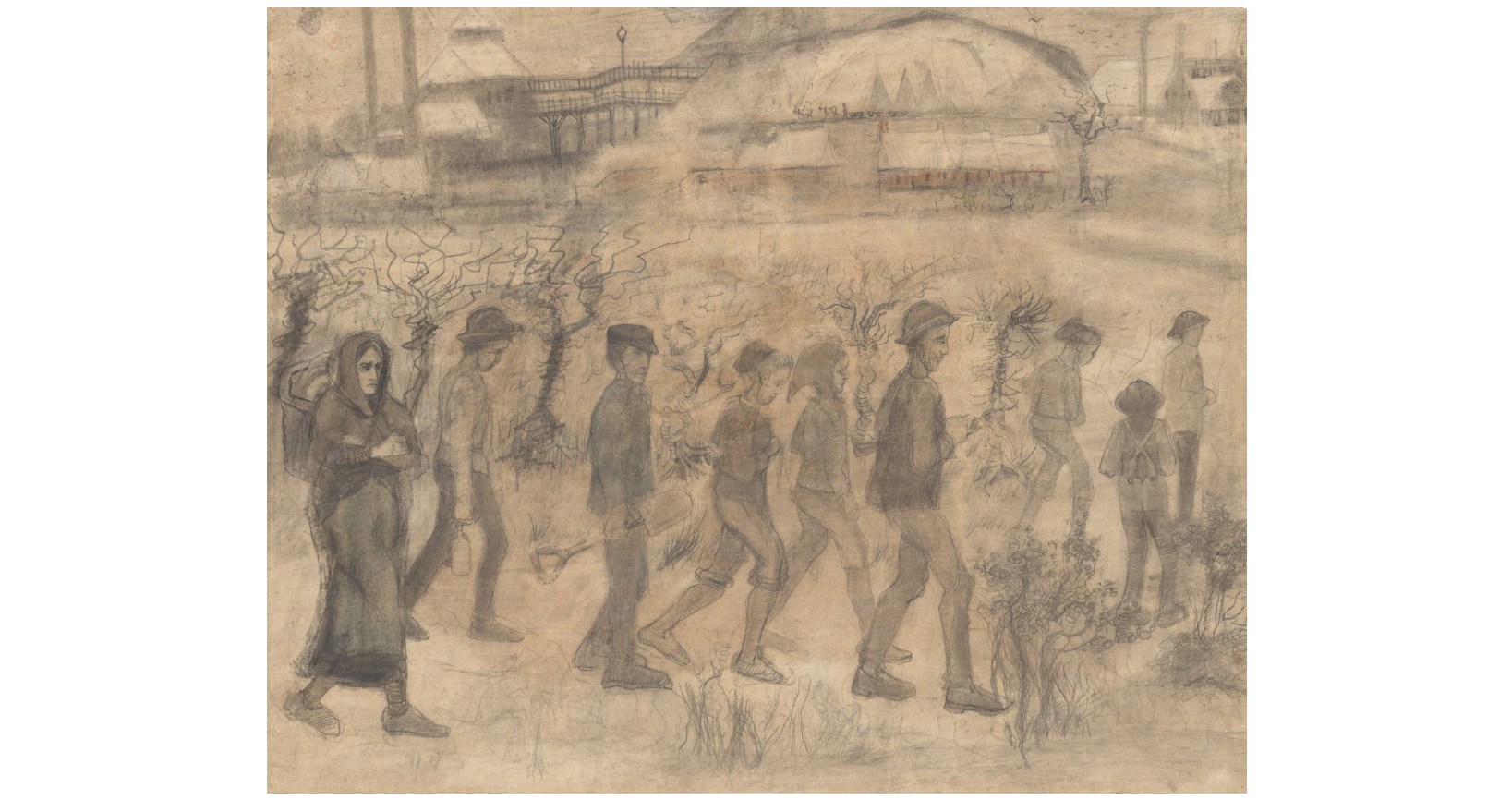
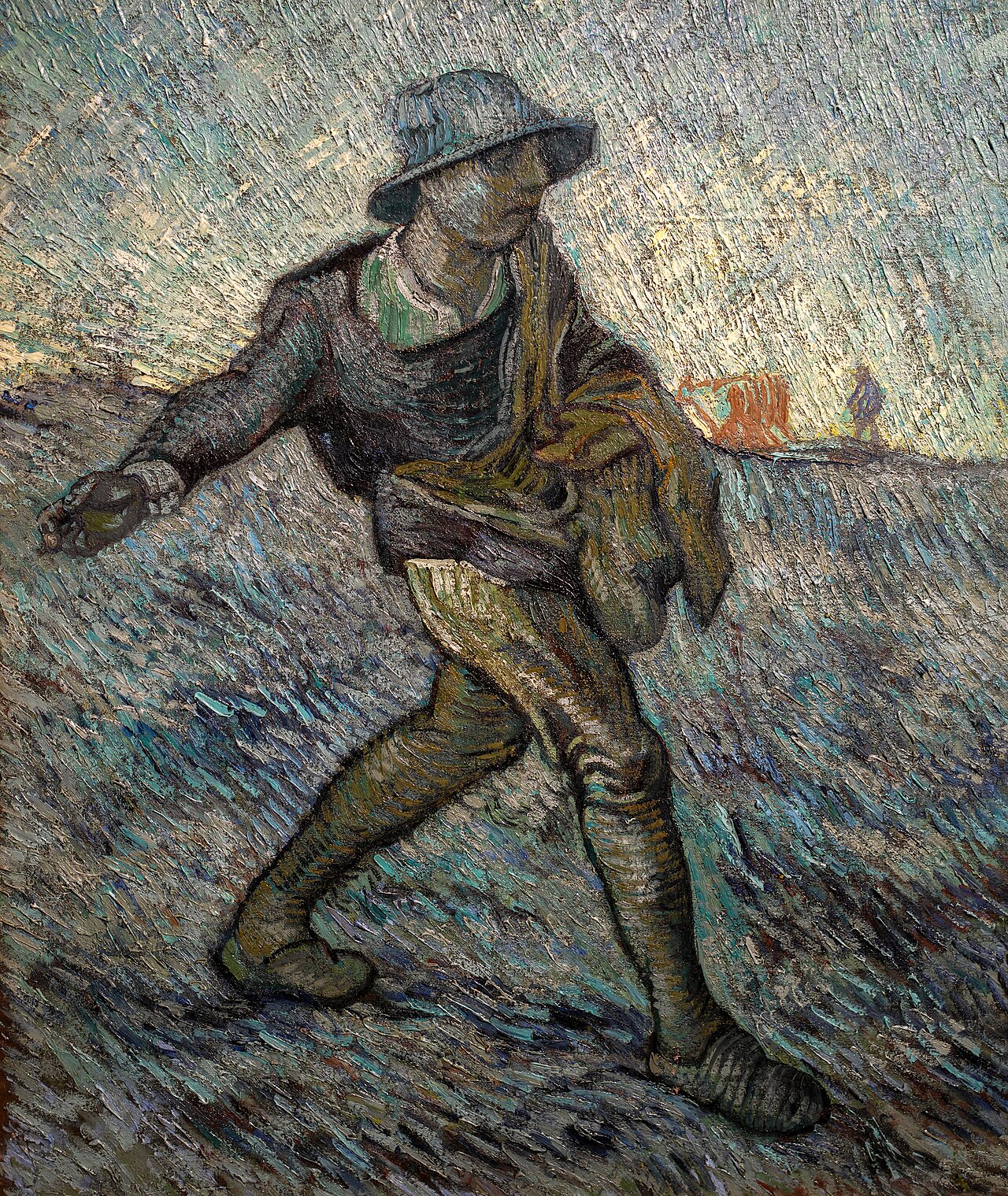
The brushstroke page connects early drawing lines, Arles directional strokes, Saint-Remy swirls and Auvers broken marks.

1880 - 1890 · 128 artworks

Van Gogh Brushstroke Analysis

Long-tail intents

  • brushstroke analysis Van Gogh
  • Van Gogh brushwork
  • Van Gogh painting technique

Common Questions

What is distinctive about Van Gogh's brushwork?

His brushwork often has a visible direction, so marks can describe form while also suggesting movement, light or pressure.

Did Van Gogh always paint with swirling brushstrokes?

No. His marks changed from early drawing lines to Paris experiments, Arles directionality, Saint-Remy swirls and later broken strokes.

How can brushstrokes help analyse a Van Gogh painting?

Following their direction can show how the eye is guided through a composition and how separate areas of a picture are given different energy.

Representative Artworks

Narrative Nodes

techniques

Van Gogh Colour Contrast

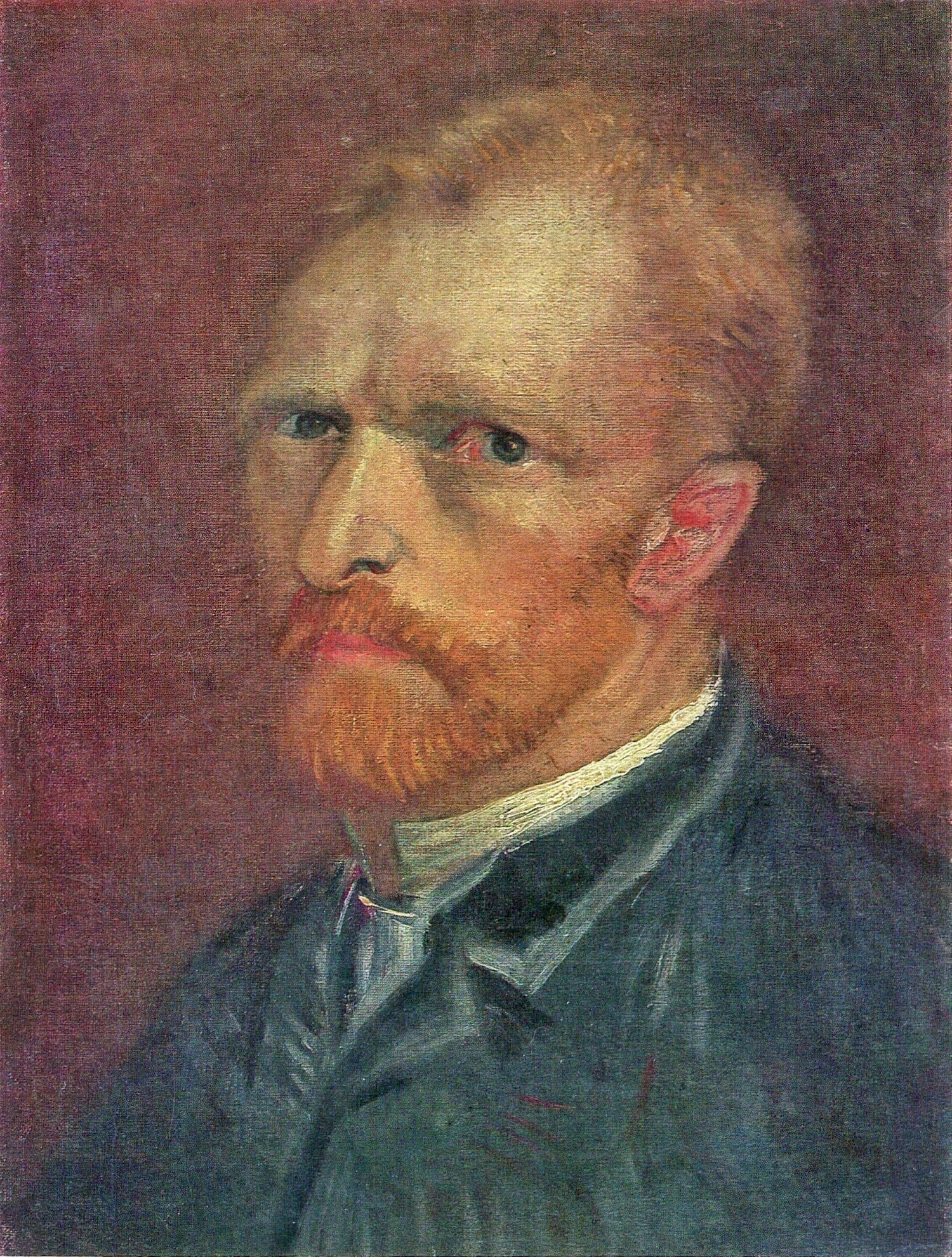
The colour contrast page gathers complementary colour, yellow, blue and red-green relations from Paris, Arles and the night scenes.

1887 - 1888 · 21 artworks

Van Gogh Colour Contrast

Long-tail intents

  • Van Gogh colour theory
  • Van Gogh complementary colors
  • Van Gogh palette analysis

Creative Context

Representative Artworks

Narrative Nodes

techniques

Van Gogh Reed Pen Technique

The reed pen page gathers Van Gogh’s experiments in line, handwriting-like marks and Arles visual speed.

1888 - 1888 · 9 artworks

Van Gogh Reed Pen Technique

Long-tail intents

  • Van Gogh reed pen drawings
  • Van Gogh line technique
  • Van Gogh drawing technique

Representative Artworks

Narrative Nodes