techniques
Van Gogh Impasto Technique
The impasto page connects the visible paint matter in sunflowers, starry nights, cypresses, irises and late wheat fields.
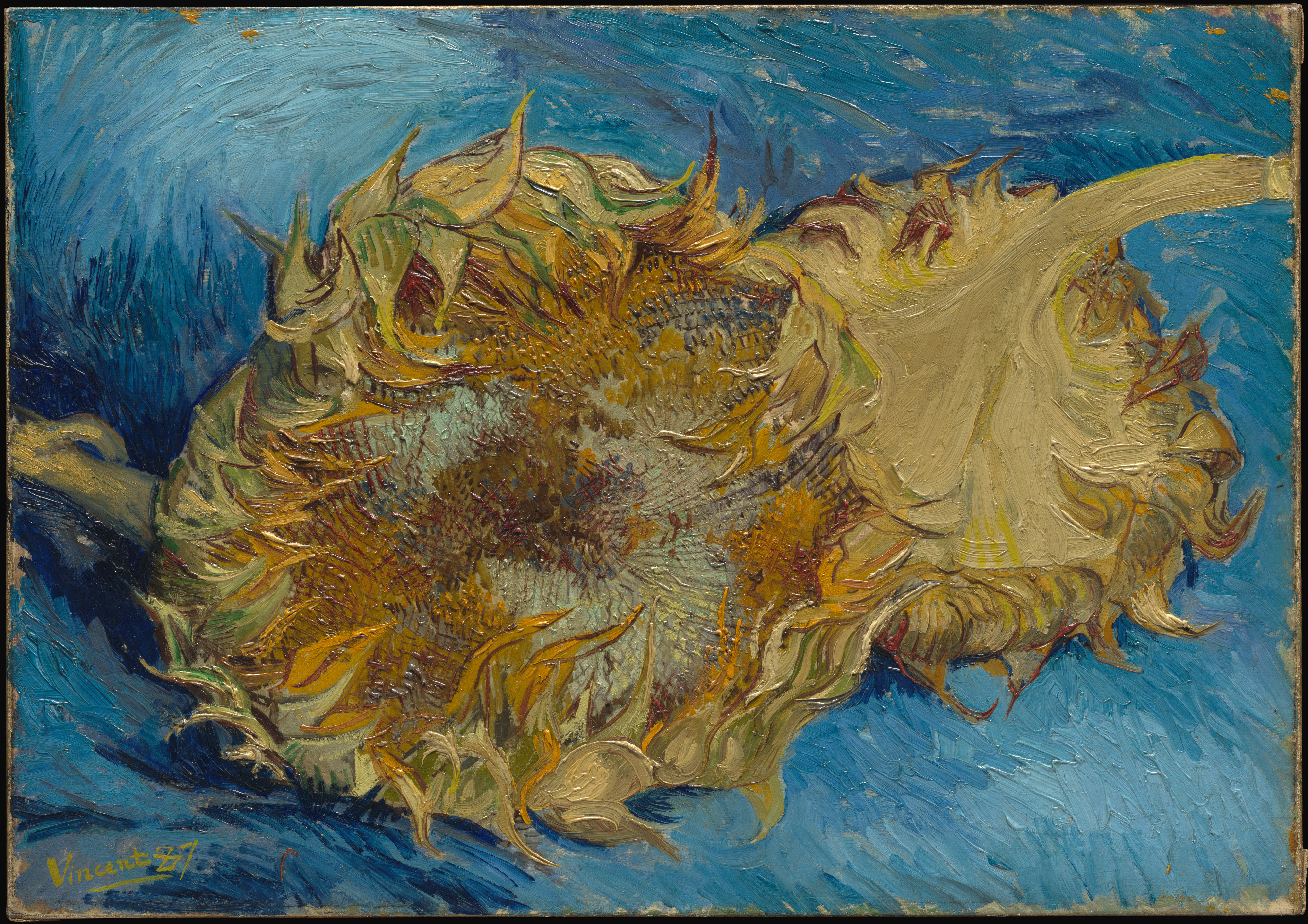
What raised paint does in the picture
Sunflowers: thickness is selective
The National Gallery in London identifies raised dabs of paint on the seed heads, while longer strokes follow the petals and stems. Impasto is not an even coating across the canvas: the relief changes with the form being painted.
Wheat Field with Cypresses: relief and its cost
The Met identifies rich impasto in this Saint-Remy landscape. In a September 1889 letter, Van Gogh also worried that rapidly applied, thick paint would not adhere firmly to a thin canvas. The raised surface can convey movement, but it has material consequences too.
Long-tail intents
- impasto technique meaning
- Van Gogh impasto technique
- thick paint technique Van Gogh
Common Questions
What is impasto in Van Gogh's paintings?
Impasto is paint applied thickly enough to make brush direction, ridges and surface texture visibly part of the image.
Did Van Gogh use impasto in every painting?
No. Paint thickness changes across periods and passages; impasto is one of several ways he made paint carry visual energy.
Why is impasto important in Van Gogh's work?
It makes paint feel material as well as descriptive, helping light, movement and colour remain active on the surface.
Representative Artworks
Two Cut Sunflowers 1887 · F375 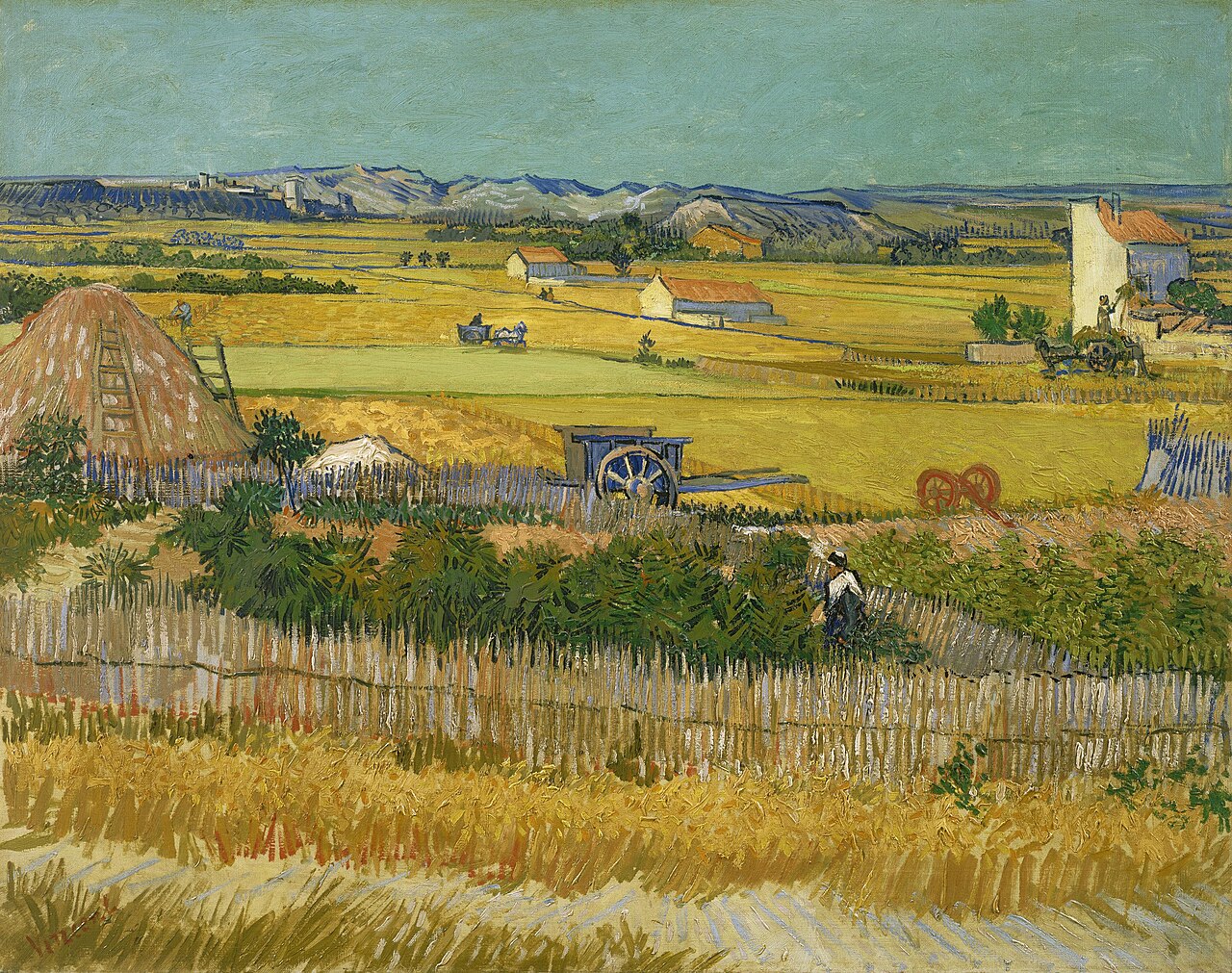 Harvest at La Crau 1888 · F412
 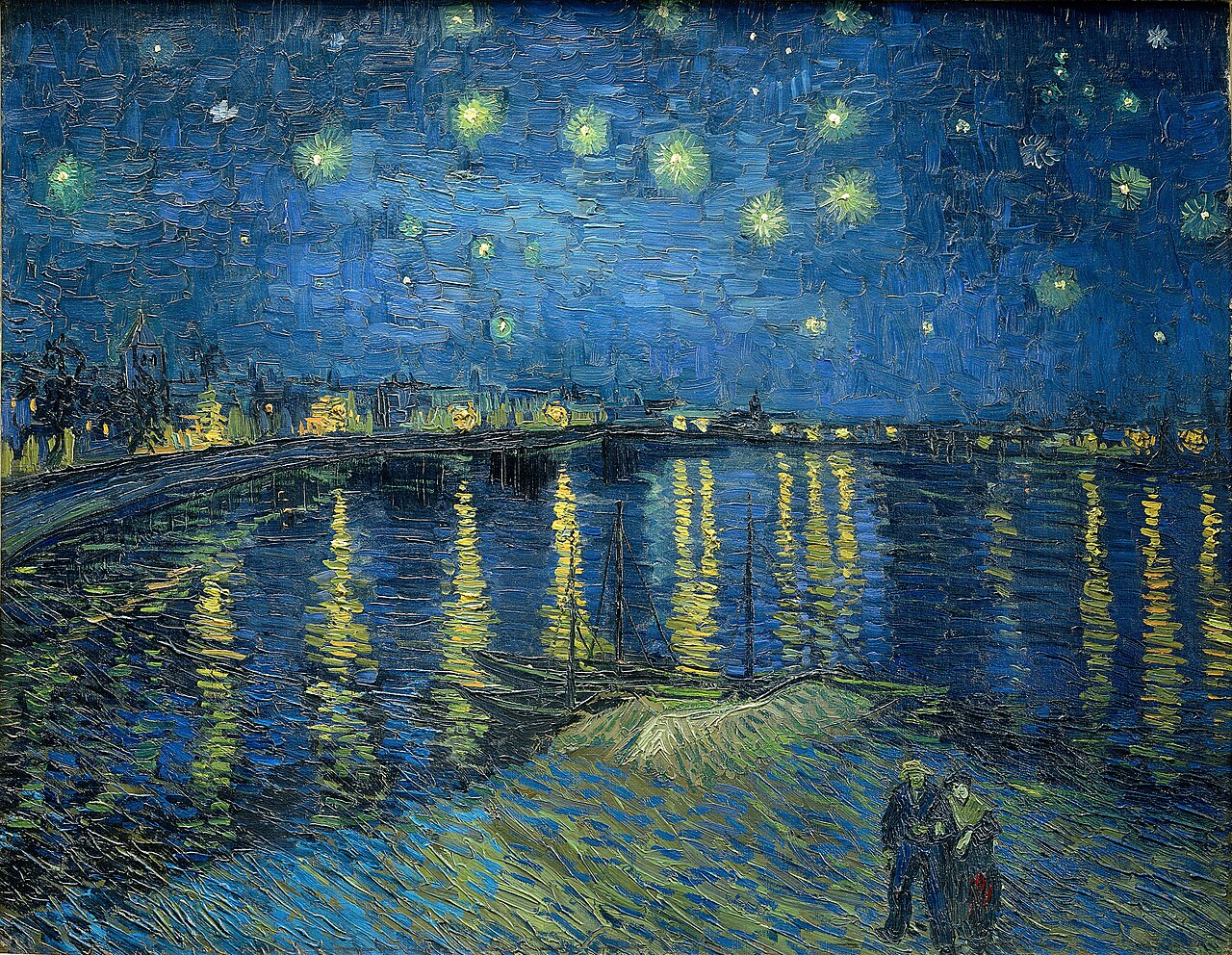 Starry Night over the Rhône 1888 · F474
 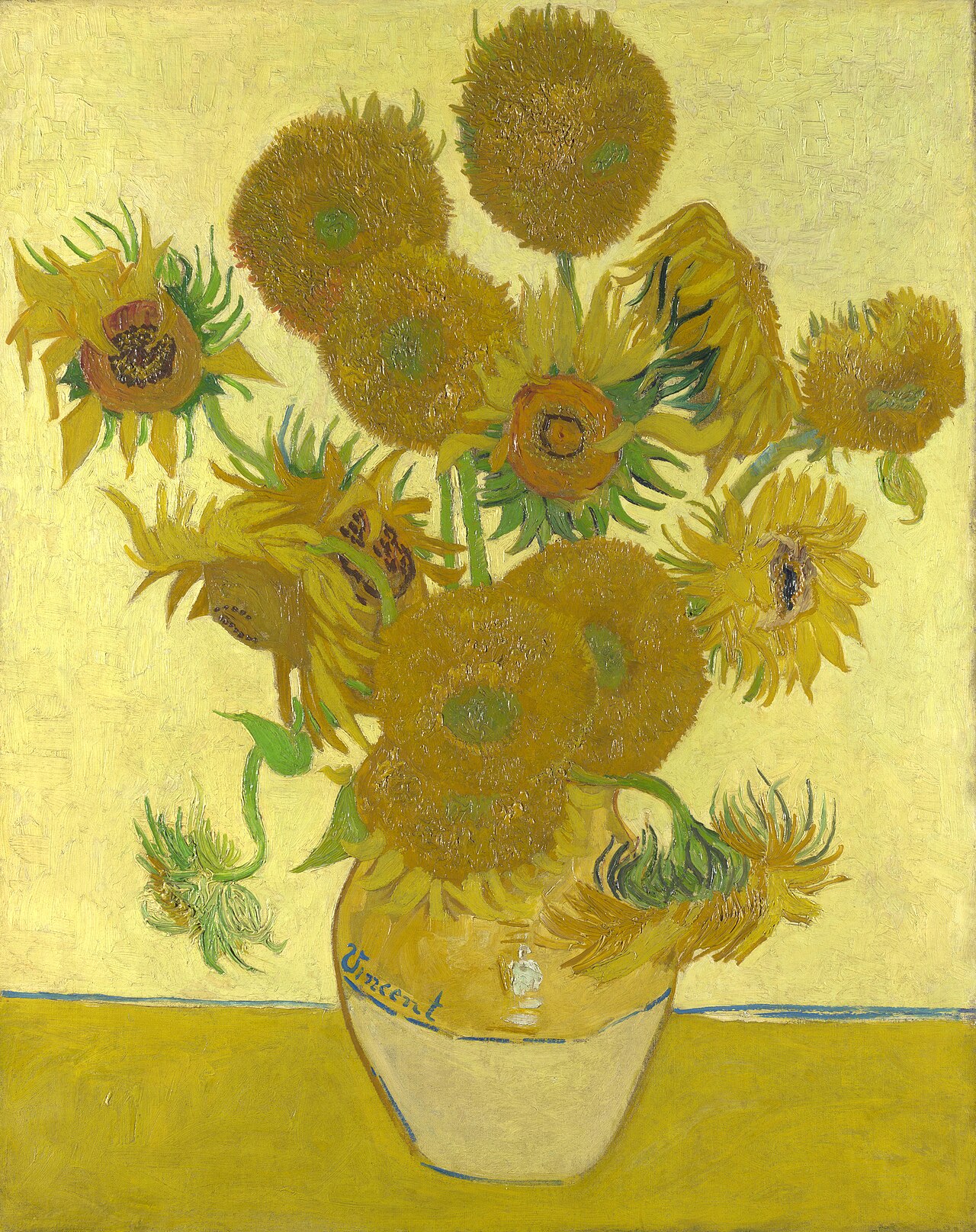 Sunflowers (fifteen) 1888 · F454
 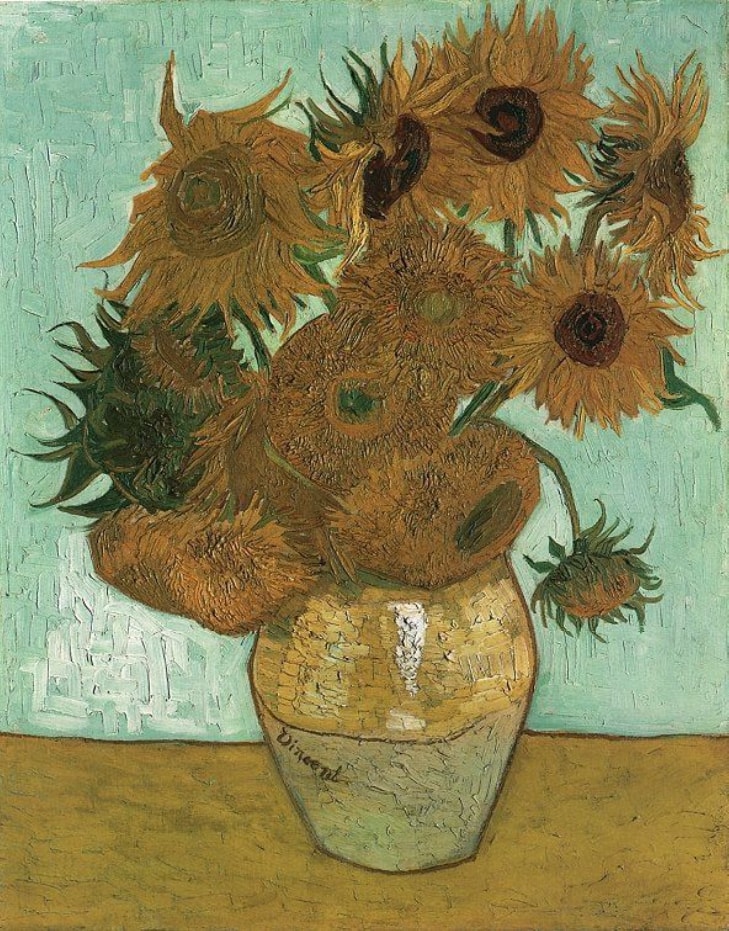 Sunflowers (twelve) 1888 · F456
 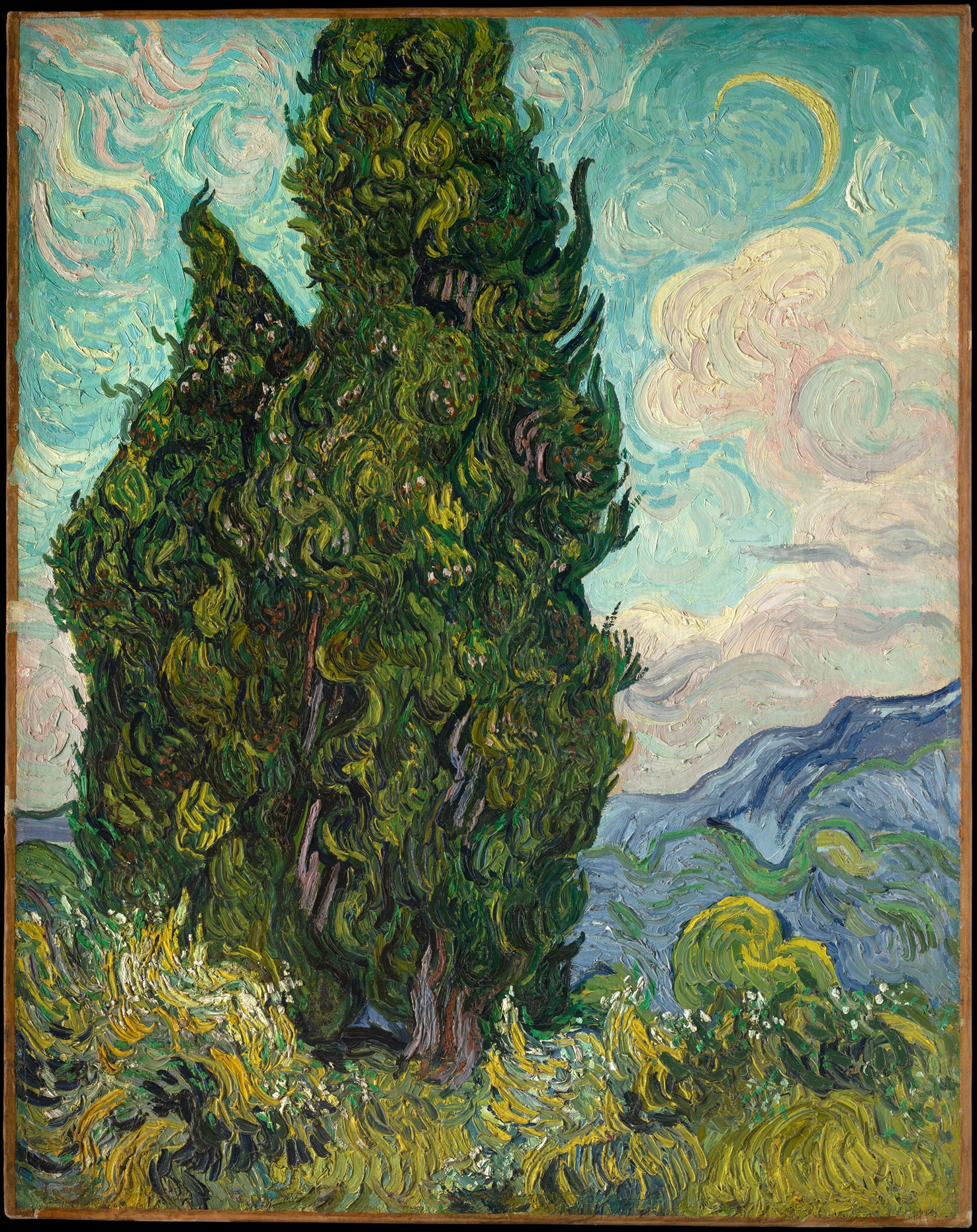 Cypresses 1889 · F613
 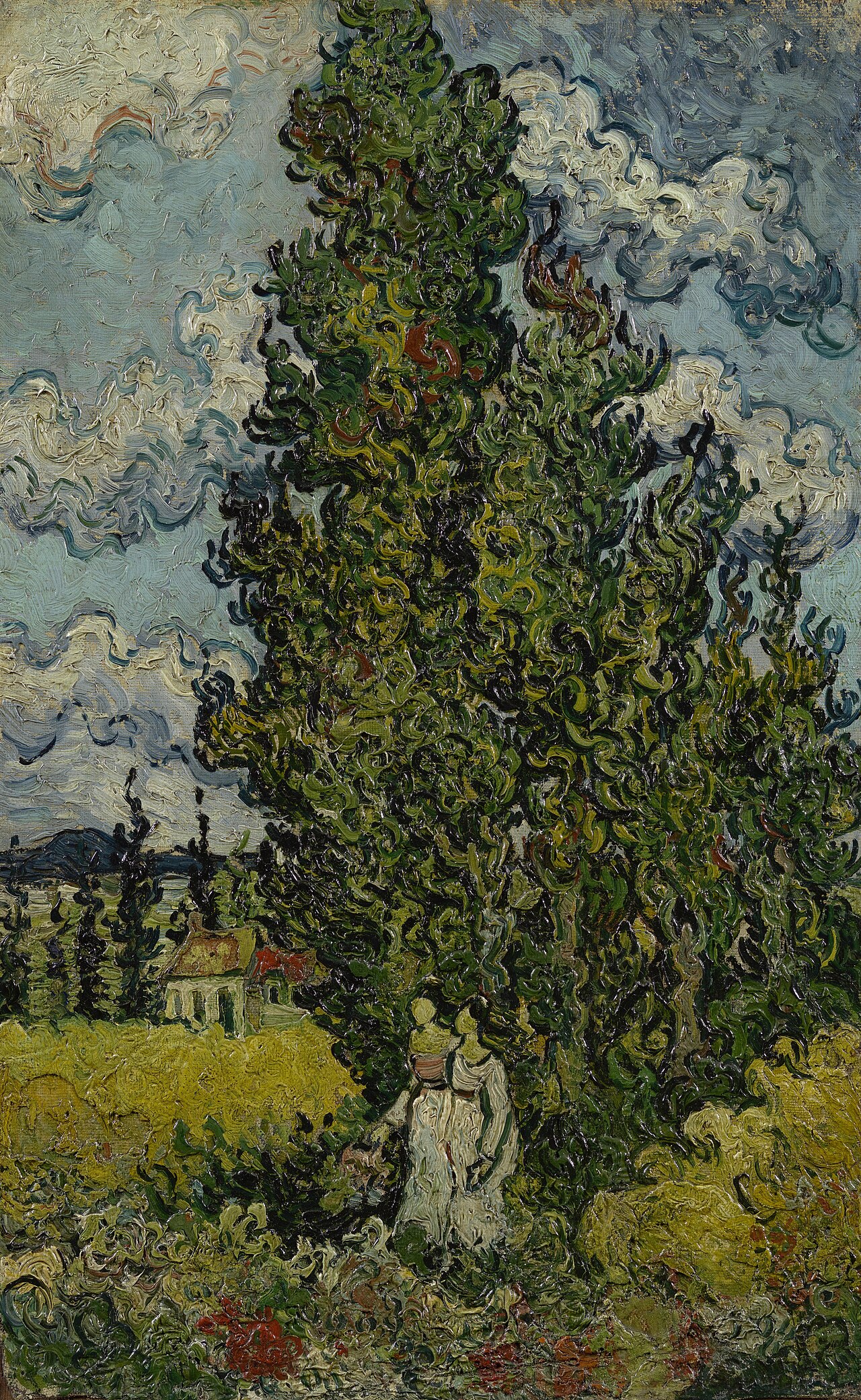 Cypresses with Two Women 1889 · F620
 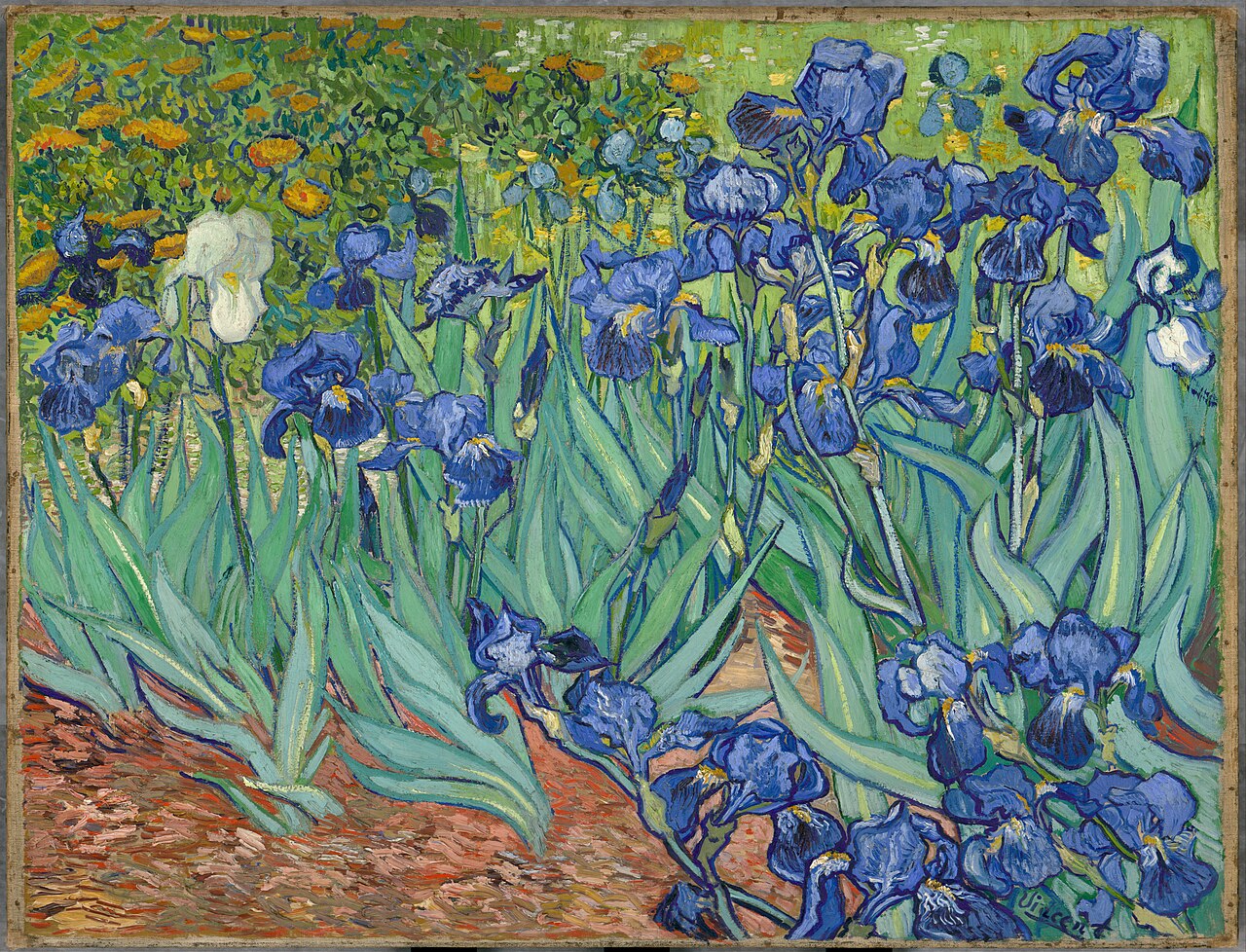 Irises 1889 · F608
 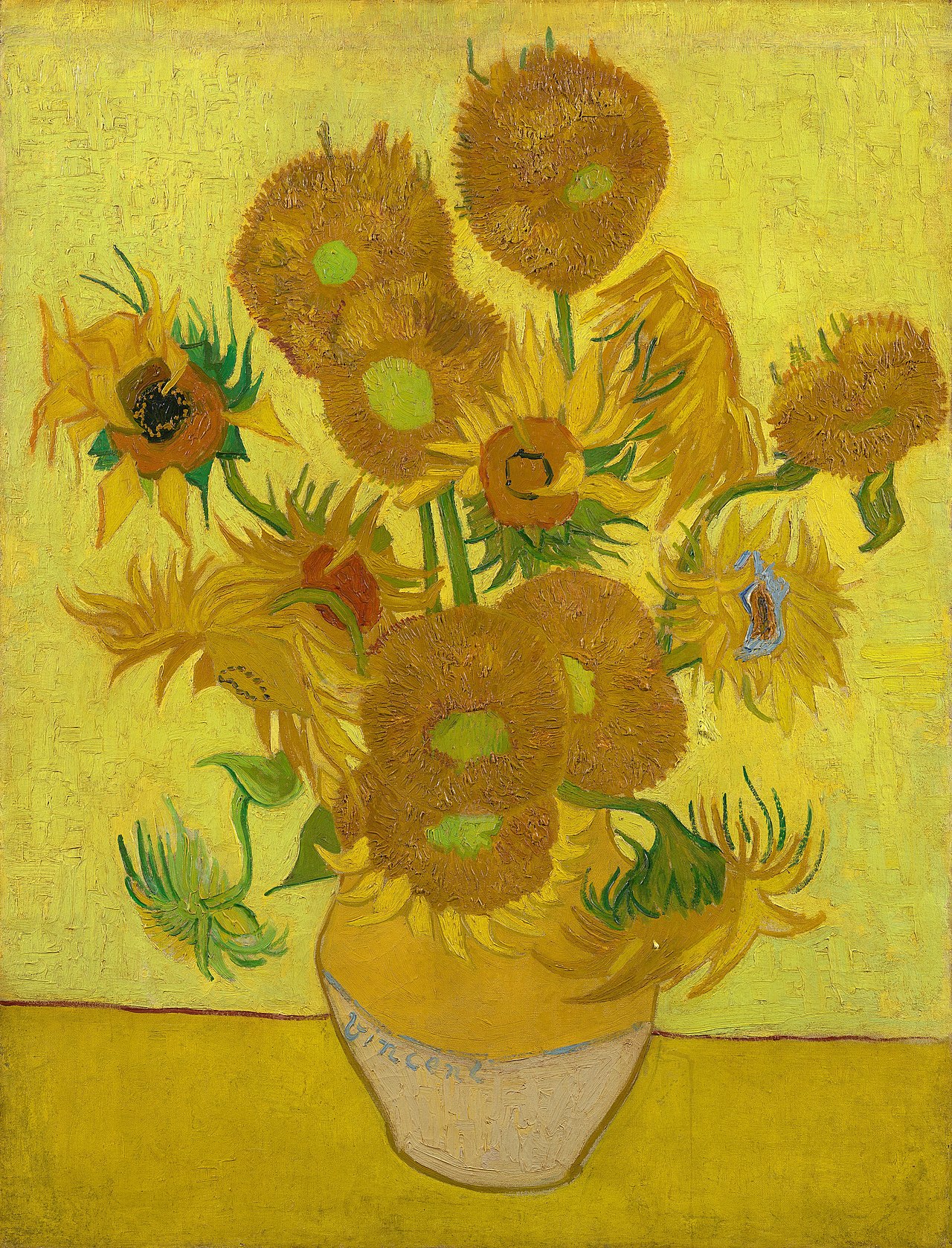 Sunflowers (fifteen, repetition) 1889 · F458
 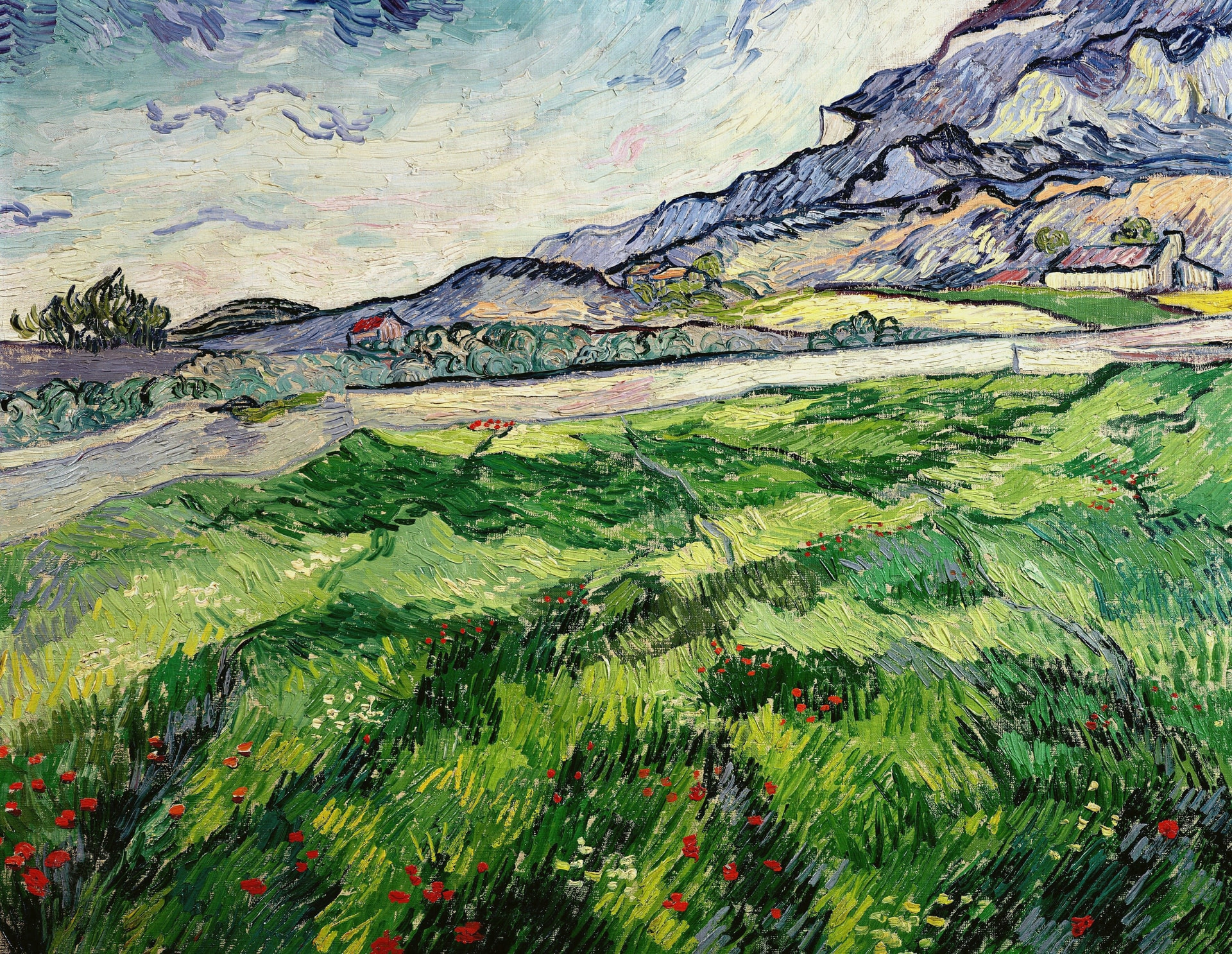 The green wheatfield behind the asylum 1889 · F718
 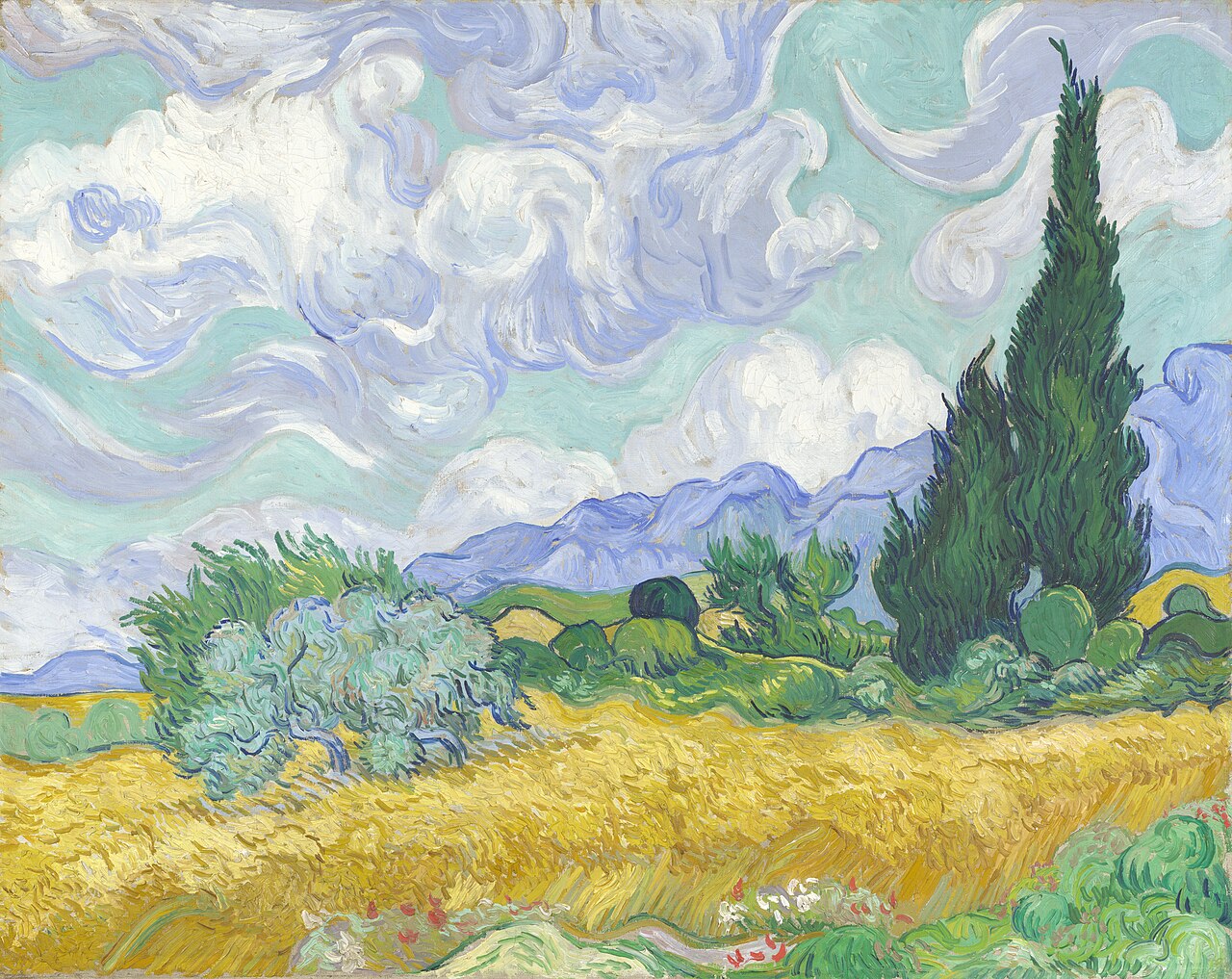 Wheat Field with Cypresses 1889 · F717
 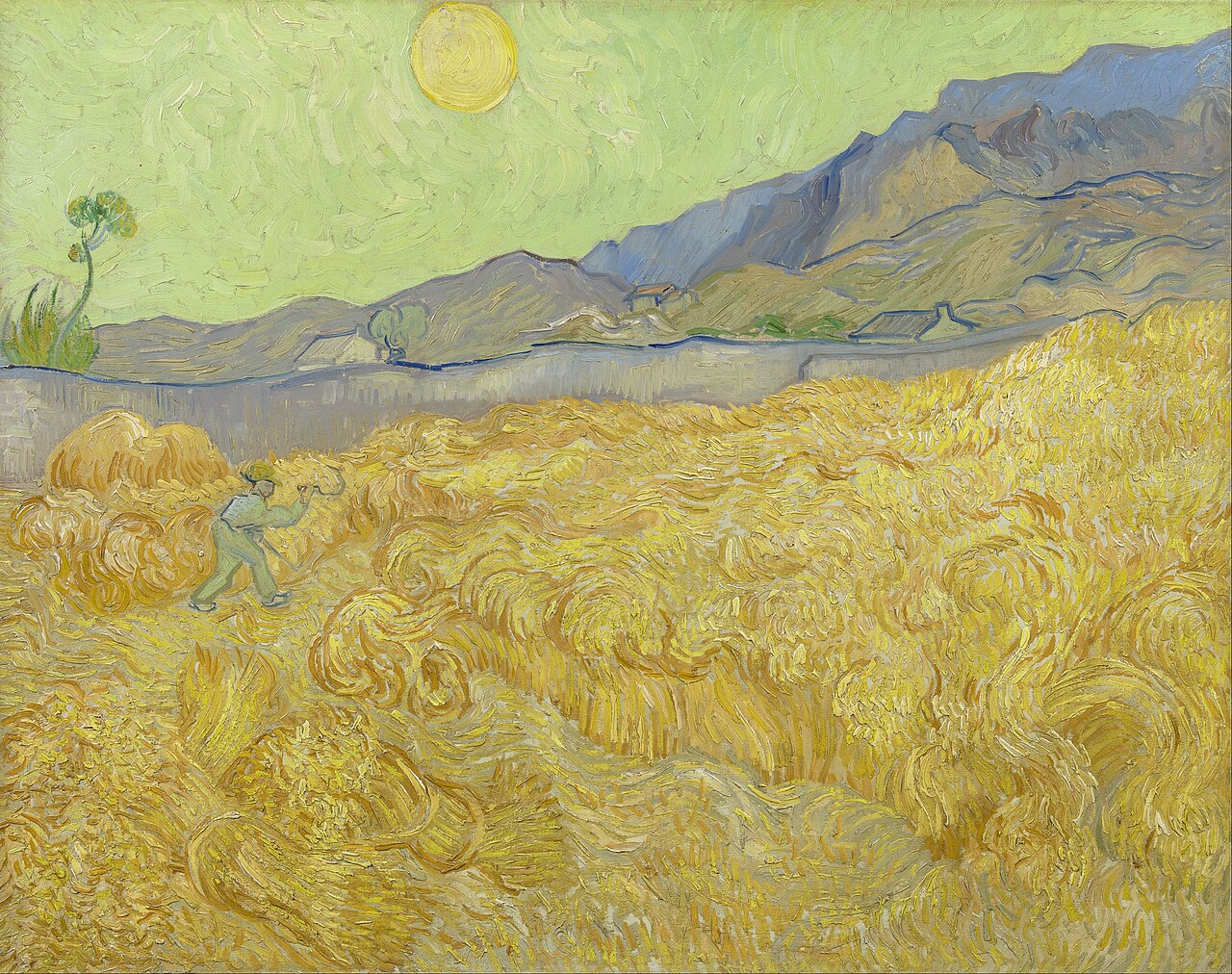 Wheat Field with Reaper 1889 · F617
 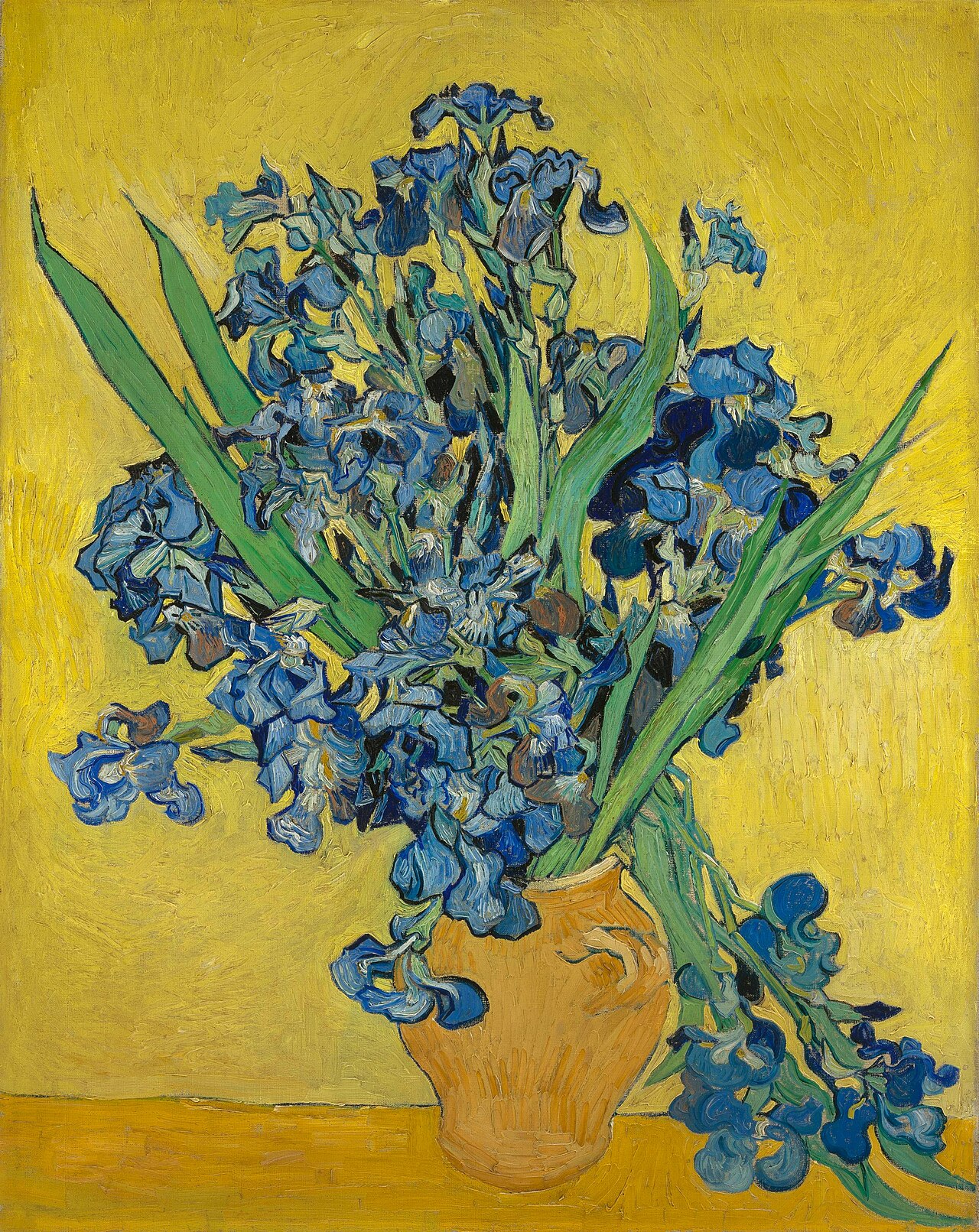 Irises (in vase) 1890 · F678
 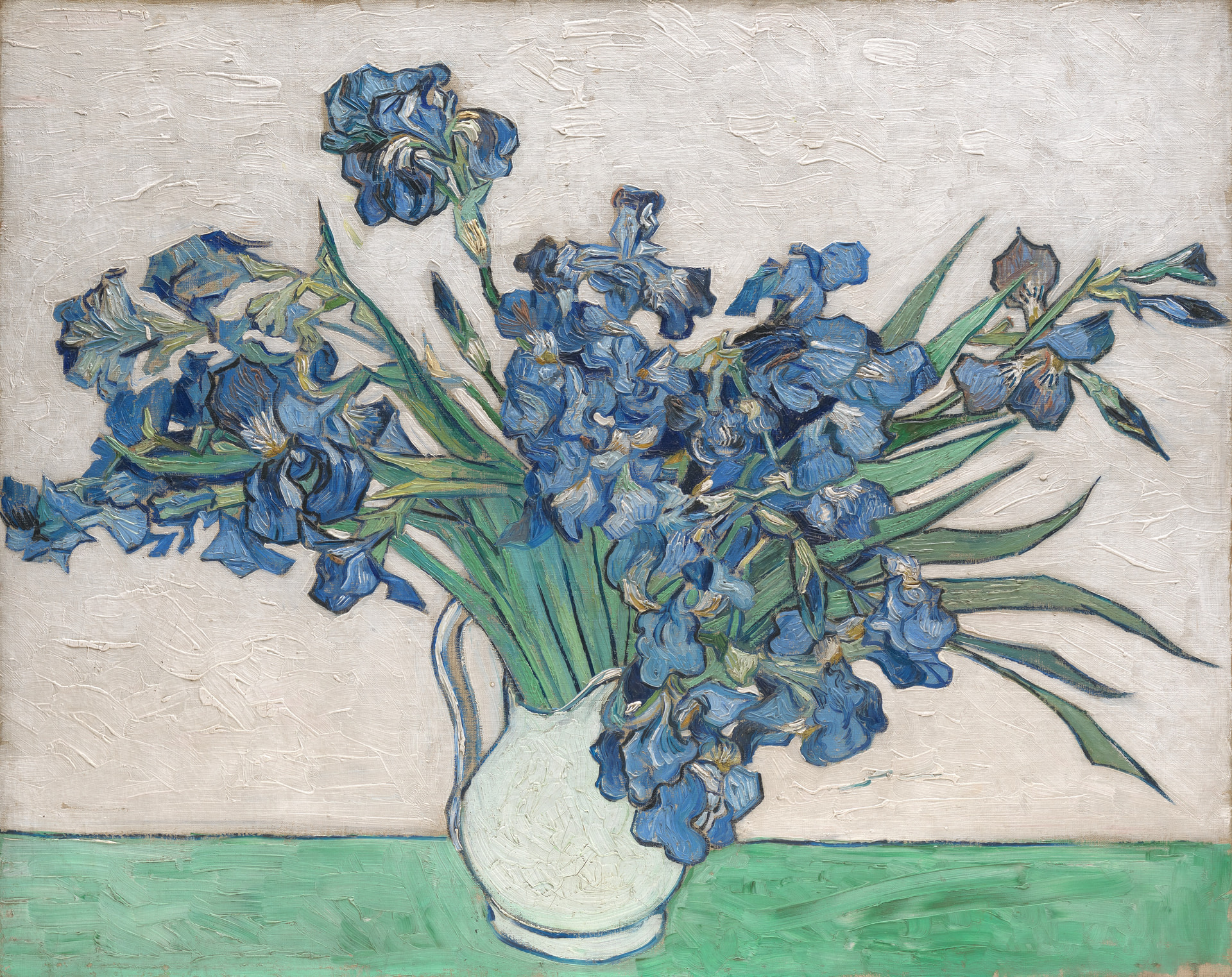 Irises (pink background) 1890 · F680
 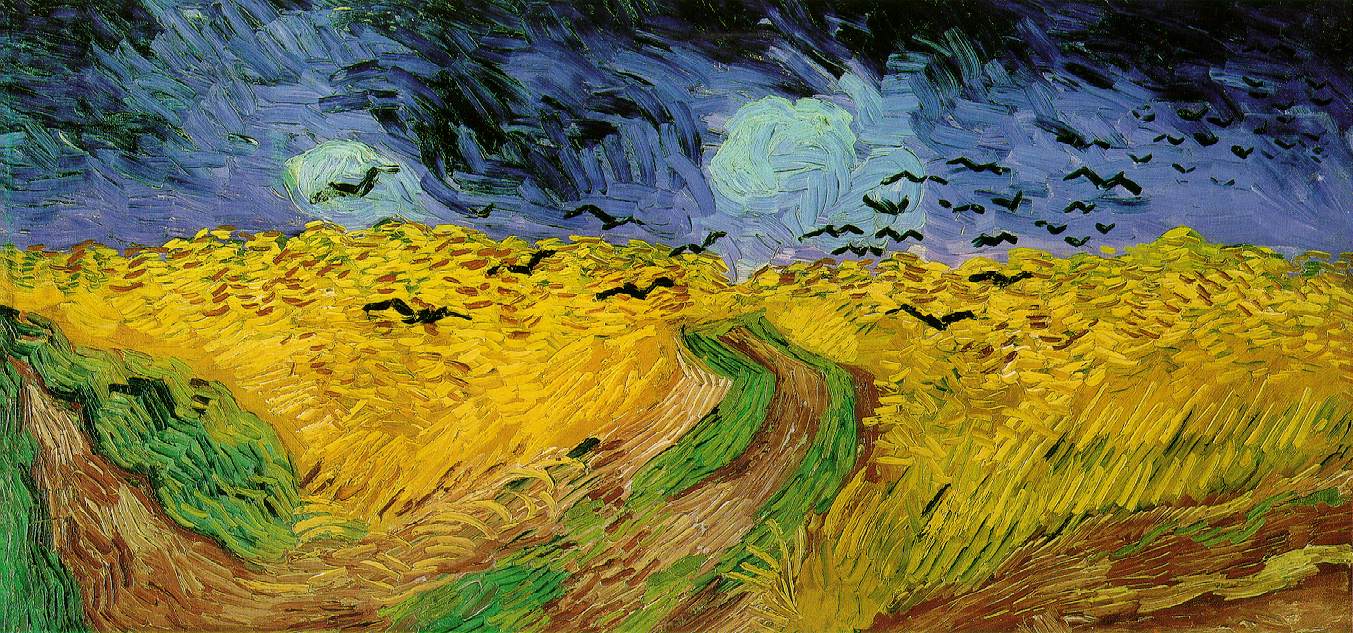 Wheat Field with Crows 1890 · F779
 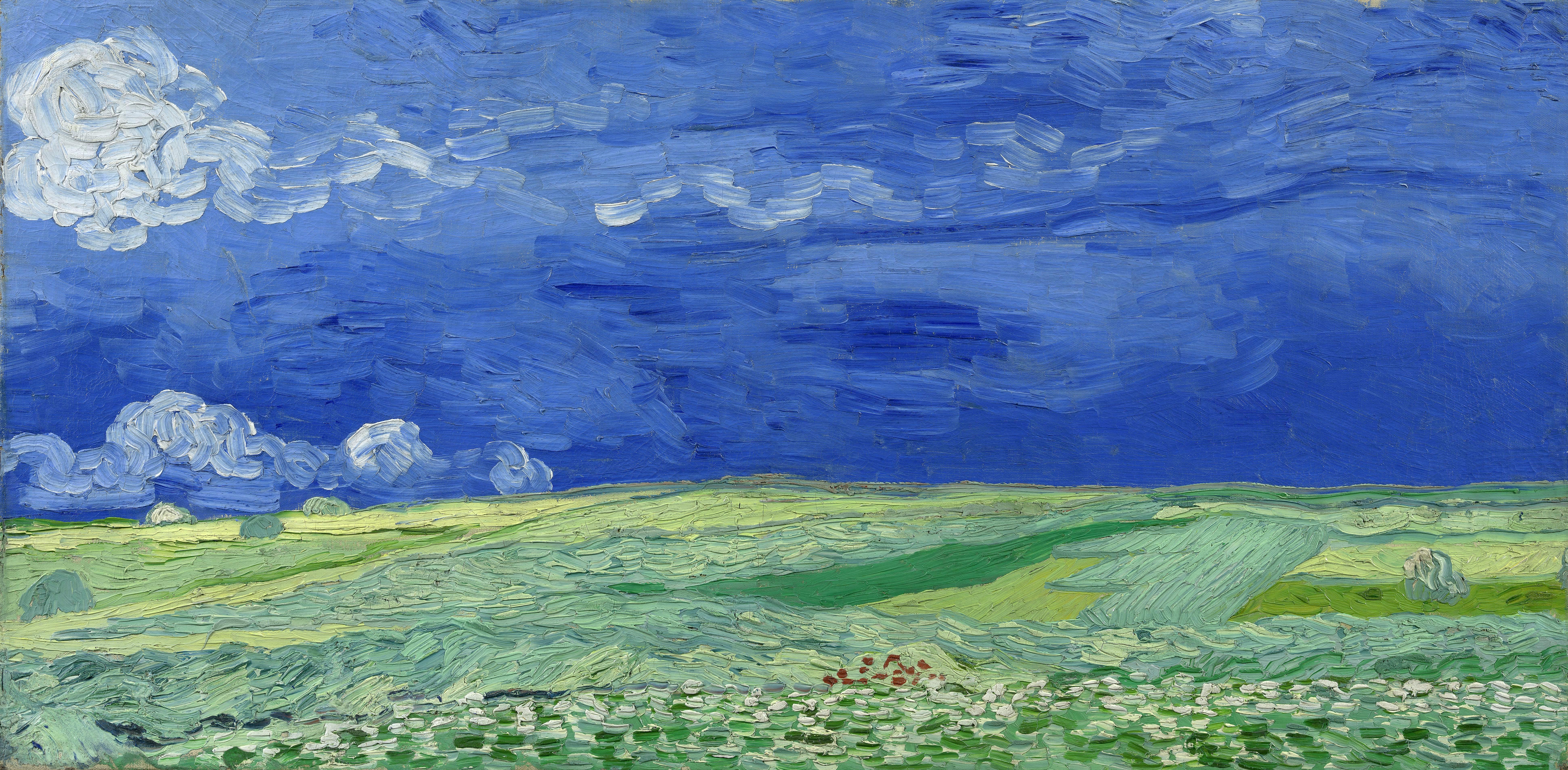 Wheatfield under Thunderclouds 1890 · F778