The Saint-Rémy Copies
The source could be black and white; the colour answer had to be his own.
-
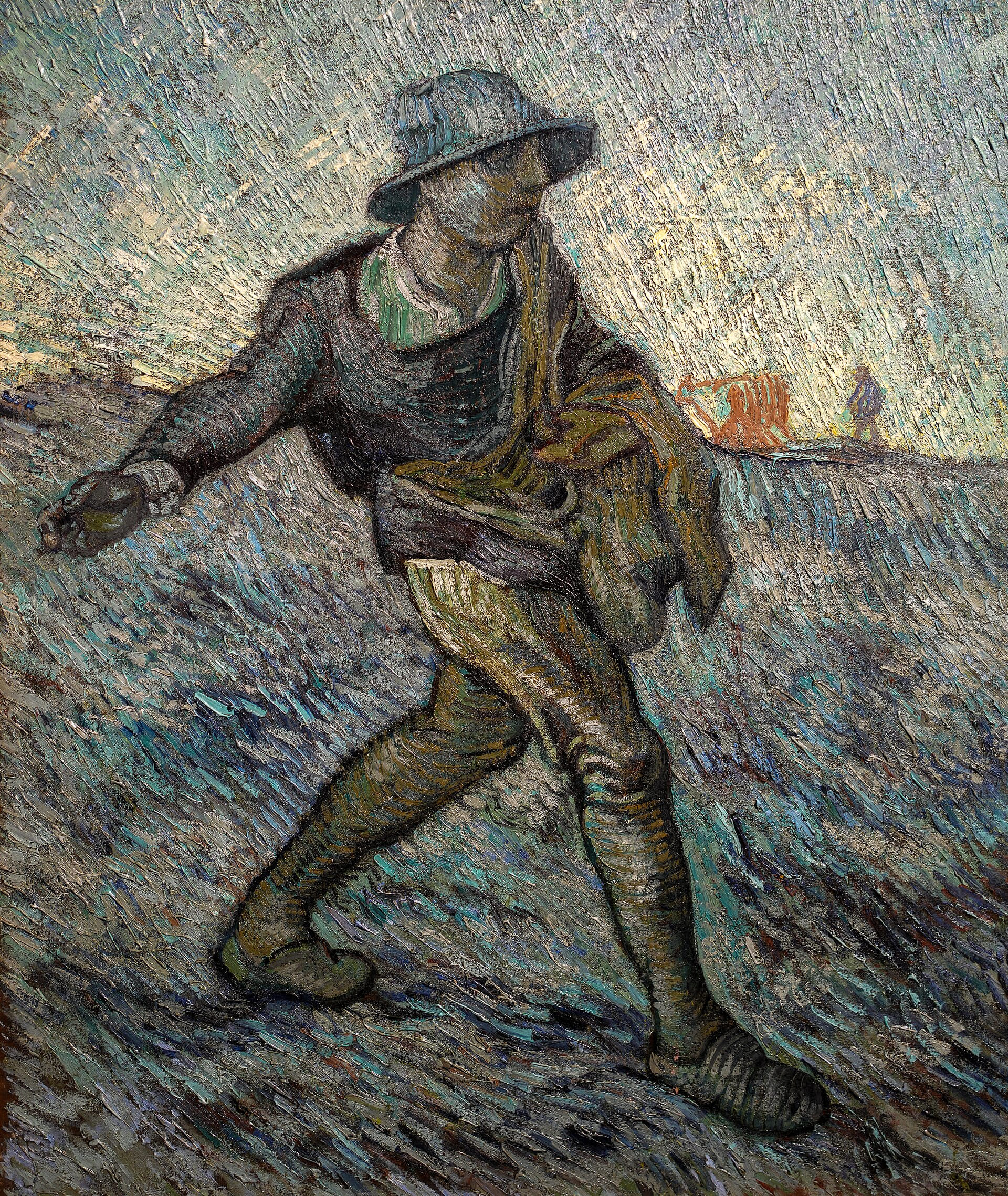
F689 The Sower (after Millet) 1889 -
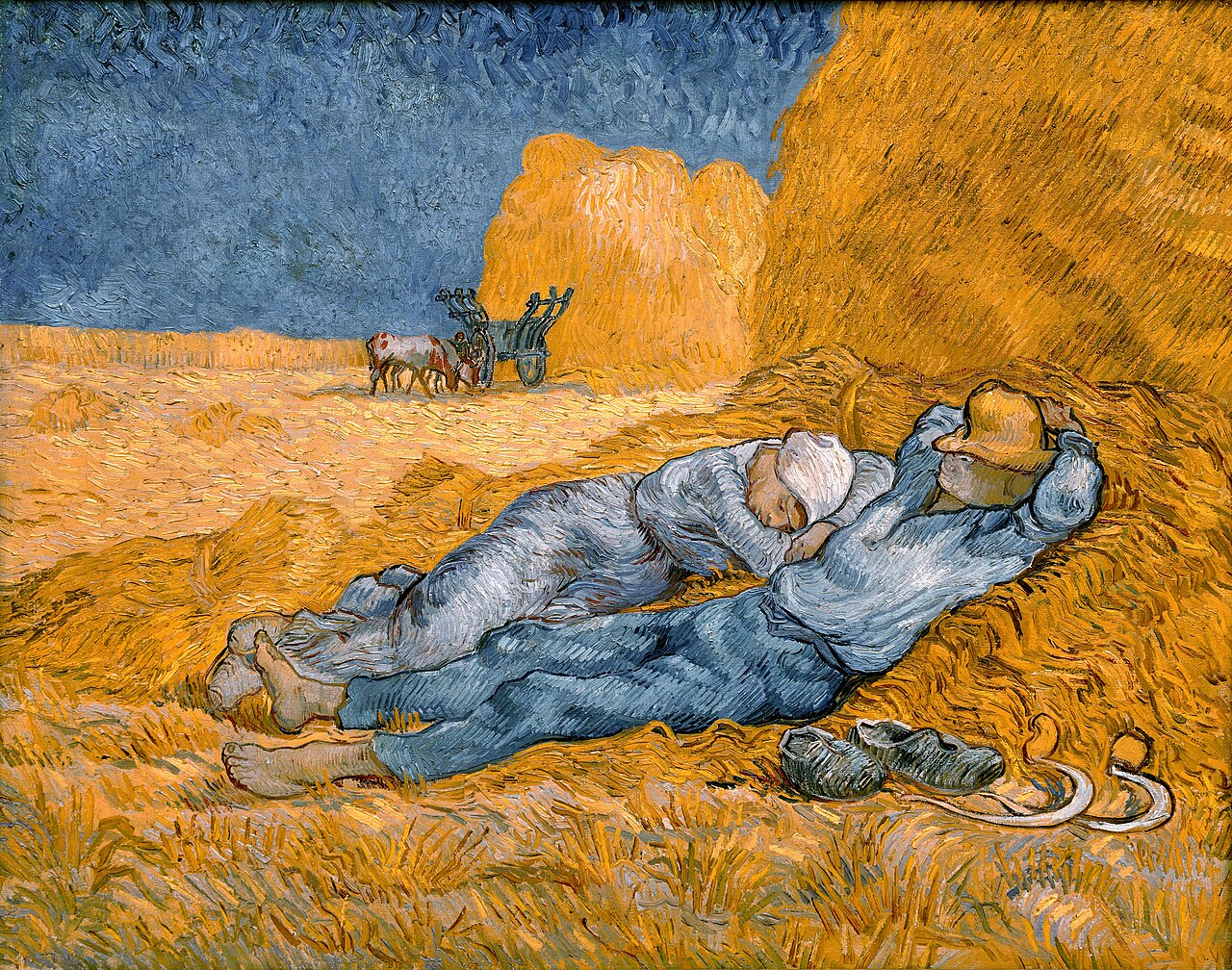
F686 Noon — Rest (after Millet) 1890 -
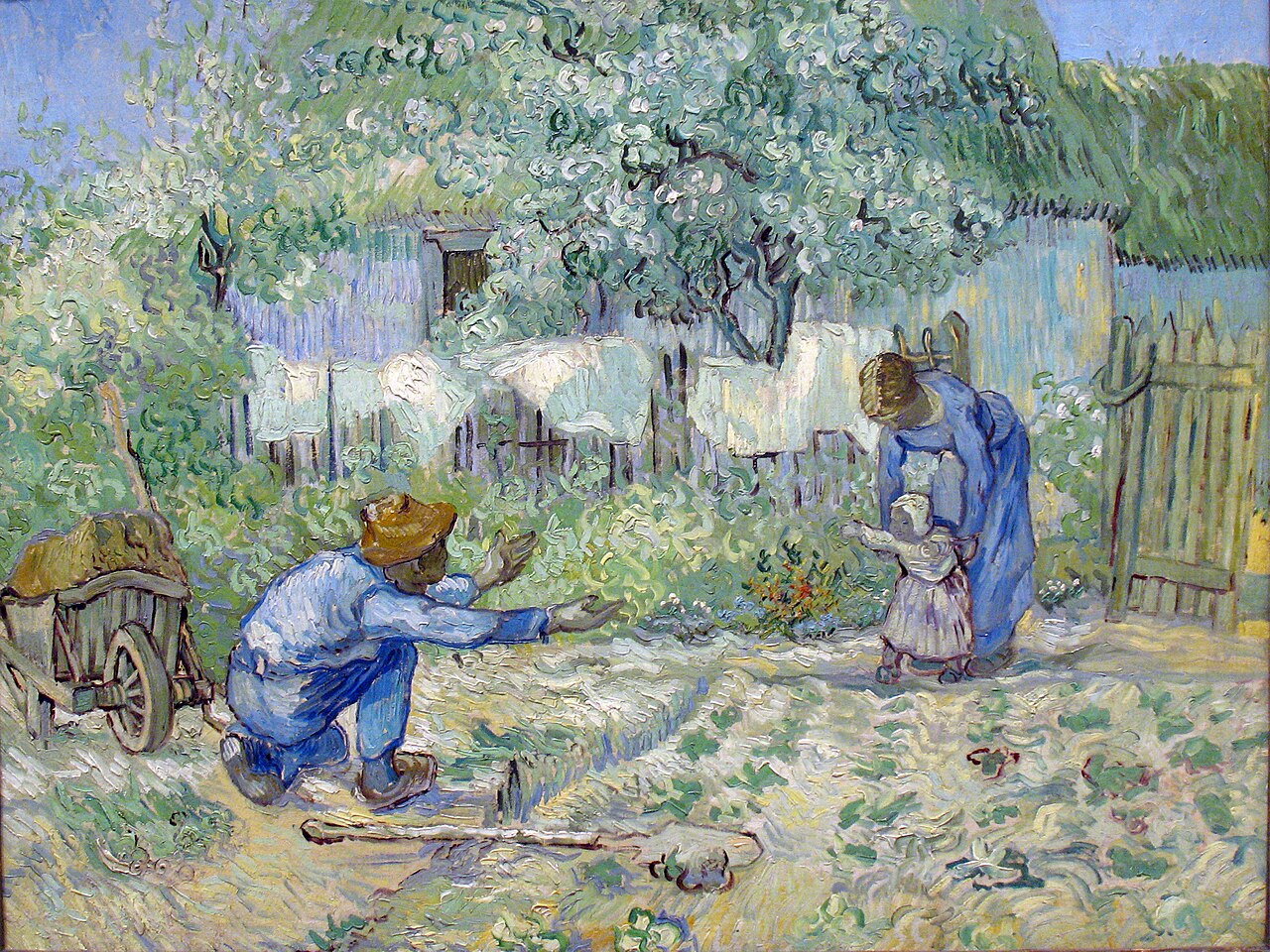
F668 First Steps (after Millet) 1890 -
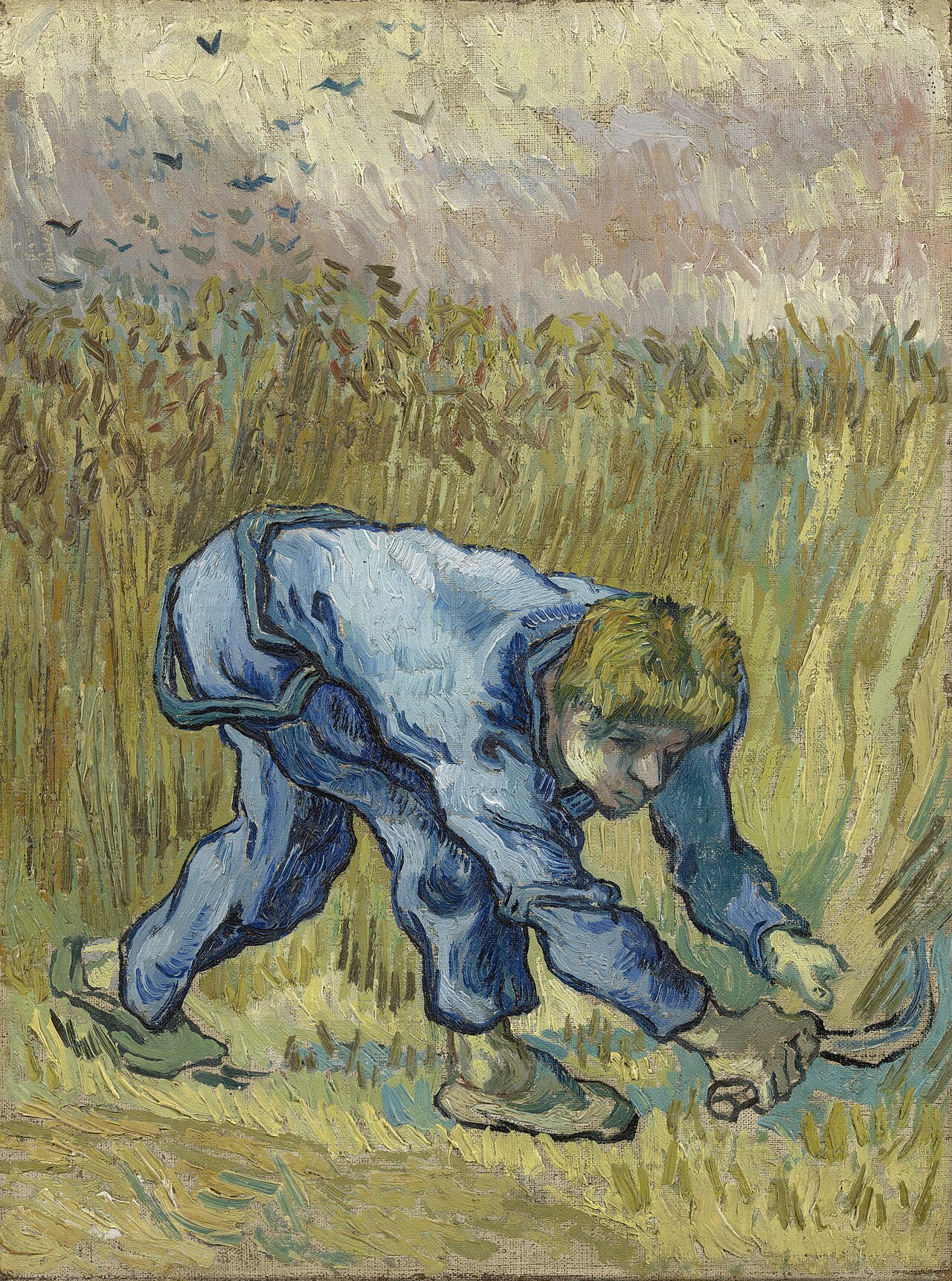
F687 Reaper with Sickle (after Millet) 1889 -
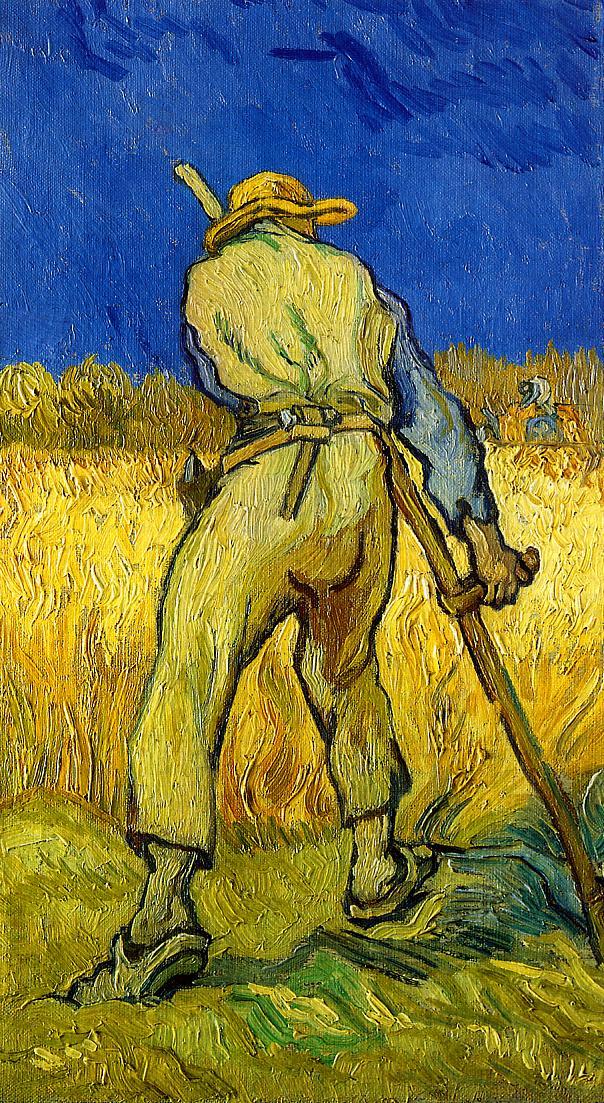
F688 The Mower (after Millet) 1889 -
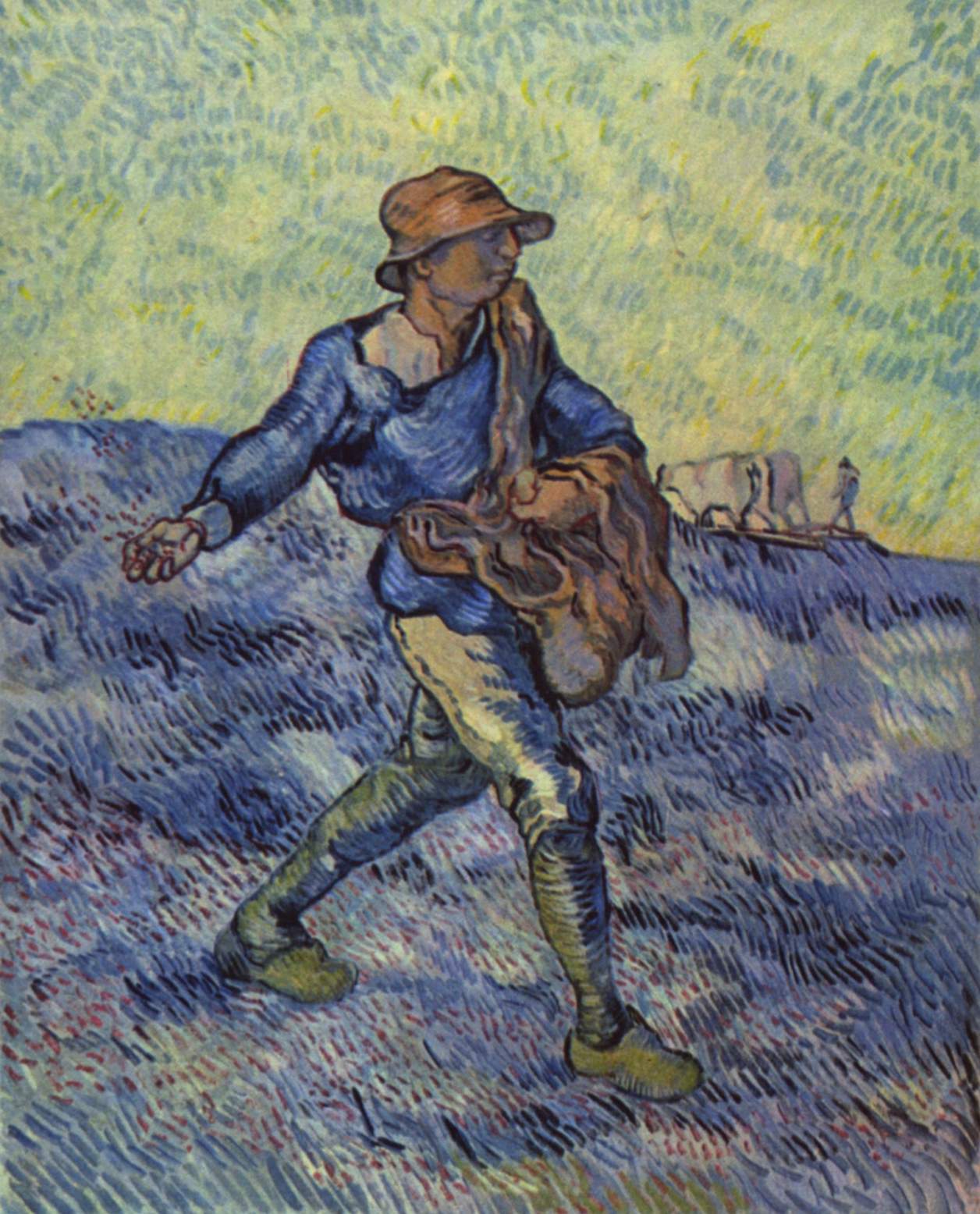
F690 Sower (after Millet) 1890 -
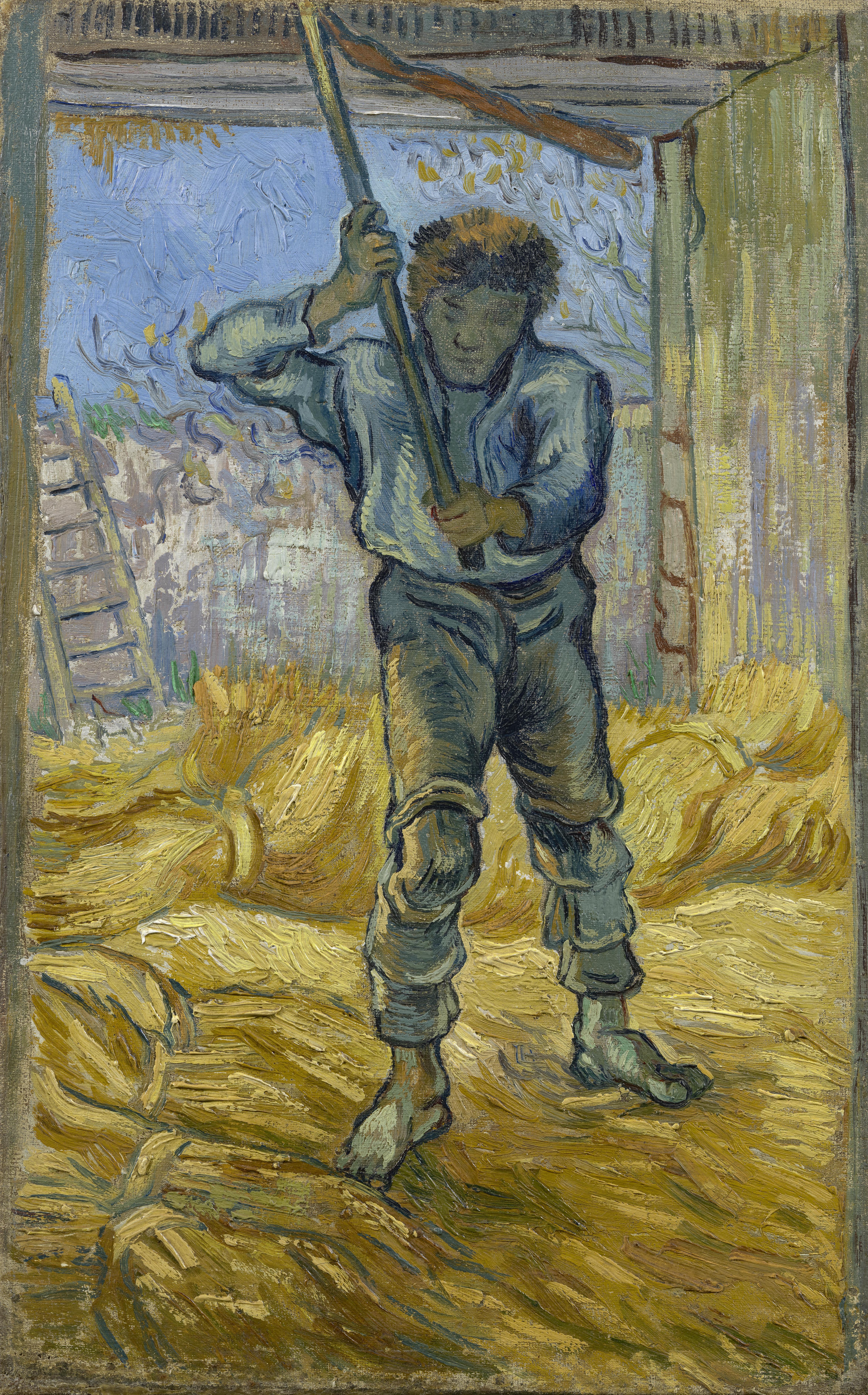
F692 Thresher (after Millet) 1889 -
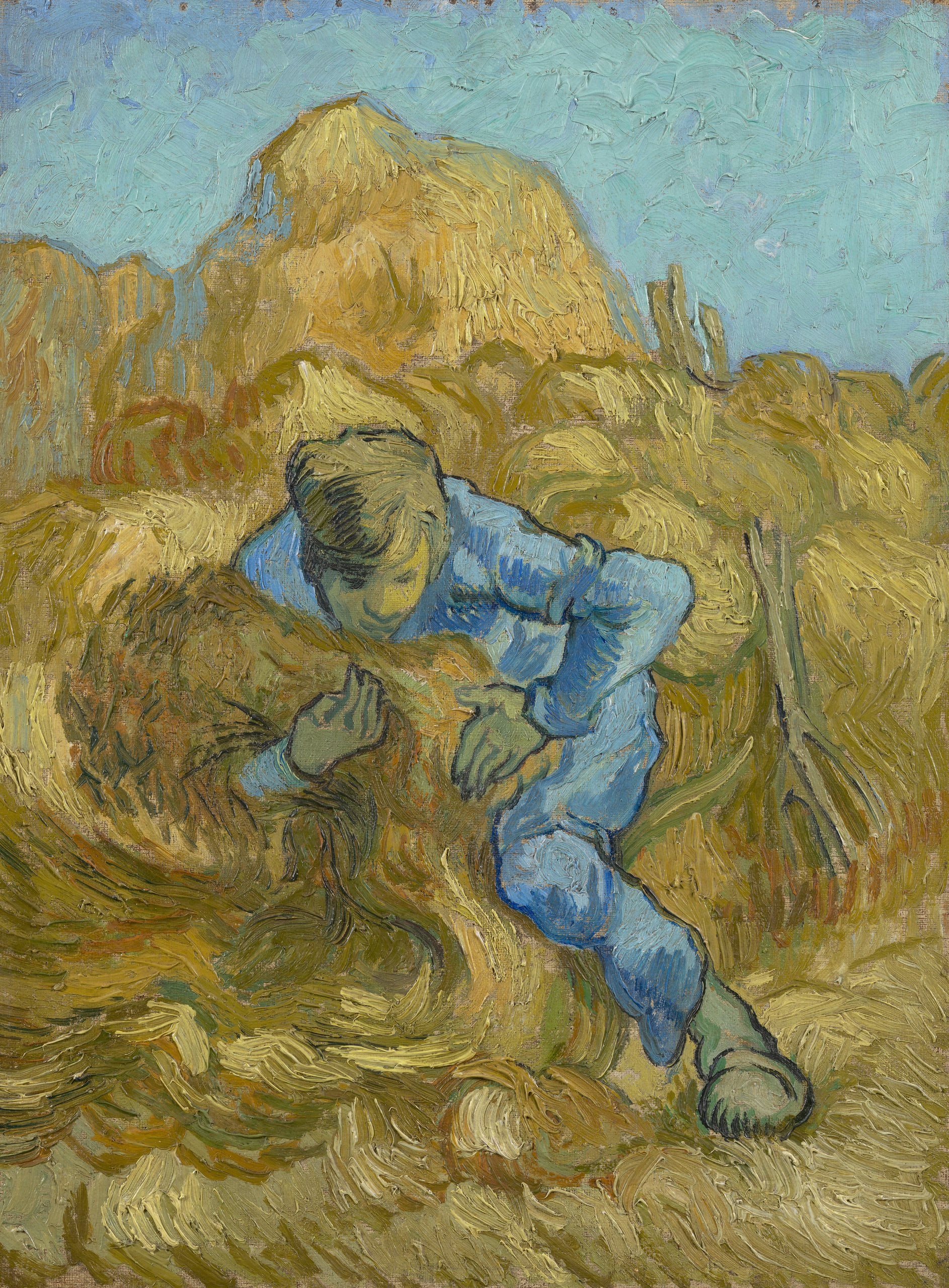
F693 The Sheaf-Binder (after Millet) 1889 -
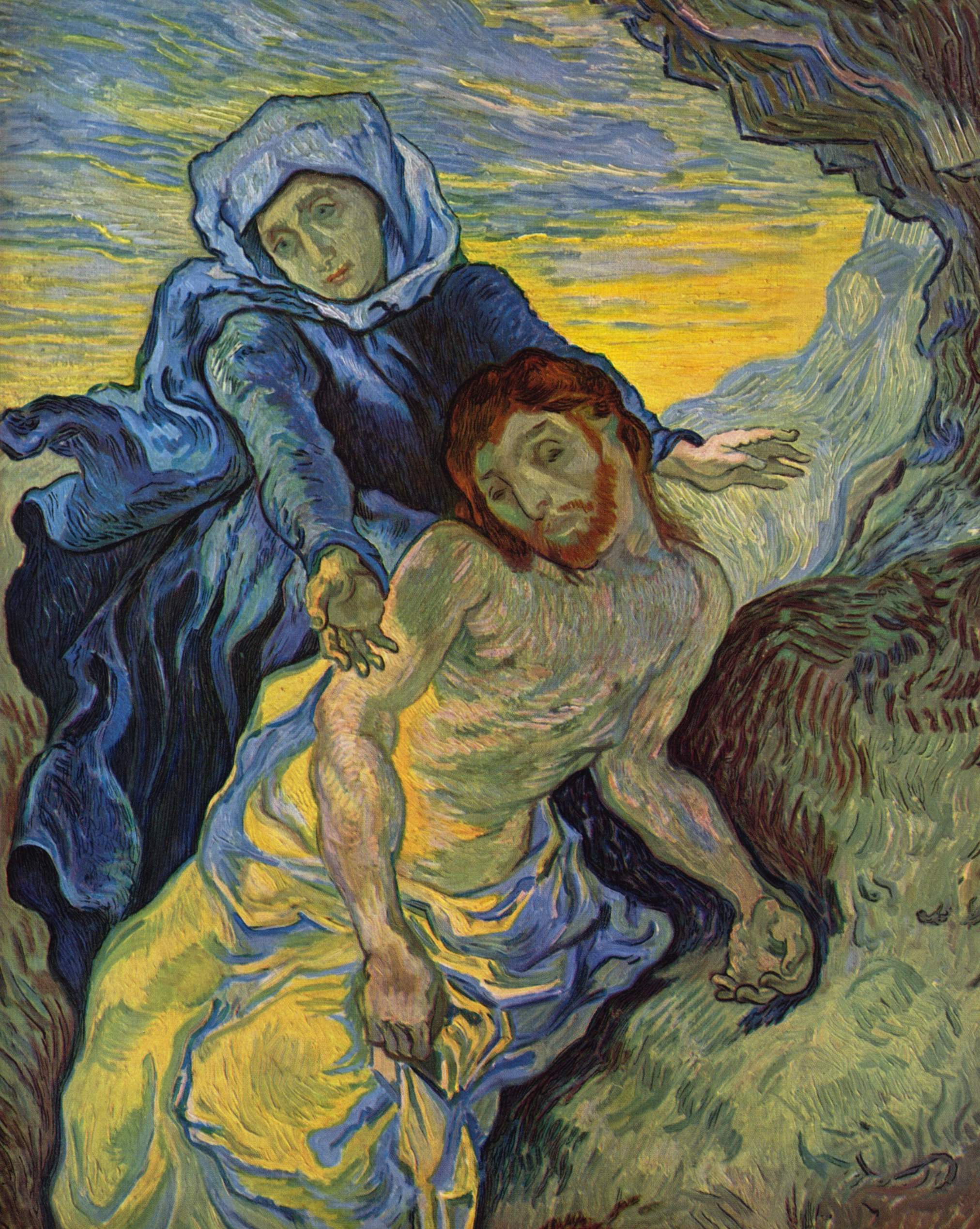
F630 Pietà (after Delacroix) 1889 -
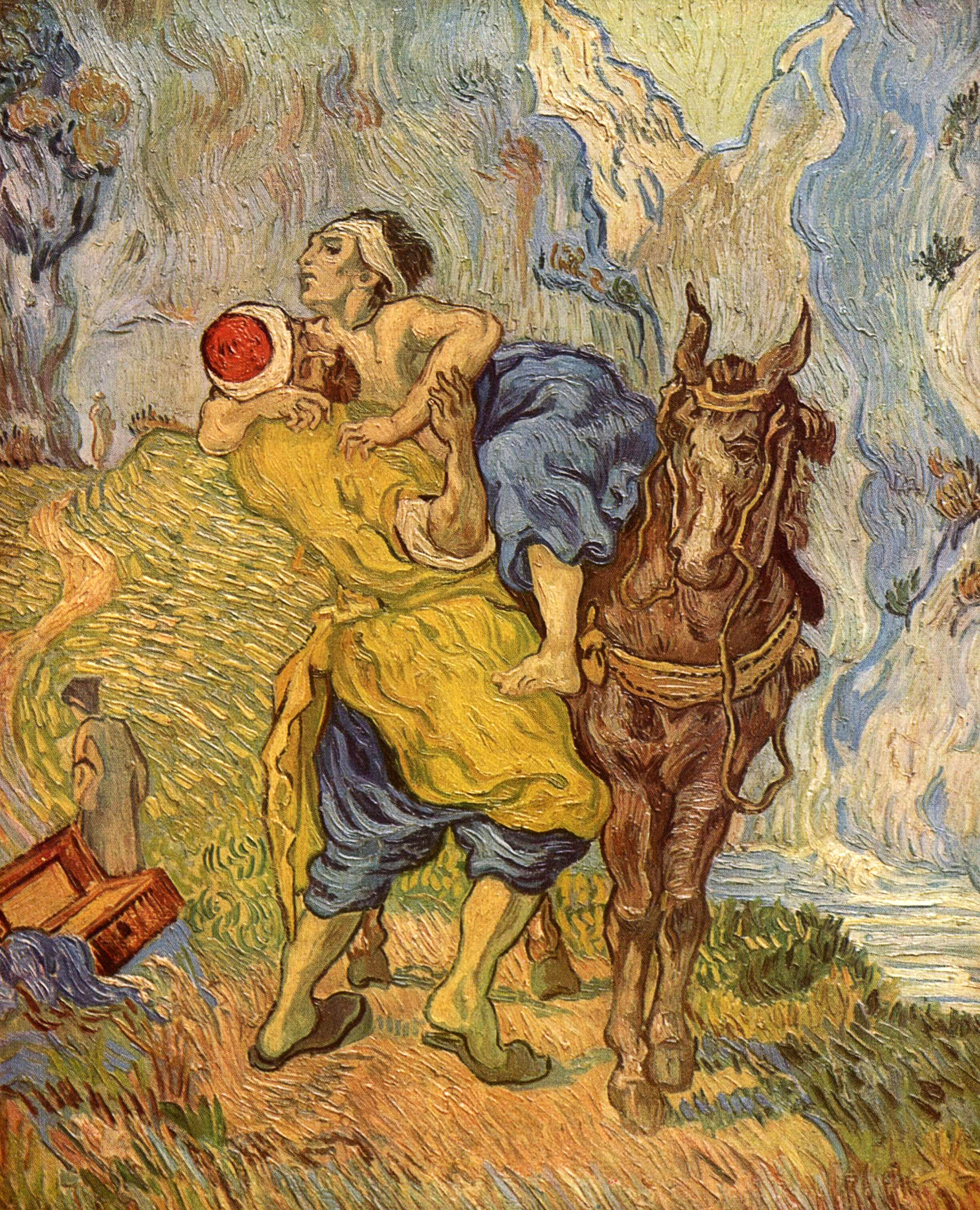
F633 The Good Samaritan (after Delacroix) 1890 -
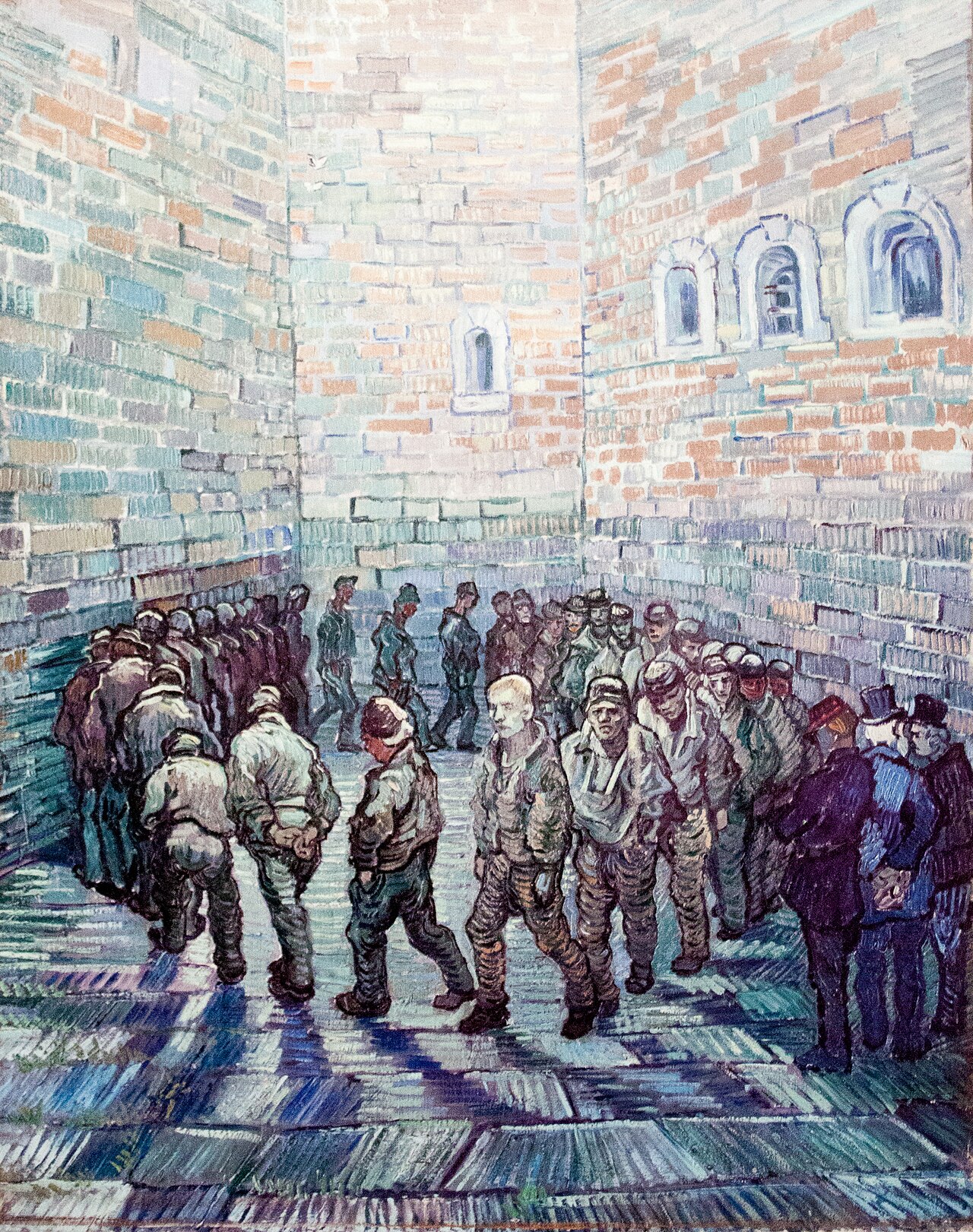
F669 Prisoners Exercising (after Doré) 1890 -
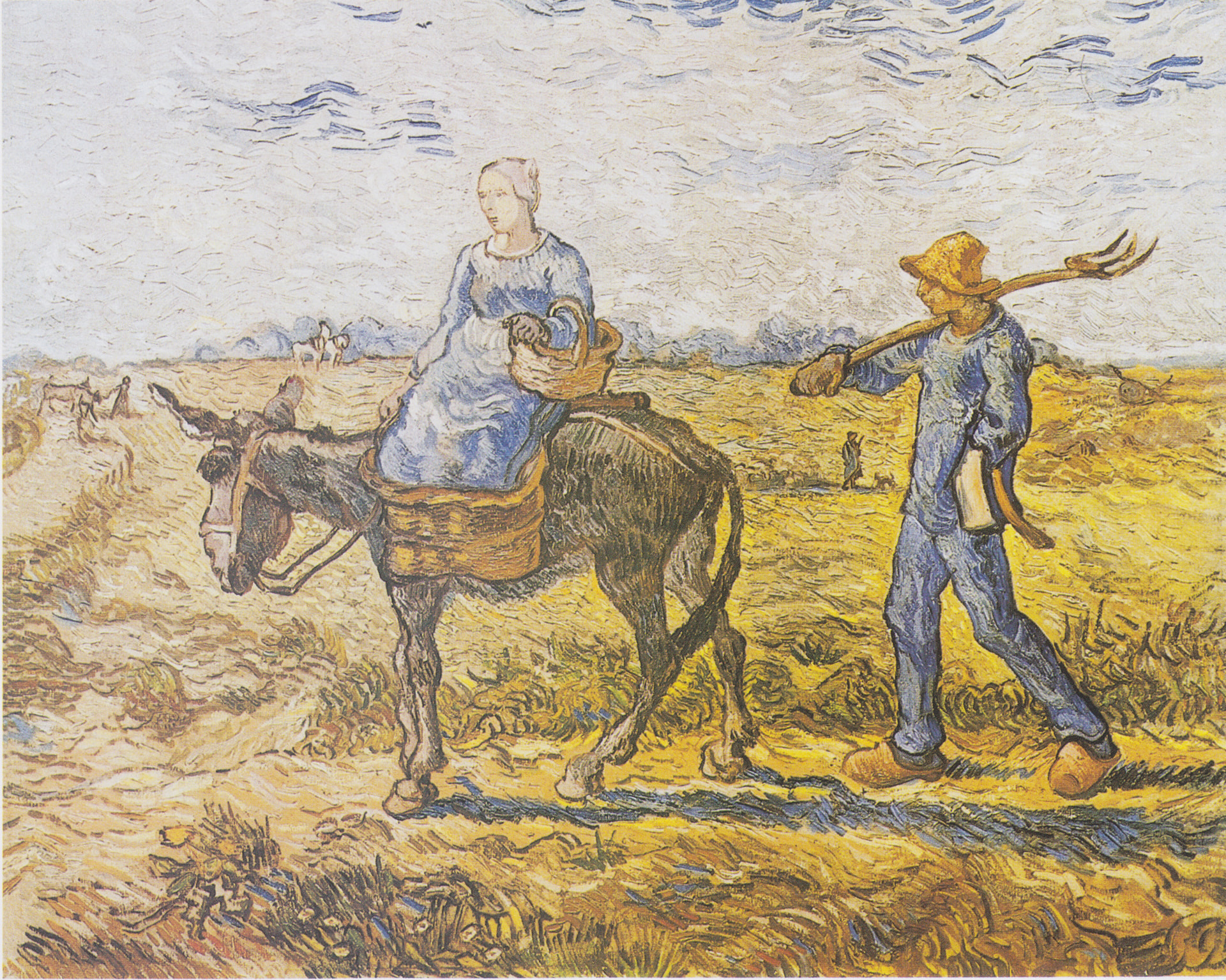
F684 Morning: Going out to Work (after Millet) 1890
Painting
Over thirty copies, all made inside the Saint-Paul asylum. Millet's Sower, Reaper, Noon Rest, First Steps. Delacroix's Pietà. Doré's Prisoners Exercising. The originals were black-and-white engravings or lithographs; he translated every one into oil paint — not reproduction, but reinterpretation through his own colour system.
Letter
In September 1889 he compared copying with music: a performer adds a personal interpretation to Beethoven. While ill, he had taken up copying by chance and found that it taught and sometimes consoled him. In January 1890 he described painting after Millet's black-and-white images as translating chiaroscuro into another language, that of colours.
Place
Saint-Paul-de-Mausole, his room and the empty one beside it. Outside the window: a wall. After the winter attack he did not trust himself outdoors, so the prints Theo mailed became the only landscape he could enter. He made thirty of these in roughly ten months — the most concentrated copying of his life, done in the smallest space he ever worked in.
At Saint-Rémy, illness and the lack of models made regular work uncertain. He looked for work that could continue indoors.
He worked from black-and-white prints after Millet and Delacroix, then improvised colour on them. He said the remembered, vague consonance of colours in the same sentiment became his own interpretation. In music, he wrote, a performer adds a personal interpretation to Beethoven; his brush went between his fingers like a bow on a violin.
He called copying an old system, but said it taught him and, above all, sometimes consoled him. It also kept the figure in view when he had no models.
Events
- The Colour Experimenter · Letter 806
Copied Millet's Reaper — original in black-and-white, he reinterpreted it in lemon yellow and violet
- The Copyist · Letter 805
Discussing copies, he compared them with music: a performer adds a personal interpretation to Beethoven
- The Copyist · Letter 807
Copied Delacroix's Pietà — turned a religious painting into blue-green grief
- The Colour Experimenter · Letter 808
Copied Millet's Noon Rest — rebuilt an afternoon he never saw in cobalt blue and gold
- The Translator · Letter 813
Copied Doré's Prisoners Exercising — translated the engraving's lines into oil paint's swirling brushstrokes
- The Translator · Letter 839
He described painting after Millet's black-and-white images as translation into another language, that of colours
From the Letters
c’est pas copier pur et simple que l’on ferait. c’est plutôt traduire dans une autre langue/ celle des couleurs/ les impressions de clair obscur en blanc & noir. it’s not copying pure and simple that one would be doing. It is rather translating into another language, the one of colours, the impressions of chiaroscuro and white and black.
On nous demande a nous autres peintres toujours de composer nous-mêmes et de n’être que compositeurs_ Soit – mais dans la musique il n’en est pas ainsi – et si telle personne jouera du Beethoven elle y ajoutera son interprétation personelle We painters are always asked to compose ourselves and to be nothing but composers. Very well – but in music it isn’t so – and if such a person plays some Beethoven he’ll add his personal interpretation to it
Letter Sources
Van Gogh letter records referenced on this page, linked to the Van Gogh Letters Project. vangoghletters.org
Technique Evidence
This work appears as evidence in this site’s technique-evolution axis.