1889-1890 · 8 Gogh.art nodes
Van Gogh in Saint-Rémy: The Starry Night, Cypresses and the Asylum
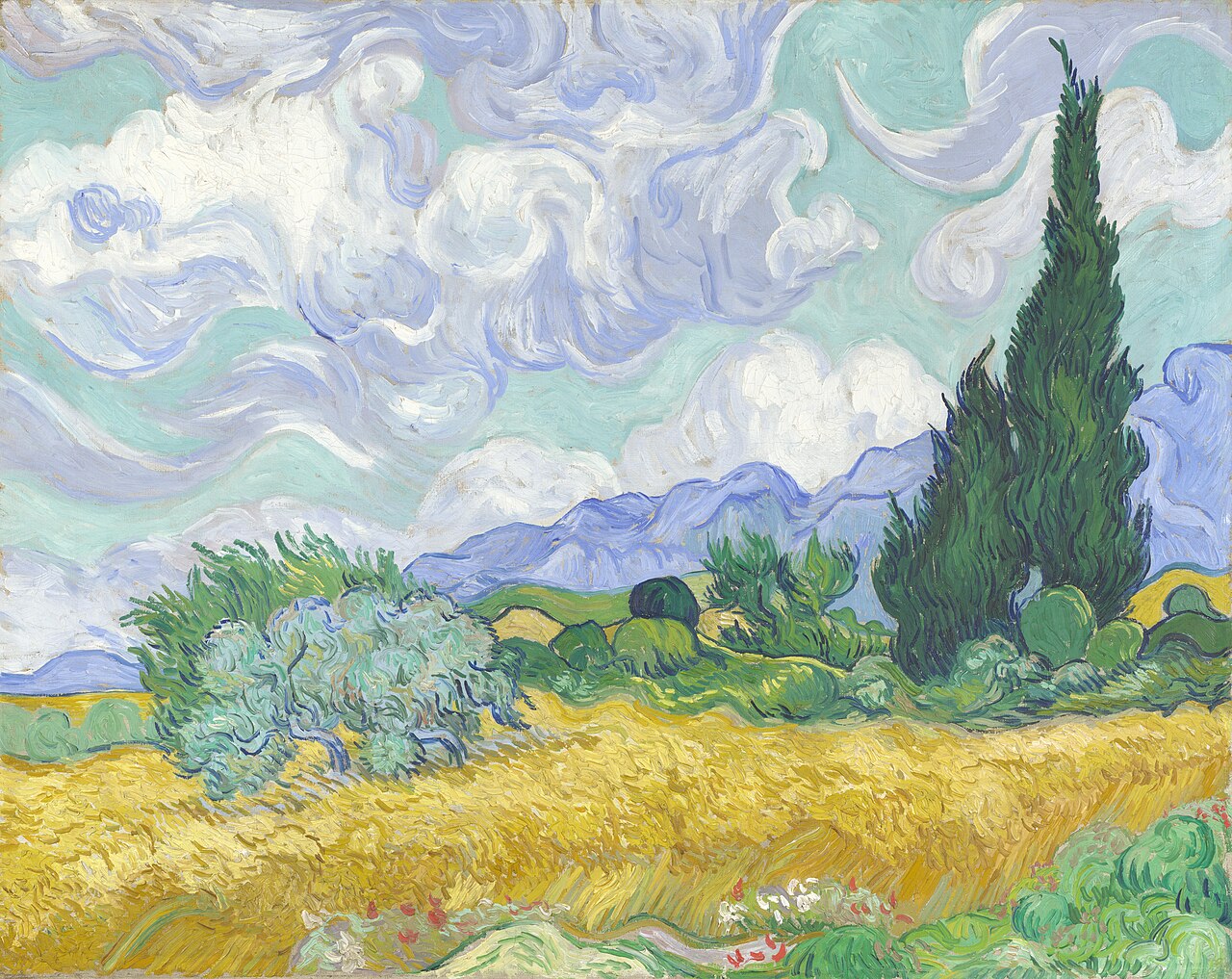
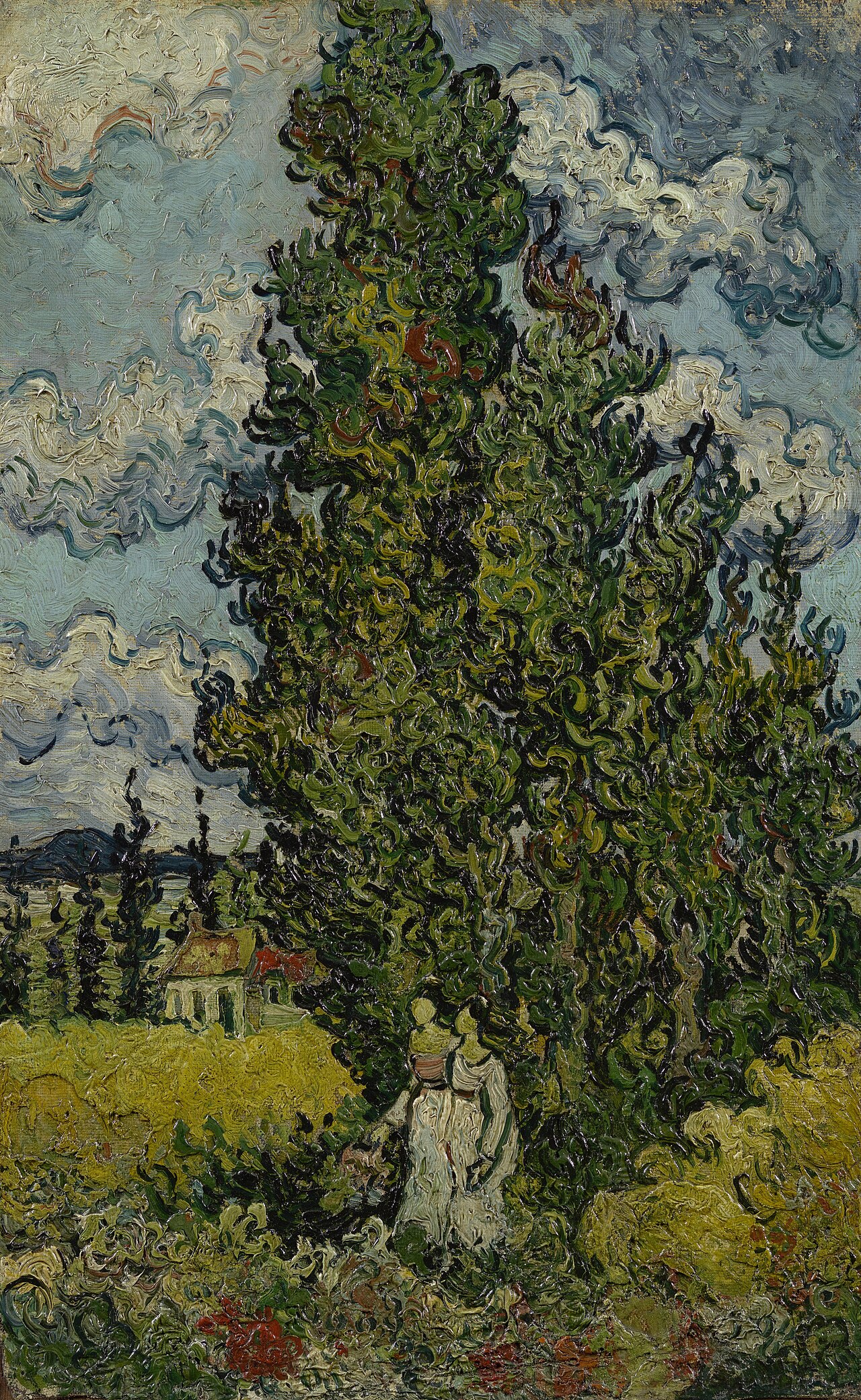
In 1889 Van Gogh admitted himself to the asylum at Saint-Rémy. His physical range narrowed, but his work did not: cypresses, irises, olive groves, copies and The Starry Night turned the nearby landscape into an intense pictorial problem.
- The Colour Experimenter
- The Translator
- Synaesthetic Precision
- The Ferocious Reader
- The Copyist
Long-tail intents
- Van Gogh Saint-Remy paintings
- The Starry Night Saint-Remy
- Van Gogh cypresses Saint-Remy
Reading this place
A limited range, an enlarged observation
The asylum garden, views from the room and reachable fields gave Van Gogh a limited set of recurring motifs; versions, times of day and media kept them in motion.
Copying as translation
At Saint-Rémy he practised figures from black-and-white reproductions after artists he admired. The museum describes this work as a translation from black and white into colour, rather than mechanical copying.
Key artwork paths
Common questions
Why was Van Gogh in Saint-Remy?
In 1889 he admitted himself to the local asylum and continued to work there.
Was The Starry Night painted in Saint-Remy?
Yes. The Starry Night belongs to his Saint-Remy work on sky, cypresses and the village.
What are the main Saint-Remy motifs?
Cypresses, irises, olive groves, the asylum garden and nearby fields recur throughout this period.
Sources
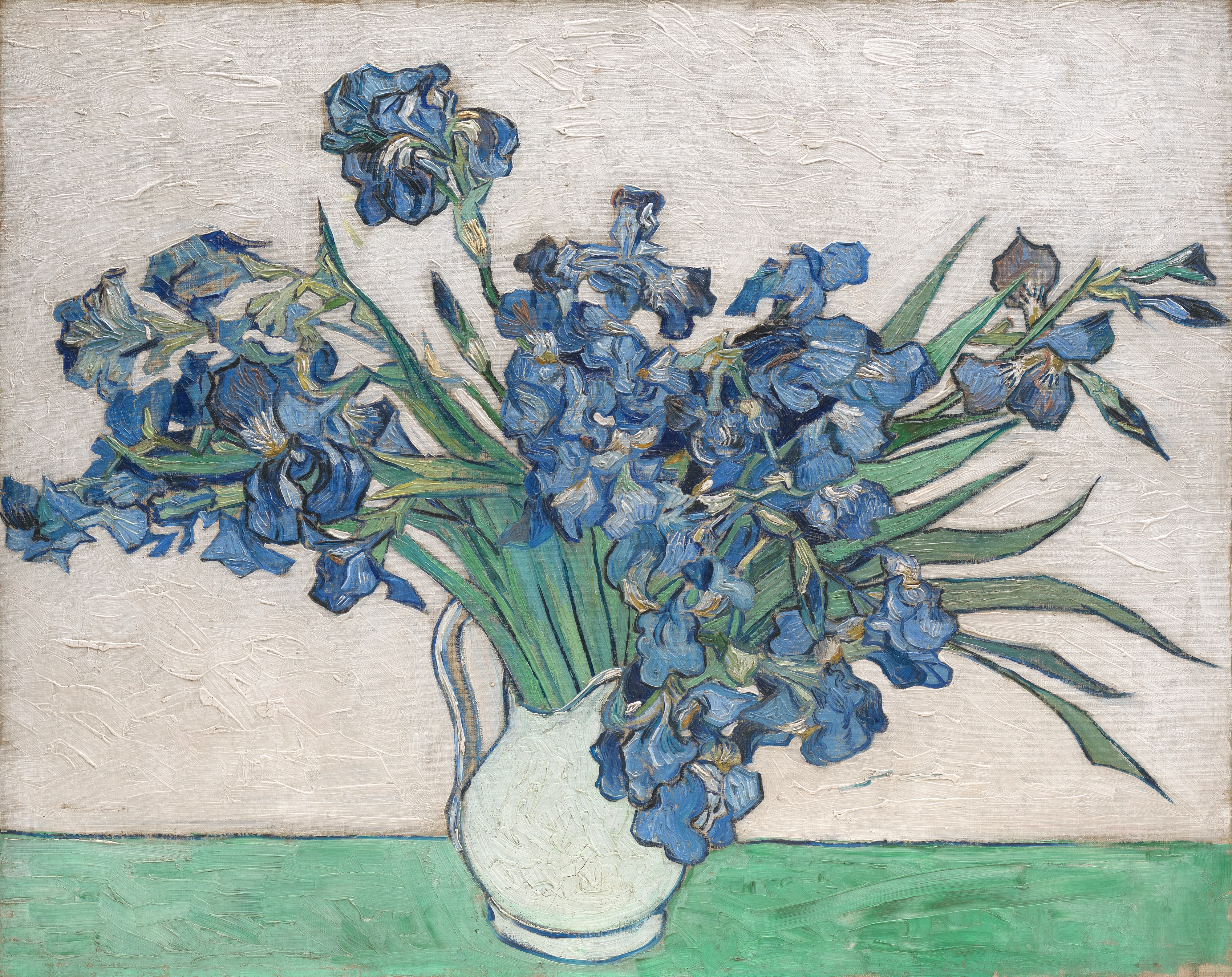
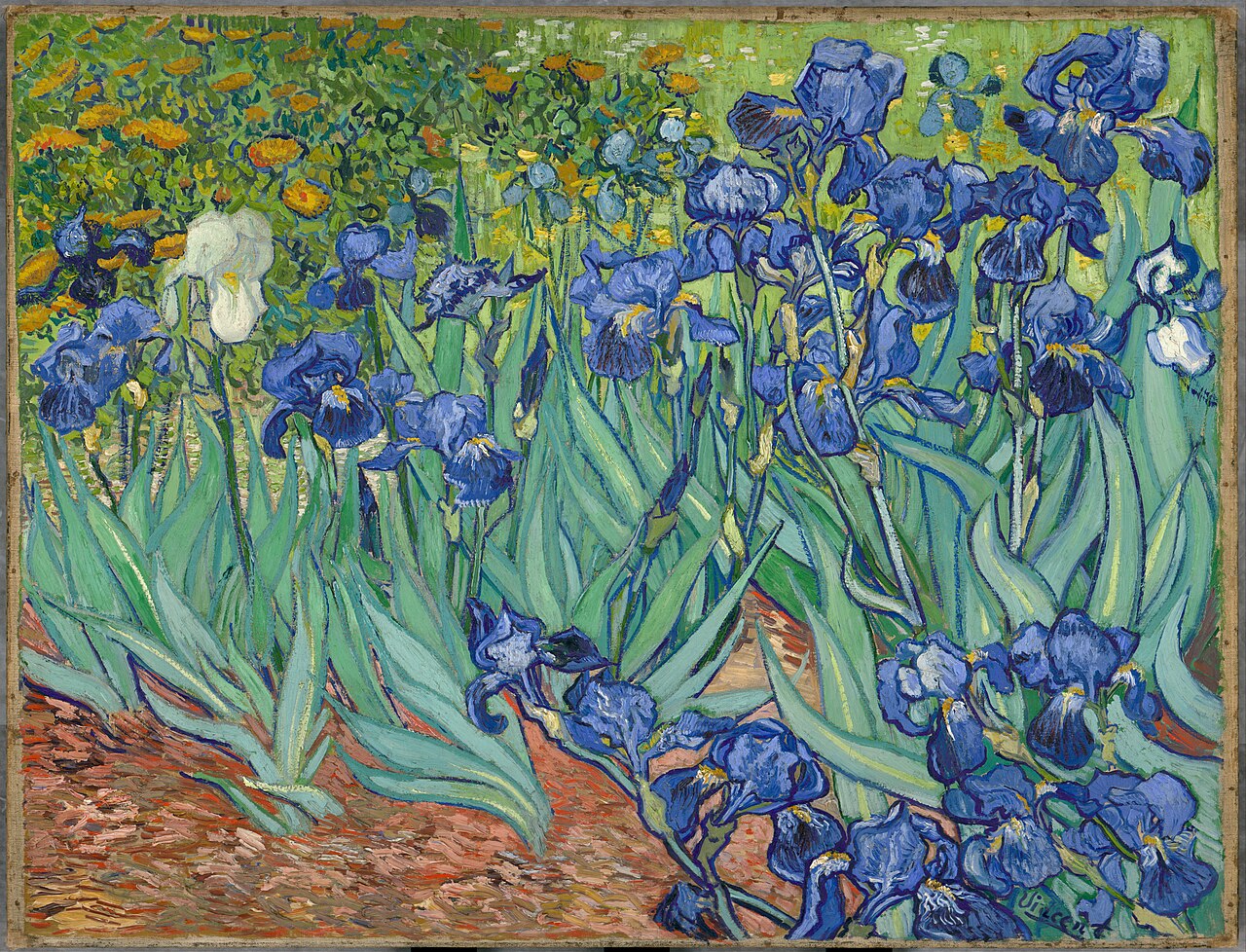
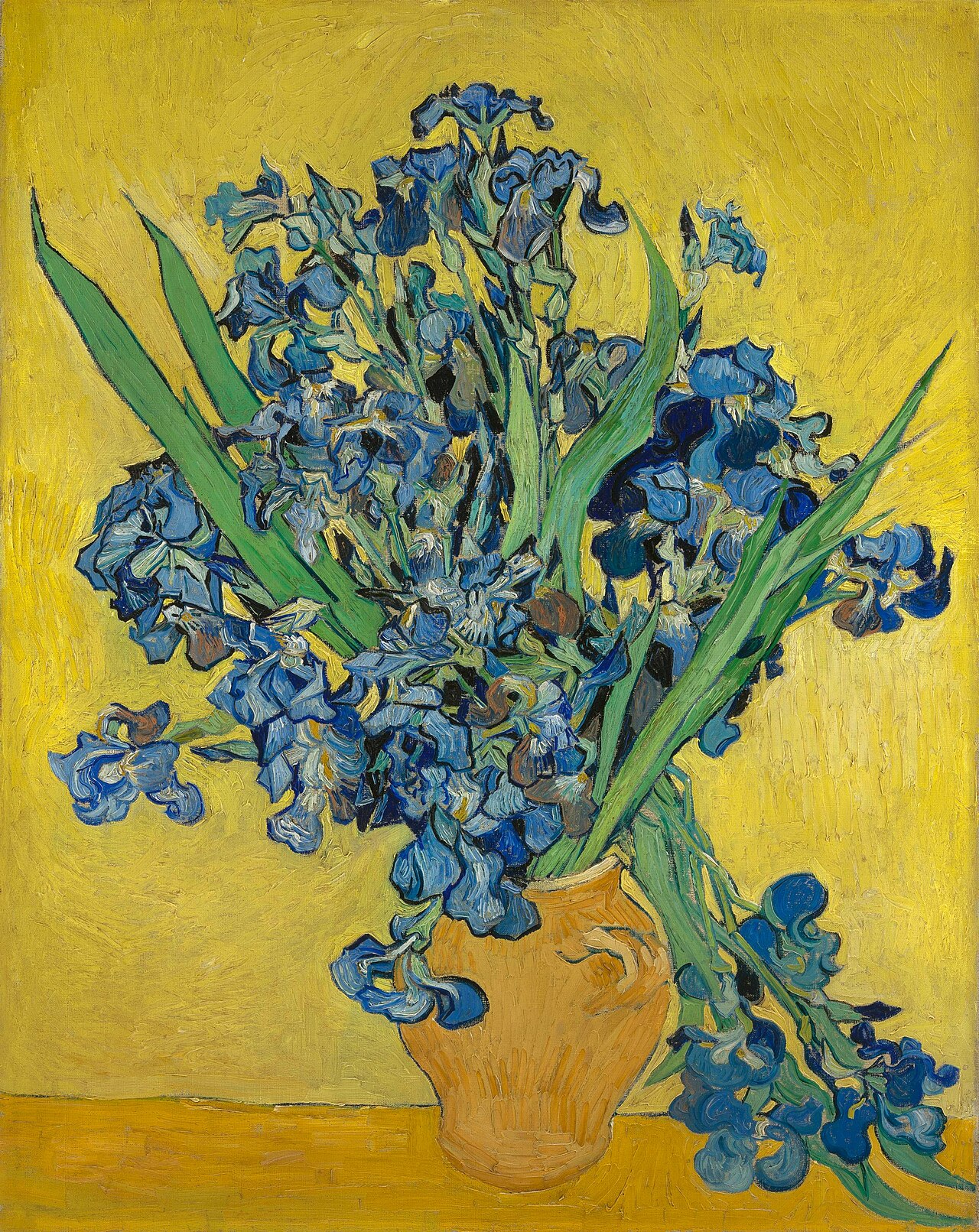
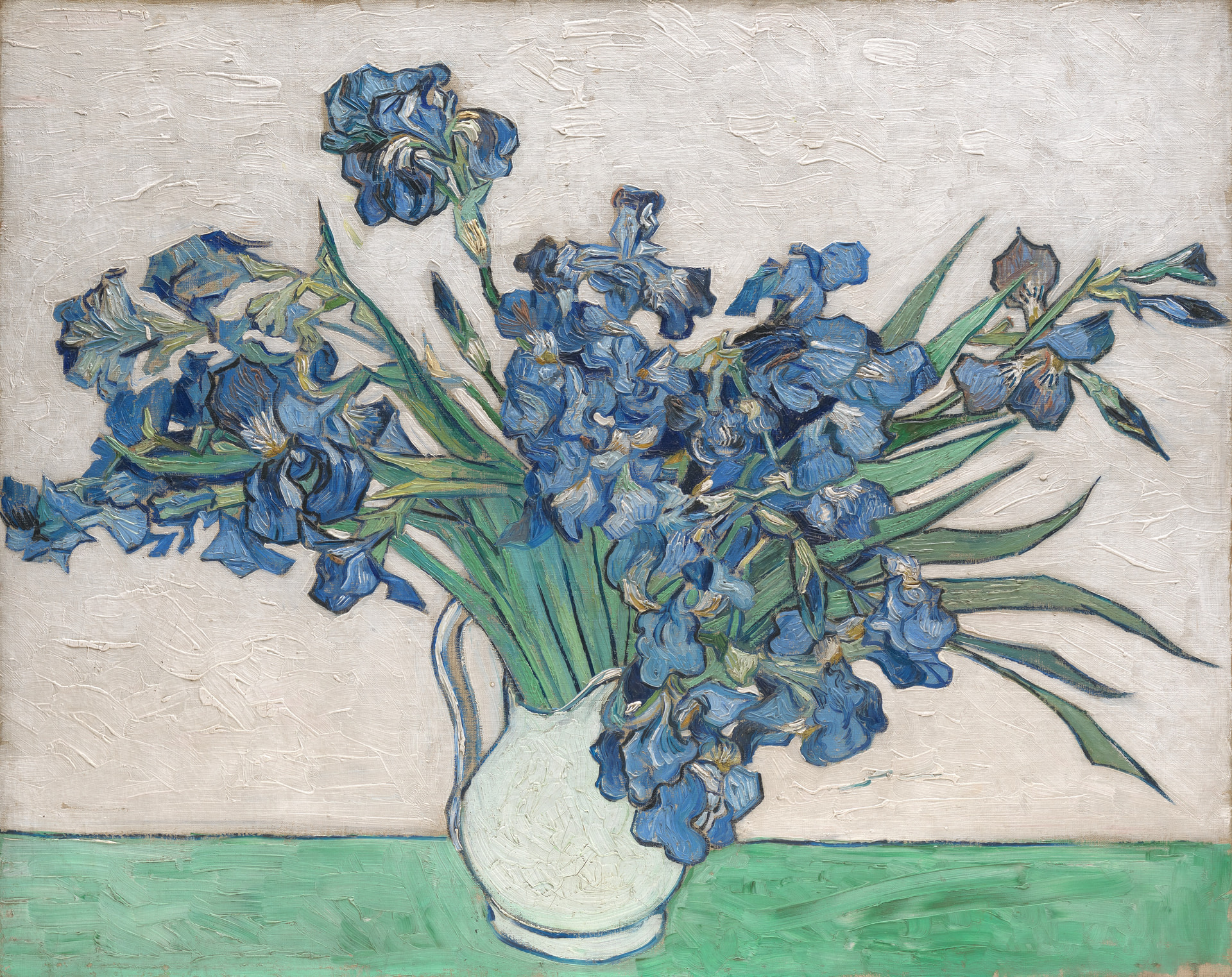
Irises
In his first letter from Saint-Rémy, two garden paintings were already under way.
- The Colour Experimenter
- The Translator
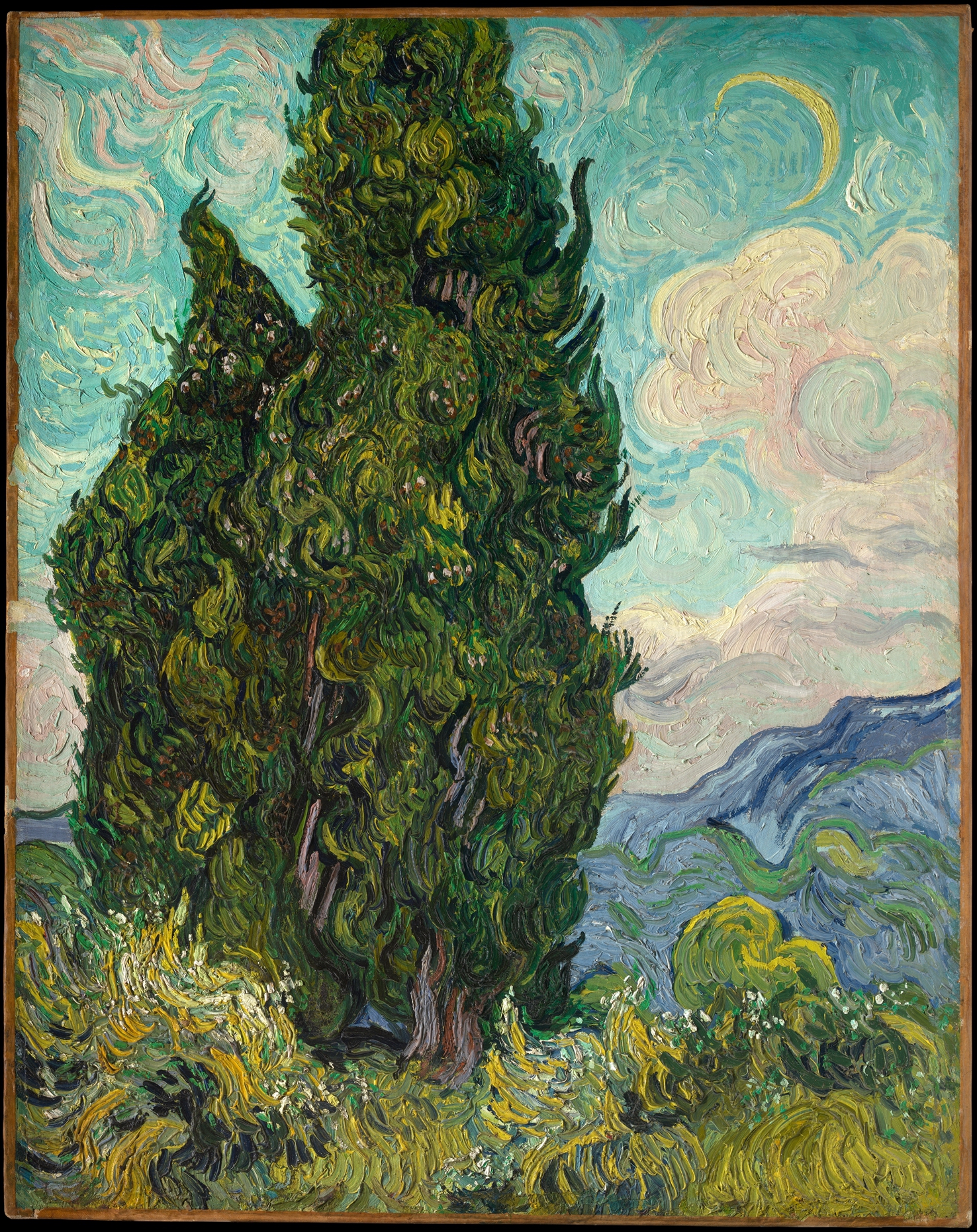
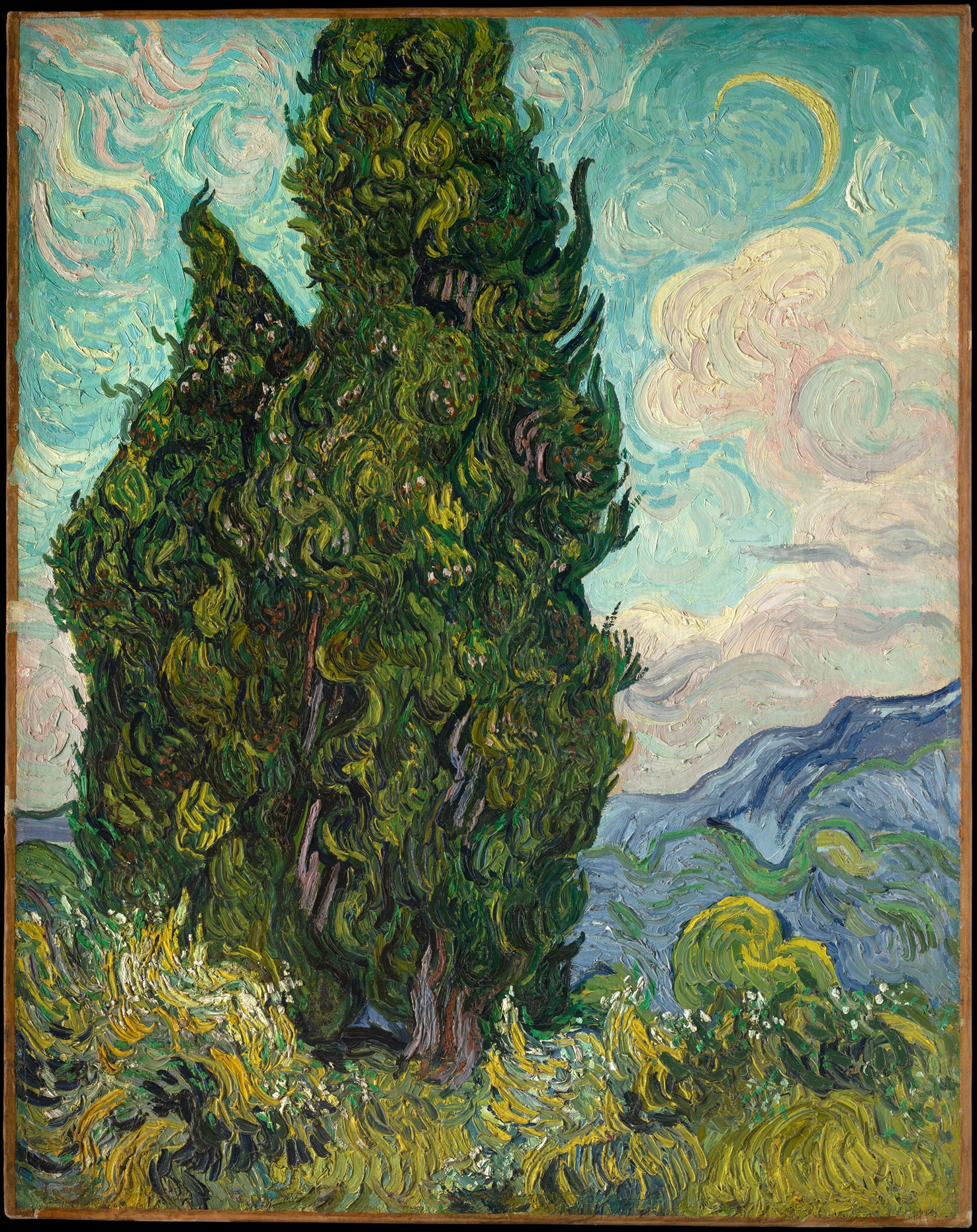
Cypresses
He did not find the tree first in his letters; he caught up to it, in the letters, as he painted.
- Synaesthetic Precision
- The Colour Experimenter
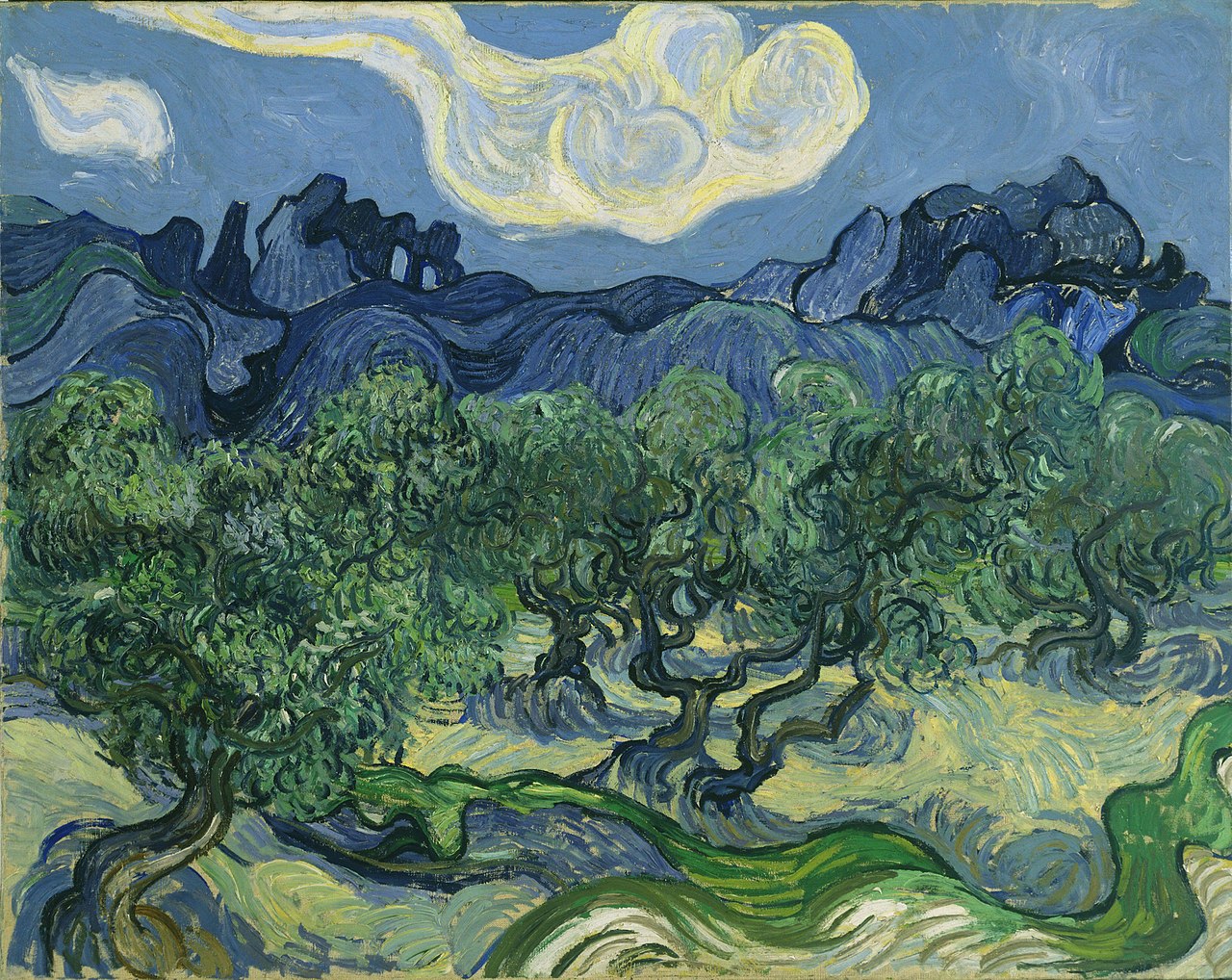
The Olive Groves
Rather than reconstruct a historical Garden of Olives, he returned to the ones in front of him.
- The Colour Experimenter
- Synaesthetic Precision
The Starry Night
About his most famous picture, he himself said little. Both of these things are true at once.
- Synaesthetic Precision
- The Colour Experimenter
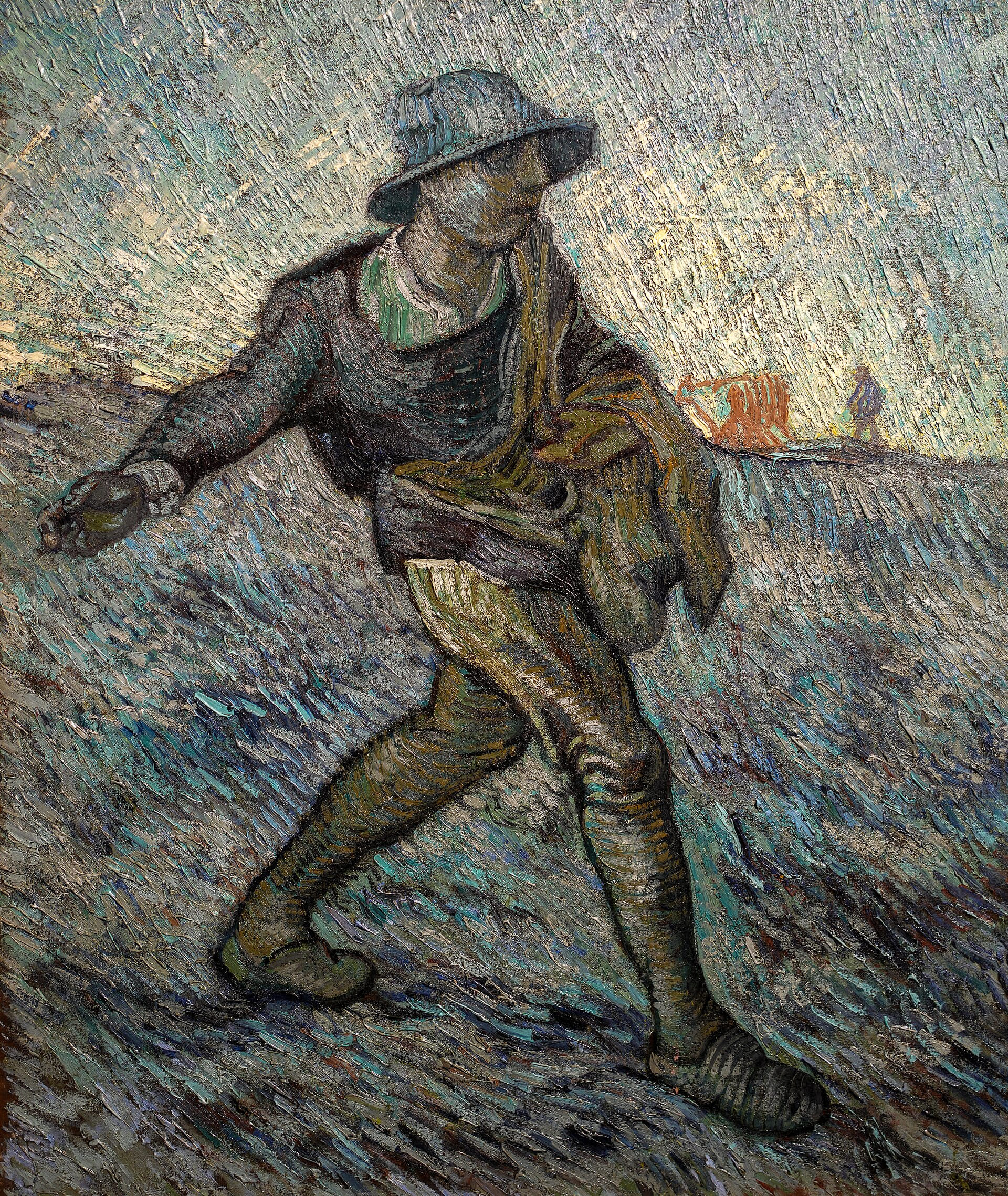
The Saint-Rémy Copies
The source could be black and white; the colour answer had to be his own.
- The Copyist
- The Translator
The Night Before the Crisis
The crisis appears in the archive between letters and paintings, not as an empty interval outside them.
- Synaesthetic Precision
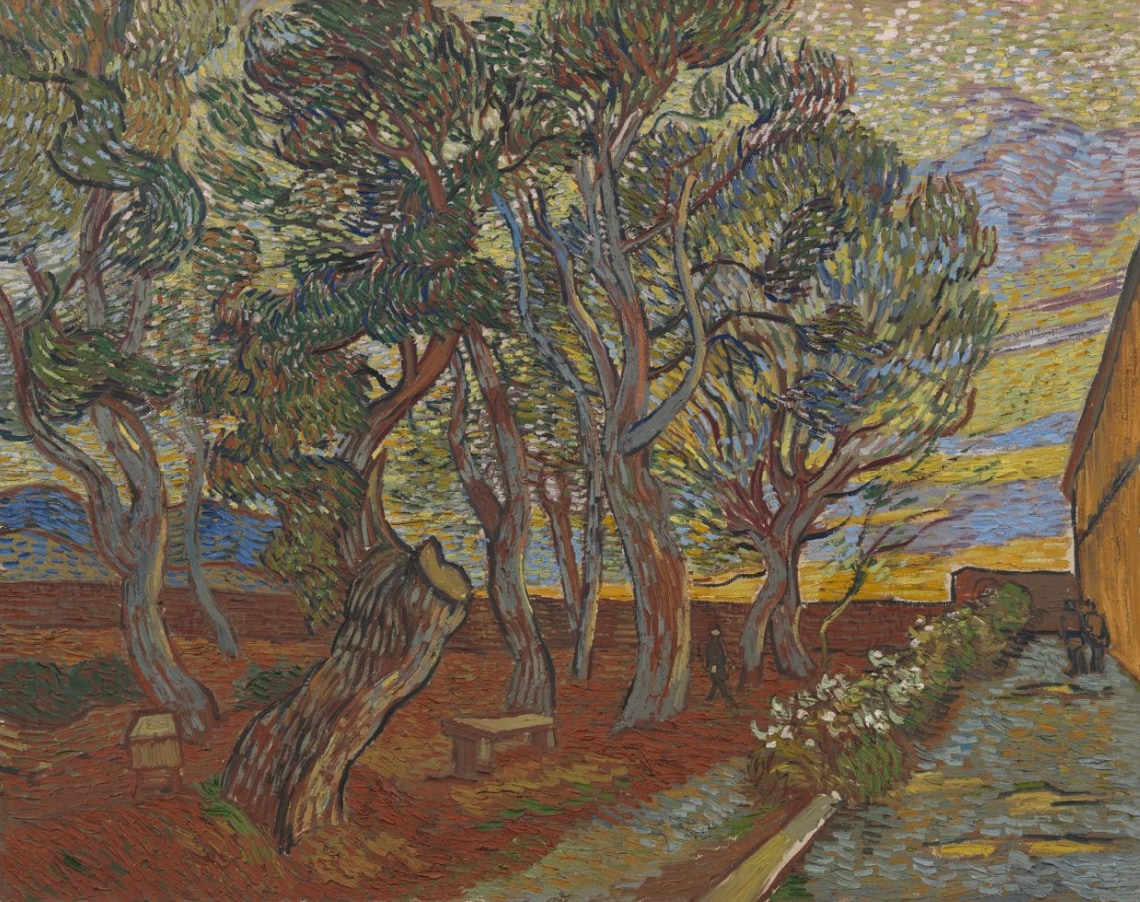
The Hospital Garden
After his range became smaller, he looked at that small place more thoroughly.
- Synaesthetic Precision
- The Colour Experimenter
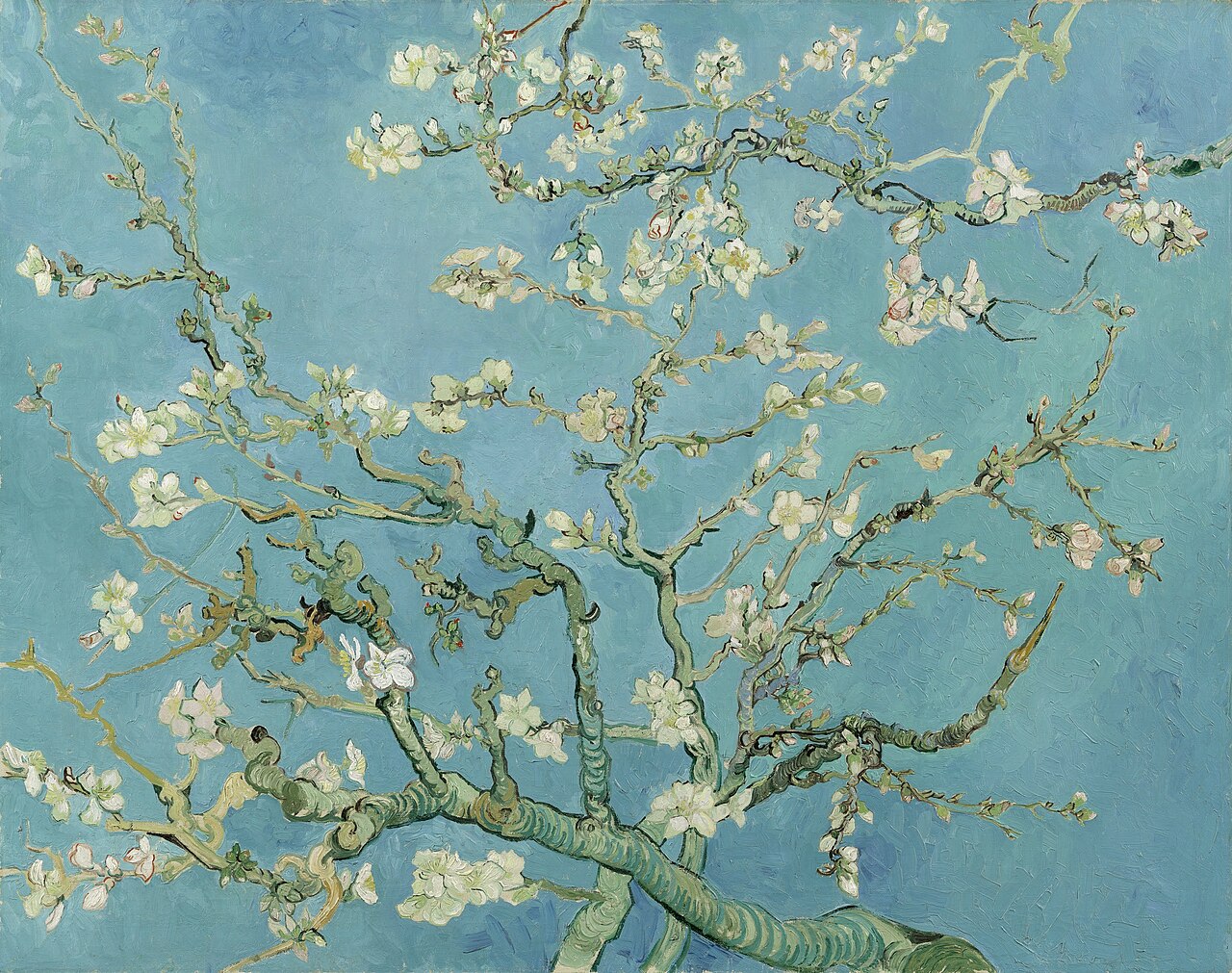
Almond Blossom
It was a gift for a child, and one of the works he later described most carefully in his own hand.
- The Translator
- The Copyist