1884-1885 · 3 Gogh.art nodes
Van Gogh in Nuenen: Peasants, Weavers and The Potato Eaters
From 1883 to 1885 Van Gogh lived again with his parents in Nuenen. Peasants, weavers, still lifes and The Potato Eaters form a core of early realism here, not a failed rehearsal for later brightness.
- Synaesthetic Precision
- The Colour Experimenter
- The Ferocious Reader
- The Translator
Long-tail intents
- Van Gogh Nuenen paintings
- The Potato Eaters Nuenen
- Van Gogh weaver paintings
Reading this place
Labour as a painting problem
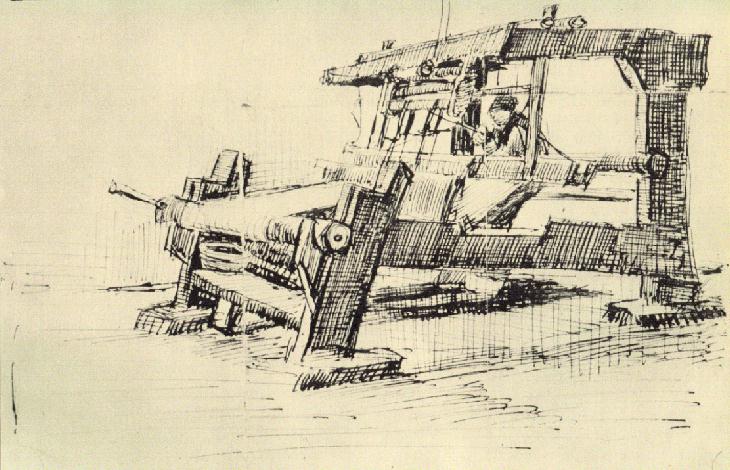
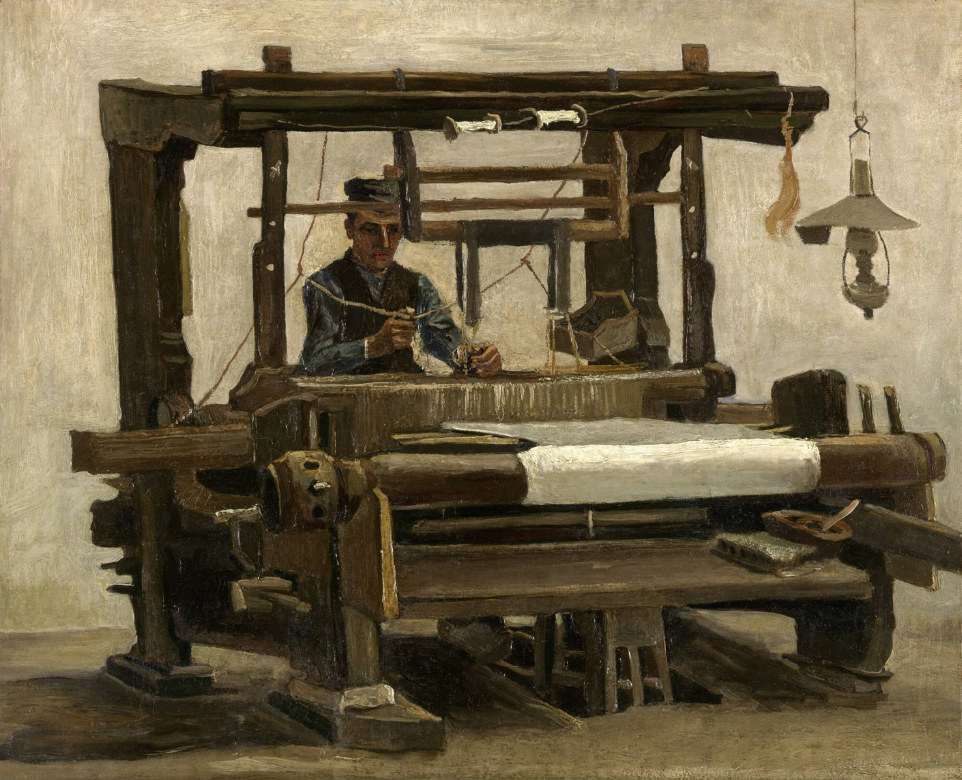
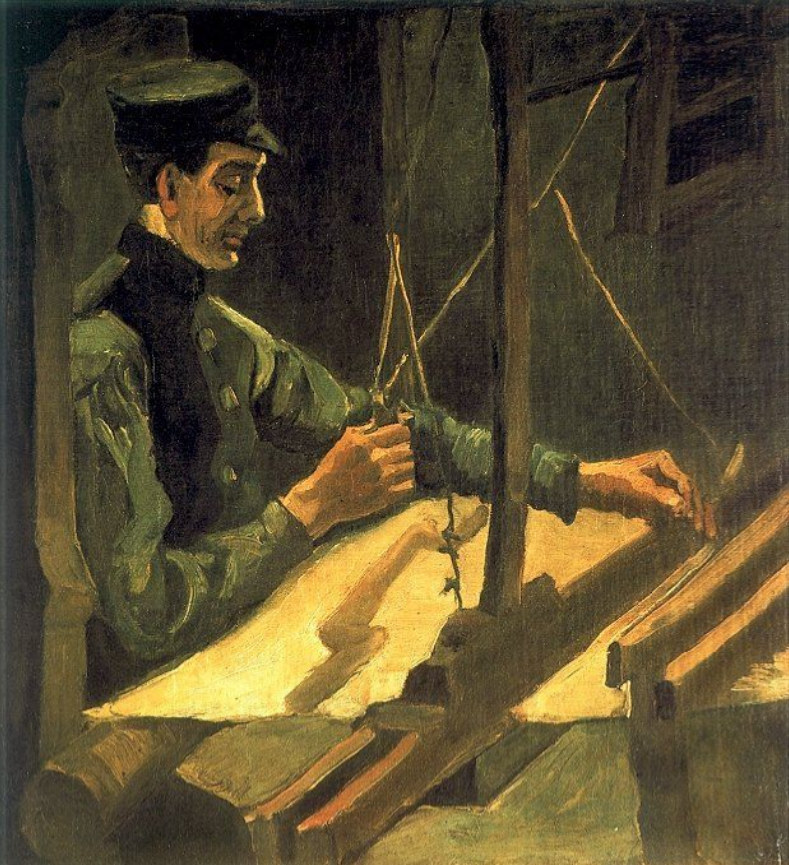
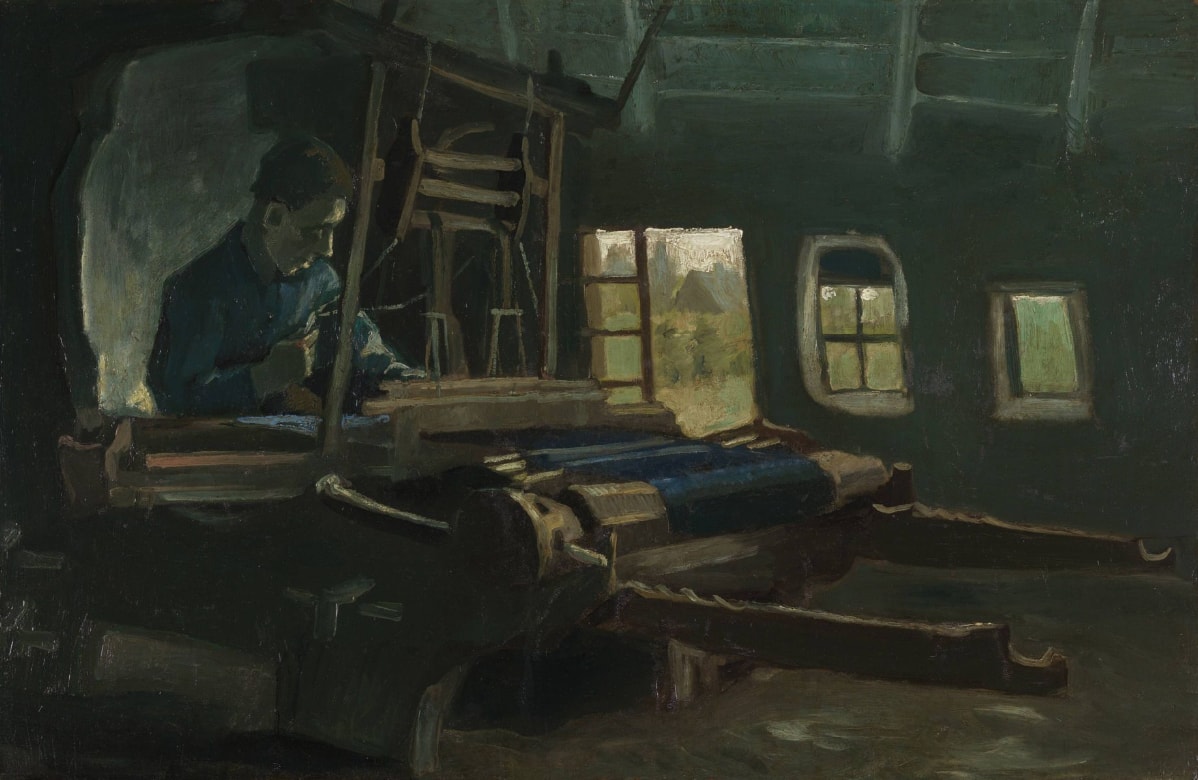
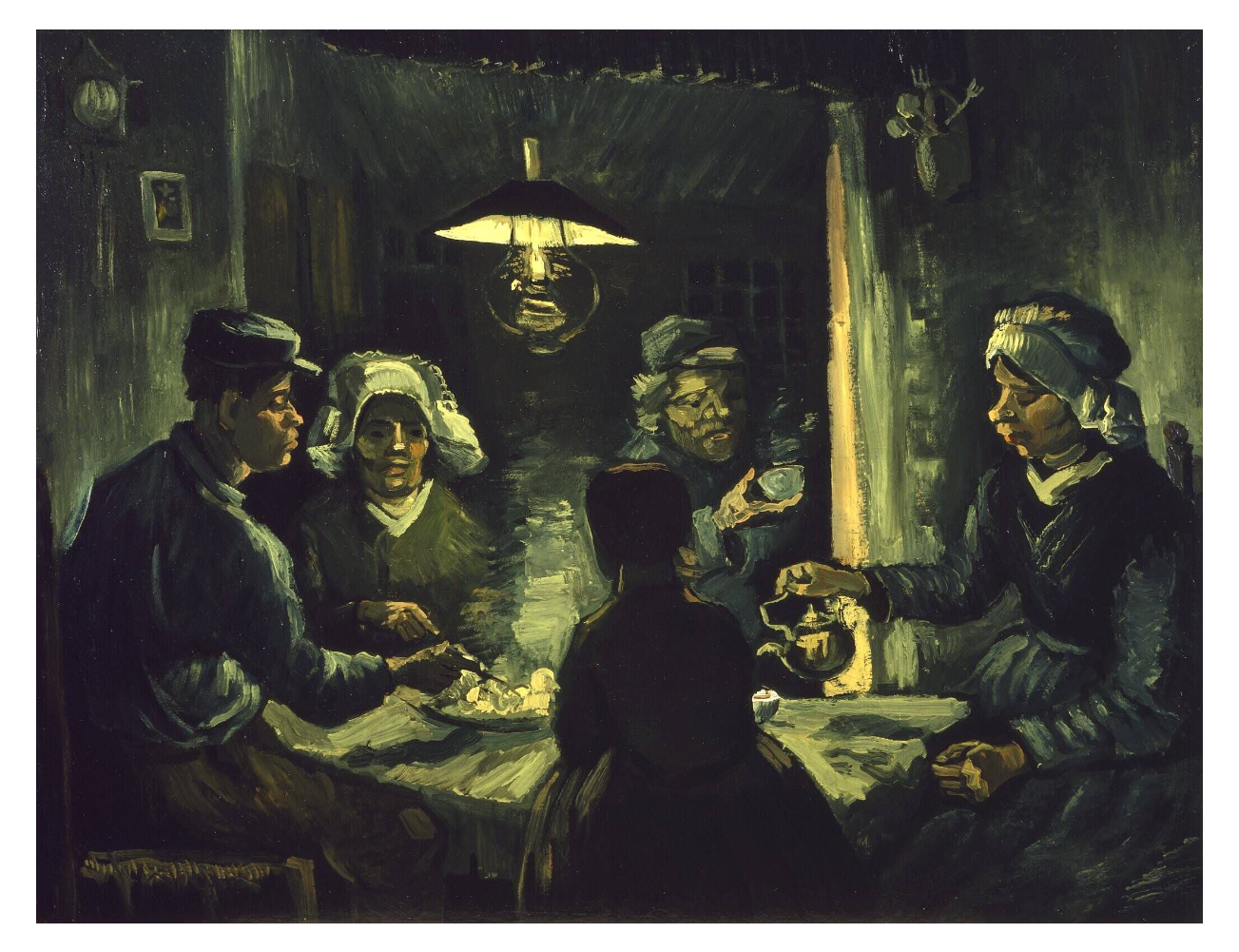
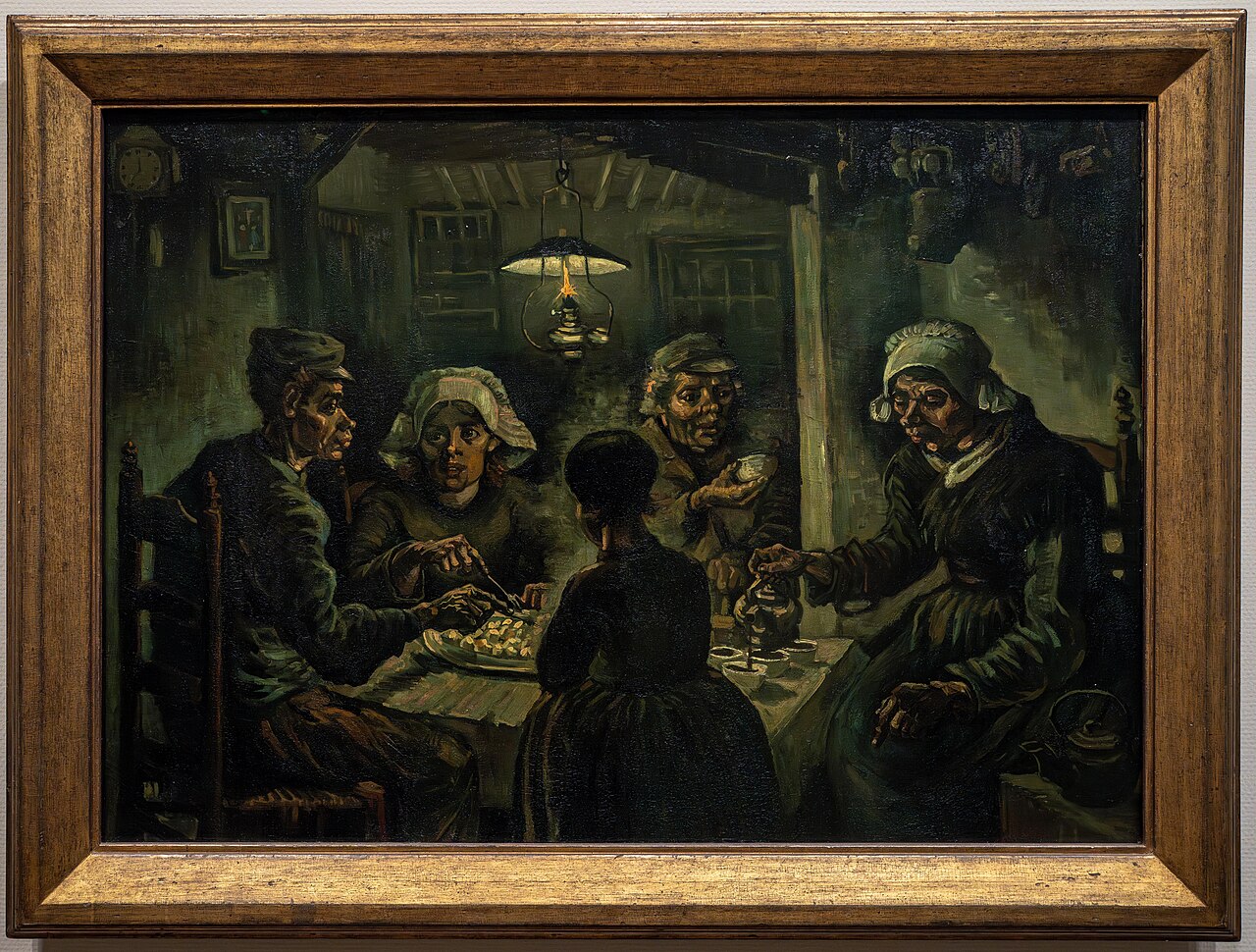
The figures of Nuenen are not rural decoration. Peasant hands, looms, interior light and a shared meal bind body, labour and composition together; The Potato Eaters is the most concentrated statement of this work.
Darkness is not an absence of colour
The dark palette serves the weight of interiors, soil, clothing and faces. It belongs beside the later turns in Paris and Arles, not only to a phase that needed to be overcome.
Key artwork paths
Common questions
When did Van Gogh live in Nuenen?
He lived with his parents in Nuenen from 1883 to 1885.
Was The Potato Eaters painted in Nuenen?
Yes. It is a central Nuenen work on peasant life.
Why are Nuenen paintings often dark?
The darker palette helps carry the weight of interiors, soil, clothing and working faces.
Sources
The Weavers
In Nuenen in 1884, Van Gogh painted weavers amid the loom’s frame, their hands still at work.
- Synaesthetic Precision
- The Colour Experimenter
The Potato Eaters
In Nuenen in 1885, Van Gogh moved from figure studies and a lithograph to The Potato Eaters in oil, describing the hands at the table as working hands.
- The Ferocious Reader
- The Colour Experimenter
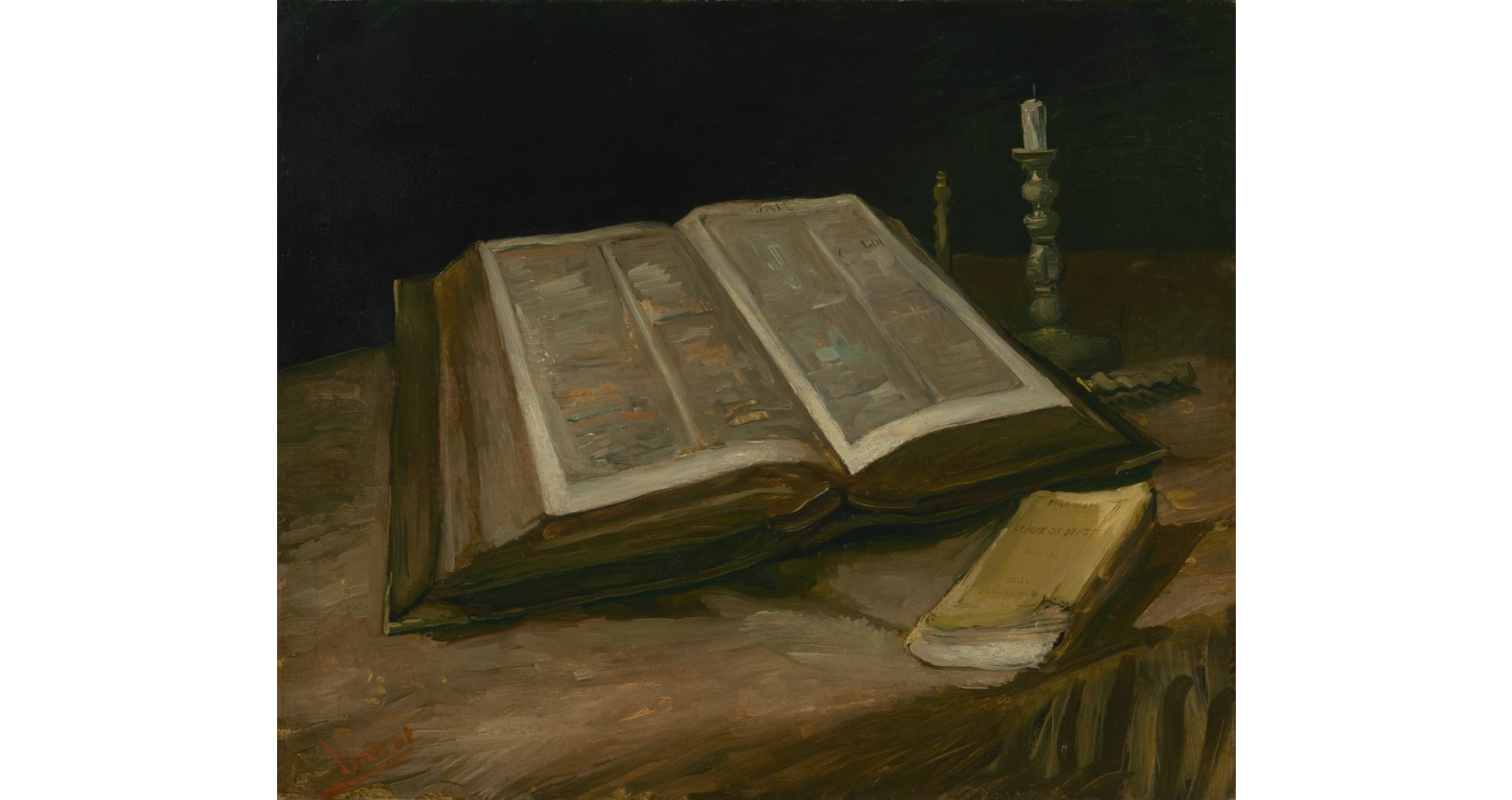
Still Life with Bible
No surviving letter explains why the two books are set side by side.
- The Ferocious Reader
- The Colour Experimenter