1890.05 – 1890.07
The Burning Seventy Days
Seventy days. More than eighty paintings. He pushed the horizontal format to the outer limit of his personal language.
Technique
At Auvers, speed and format became part of the technique. He made more than 80 paintings in 70 days, while the continuous swirl of Saint-Rémy broke into faster, smaller marks laid side by side; the 50 × 100 cm horizontal canvas was used across wheatfields, gardens, roads and figures. The paint remained thick but was placed more quickly, and the palette became more tense and sharply contrasted.
Causes
Release from Saint-Rémy in May brought a surge of productive energy. After two and a half years in Provence, northern light was a different phenomenon: cooler, more diffuse, with different shadows. Location dictated subject matter: from the Auberge Ravoux, wheatfields lay just outside the window; Daubigny's widow allowed him to paint her late husband's garden. Dr. Paul Gachet — homeopath and amateur painter — took him on as a patient, though the historical record on Gachet's actual medical role is contested. In the letters, anxiety mounts: Theo's deteriorating health and financial pressures run through letters 879–902. Letter 899 records his worry about his nephew Vincent Willem's illness. The double-square format deserves emphasis. No 19th-century painter built a concentrated body of work in this format. Theo ordered the canvases specially from Paris. The dimensions force a panoramic compositional logic, do not suit portraiture, and are difficult to mount on a standard easel. That a painter spent his final weeks systematically driving this format through wheatfields, gardens, a village road, and figures — this is one of the most underestimated technical events in his career.
Representative works
- *Portrait of Dr. Gachet* (F753 / JH2007, June 1890): one of two versions; a study in fatigue - *Church at Auvers* (F789 / JH2006, June 1890): the village's emotional anchor - *Marguerite Gachet at the Piano* (F772 / JH2048, June 1890): double-square format - *Daubigny's Garden* (F776 / JH2104, July 1890): double-square; a forerunner's garden - *Wheatfield Under Thunderclouds* (F778 / JH2097, July 1890): double-square - *Wheatfield with Crows* (F779 / JH2117, July 1890): often misidentified as the last painting — it is not - *Tree Roots* (F816 / JH2113, July 1890): per Wouter van der Veen's 2020 research, the probable actual last work, unfinished
Letter evidence
- Letters 879–902: entire Auvers correspondence - Letter 879 (May 20, 1890): first letter from Auvers - Letter 898 (July 10, 1890): "I risk my life for my work, and my reason has half foundered in it" - Letter 902 (drafted July 23, 1890, unsent): found on his person after the shooting
Transition
On the evening of July 27, 1890, he shot himself in a wheatfield. He died two days later, Theo at his side. This line of technical evolution ends here — there is no next period. But the nephew who bore his name would, twenty years later, become the person who determined how all of it would be remembered. That story belongs to another document.
Curve Landing Points
The Burning Seventy Days: fragmented_paratactic
The Burning Seventy Days: Application shifts from sedimentary to thrown
The Burning Seventy Days: stormy_high_contrast_late_tonal
The Burning Seventy Days: double_square_50x100
The Burning Seventy Days: 80+
Period Evidence Network
Which works turn this period’s curve metrics into clickable evidence.
- The Burning Seventy Days1890.05 – 1890.07
- The Burning Seventy Days1890.05 – 1890.07
- The Burning Seventy Days1890.05 – 1890.07
- The Burning Seventy Days1890.05 – 1890.07
- The Burning Seventy Days1890.05 – 1890.07
- The Burning Seventy Days1890.05 – 1890.07
- The Burning Seventy Days1890.05 – 1890.07
- The Burning Seventy Days1890.05 – 1890.07F1624 / JH1985Old Vineyard with Peasant WomanNode pending
Representative Works
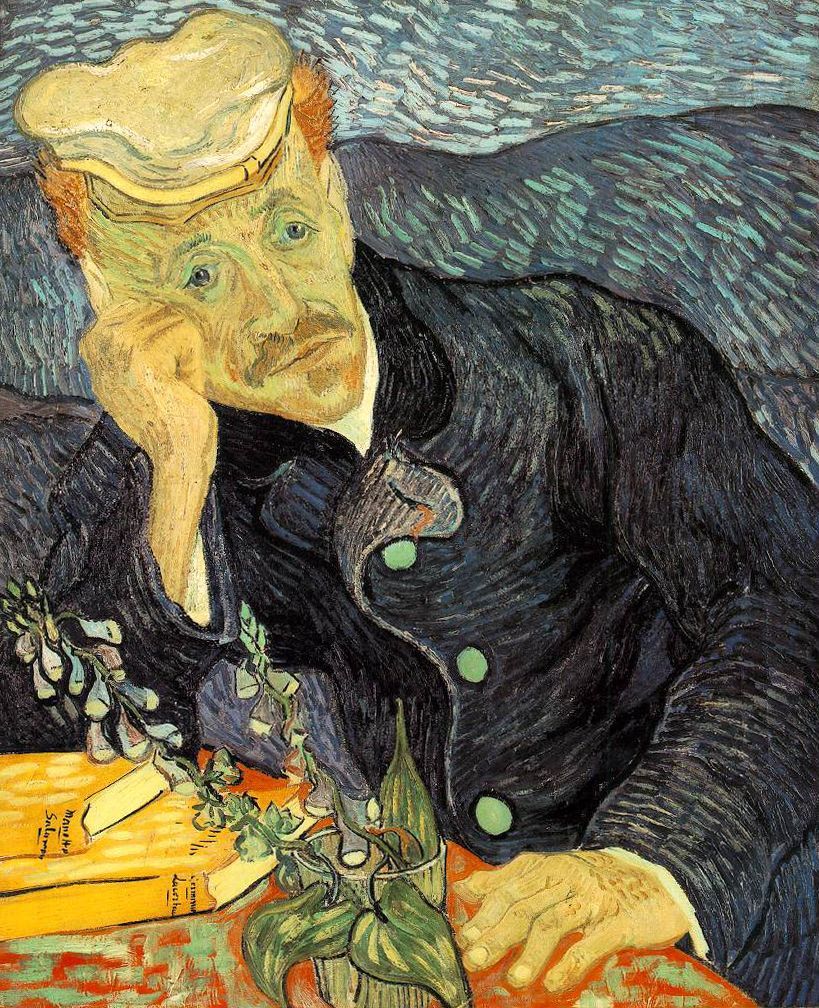 Portrait of Dr. Gachet Speed Representative work from the 70-day Auvers burst Open node · Doctor Gachet
 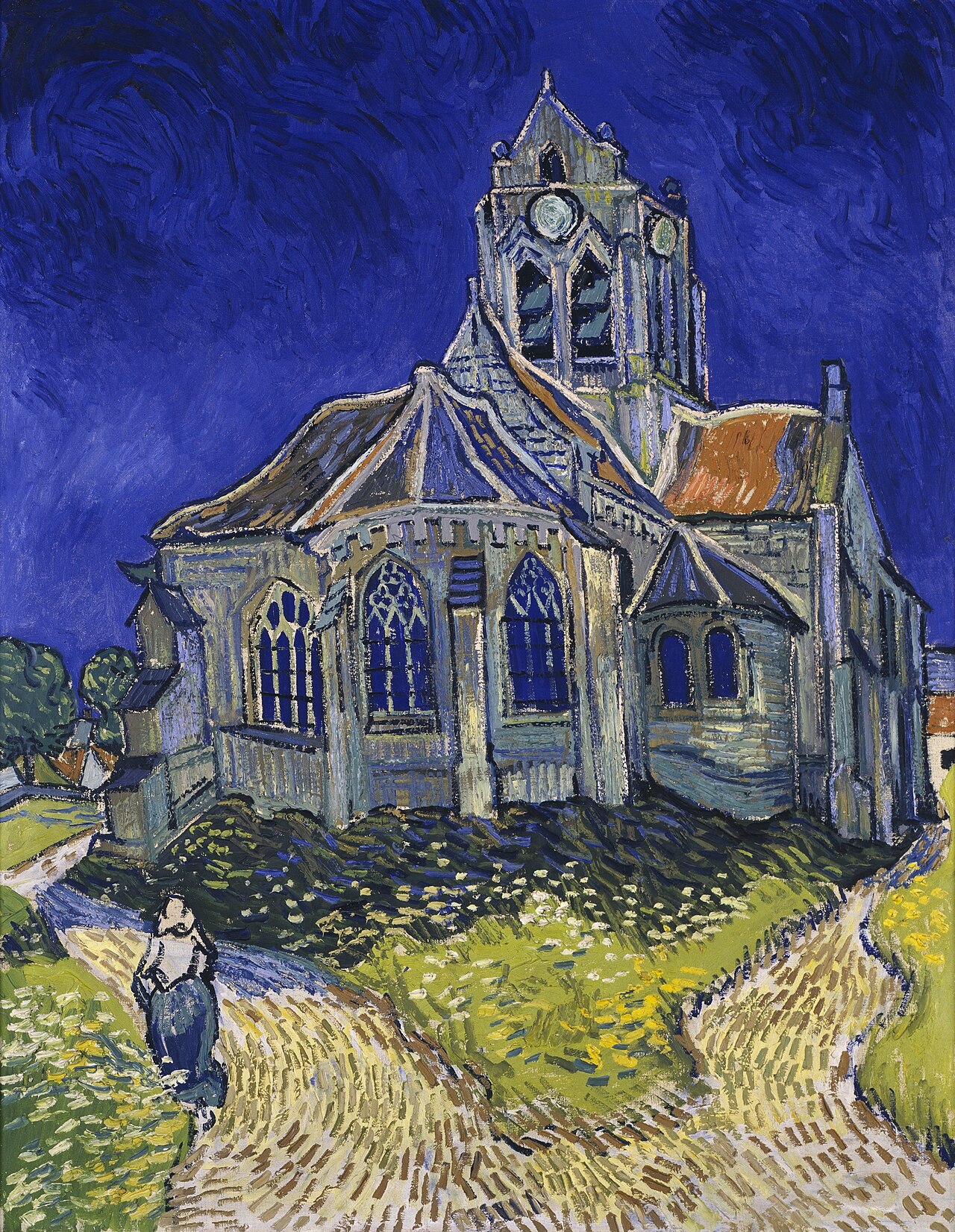 Church at Auvers Speed Representative work from the 70-day Auvers burst Open node · The Church at Auvers
 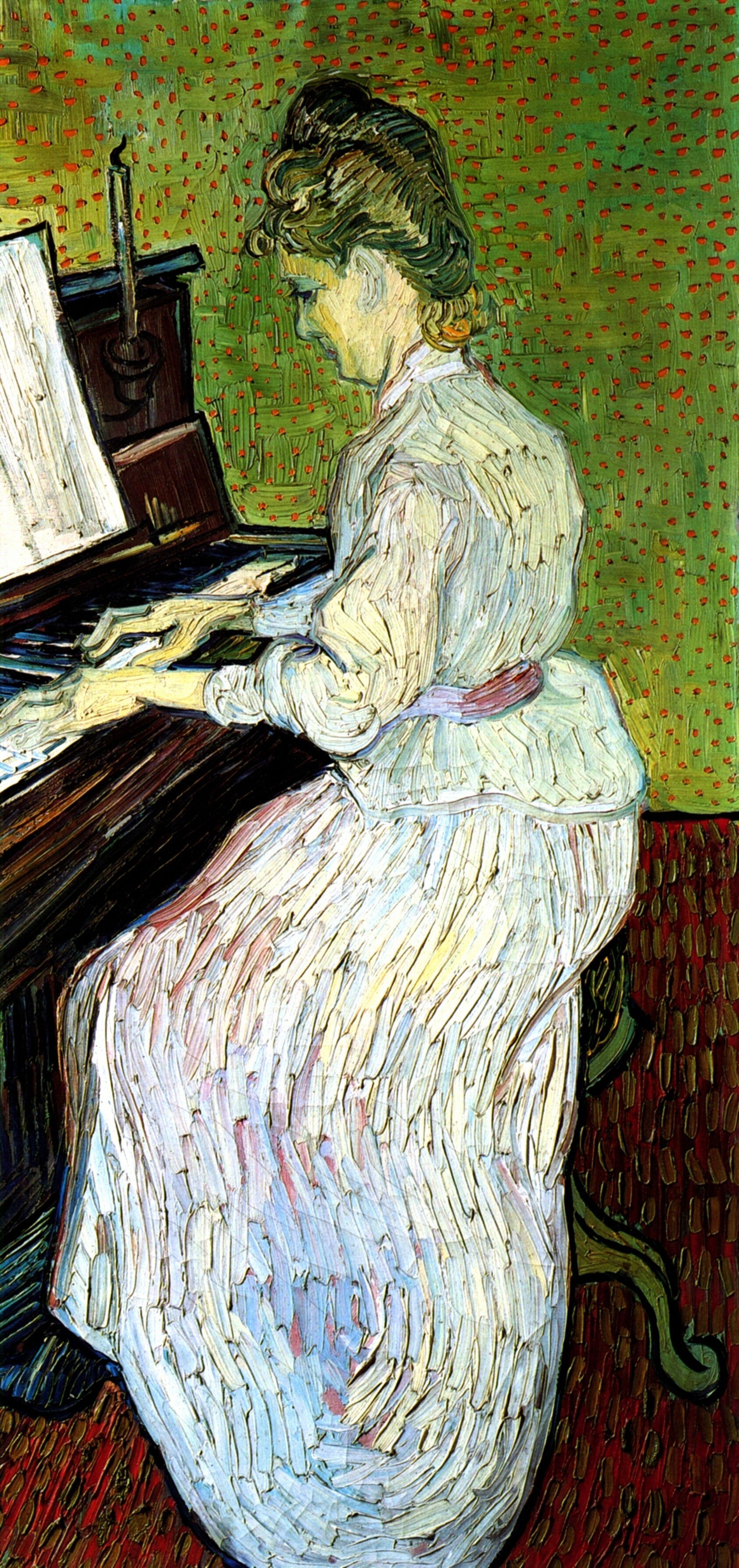 Marguerite Gachet at the Piano Format 50 x 100 cm double-square canvas Speed Representative work from the 70-day Auvers burst Open node · The Seventy Days of Auvers
 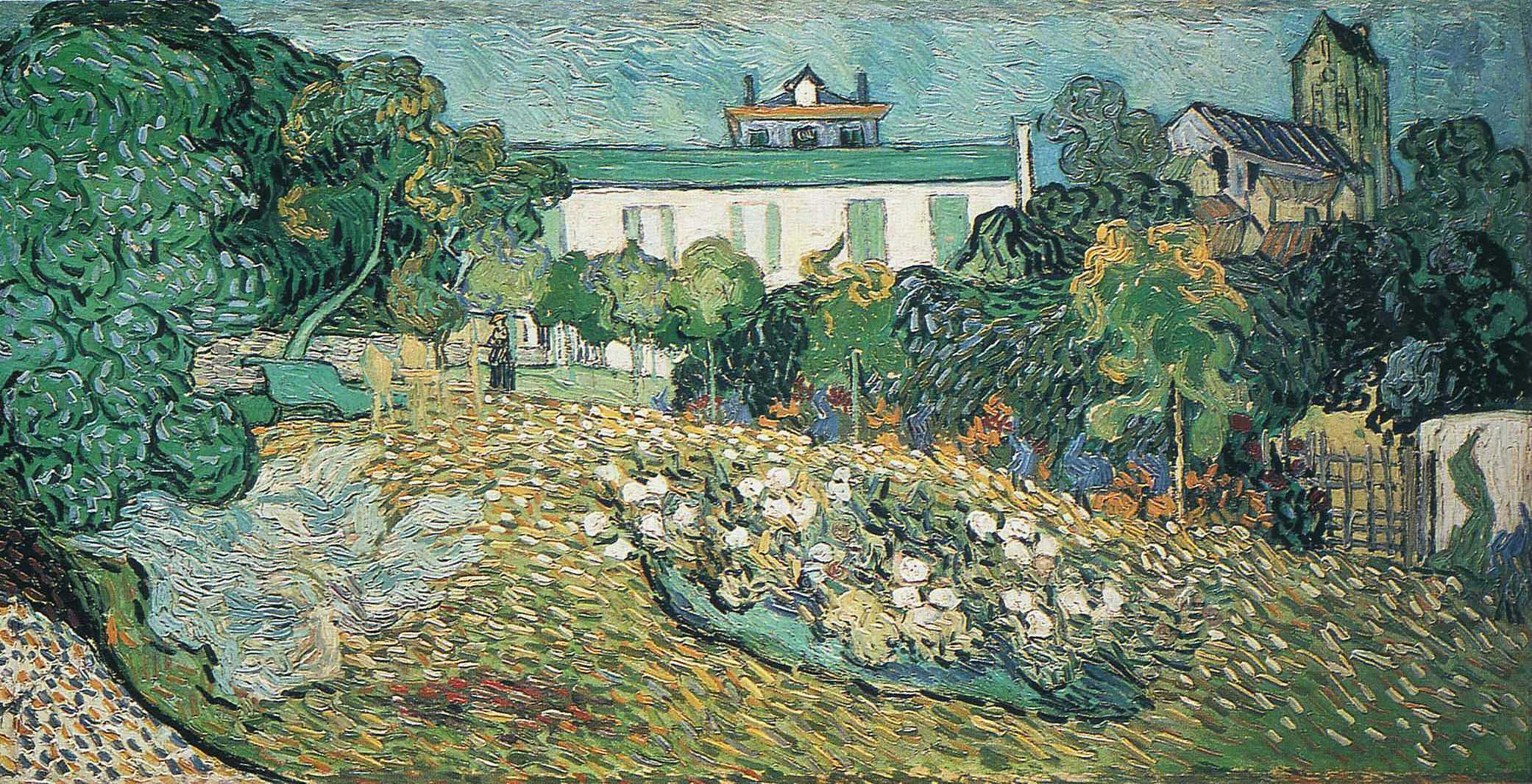 Daubigny's Garden Format 50 x 100 cm double-square canvas Speed Representative work from the 70-day Auvers burst Open node · Daubigny's Garden
 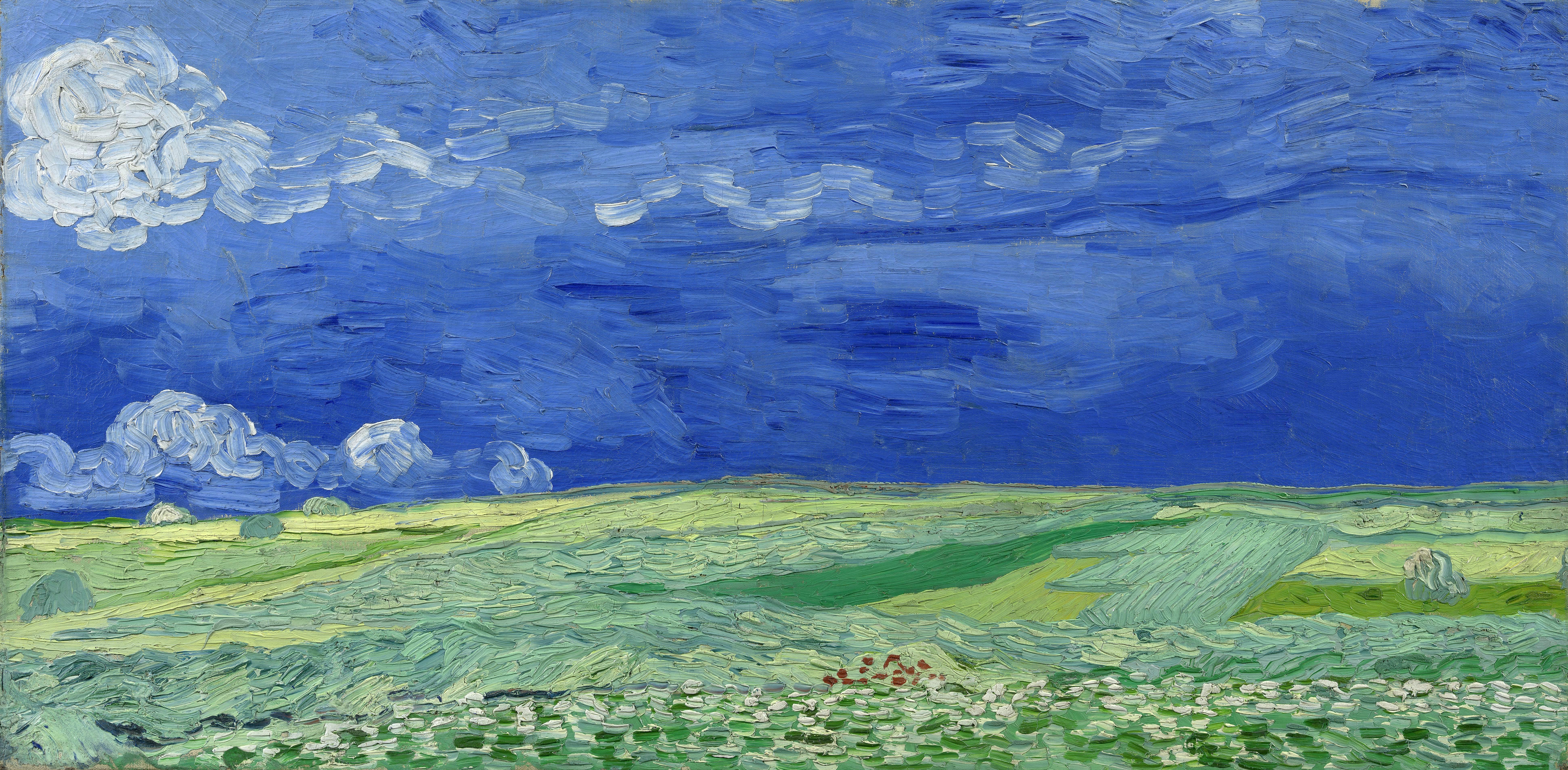 Wheatfield Under Thunderclouds Format 50 x 100 cm double-square canvas Speed Representative work from the 70-day Auvers burst Open node · The Seventy Days of Auvers
 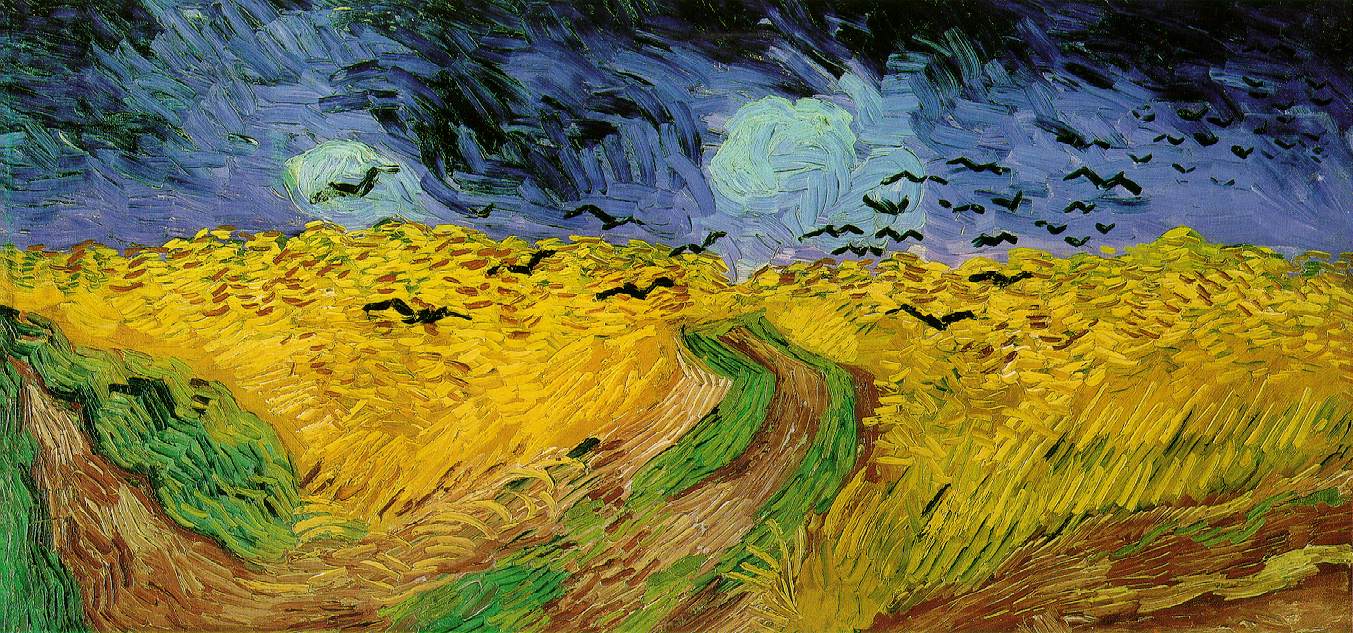 Wheatfield with Crows Commonly misattributed as last painting Speed Representative work from the 70-day Auvers burst Open node · The Wheat Fields
 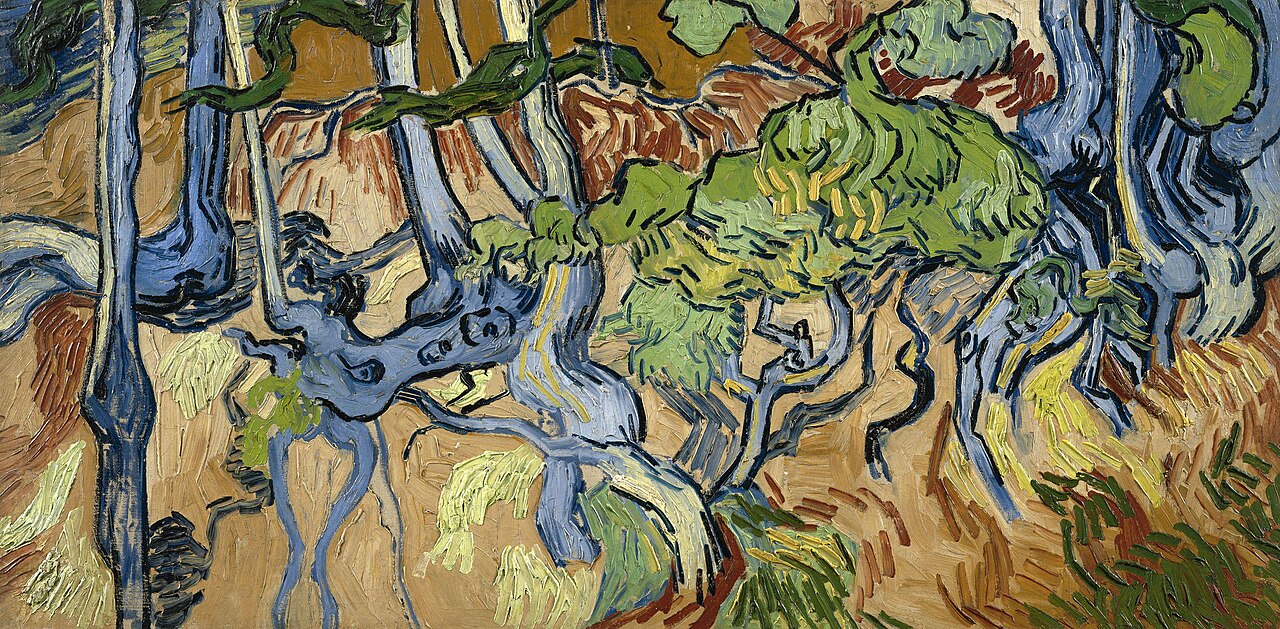 Tree Roots Per Wouter van der Veen 2020 research, possibly the actual last work, unfinished Speed Representative work from the 70-day Auvers burst Open node · Tree Roots
 Site curatorial model. Verifiable facts now carry source notes; estimated curves remain model values.