1889.05 – 1890.05
The World in Motion
The brushwork began to swirl.
Technique
At Saint-Rémy, the mark no longer simply followed the object. It bent, undulated and turned, enlarging the movement of the whole image. Cypresses, olive trees and wheat fields were revisited repeatedly; translating Millet, Delacroix and Rembrandt became a way to turn monochrome images back into colour.
Causes
He entered Saint-Paul-de-Mausole voluntarily on May 8, 1889. Three or four major attacks came during the year; painting was impossible during each. Between attacks, he was extraordinarily productive. The asylum walls limited subject matter — window views, the enclosed garden, the olive groves nearby. Theo mailed colour tubes without interruption. Copy work served as both therapy and a form of meditation: letter 805 (September 1889), "I treat it like playing music by another composer." On January 31, 1890, his nephew Vincent Willem was born; he painted *Almond Blossom* as a gift — an outlier in this period, with flat colour fields and the Japanese influence restored: tender and still.
Representative works
- *The Starry Night* (F612 / JH1731, June 1889): swirl period centrepiece; painted from the window, from memory - *Wheatfield with Cypresses* (F615 / JH1755, September 1889): a vortex that is also landscape - *Irises* (F608 / JH1691, May 1889): painted in the first week of the asylum stay - *Self-Portrait* (F627 / JH1772, September 1889): his face embedded in a blue-green swirling ground - *Olive Trees series* (15+ works, June–November 1889): colour variation experiments within a single subject - *Almond Blossom* (F671 / JH1891, February 1890): gift for his newborn nephew — flat painting and Japanese revival - *Pietà* (after Delacroix, F630 / JH1775, September 1889): copy period representative - *Sower* (after Millet, F689 / JH1837, October 1889): the same motif revisited across periods
Letter evidence
- Letters 776–877: entire asylum correspondence - Letters 800–810 (September 1889): the expansion of the copying project - Letter 805 (September 1889): "I treat it like playing music by another composer" - Letter 851 (February 1890): *Almond Blossom* explained, for the newborn nephew
Transition
On May 16, 1890, he left the asylum. He stopped in Paris for three days to see Theo, Jo, and the infant Vincent Willem — the first and only time he would see that child. On May 20 he arrived in Auvers-sur-Oise. Northern light was waiting.
Curve Landing Points
The World in Motion: the swirl
The World in Motion: Period peak — locally up to 5mm, approaching relief
The World in Motion: viridian, ultramarine, chrome_yellow, lead_white
The World in Motion: 92
The World in Motion: total: ~150 paintings in 12 months, copies: 30+ translations of Millet/Delacroix/Rembrandt/Doré/Daumier
Period Evidence Network
Which works turn this period’s curve metrics into clickable evidence.
Representative Works
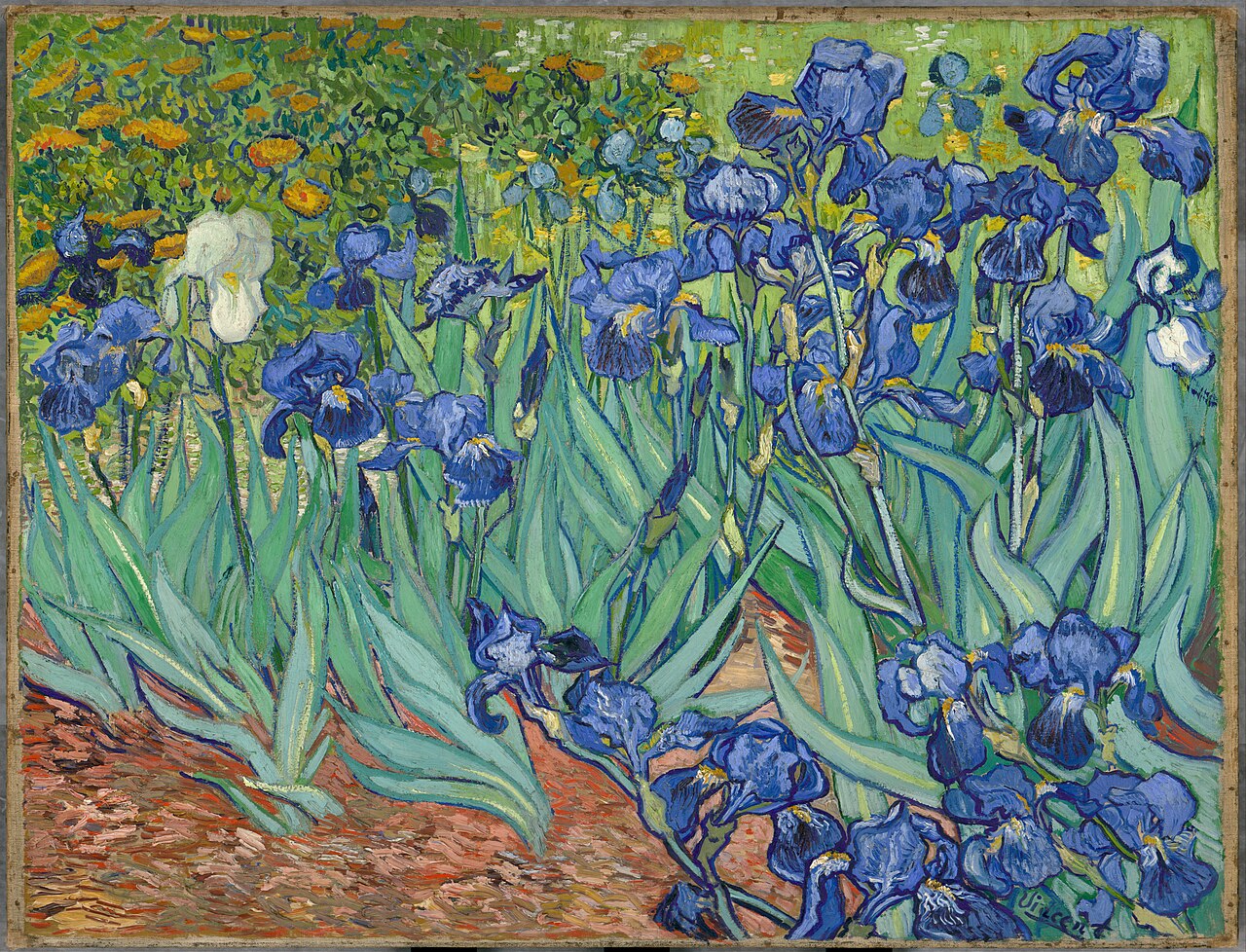 Irises First week of asylum Impasto Visible impasto and thick brushwork Brushstroke Representative of swirling brushwork Open node · Irises
 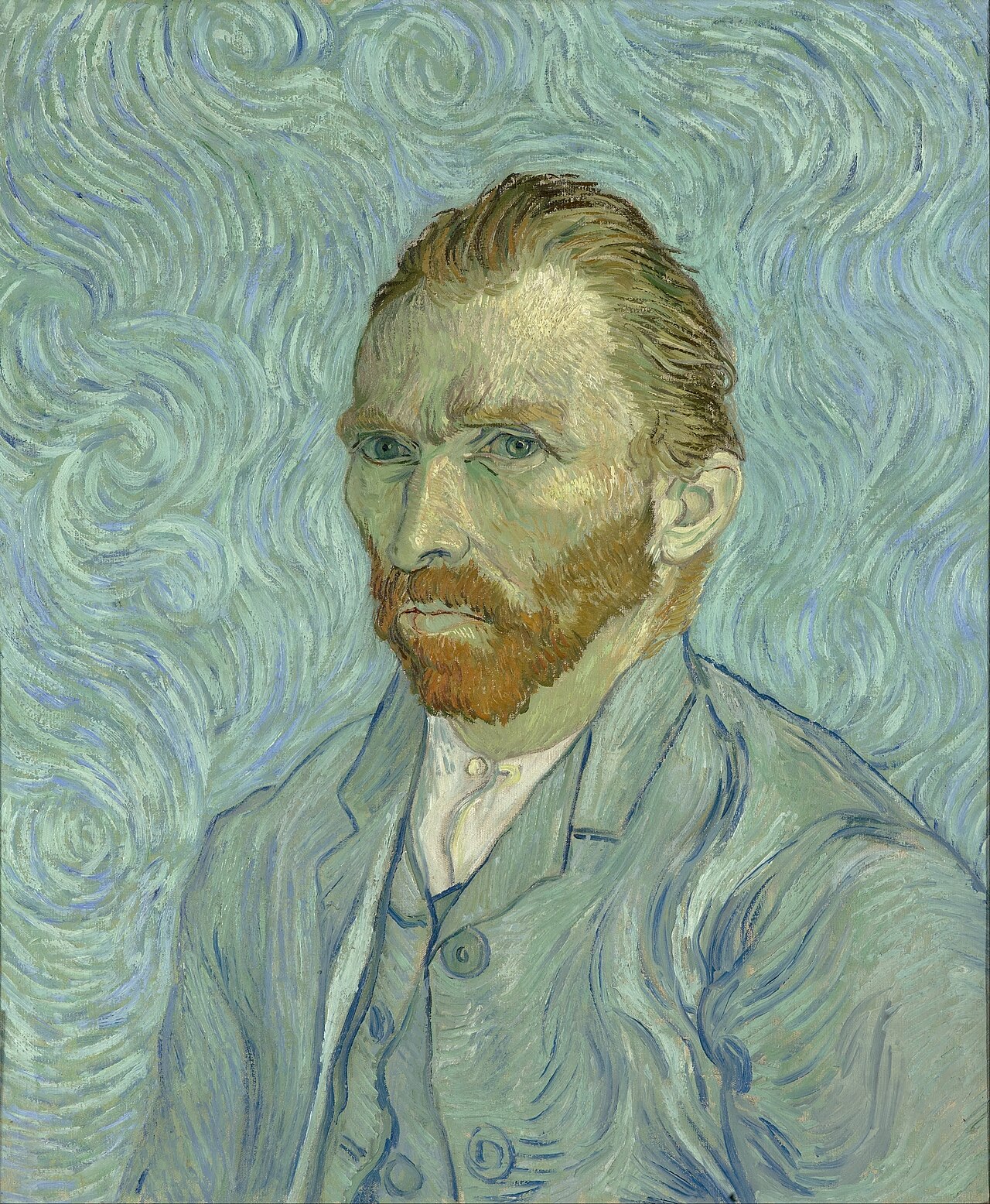 Self-Portrait Blue-green swirl background Brushstroke Representative of swirling brushwork Open node · The Self-Portraits
 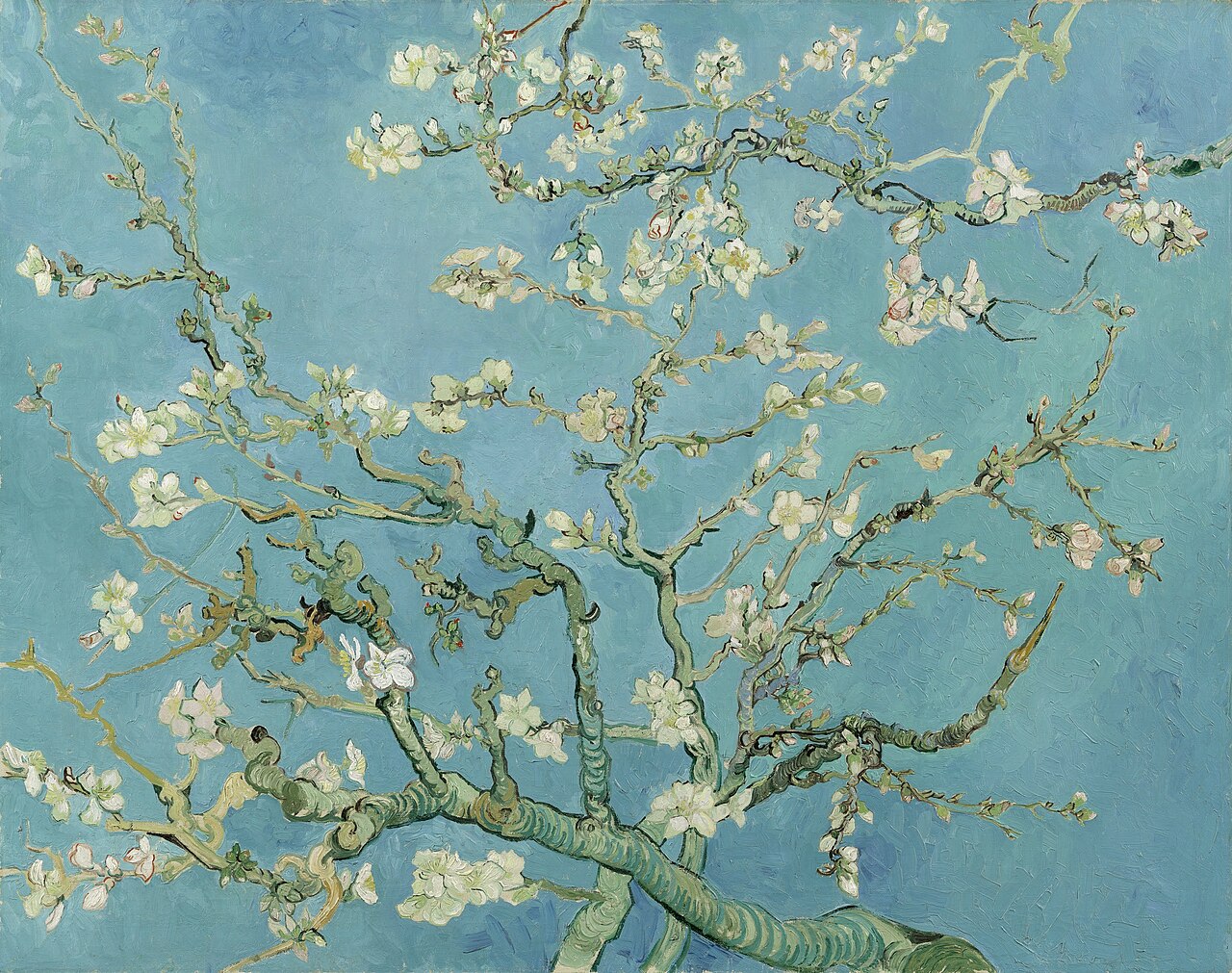 Almond Blossom Gift for nephew — flat painting + Japanese revival Open node · Almond Blossom
 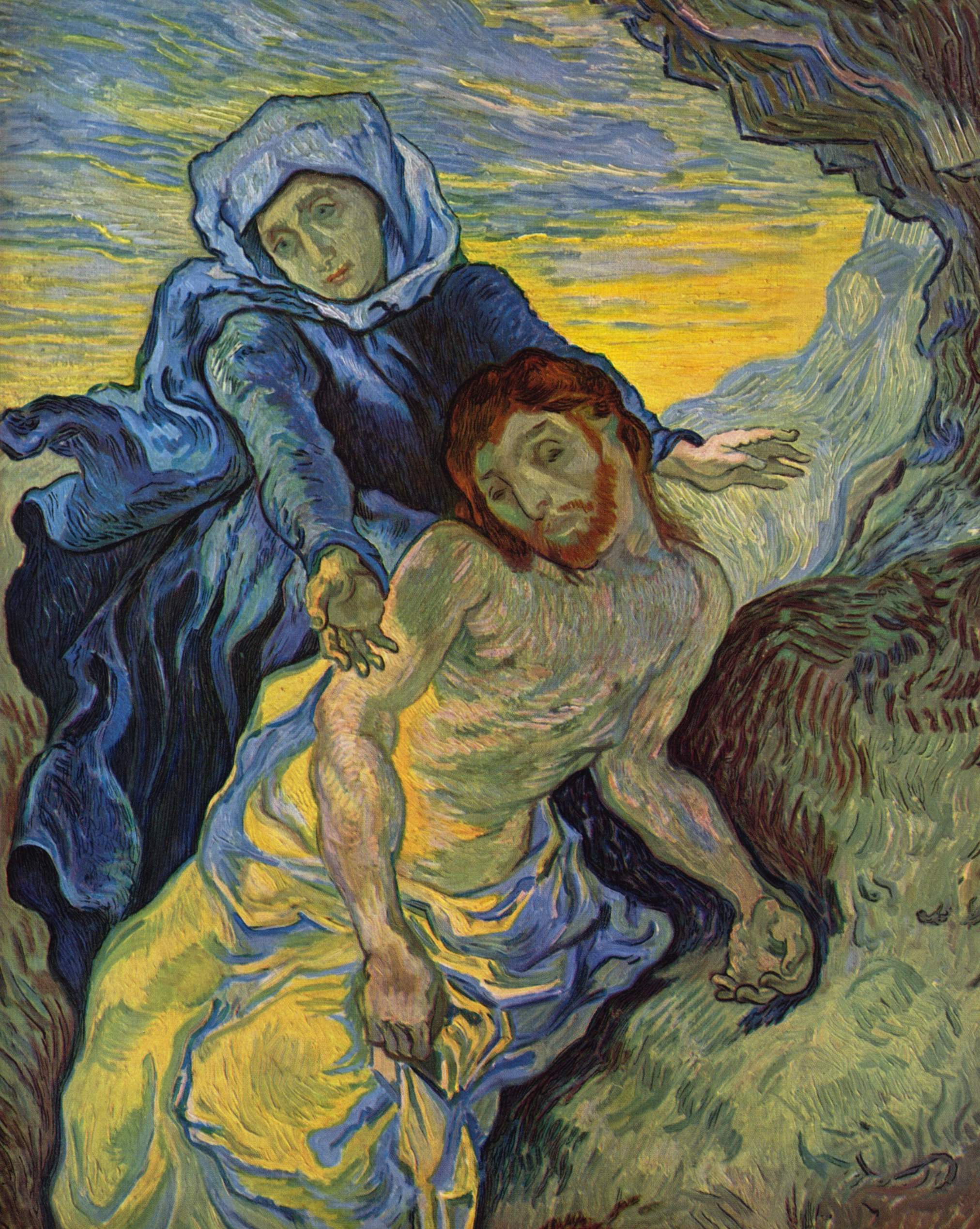 Pieta (after Delacroix) Copy period representative Open node · The Saint-Rémy Copies
 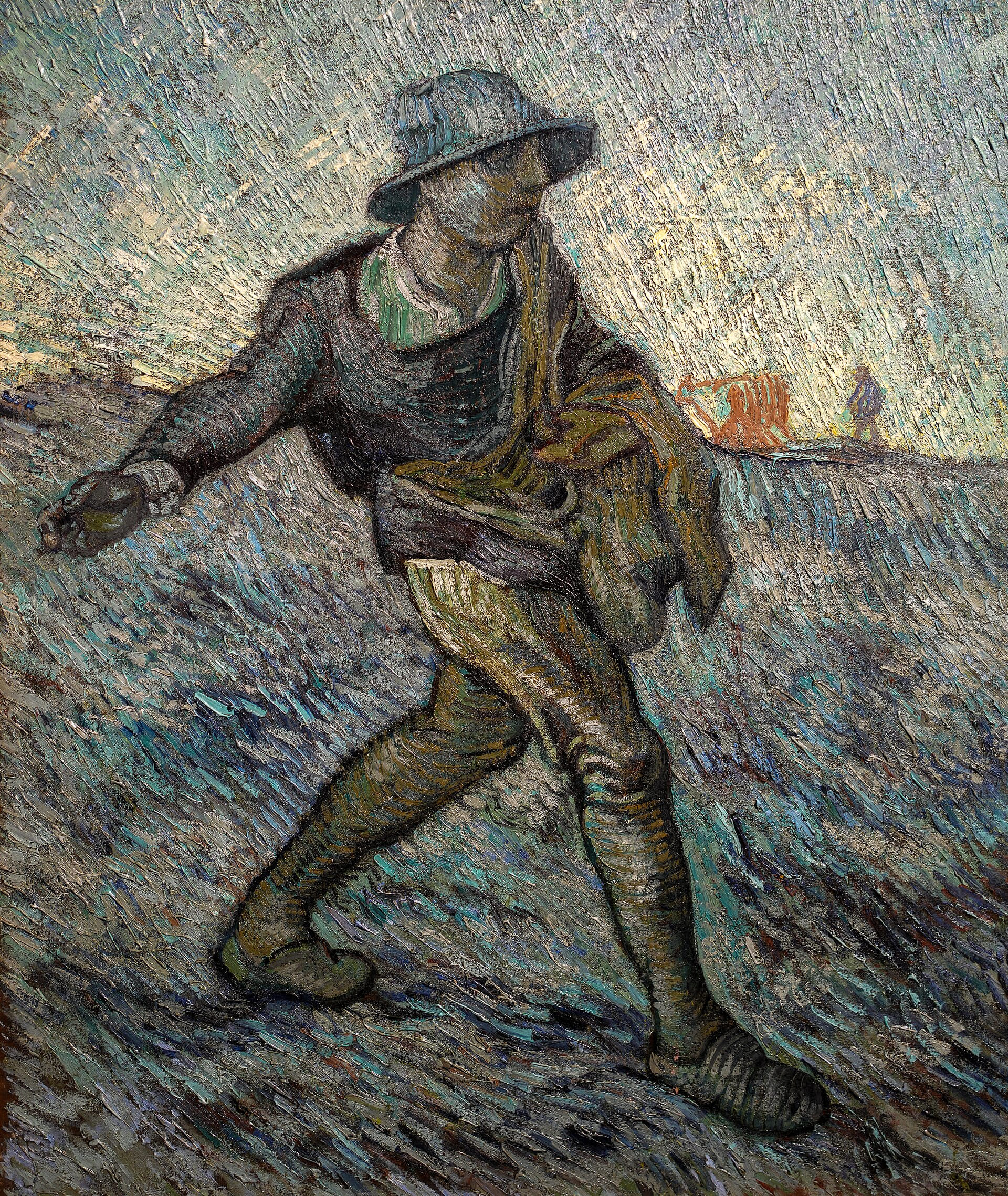 Sower (after Millet) Same motif revisited from earlier periods Open node · The Saint-Rémy Copies
 Site curatorial model. Verifiable facts now carry source notes; estimated curves remain model values.