1888.02 – 1889.05
The Shattering Stroke
He finally gave his brushwork a direction.
Technique
Arles turned complementary colours into the frame of a composition: yellow against violet, orange against blue, red against green. Marks acquired a clear direction, as if sunlight, fields and branches were pushing the image; black contours and reed-pen drawings gave forms a firmer edge. The pace also quickened, with one painting a day becoming a working rhythm. Gauguin arrived October 23 and left December 26. A tension runs through the work of those two months: Van Gogh attempted painting from memory (*abstractions*, his own term) at Gauguin's insistence, while his instinct continued to demand direct confrontation with nature. After the ear crisis (January–February 1889), the subject matter shifted entirely — indoor still lifes, portraits of the Roulin family.
Causes
Provence sunlight was the first condition. Letter 587 (May 1888): "the light is different here." He was rereading Loti's *Madame Chrysanthème* — set in Japan — and Zola's *L'Œuvre* as he looked at the southern landscape, overlaying one geography on another. Bernard mailed Cloisonnist sketches; they arrived in Arles and went directly into Van Gogh's compositional method. Industrial paint supply had matured: he could mail-order large quantities of pure-colour tubes from Tasset & L'Hôte in Paris, a freedom unavailable to earlier generations. Friendship with the Roulin family gave him a reliable pool of portrait subjects. Gauguin's two-month stay introduced an experimental pressure toward abstraction. The ear crisis on December 23, 1888 was not a technical cause, but its recovery period produced a clear shift in subject selection.
Representative works
- *The Sower* (F422 / JH1470, June 1888): first Arles Sower, a homage to Millet; the concentric solar rings first appear here - *Café Terrace at Night* (F467 / JH1580, September 1888): first direct depiction of night sky, without allegory - *Starry Night Over the Rhône* (F474 / JH1592, September 1888): four-pigment engineering — ultramarine, cobalt blue, chrome yellow, lead white - *Sunflowers series* (F454–F458, August 1888 – January 1889): core of the Yellow House decoration plan - *The Yellow House* (F464 / JH1589, September 1888): the house he lived in, painted from outside - *The Night Café* (F463 / JH1575, September 1888): extreme red-green complementary experiment; he described it as "the terrible power of colour" - *The Bedroom* (F482 / JH1608, October 1888): flat colour fields begin to dominate - *Memory of the Garden at Etten* (F496 / JH1630, November 1888): the Gauguin-influenced painting-from-memory experiment - *Self-Portrait with Bandaged Ear* (F529 / JH1657, January 1889): recovery period
Letter evidence
- Letters 589–590 (April 1888): colour planning for the orchard series - Letters 628–640 (August 1888): the sunflower decoration plan — "twelve sunflowers for Gauguin's room" - Letter 691 (September 1888): "I must paint a starry sky" - Letters 706–720 (October 1888): around Gauguin's arrival - Letter 743 (December 1888): first letter written after the ear incident
Transition
On May 8, 1889, he admitted himself voluntarily to the Saint-Paul-de-Mausole asylum. He brought a full set of colours, several unfinished canvases, and complete command of directional brushwork — and a new, not yet formed rhythmic movement waiting at the tip of his brush.
Curve Landing Points
The Shattering Stroke: directional_parallel_hatched_plus_cloisonnist
The Shattering Stroke: oil, reed_pen_drawing
The Shattering Stroke: chrome_yellow, prussian_blue, ultramarine, cobalt_blue, viridian, vermilion, lead_white
The Shattering Stroke: 92
The Shattering Stroke: 13
Period Evidence Network
Which works turn this period’s curve metrics into clickable evidence.
- The Shattering Stroke1888.02 – 1889.05
- The Shattering Stroke1888.02 – 1889.05
- The Shattering Stroke1888.02 – 1889.05
- The Shattering Stroke1888.02 – 1889.05
- The Shattering Stroke1888.02 – 1889.05
- The Shattering Stroke1888.02 – 1889.05
- The Shattering Stroke1888.02 – 1889.05
- The Shattering Stroke1888.02 – 1889.05
Representative Works
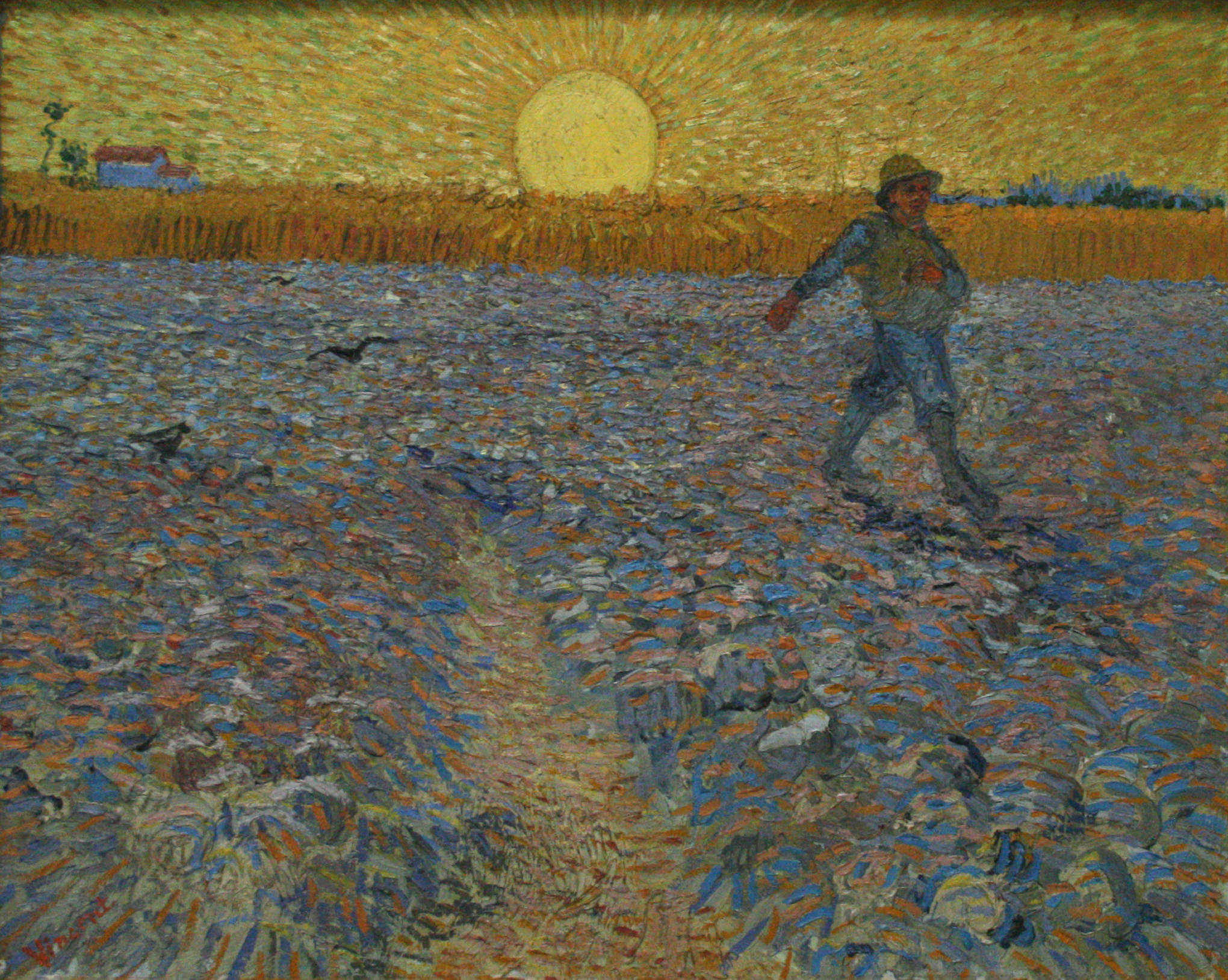 The Sower First Arles Sower, after Millet Brushstroke Representative of directional brushwork Open node · The Sower Motif
 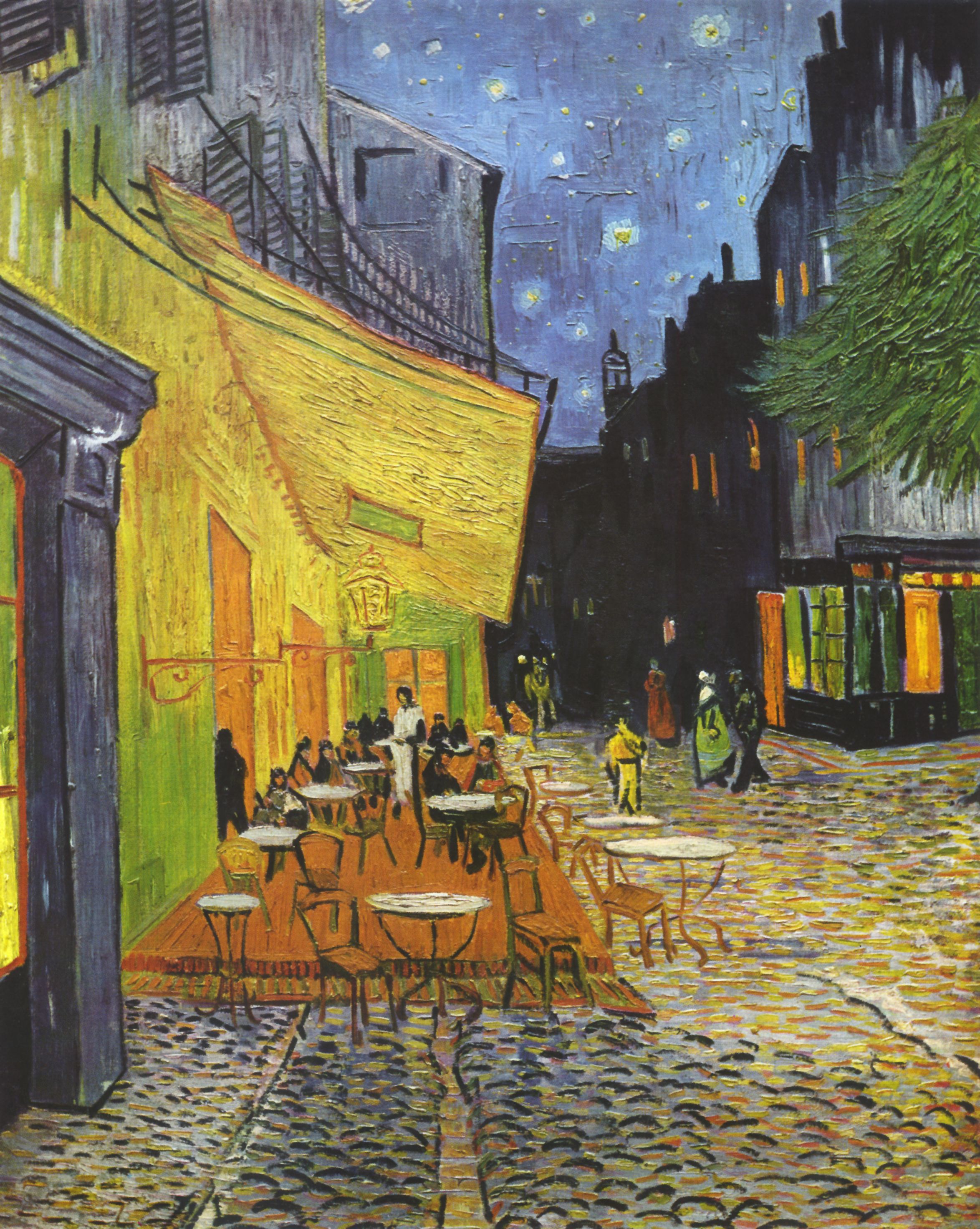 Café Terrace at Night First direct night sky Brushstroke Representative of directional brushwork Open node · The Night Café
 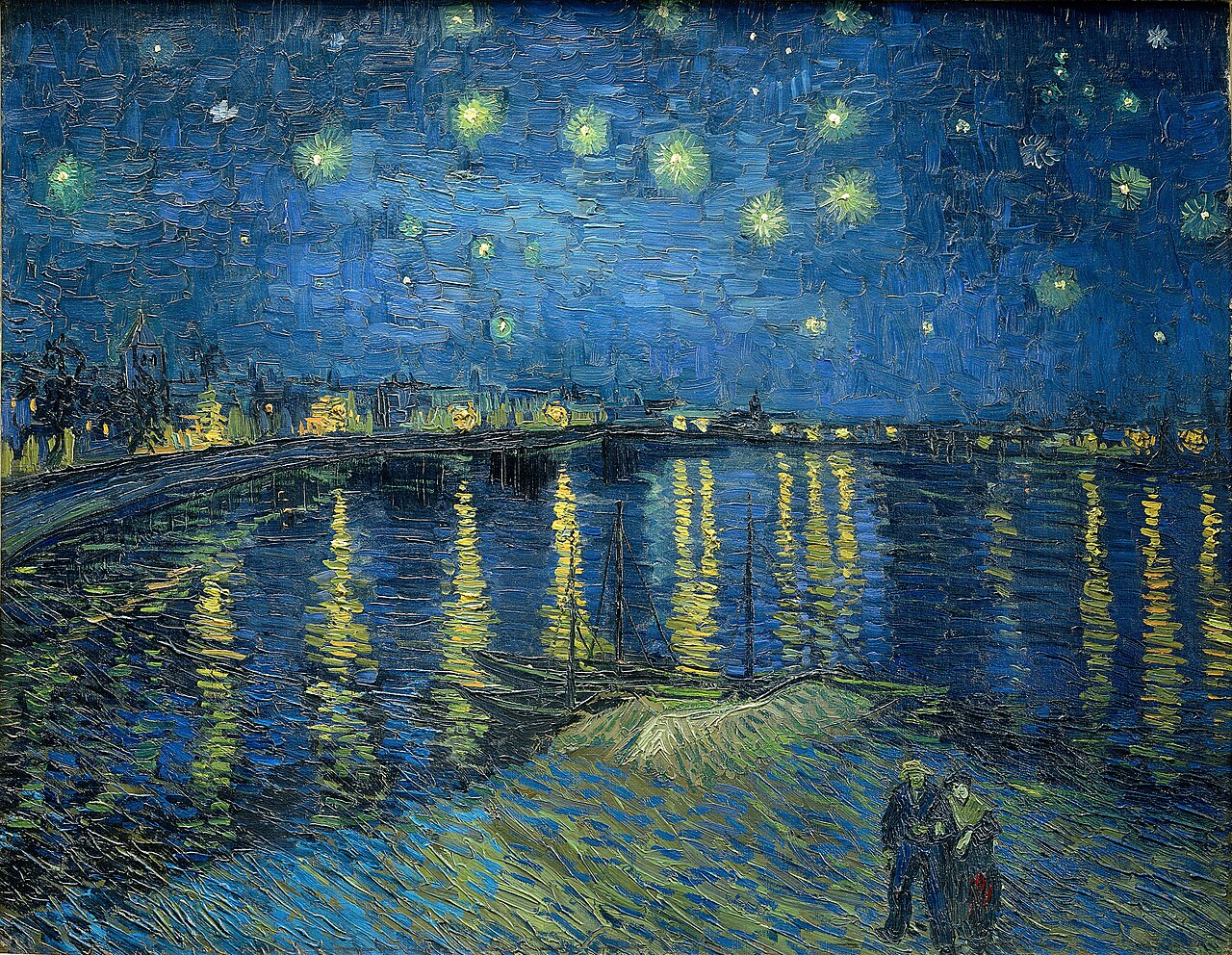 Starry Night Over the Rhône Four-pigment engineering: ultramarine/cobalt/chrome yellow/lead white Colour Representative of the changed colour system Impasto Visible impasto and thick brushwork Brushstroke Representative of directional brushwork Open node · Starry Night over the Rhône
 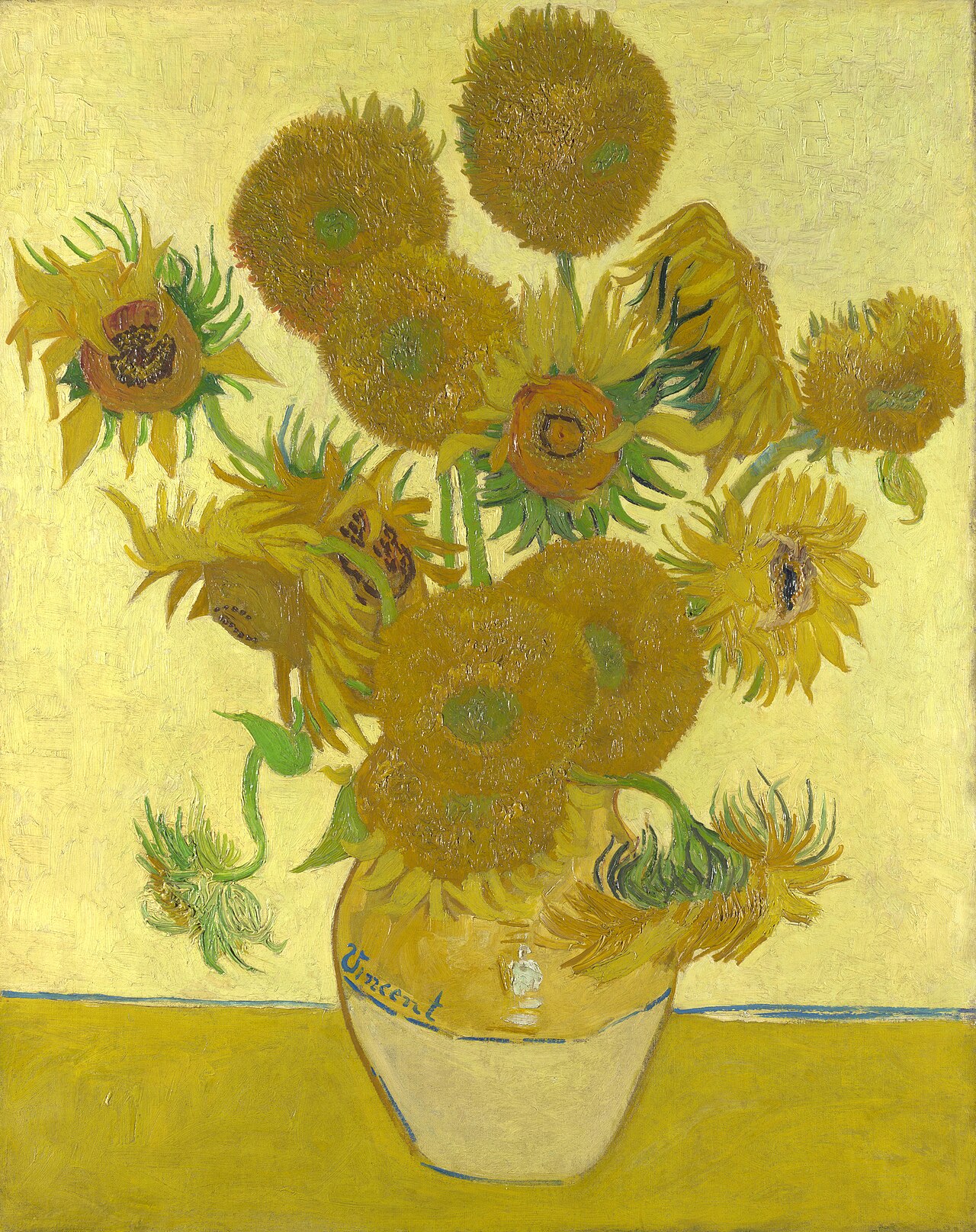 Sunflowers series Yellow House decoration plan core Colour Representative of the changed colour system Impasto Visible impasto and thick brushwork Open node · The Sunflower Decoration
 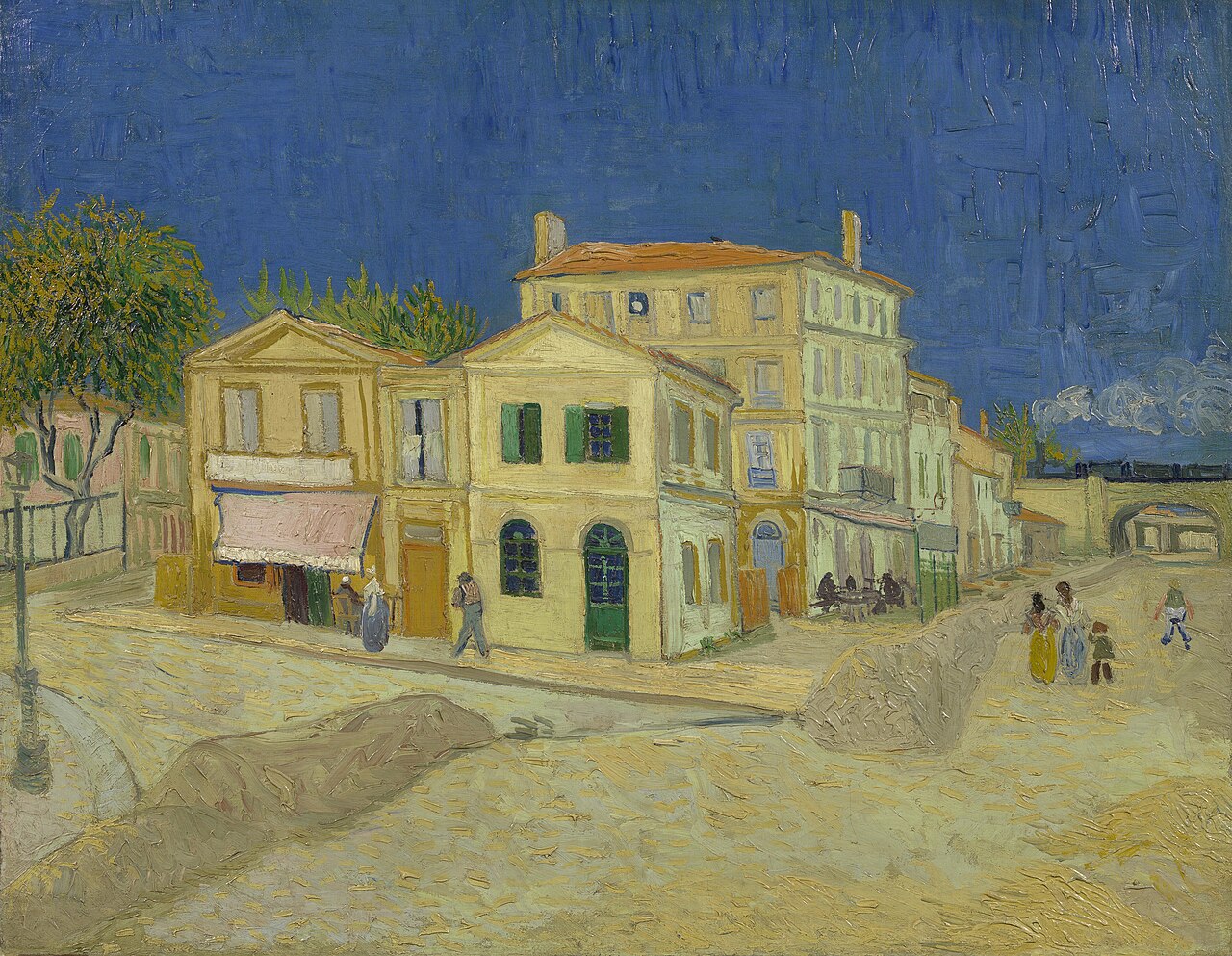 The Yellow House Colour Representative of the changed colour system Open node · The Yellow House
 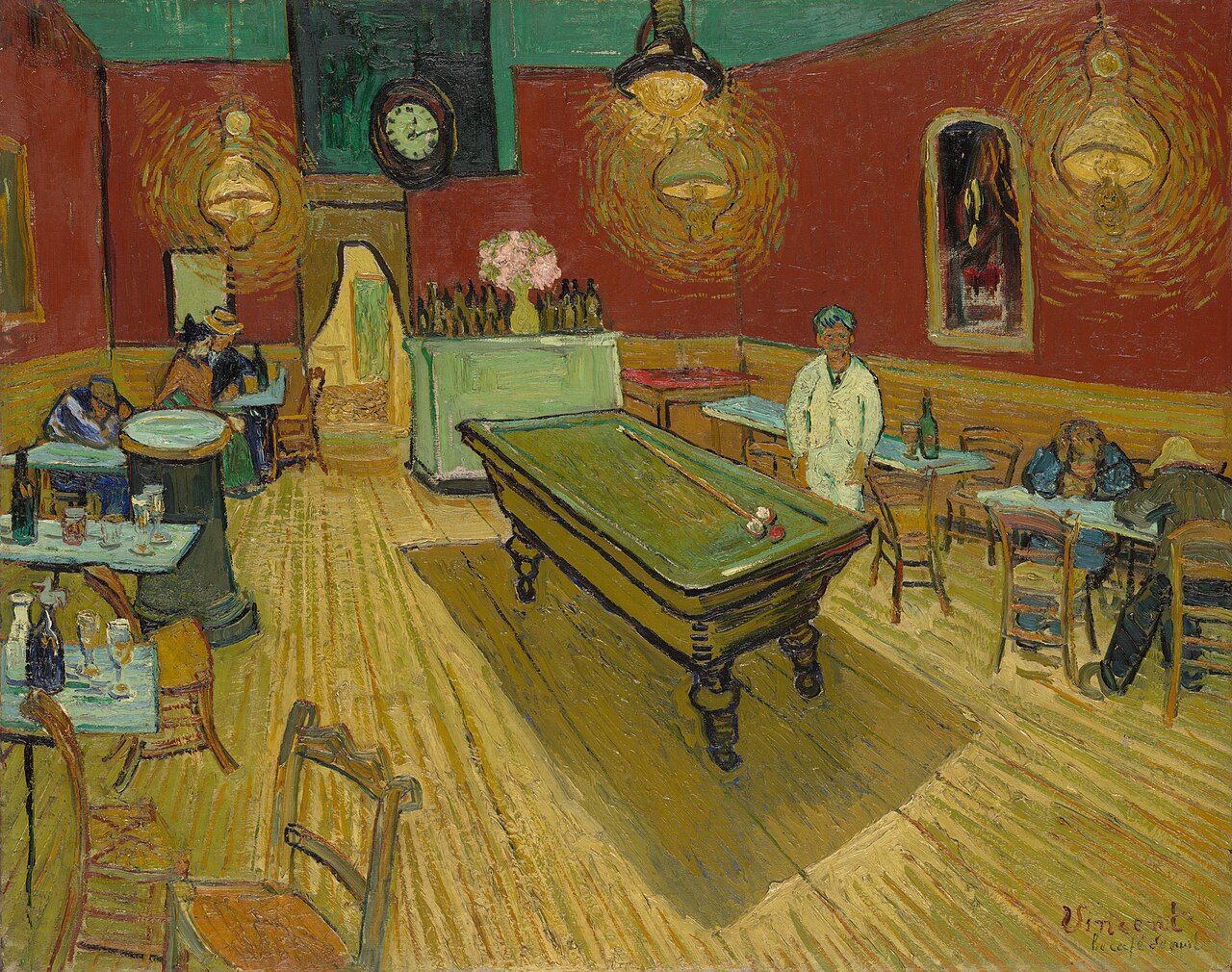 The Night Café Red-green extreme — 'terrible power of color' Colour Representative of the changed colour system Brushstroke Representative of directional brushwork Open node · The Night Café
 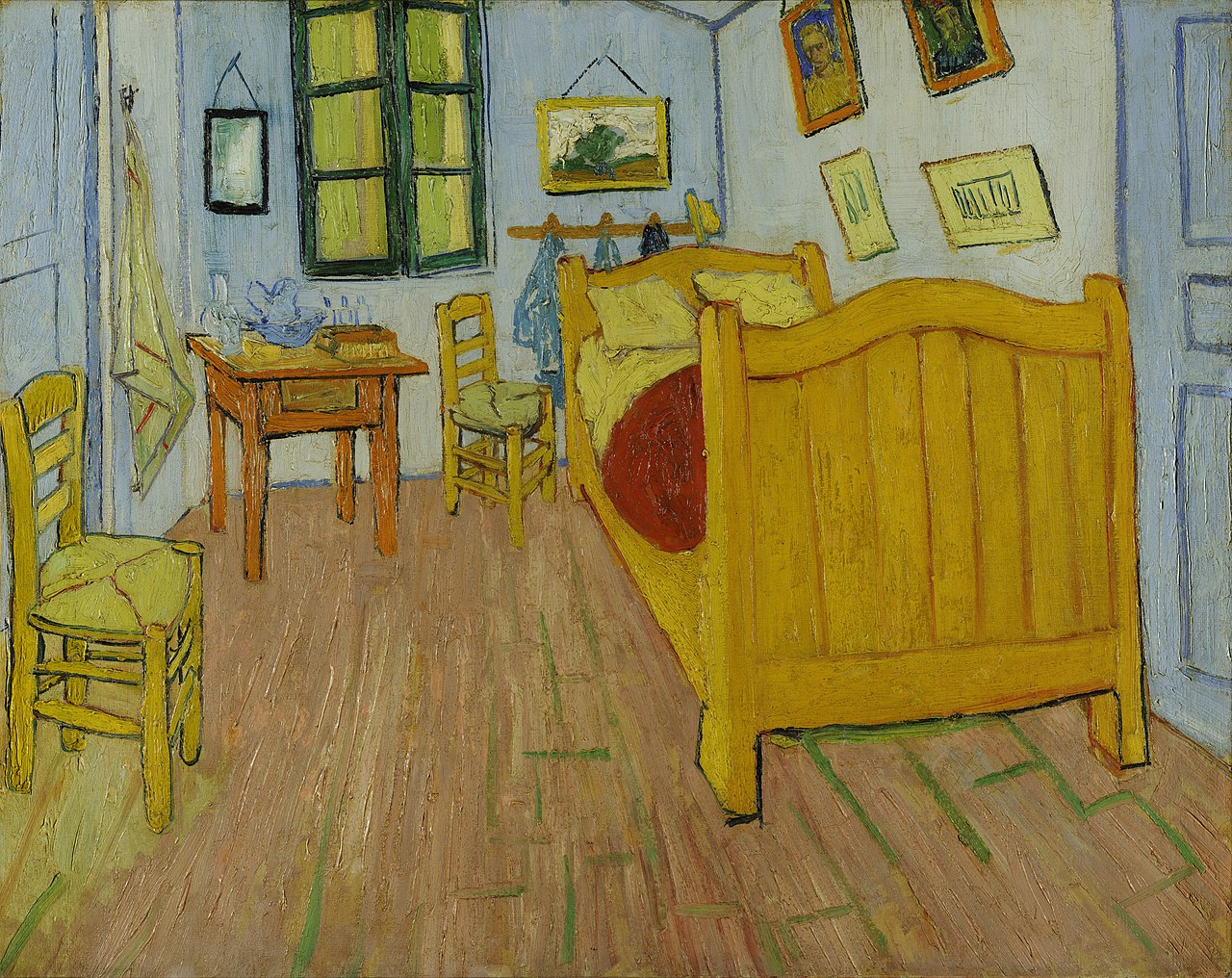 The Bedroom Flat areas begin to expand Brushstroke Representative of directional brushwork Open node · The Bedroom
 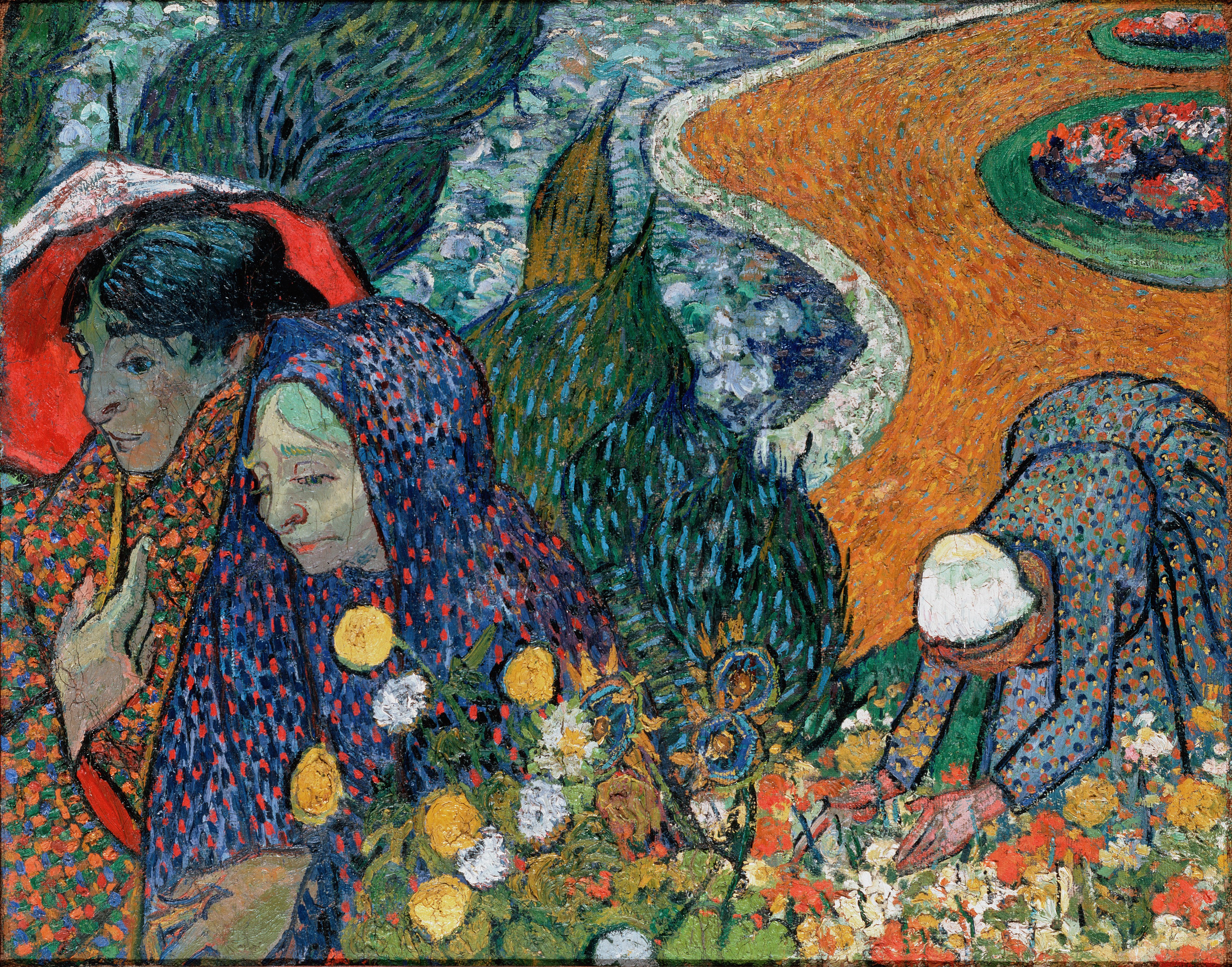 Memory of the Garden at Etten Gauguin-influenced 'abstraction' Brushstroke Representative of directional brushwork Open node · Gauguin Arrives
 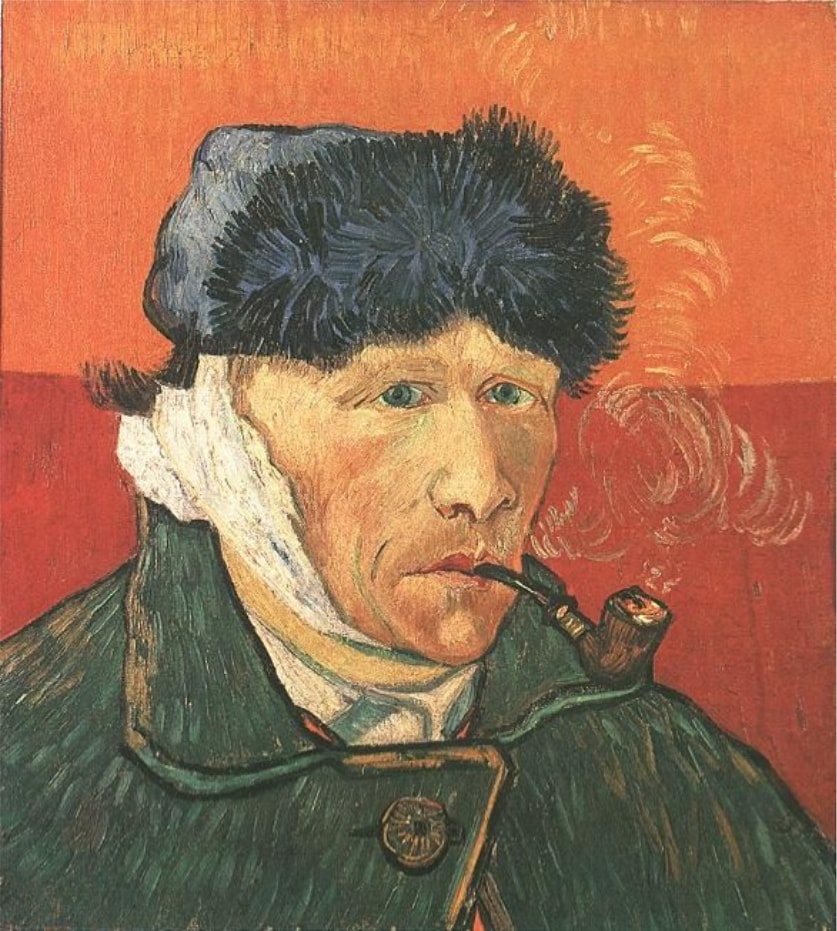 Self-Portrait with Bandaged Ear Recovery period Open node · Gauguin Leaves
 Site curatorial model. Verifiable facts now carry source notes; estimated curves remain model values.