themes
Van Gogh Wheat Field Paintings
The wheat fields run through sowing, labour, Auvers and the final rain, concentrating time, life-cycle and farewell.
Long-tail intents
- Van Gogh wheat field paintings
- Wheat Field with Crows meaning
- Van Gogh final wheat fields
Creative Context
Common Questions
What do wheat fields mean in Van Gogh's paintings?
Wheat fields connect sowing, labour, weather and seasonal change, while each painting keeps its own specific place and moment.
What is Van Gogh's most famous wheat field painting?
Wheat Field with Crows is especially well known, but it belongs to a larger group of wheat-field paintings from different periods.
Did Van Gogh paint wheat fields only at the end of his life?
No. He worked with sowers, harvests and fields earlier too; the Auvers paintings intensify a motif that had long interested him.
Representative Artworks
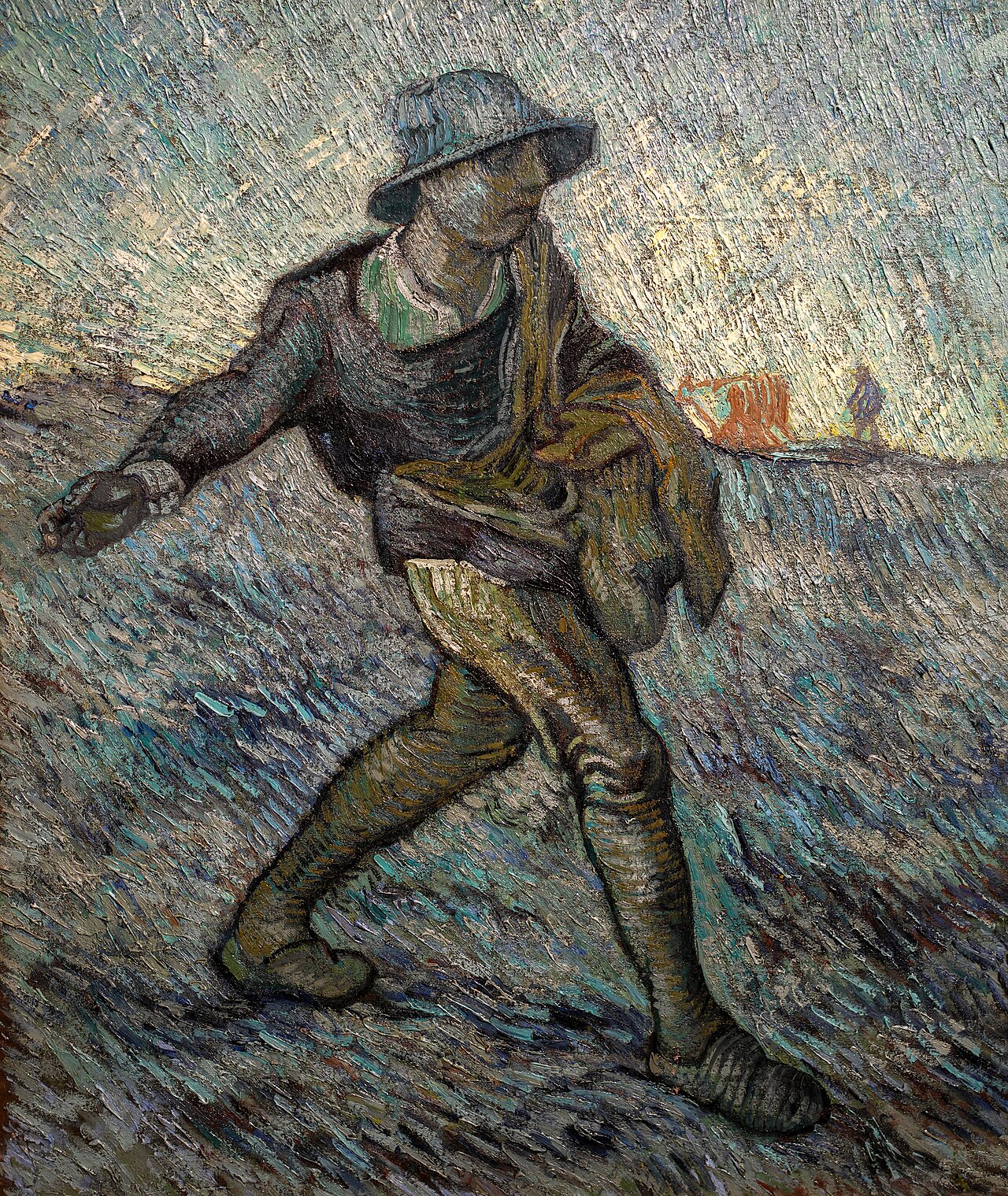
Sower (after Millet) 1881 · F830 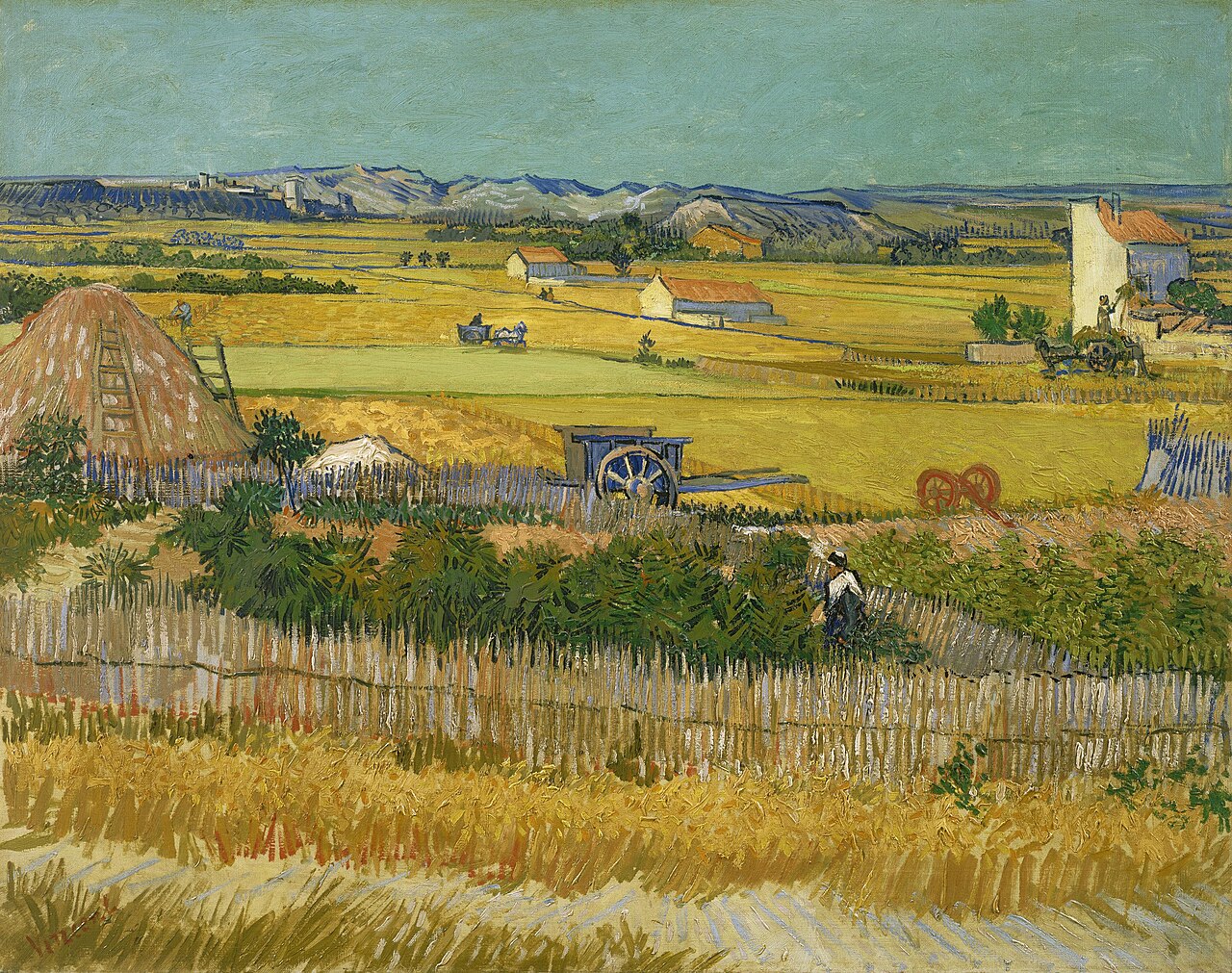 Harvest at La Crau 1888 · F412
 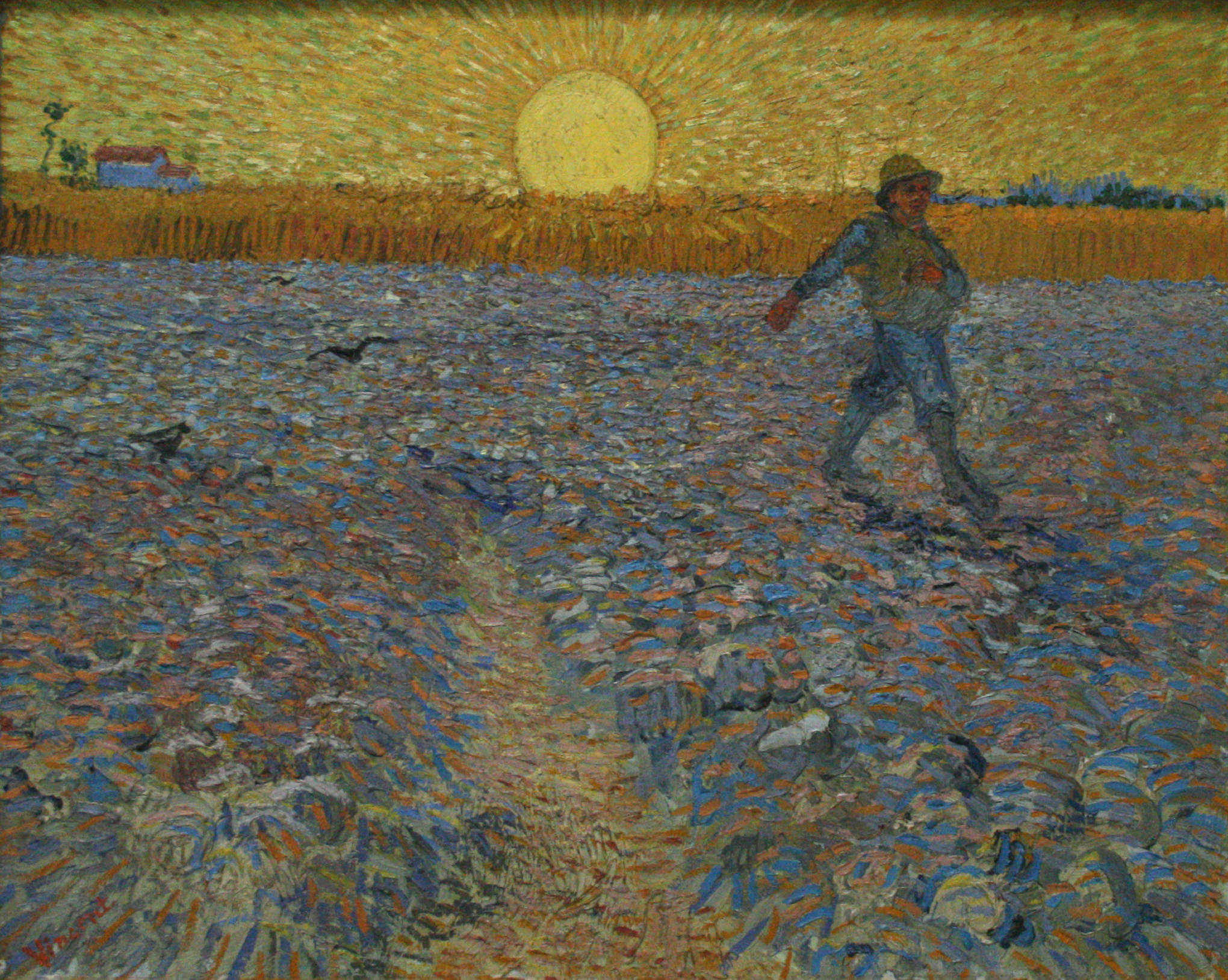 The Sower 1888 · F422
 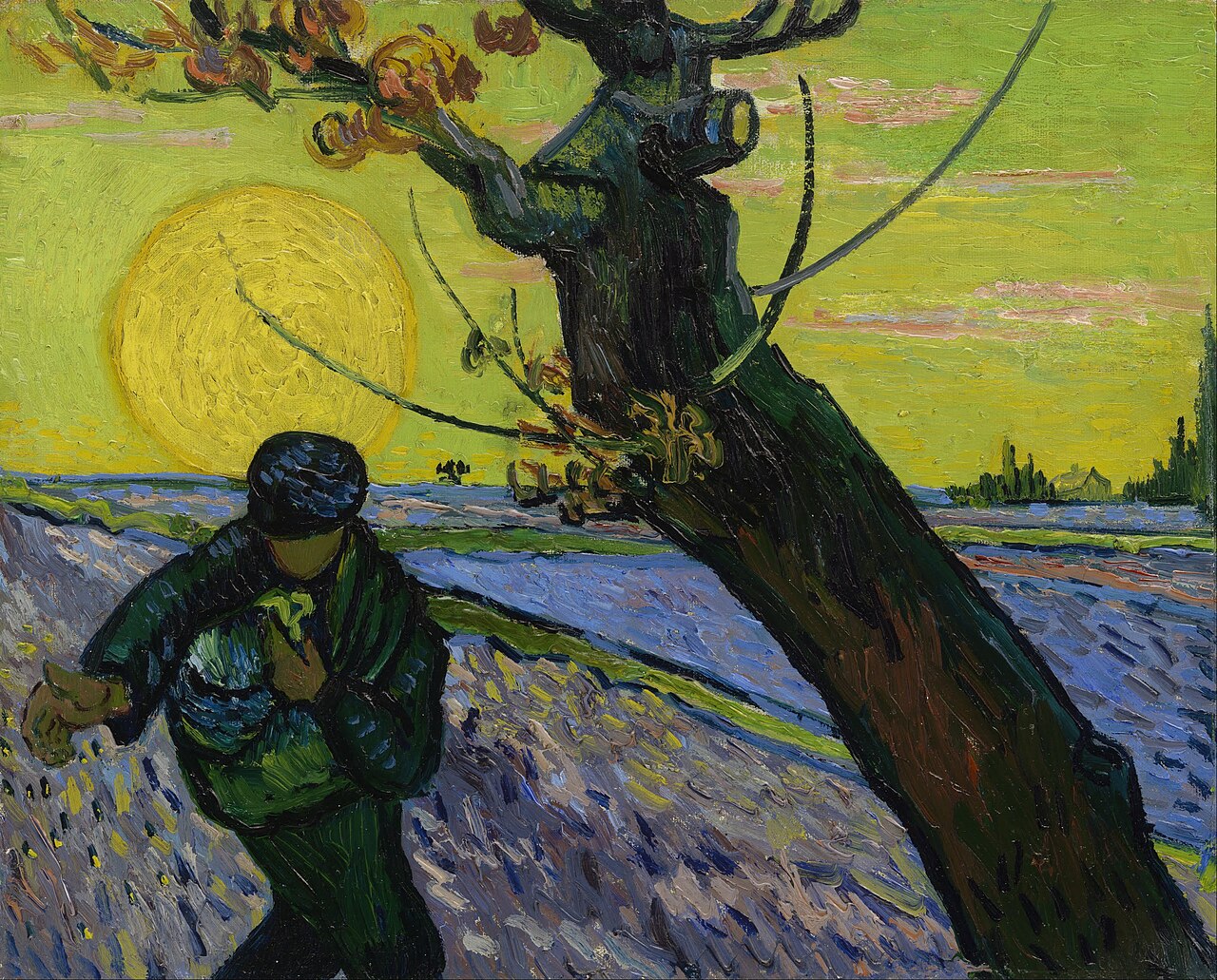 The Sower 1888 · F451
 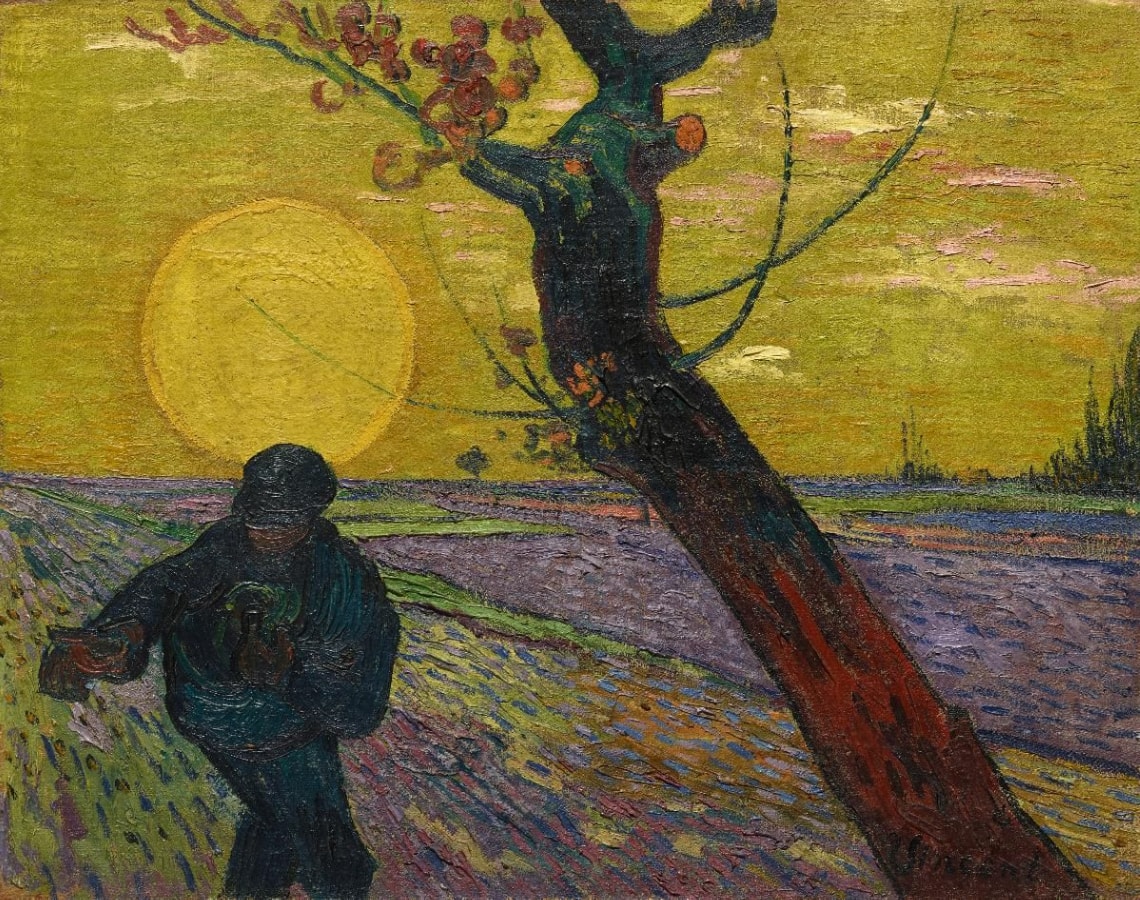 The Sower (large) 1888 · F450
 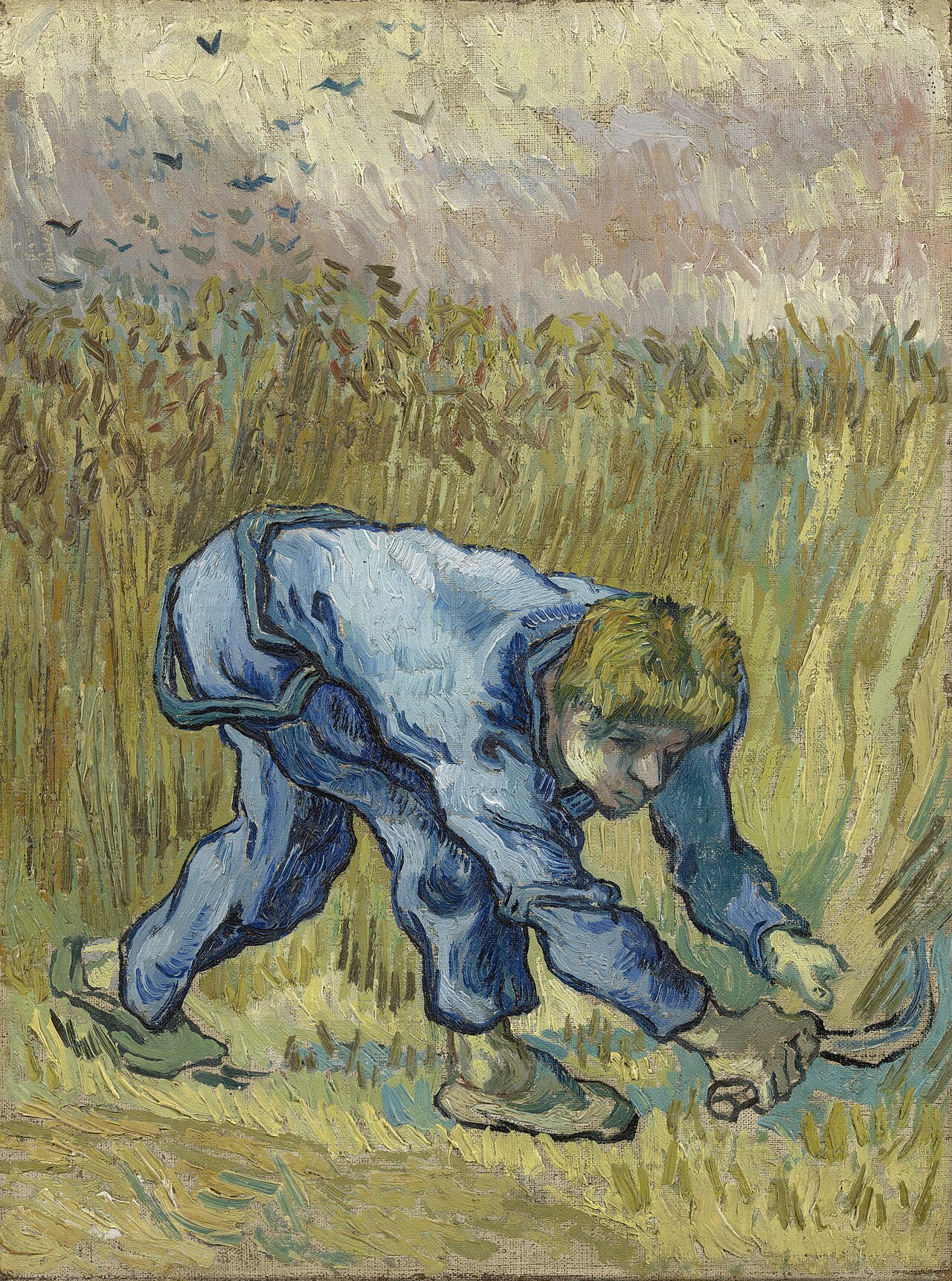 Reaper with Sickle (after Millet) 1889 · F687
 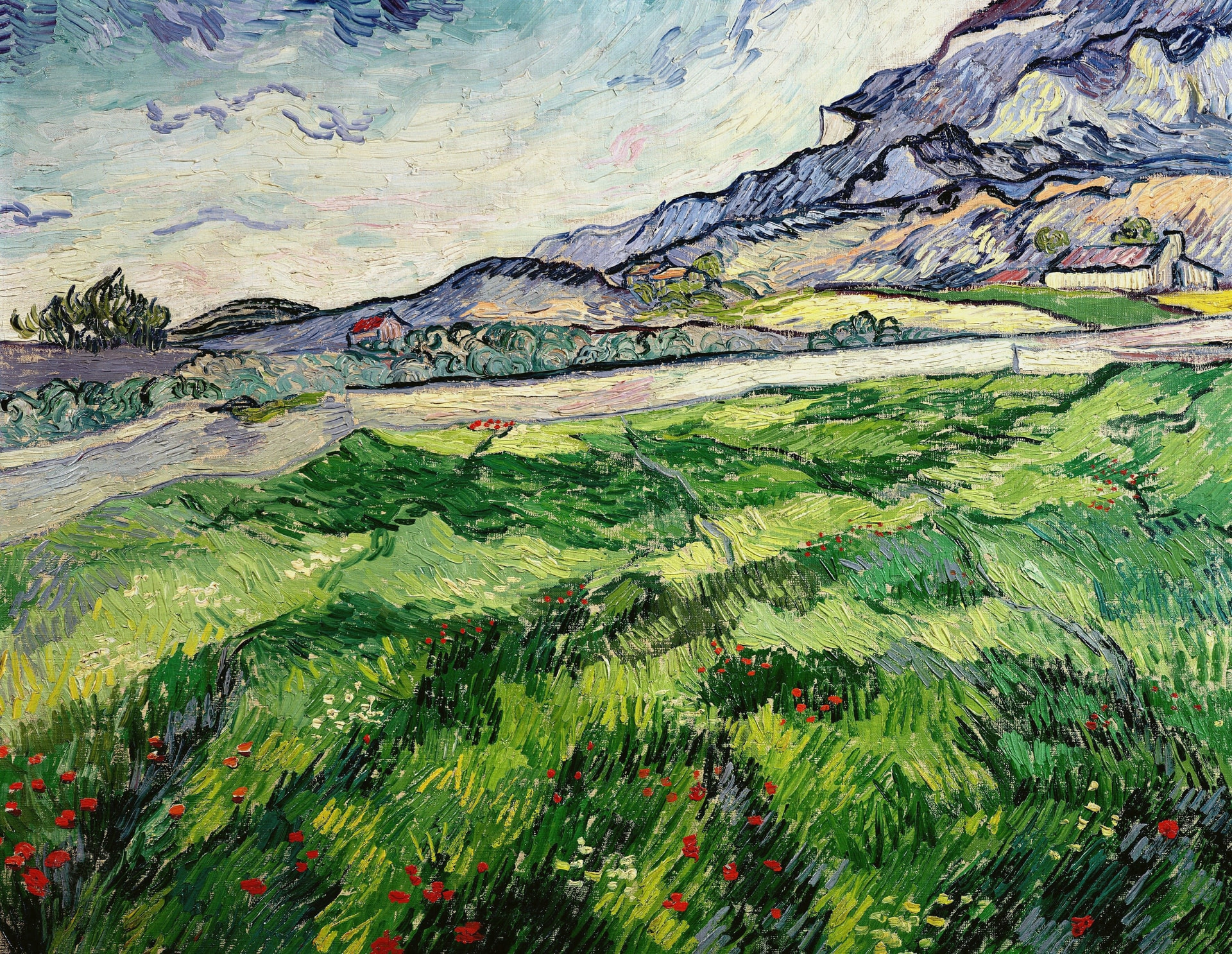 The green wheatfield behind the asylum 1889 · F718
 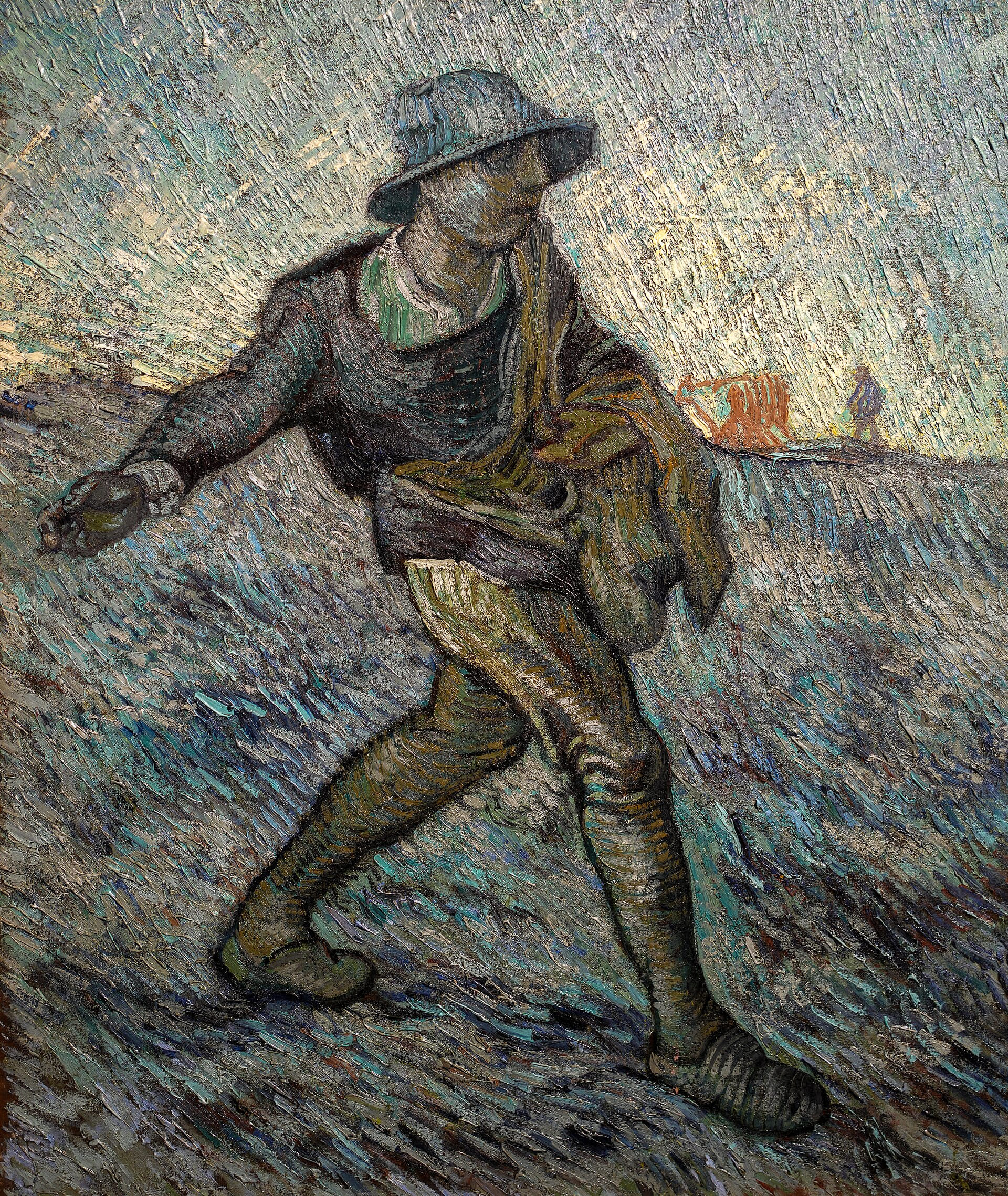 The Sower (after Millet) 1889 · F689
 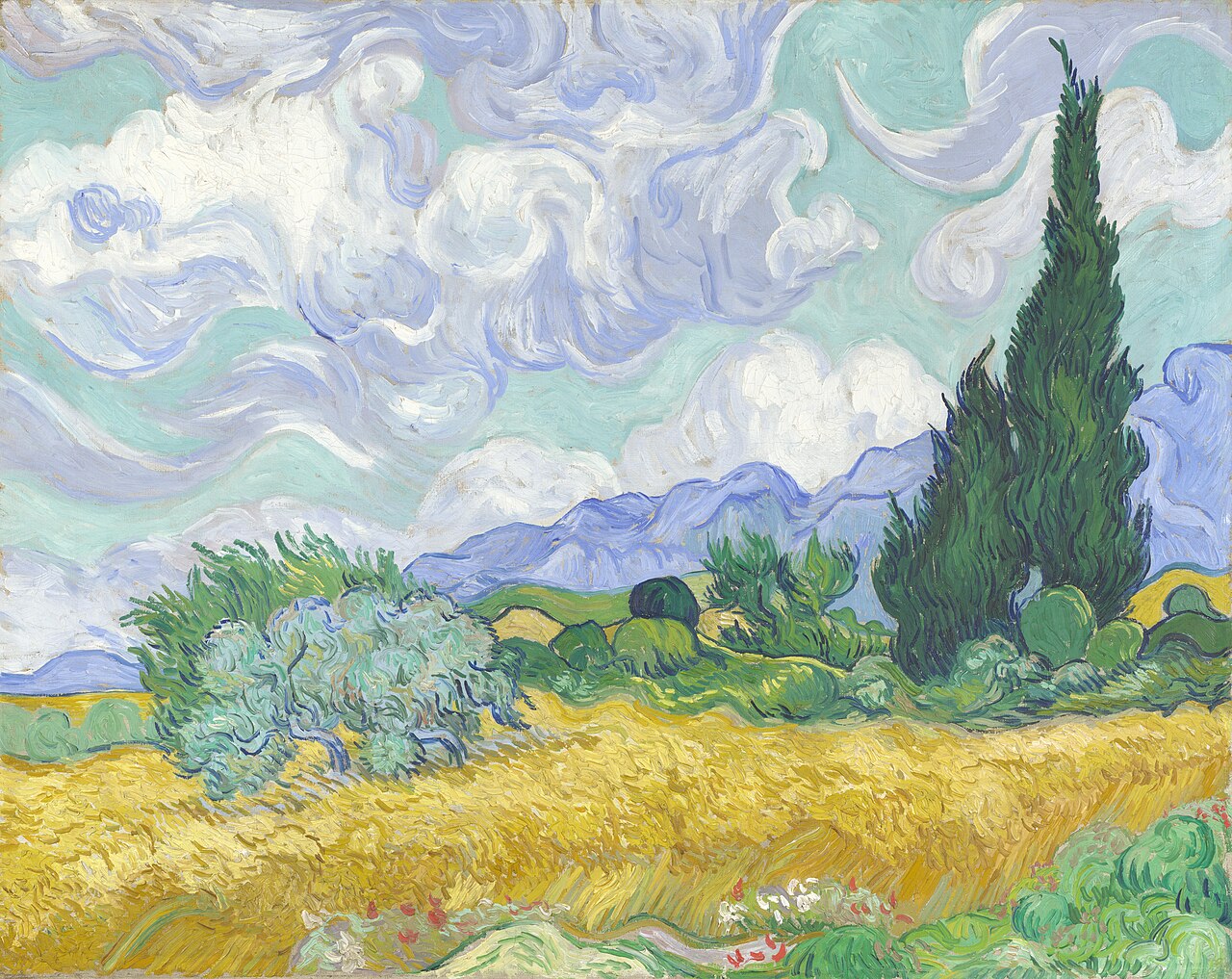 Wheat Field with Cypresses 1889 · F717
 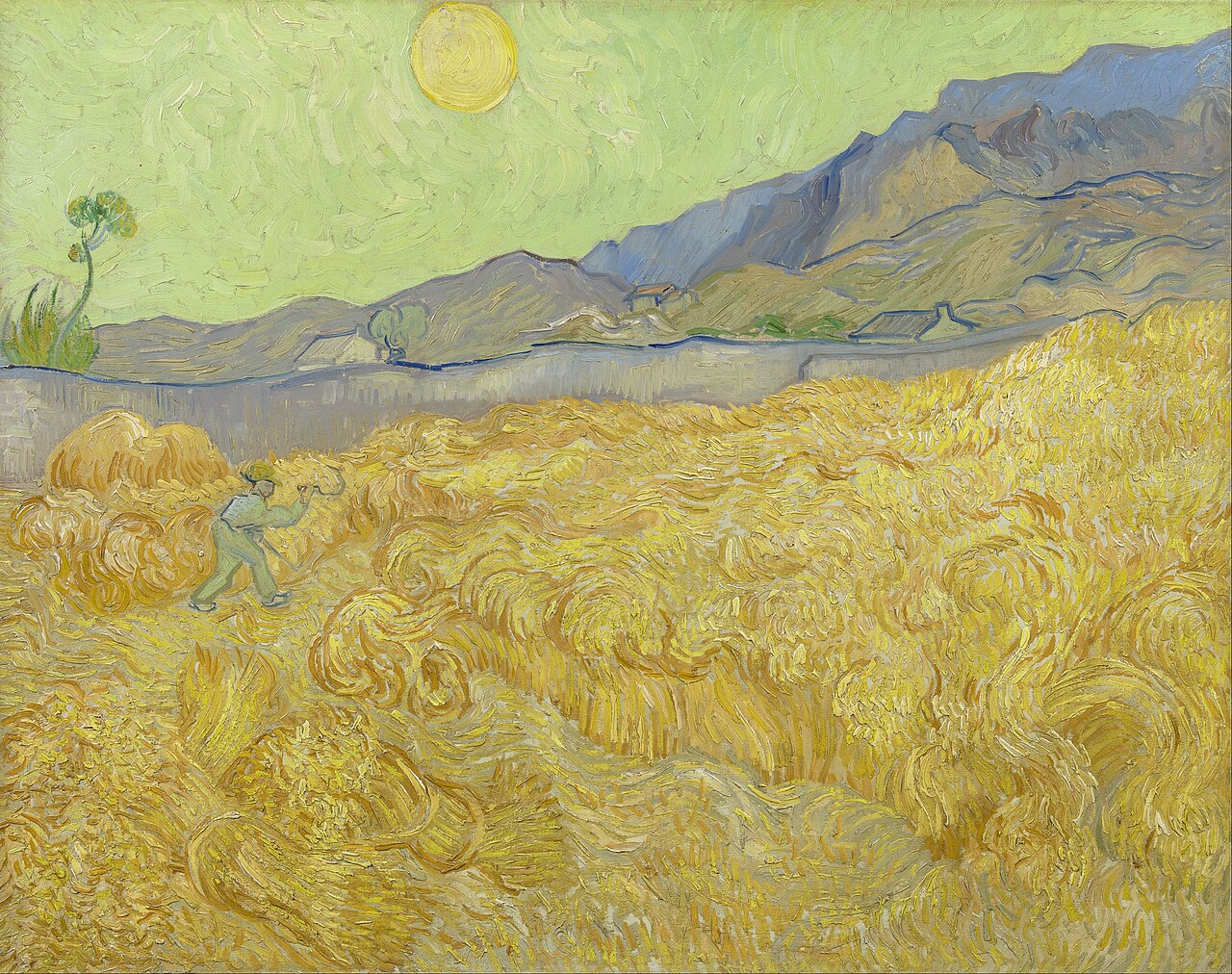 Wheat Field with Reaper 1889 · F617
 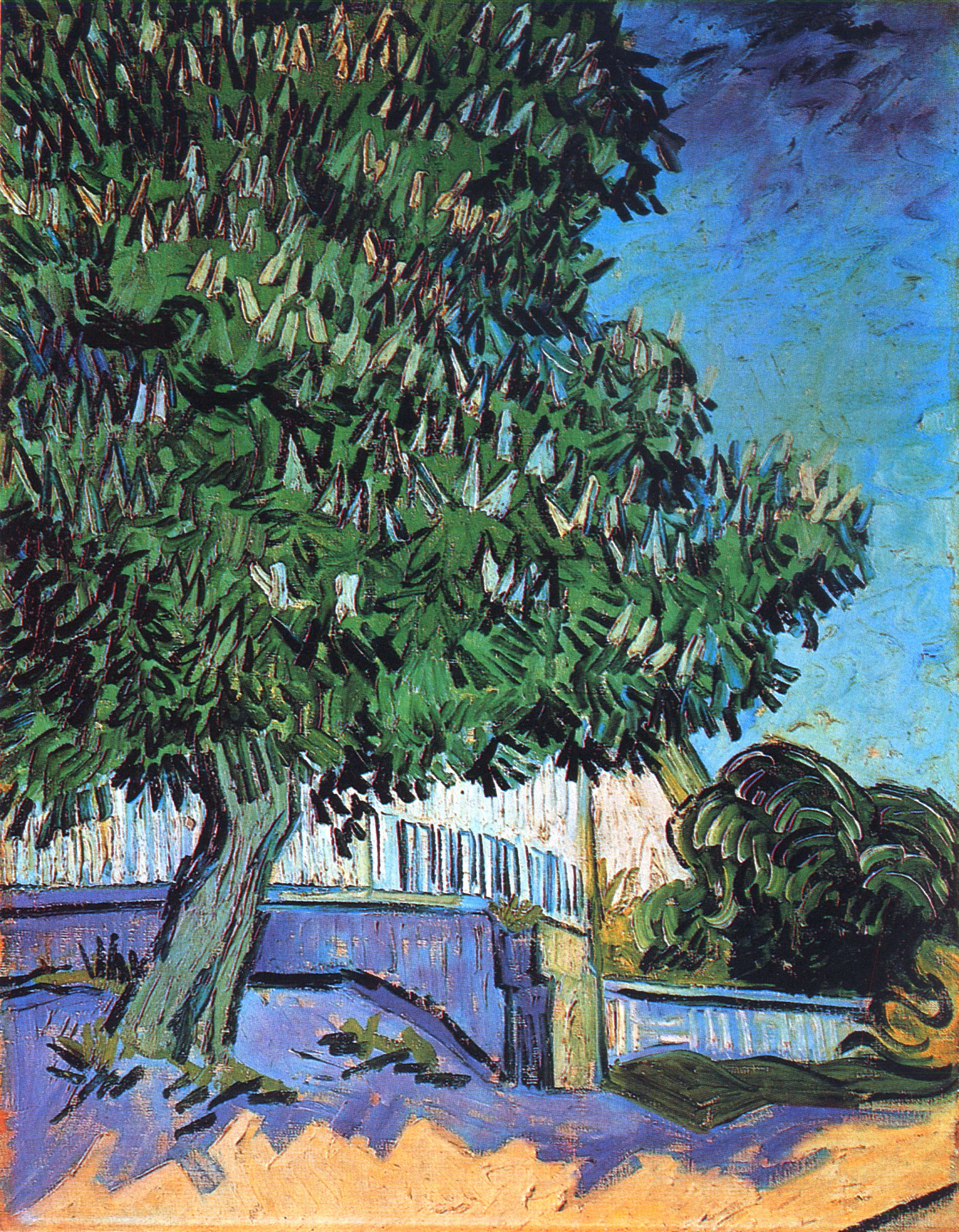 Blossoming Chestnut Trees 1890 · F752
 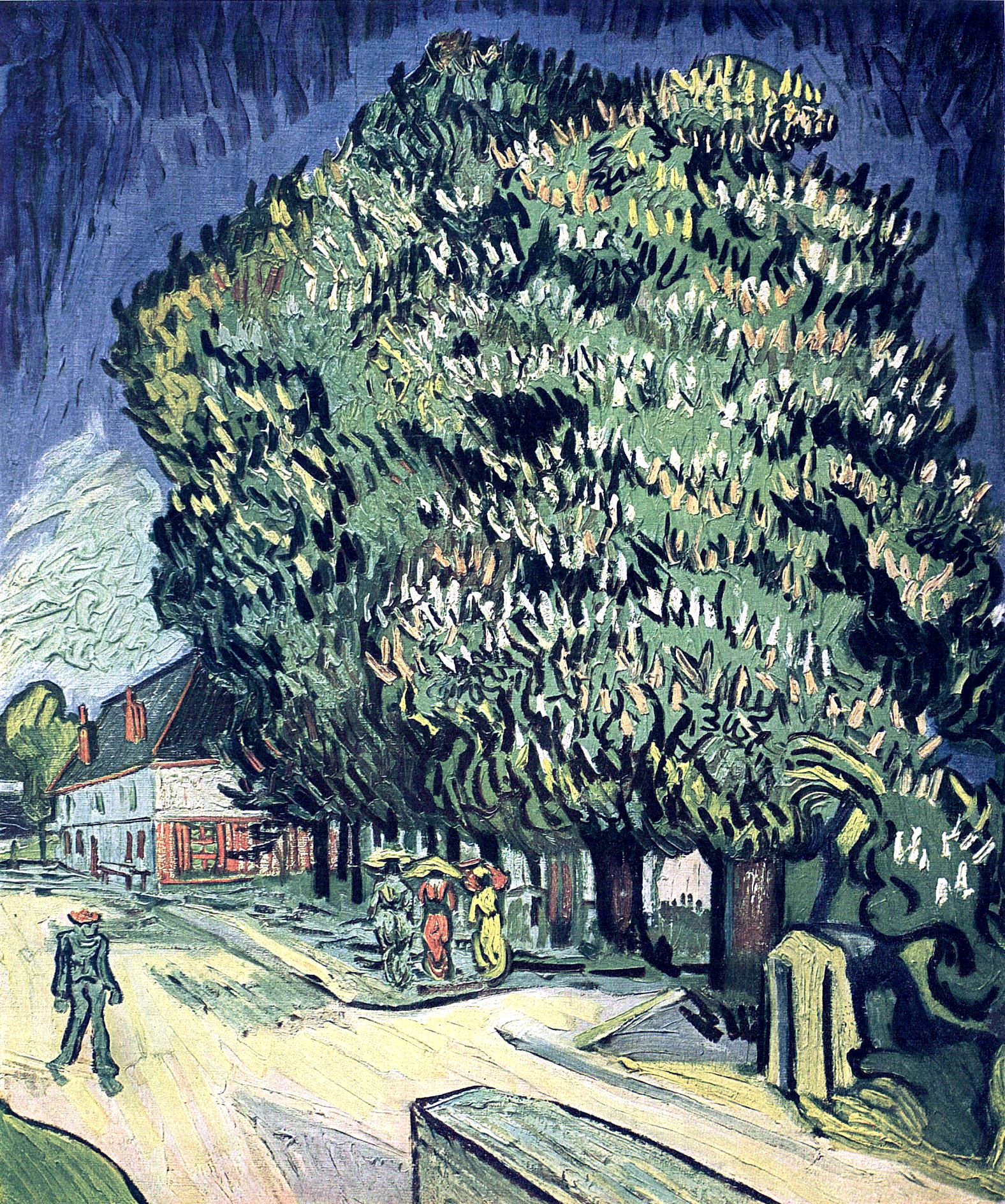 Chestnut trees in flower: pink and white blossoms 1890 · F751
 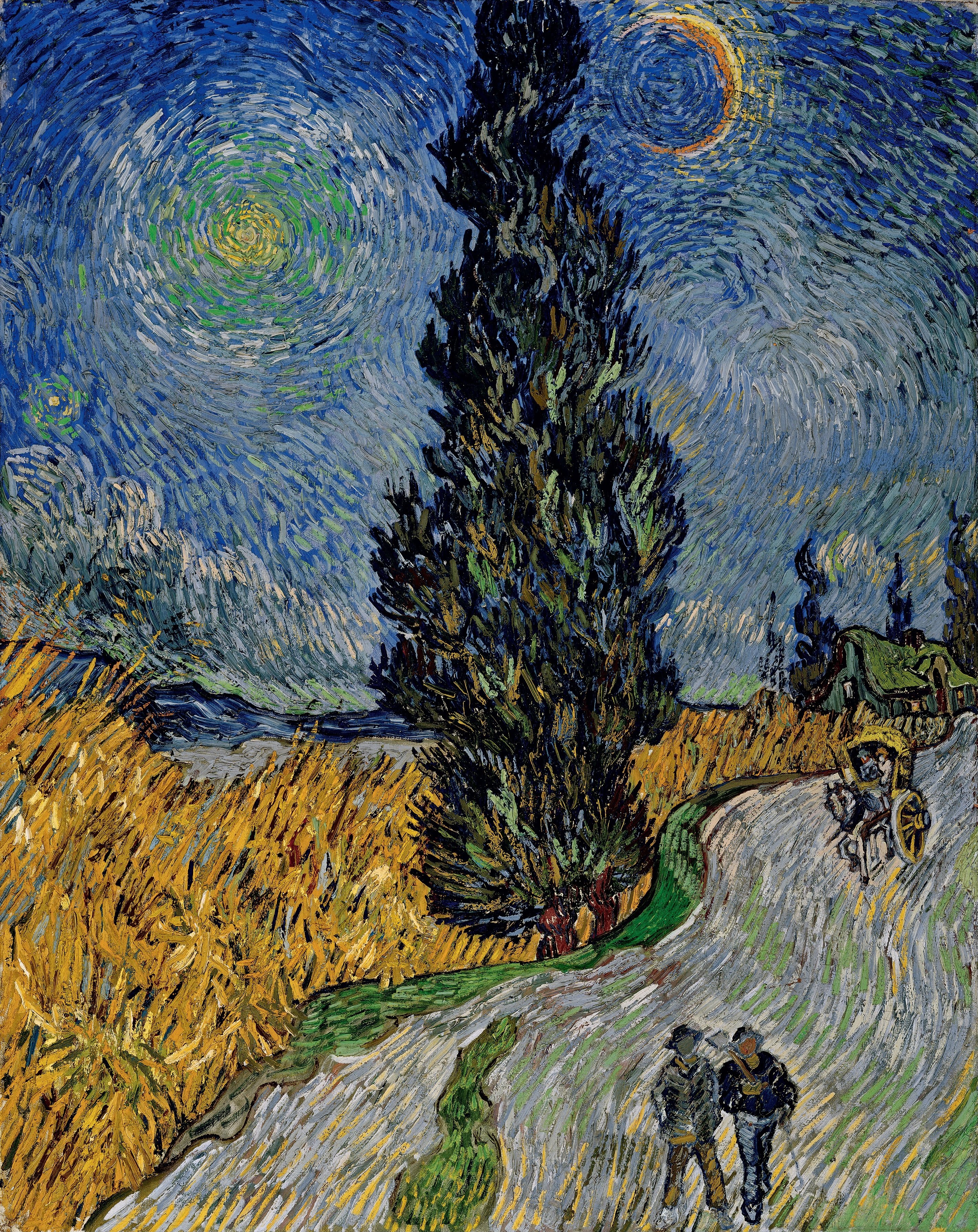 Country Road in Provence by Night 1890 · F683
 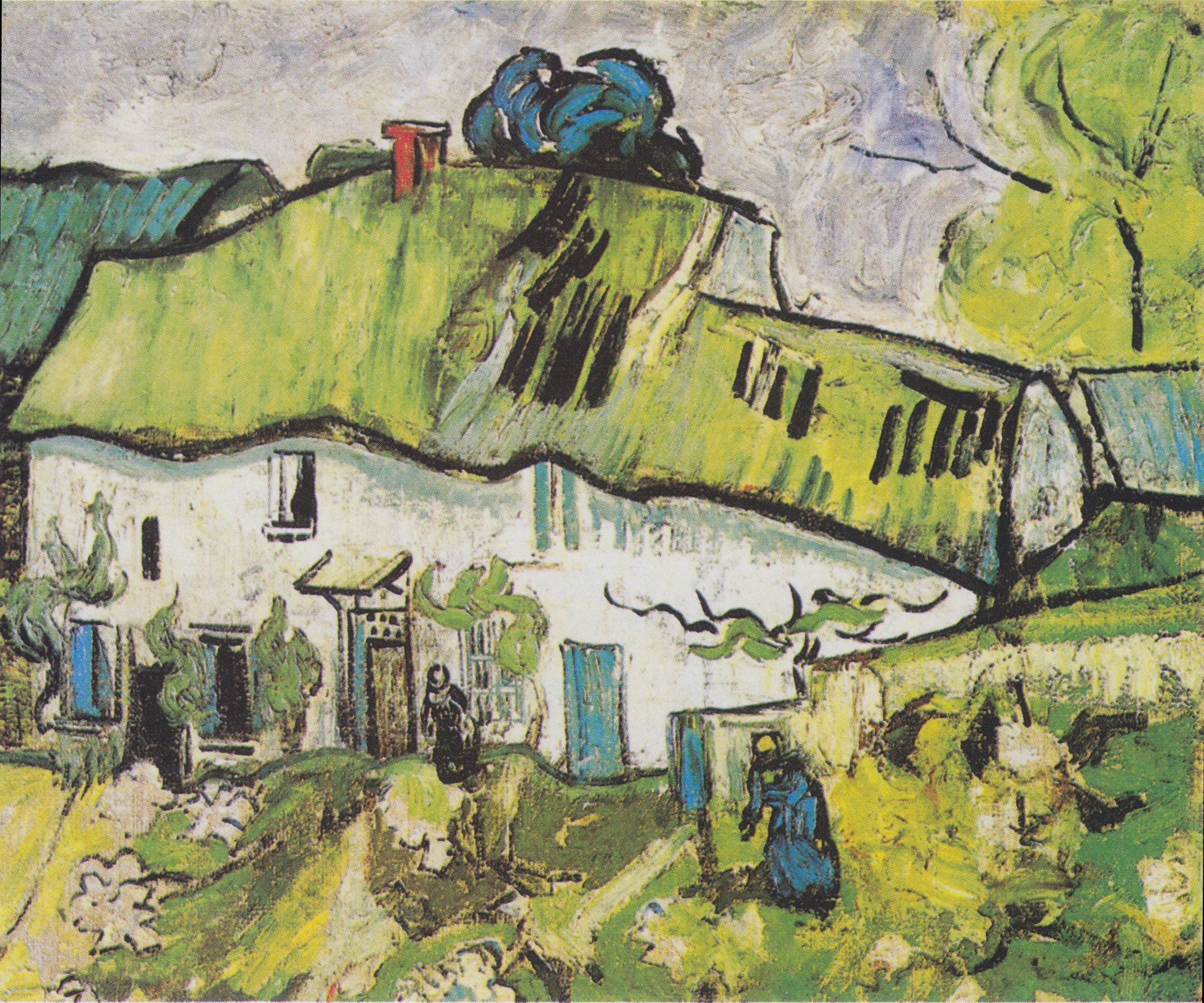 Farmhouse 1890 · F806
 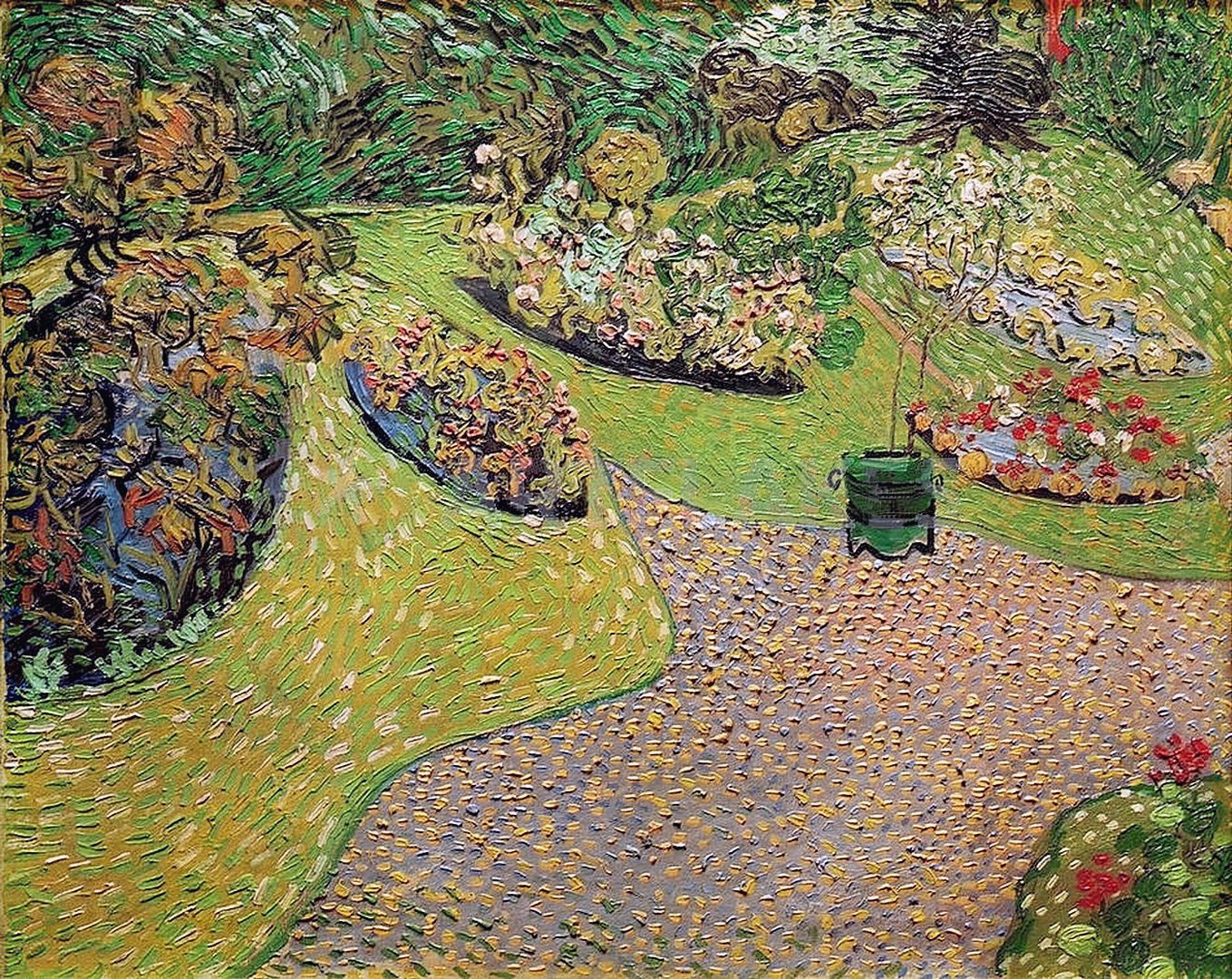 Garden at Auvers 1890 · F814
 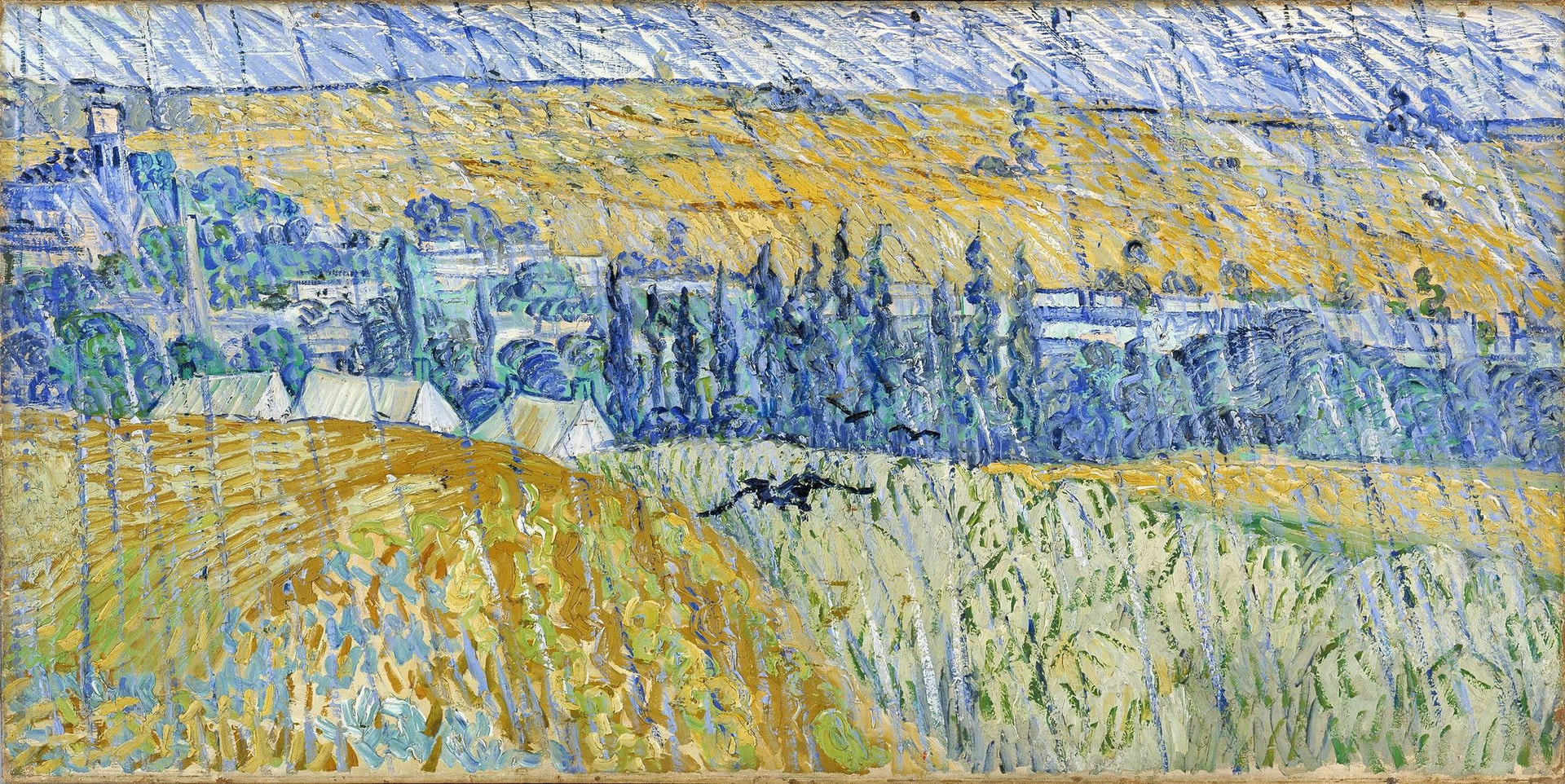 Landscape at Auvers in the Rain 1890 · F811
 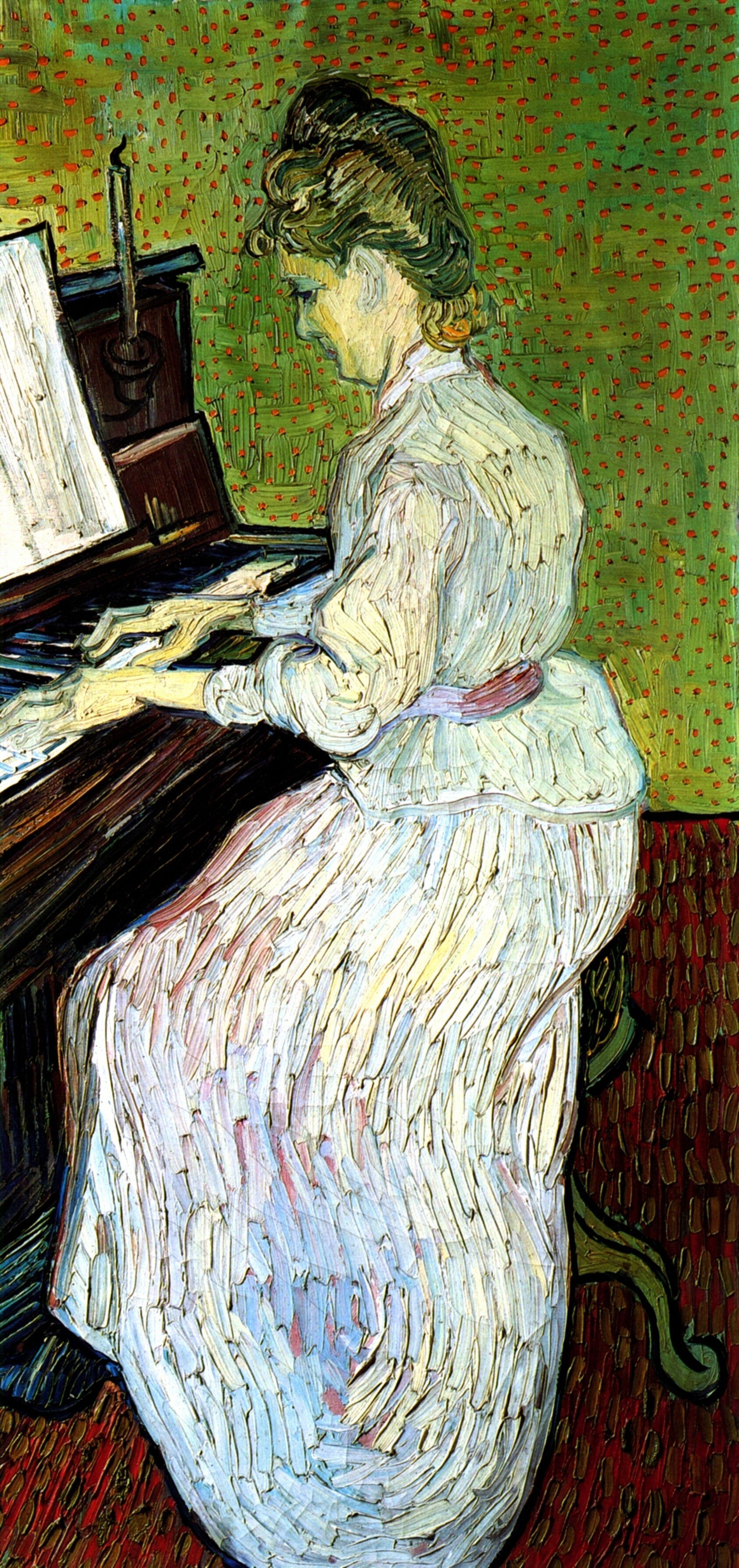 Marguerite Gachet at the Piano 1890 · F772
 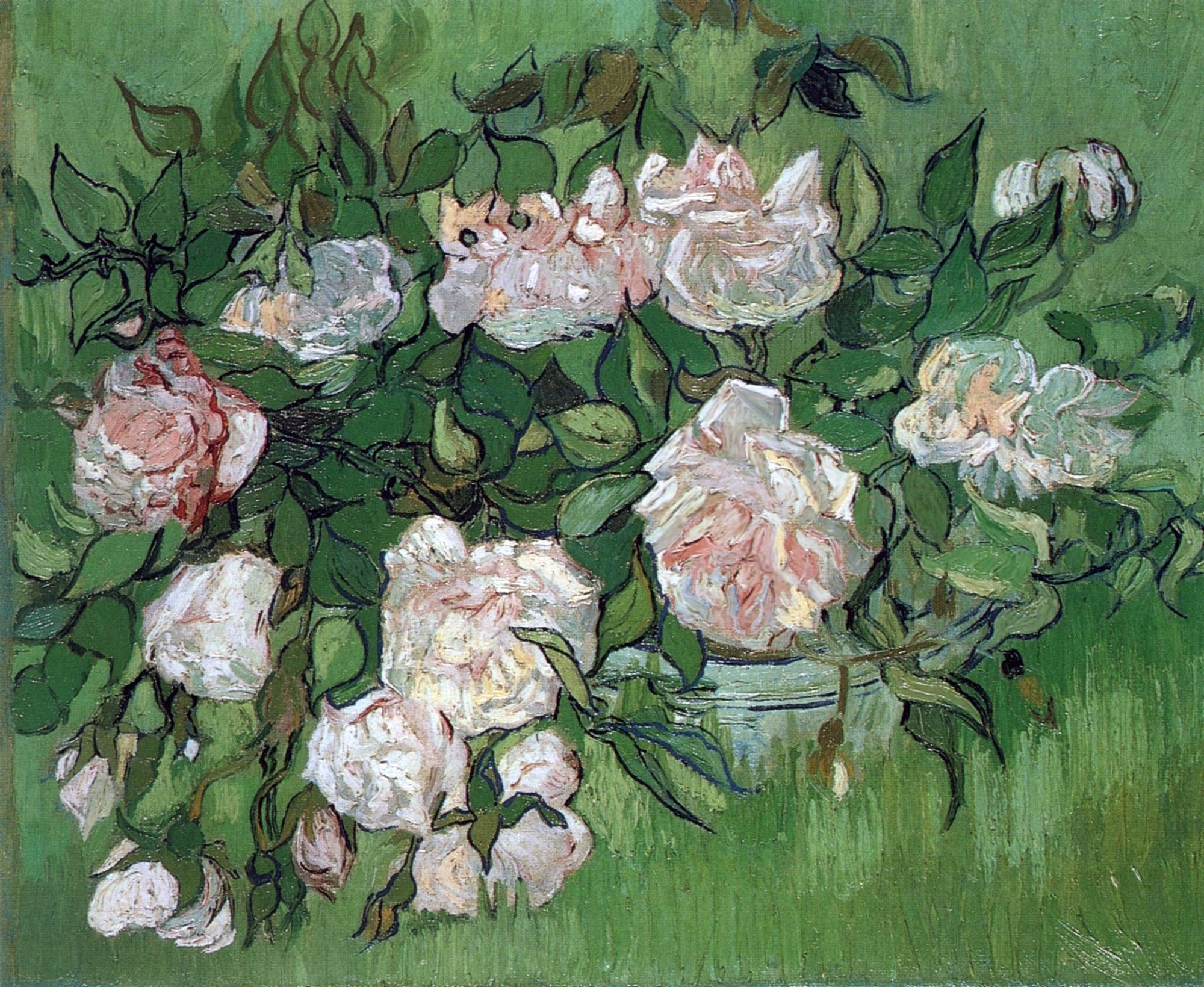 Pink Roses 1890 · F595
 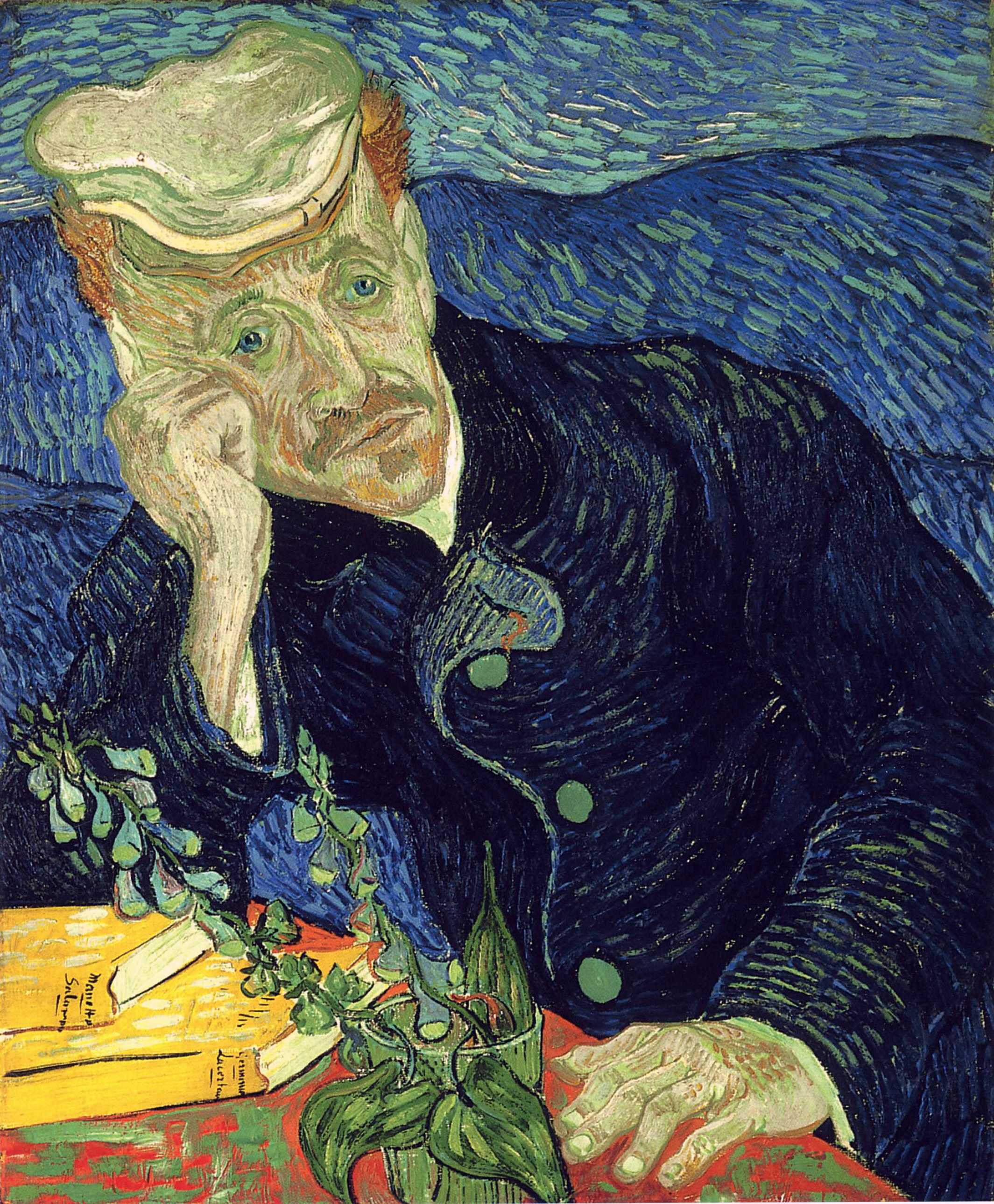 Portrait of Dr. Gachet (first version) 1890 · F753
 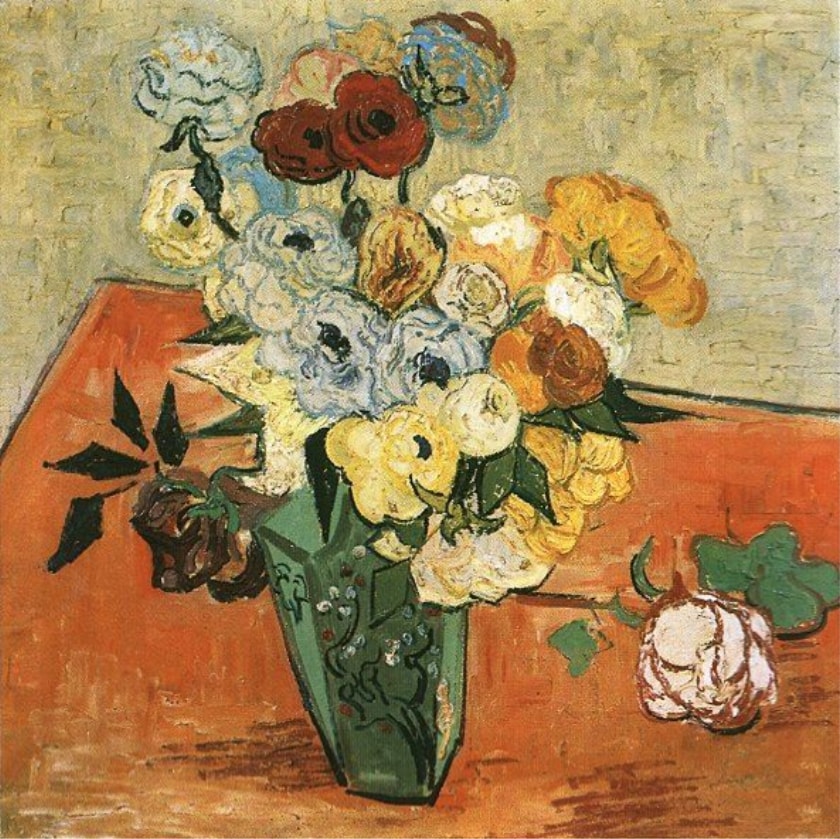 Roses and Anemones 1890 · F764
 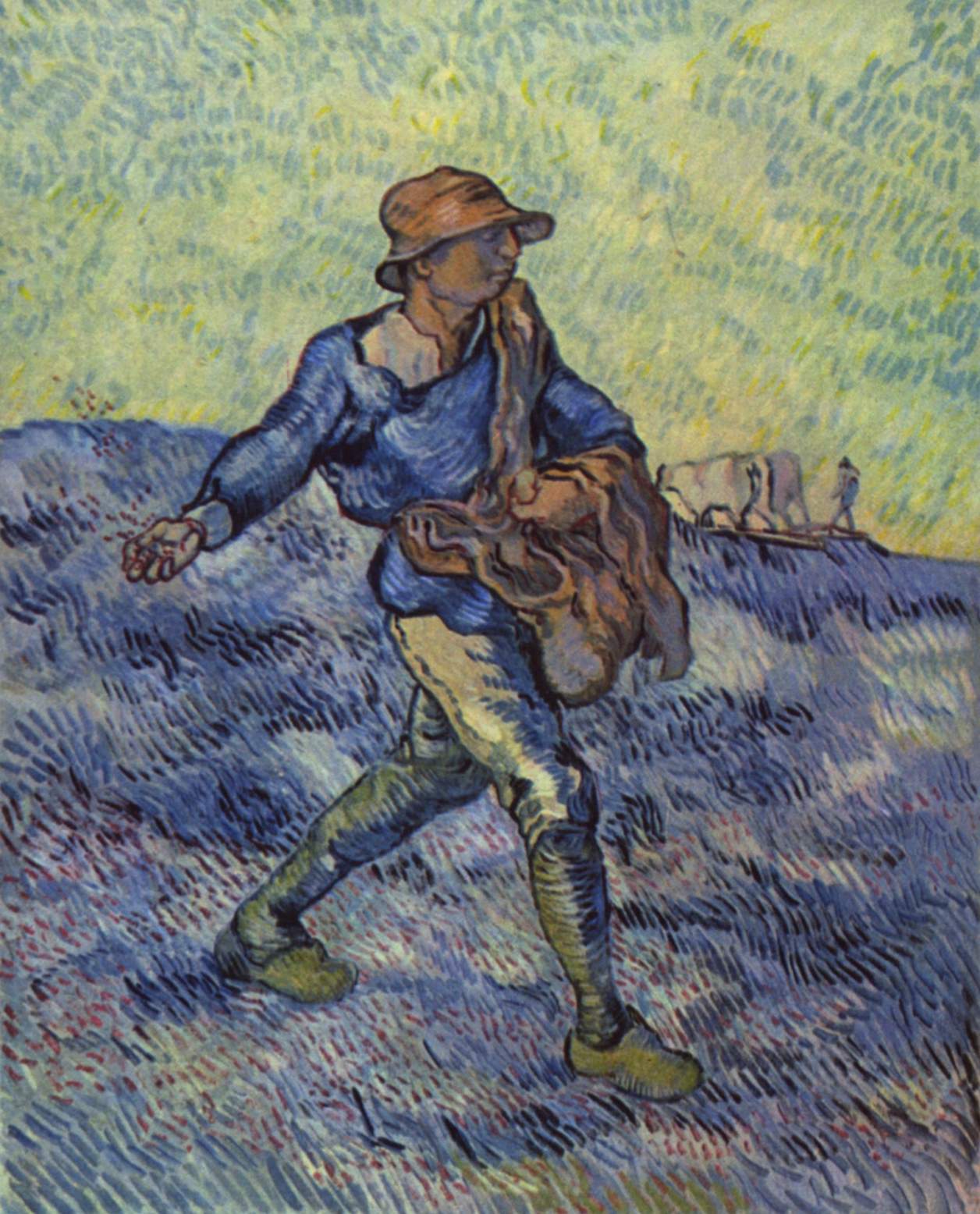 Sower (after Millet) 1890 · F690
 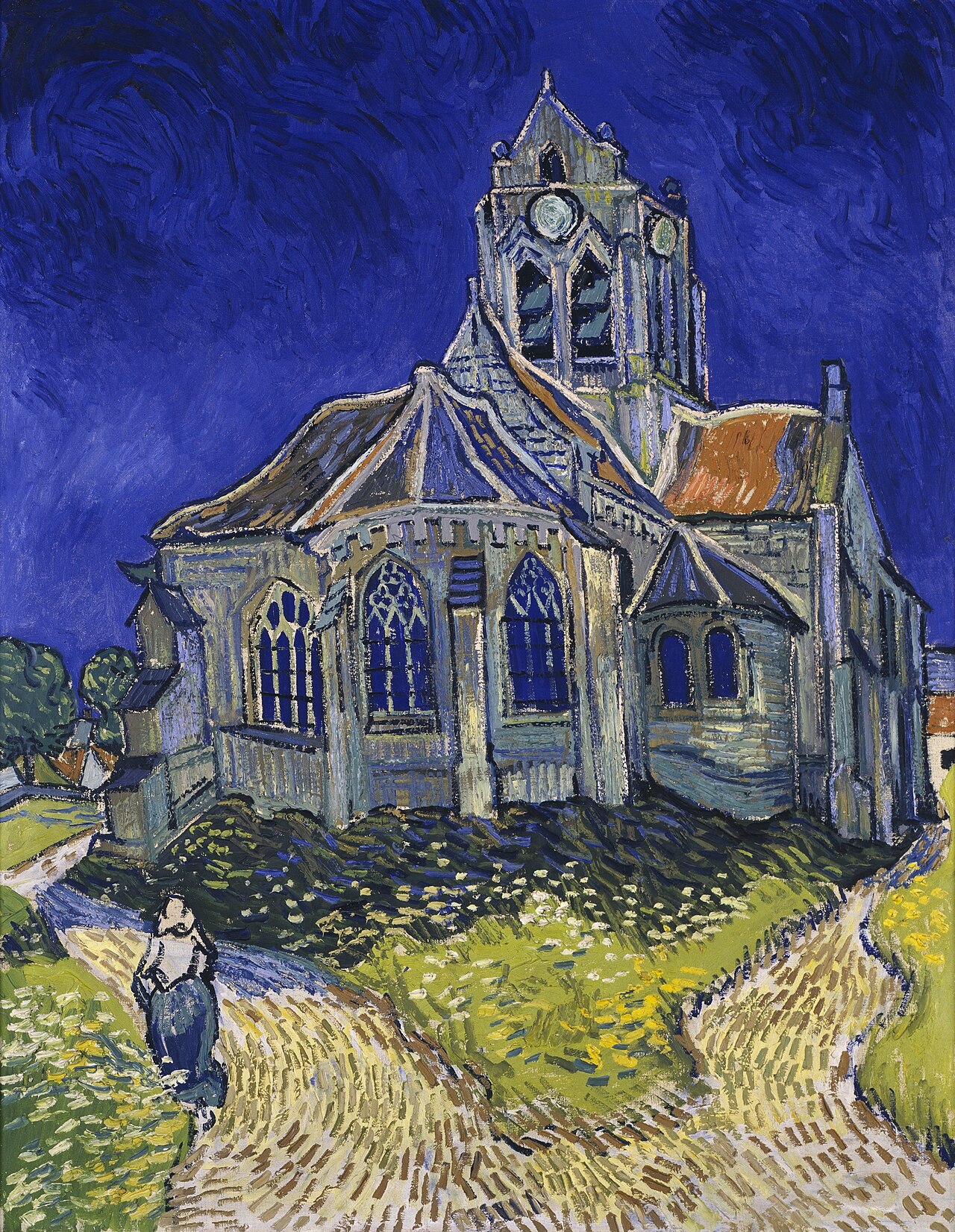 The Church at Auvers 1890 · F789
 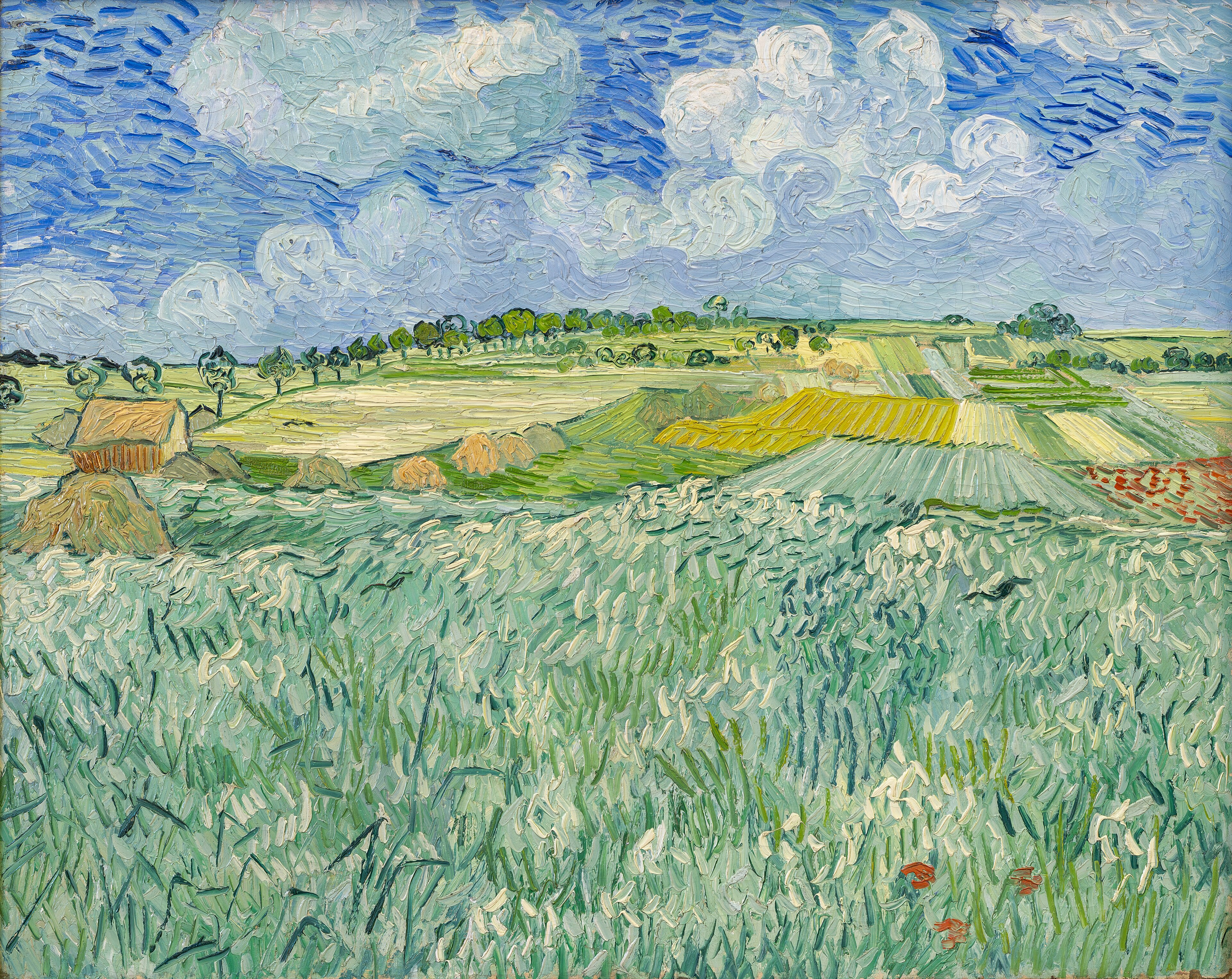 The plain with farm near Auvers 1890 · F782
 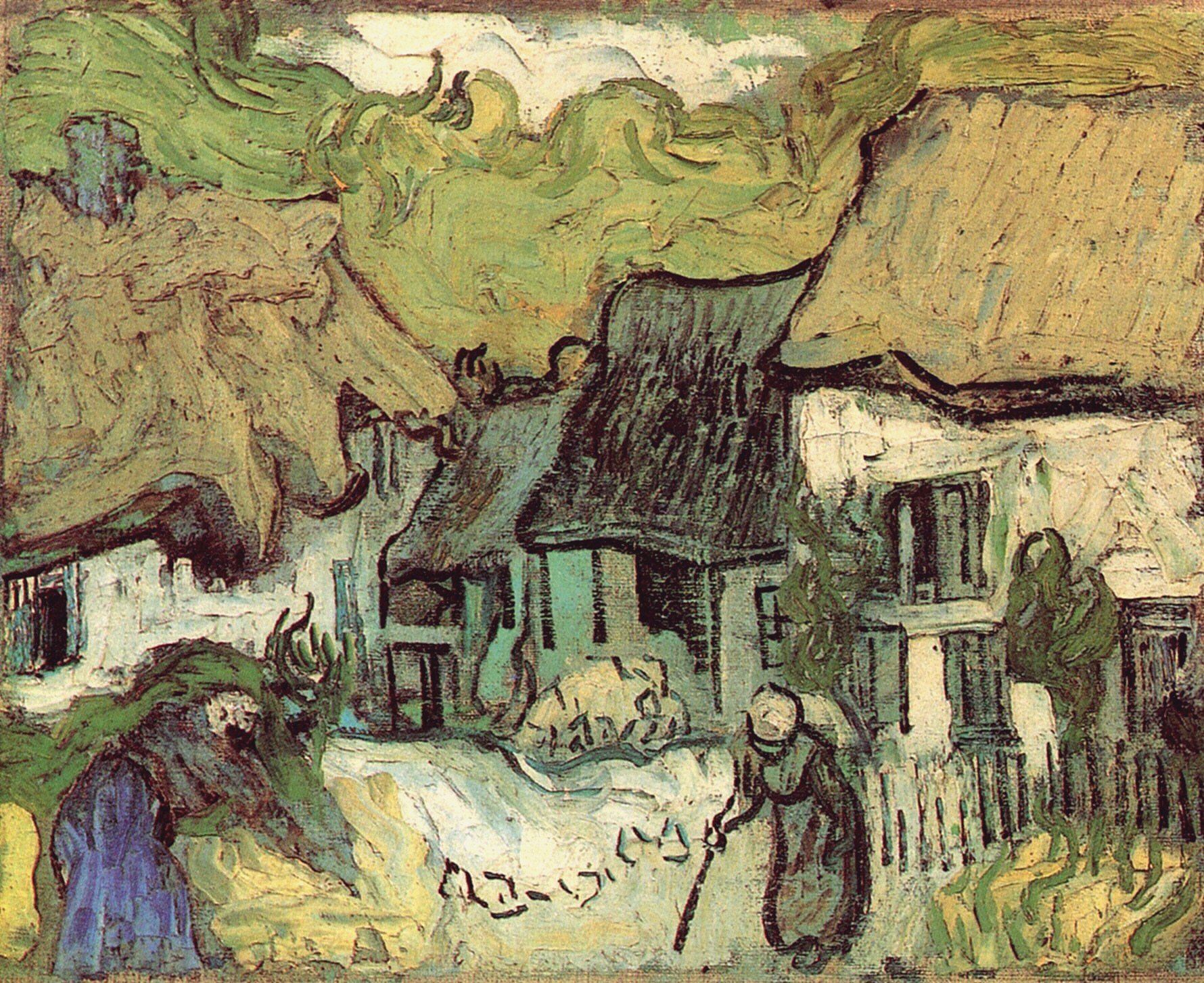 The thatch-roofed cottages of Jorgus 1890 · F758